Marine Battery Switch Basics
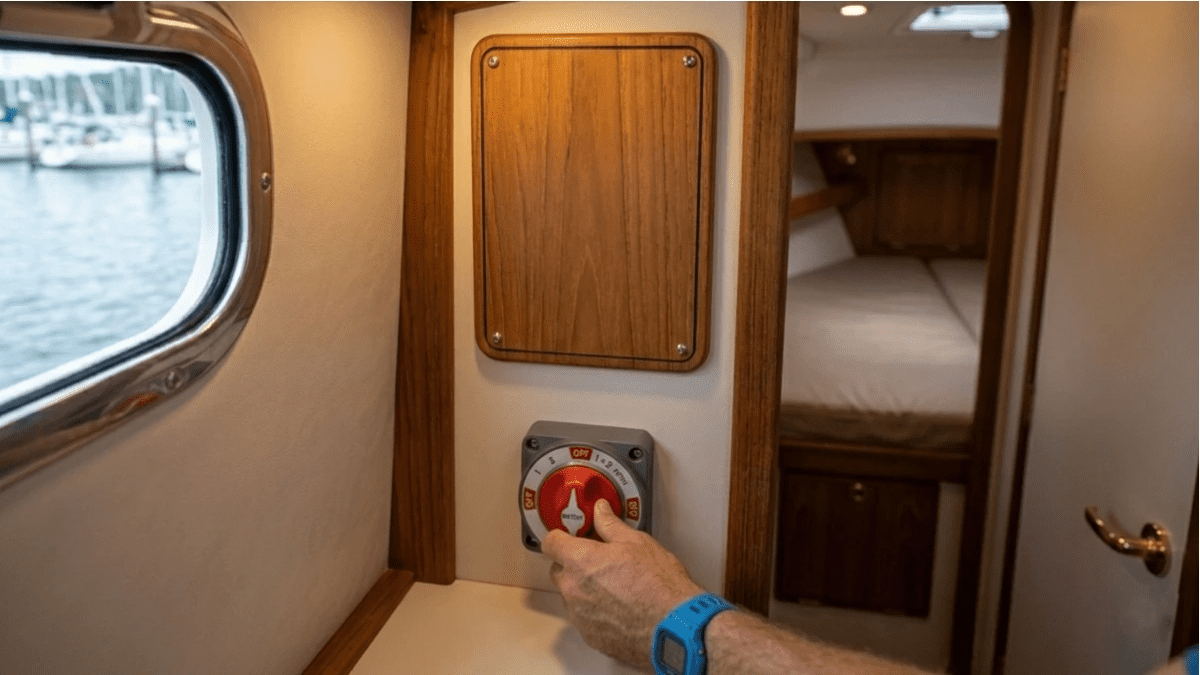
Key Highlights of Marine Battery Switches for Boat Power Management
- Battery Bank Separation: Boats typically use two distinct banks: a "start" bank for the engine and a "house" bank for onboard appliances like lights and refrigeration.
- Manual Battery Switches: Start the engine on Position 1 (start battery), then switch to Position "both" or "all" (house bank + start) for the remainder of the trip.
- Automatic Battery Switches: Systems like the Blue Sea Systems "Add-A-Battery" or Automatic Charging Relays (ACR) automate battery isolation and charging, removing the need for manual switching.
- Protecting the Alternator: Using a switch with Alternator Field Disconnect (AFD) prevents damaging voltage spikes that occur if a battery switch is accidentally turned "OFF" while the engine is running.
- Battery Isolator Alternative: If a boat is equipped with a battery isolator, an AFD switch is unnecessary because a constant connection is maintained between the alternator and batteries.
What is a marine battery switch and how does it work?
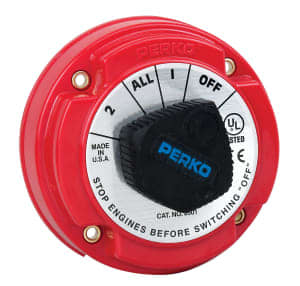
A boat battery switch is a device that allows you to control the flow of electrical power between multiple batteries on a boat. It connects or disconnects the batteries in different configurations, such as parallel or series, to provide power to different systems or charge the batteries.
Boat enthusiasts, especially those new to the maritime world, often find themselves mystified by the array of switches aboard their vessels. Among these, the "big red switch" stands out — a vital yet enigmatic component. In this article, we will unravel the mysteries surrounding battery switches, shedding light on their significance, types, and best practices for usage.
Understanding the Basics: Battery Banks
Any boat equipped with more than one battery typically organizes them into distinct "banks." The primary purpose of these banks is twofold: one is dedicated to starting the engine (commonly known as the "start" battery bank), and the other, often referred to as the "house" bank, powers onboard appliances such as refrigeration units, lights, and electronics.
Why the Need for Separation?
Imagine you're anchored in a serene cove enjoying the tranquility when suddenly your lights dim, your stereo goes silent, and your refrigeration unit stops cooling. A potential nightmare, right? This scenario highlights the importance of separating the start and house banks. Keeping them isolated ensures that if the house bank is inadvertently drained, you can still start your engine and navigate back to port safely.
Enter the Battery Switch: A Captain's Control Center
This brings us to the indispensable device — the battery switch. Essentially, boat battery switches provide complete control over which bank is in use or being charged. It's the captain's
control center, ensuring the seamless operation of the boat's electrical systems.
Battery switches come in several configurations, including a two-, three- or four-way
switches.
A two-way switch simply turns your battery power on or off and is the most basic option – it does NOT give you the ability to use one battery while saving another for starting the engine.
A
three-way switch typically would be OFF/1/2, which means two options for battery use (normally start and house) and an option for shutting the batteries completely OFF.
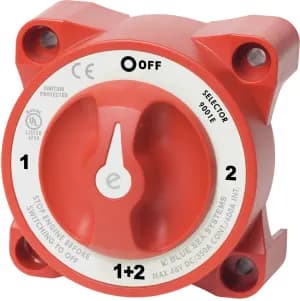
However, most boats will typically come with a four-way boat battery switch – Off, 1-2 or ALL.
Here's how each of those settings
works:
- OFF: In this position, the alternator doesn't charge any of the battery banks during engine operation. However, when connected to shore power, the switch is bypassed, allowing all banks to charge regardless of the switch setting.
- Position 1: This position is usually assigned to the start battery. It provides maximum power to start the engine or charges the start battery using the alternator while the engine runs.
- Position 2: Position 2 is typically designated for the house bank. It powers onboard appliances when you're anchored, supplying energy to items like refrigeration units and lights. Additionally, it charges the house bank through the alternator while the engine is running.
- ALL (or 1+2): Selecting this position enables the use or charging of all batteries simultaneously. While it might seem like the perfect setting, there's a caveat. Running all batteries in this mode risks depleting them all entirely, potentially leaving you unable to start the engine when you need to leave the following day.
A Word of Caution: Beware of the "ALL" (1+2) Setting
Using the "1+2" position offers the combined power of all your batteries, which can be advantageous if your start battery is drained. However, in situations where you're at anchor, enjoying the stereo, lighting and other amenities, relying on the "ALL" setting can lead to a depletion of ALL your batteries. This depletion might prevent your engine from starting the next day.
Optimizing Battery Switch Usage: A Recommended Strategy
A strategic approach can optimize energy management for those utilizing the popular OFF - 1 – 2 – ALL (or OFF/1/2/B) battery switch. When starting your engine, set the switch to position 1 (start battery) and keep it there for about 20 minutes to recharge your start battery. Then move the switch to position 2 to recharge the house bank for the remainder of your journey. This way, you're already on your house bank when you anchor, ensuring a seamless transition.
Automatic Battery Management Solutions: A Hassle-Free Option
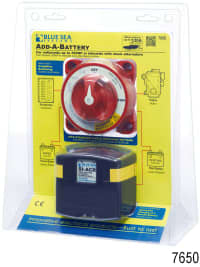
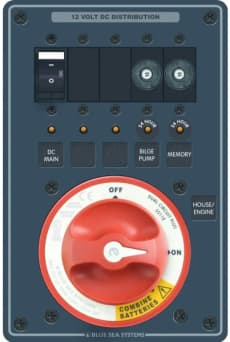
Managing the various switch positions can be daunting, especially for new boaters. Thankfully, advancements in marine technology offer automatic solutions such as the Blue Sea Systems' " Automatic Charging Relay" (ACR) or their “Add a Battery” "system.
Automatic Charge Relays automatically manage the charging of two large battery banks by sensing system voltage and automatically combining batteries during charging and isolating them when discharging and/or starting the engine.
The Add-A-Battery system has two switches which work together to automatically combine and charge your engine and house battery banks when charging current is available from your engine, then automatically separate the batteries when the engine is turned off – so you can run everything on your boat without having to worry about depleting your start battery. All you must do is turn the battery switch to “On” when you get onboard, and “ Off” when you leave – so simple!
What is AFD (Alternator Field Disconnect) and why should you have it
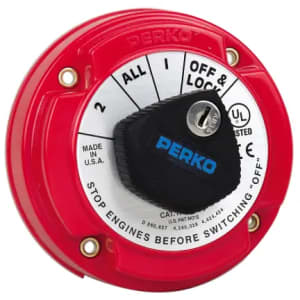
When your boat's engine is in operation, the alternator charges your batteries. In boats without a battery isolator, it's common for the alternator's output to connect to the load side of the battery selector switch. This setup allows you to select the bank you wish to charge. However, a potential problem arises if the battery switch is accidentally turned to the "OFF" position while the engine is running. Passing through the OFF position, even momentarily, interrupts the alternator's output, leading to a voltage spike. This spike, often reaching several hundred volts, can damage the alternator's diodes and voltage regulator, rendering them useless.
To mitigate this risk, an AFD (Alternator Field Disconnect) switch comes into play. This switch disconnects power to the alternator's field windings, cutting its output before the battery switch breaks the connection to the battery. By doing so, it prevents the damaging voltage spike. Conversely, the AFD switch reconnects power to the alternator's field windings only after the battery connection is re-established, ensuring a seamless operation without risks of alternatordamage. One thing to note – AFD only works on alternators with an external harness, so keep that in mind if purchasing a battery switch with the AFD feature.
Battery Isolator: A Different Solution
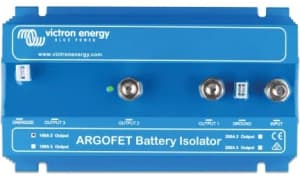
Boats equipped with a battery isolator maintain a constant connection between the alternator and the batteries. In such cases, an AFD switch isn't necessary, as the alternator remains connected, regardless of the battery switch position.
Why it's Important to Understand Battery Switches
Mastering the intricacies of a battery switch for boats is essential. It's not merely about understanding their functions but also about adopting the best practices that enhance both efficiency and safety. Whether you choose manual battery switches or opt for automatic systems, the goal remains the same: to ensure your vessel's electrical systems operate seamlessly, providing you with the convenience and preservation of battery life needed for a pleasant boating experience.
The Importance of Regular Maintenance
Understanding how to use your battery selector switch effectively is just the first step. Regular maintenance is crucial to prolonging the lifespan of your batteries and ensuring they perform optimally. Here are some key maintenance tips:
- Inspect your batteries regularly: Check for signs of corrosion, leaks, or damage. Clean the battery terminals and connections to prevent electrical resistance.
- Keep your batteries charged: Discharged batteries can suffer from sulfation, reducing their capacity. Charge your batteries regularly, especially if your boat is not in use for extended periods.
- Monitor electrolyte levels: For flooded lead-acid batteries, make sure the electrolyte levels are within the recommended range. Add distilled water if necessary.
- Secure your batteries: In a marine environment where boats are subject to vibrations and movements, secure your batteries properly to prevent damage.
- Consider a battery monitor: A battery monitor provides real-time information about your battery's state of charge, allowing you to manage your power consumption effectively.
Choosing the Right Battery Switch
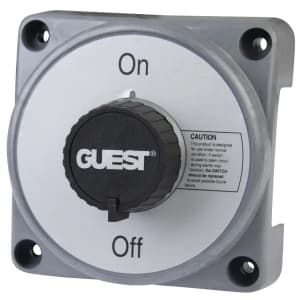
Selecting the appropriate battery switch for your boat is paramount. Consider the following factors:
- Voltage and Current Rating: Make sure the switch can handle your electrical system's voltage and current requirements. This information is usually labeled on the switch.
- Durability: Look for switches made from corrosion-resistant materials, especially if your boat operates in saltwater environments.
- Type of Battery: Different types of batteries (lead-acid, AGM, and LifePo4) have varying charging requirements. Make sure the switch is compatible with your battery type.
- Installation: Consider the ease of installation. Some switches might require professional installation, while others are designed for user-friendly setup.
- Automatic vs. Manual: Decide whether you prefer the convenience of automatic systems like the Automatic Charging Relay (ACR) or if you're comfortable with manual switches.
- Manufacturer Reputation: Opt for switches from reputable manufacturers known for their reliability and durability.
- Location: It's important to think about the best place to put your switch. The boat battery switch location should be easy to access, but in an out of the way spot where it won't get bumped into.
Frequently Asked Questions
What is the primary purpose of a marine battery switch?
A marine battery switch allows you to manage the electrical flow between different battery banks. Its main function is to isolate the starting battery from the house battery, ensuring that even if your onboard electronics or lights drain the house bank while anchored, you still have a fully charged battery dedicated to starting the engine.
What do the 1, 2, and ALL positions on a battery switch mean?
On a standard four-way switch, "Position 1" typically connects the engine start battery, "Position 2" connects the house battery bank for appliances, and "ALL" (or 1+2) combines both banks. While the ALL setting can provide extra power if a battery is weak, using it while anchored risks draining every battery on the boat simultaneously.
What is an Alternator Field Disconnect (AFD) and why is it useful?
An AFD is a protective feature on some battery switches that prevents damage to your alternator. If a battery switch is turned to the "OFF" position while the engine is running, it can cause a massive voltage spike that destroys the alternator's diodes; the AFD prevents this by safely cutting the alternator's output before the battery connection is broken.
How does an Automatic Charging Relay (ACR) differ from a manual switch?
While a manual switch requires the captain to physically move the dial to manage charging and isolation, an ACR automates the process. It senses the system voltage and automatically combines the batteries when a charging source (like the engine) is active, then isolates them when the engine is off to prevent accidental depletion of the start battery.
What is the recommended manual switching strategy when starting the engine?
A common best practice is to start the engine on Position 1 (start battery) and run it for about 20 minutes to replenish the charge used for cranking. Afterward, you should switch to Position 2 (house bank) to charge that bank during the rest of your trip, ensuring you are already isolated on the house battery by the time you drop anchor.
We hope this Navigator has helped you understand what marine battery selector switches are used for and whether you need the AFD feature when adding one to your boat. If you have further questions or need clarification, please don't hesitate to contact our experts at (800) 426-6930.