Marine Grills & Accessories from Fisheries Supply
Durable, wind-resistant boat grills and mounts from trusted brands—ready to install and built for life on the water.
- Who this is for: Boaters, cruisers, anglers, and installers seeking dependable marine BBQ grills and accessories.
- What you’ll learn: Fuel options, mounting methods, shape/feature tradeoffs, and safe use practices.
Key Takeaways
- Choose proven brands such as Magma, Kuuma, and Force 10 for marine-grade materials and wind-resistant design.
- Match fuel (propane, electric, charcoal) to your boat’s layout, storage, and venting; consider infrared burners and griddle plates for wind and delicate foods.
- Mount securely (rail, rod-holder, or pedestal) and follow ABYC/USCG safety requirements for LPG handling and fire protection.
Marine Grill Overview
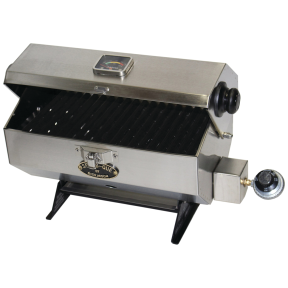
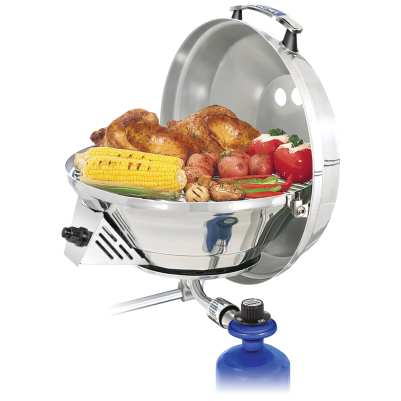
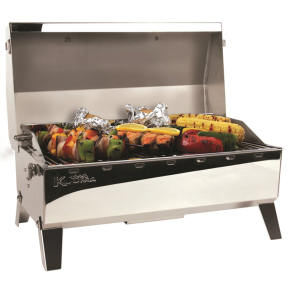
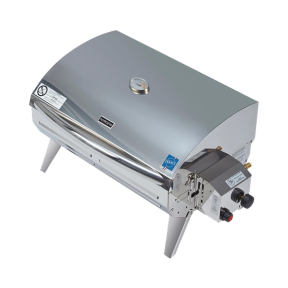
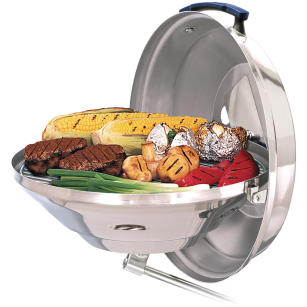
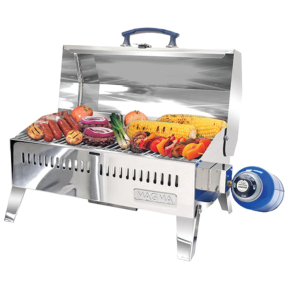
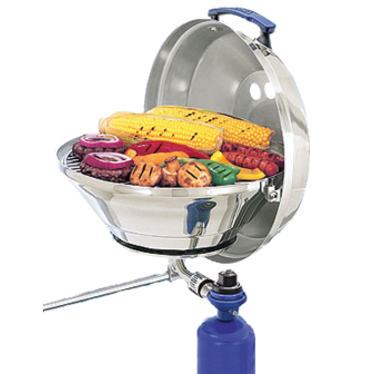
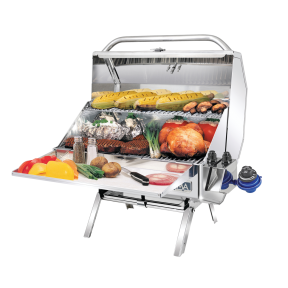
Enhance life aboard with a purpose-built boat grill. Fisheries Supply carries high-quality options from Magma (e.g., Marine Kettle and rectangular series), Kuuma (Stow N’ Go line), and Force 10 (galley appliances and on-deck cooking solutions). These grills use marine-grade stainless steel, wind-resistant lids/domes, and stable mounts for consistent results on the water.
The Joys of a Boat BBQ
Anchor in a quiet cove, fire up your boat BBQ grill, and cook the day’s catch. Wind-resistant domes regulate temperature for even searing, while fast-lighting systems and integrated thermometers simplify mealtime. From burgers to flaky fish, a marine grill turns your cockpit into a social galley with unforgettable views.
Design Choices & Feature Tradeoffs
Shape & Lid Geometry
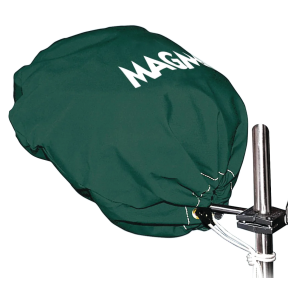
- Round / “Kettle”: Domed lids shelter the grate from gusts and promote convective, even heat. Great for mixed menus and compact rail mounting.
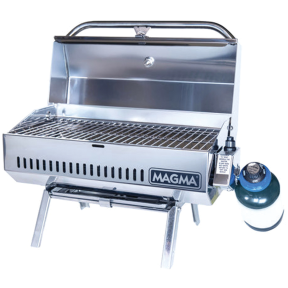
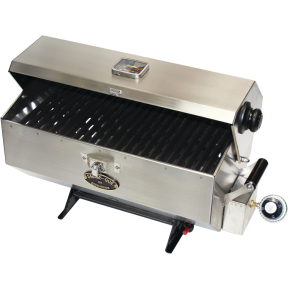
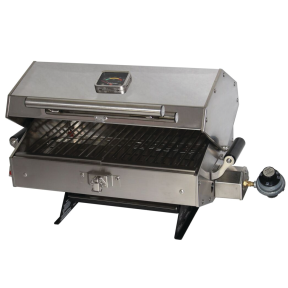
- Rectangular: Maximizes grate area and zoning (direct vs. indirect) for families and crews.
Cooking Surface Options
- Grates: Classic grill marks and open flame character.
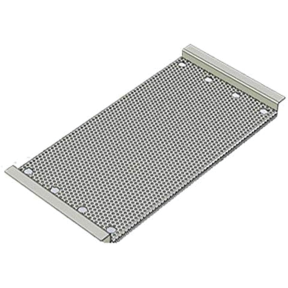
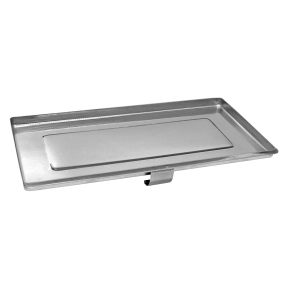
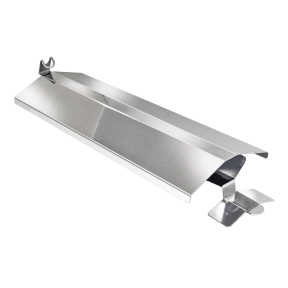
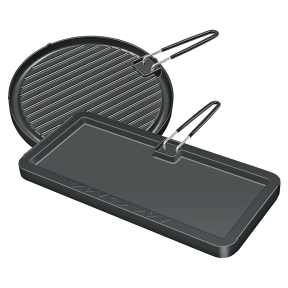
- Solid Griddle Plate: Prevents delicate fillets or vegetables from falling through; doubles as a wind baffle for the burner.
- Infrared Burners: Flameless radiant heat that’s highly wind-resistant and efficient.
Fuel Types
| BBQ Fuel Type | Best Use | What To Look For |
|---|---|---|
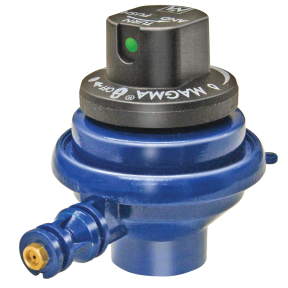
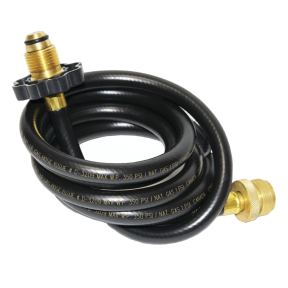
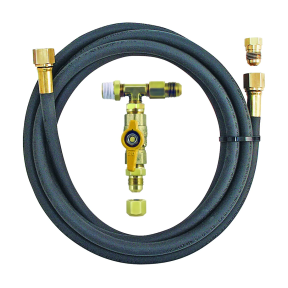
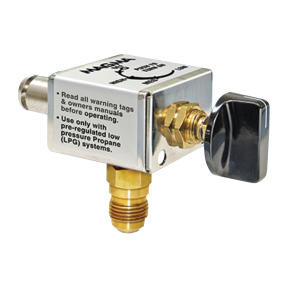
| Propane LPG | Fast cockpit cooking, cruising, fishing trips, and raft-ups | Use approved hoses, regulators, shutoff valves, leak checks, and proper cylinder storage. |
| Electric | Marina slips, shore-power setups, inverter-supported boats, and flame-restricted areas | Confirm electrical capacity and outlet compatibility before selecting an electric marine grill. |
| Charcoal | Traditional BBQ flavor at anchor or dock where charcoal use is permitted | Plan for ash control, ember management, and local fire rules. |
Mounting & Installation
Secure mounting keeps your cooking area safe and uncluttered. Common options include:
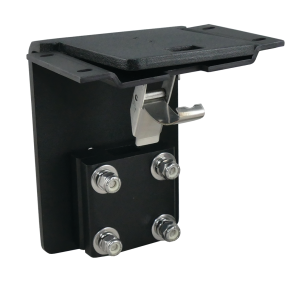
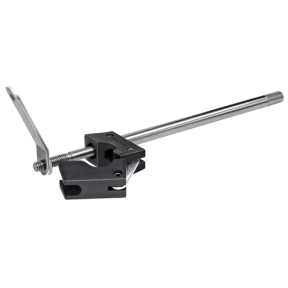
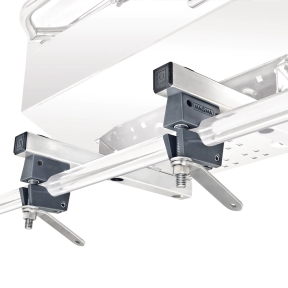
- Rail mounts for stern rails or lifelines.
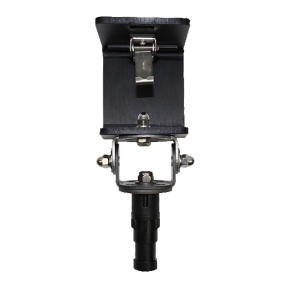
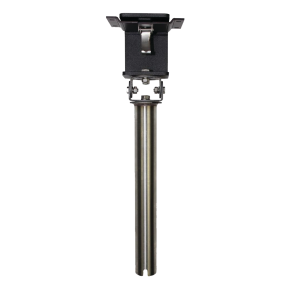
- Rod-holder mounts for quick on/off flexibility.
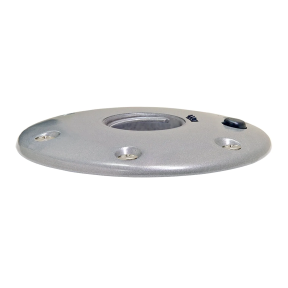
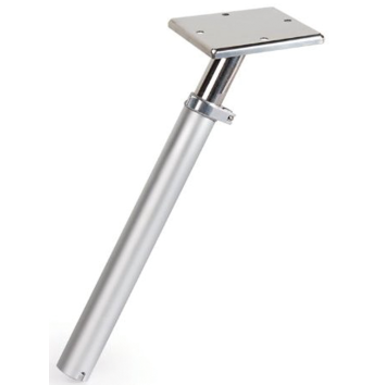
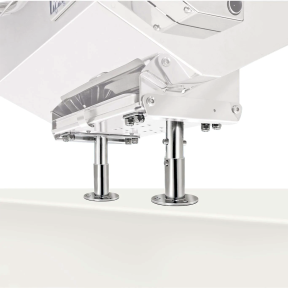
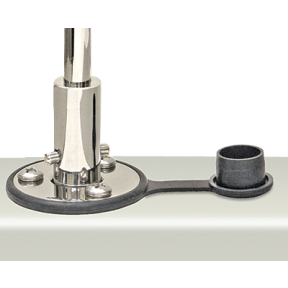
- Pedestal / transom platforms for semi-permanent setups.
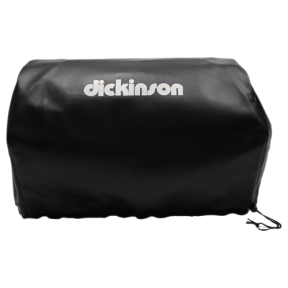
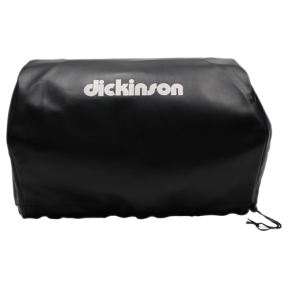
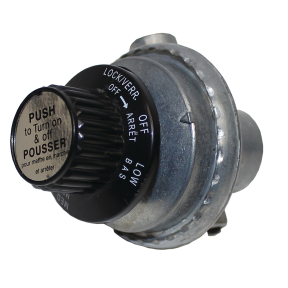
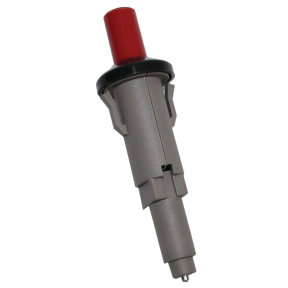
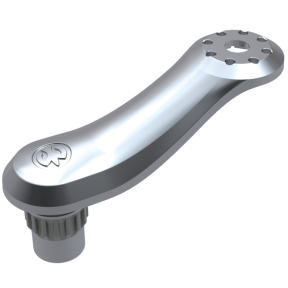
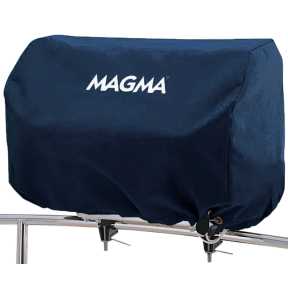
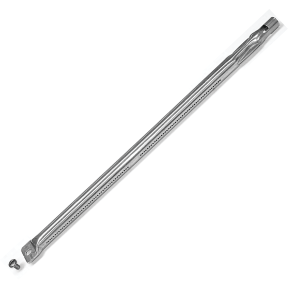
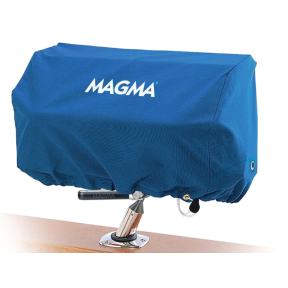
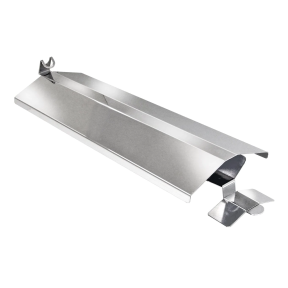
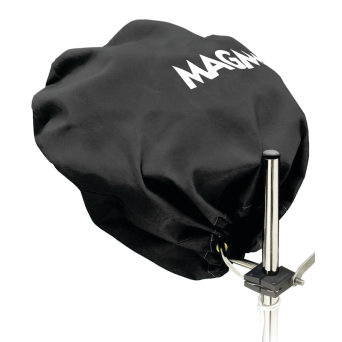
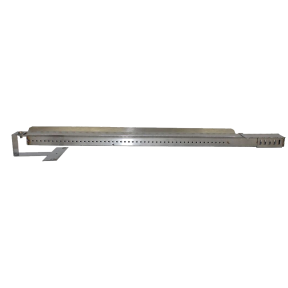
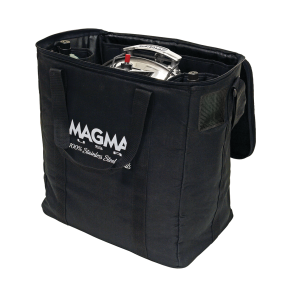
Most grills do not include mounting hardware—choose a mount that matches your rail diameter and deck layout. Fisheries Supply stocks OEM and universal mounts plus replacement parts (valves, covers, hinges, regulators) for long-term serviceability.
Ready to outfit your cockpit? Explore our cockpit accessories selection to complete your cockpit galley.
Frequently Asked Questions
How often should I clean my boat grill?
Wipe down after each cook (grate or griddle while still warm). Perform a deep clean at season start/end and before storage to prevent buildup and corrosion.
Are marine grills wind-resistant?
Yes—domed lids and infrared options improve wind performance. Always position the lid opening leeward and consider a solid griddle on gusty days.
Do grills include mounting hardware?
Usually not. Choose a compatible rail/rod-holder/pedestal mount for your boat’s geometry and the grill model.
What safety steps should I follow when using on board propane (LPG) for my grill?
Store cylinders in a vented locker, use approved hoses/fittings, test for leaks, and keep USCG-approved fire extinguishers aboard. Shut valves when not in use and follow ABYC installation guidance.
Can I use a charcoal grill underway?
Not ideal. It's possible in calm conditions but use caution. Manage ash and embers, and avoid operation in confined spaces or near sails/canvas.