Marine Flooring & Boat Decking Materials at Fisheries Supply
With a wide range of options available, choosing the best material for your marine flooring needs can be overwhelming. Let's explore the various boat flooring options, their benefits, and how to select the perfect marine decking for your boat.
What to Know
- Boat flooring affects both the look of your boat and onboard safety, traction, and structural utility.
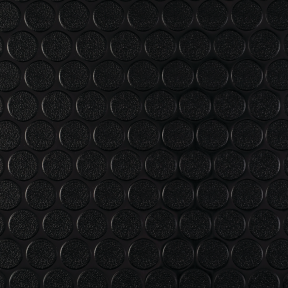
- Marine vinyl flooring is highly durable, water-resistant, and ideal for high-traffic, low-maintenance interior and exterior decks when paired with correct marine adhesives.
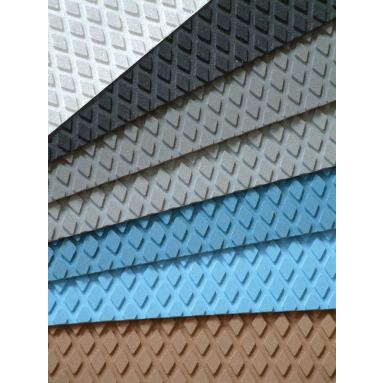
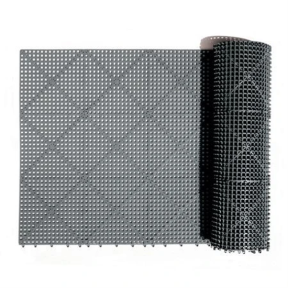
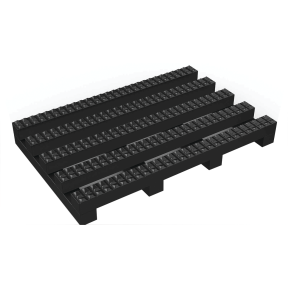
- Treadmaster non-slip decking and premium EVA foam options provide excellent wet traction, slip resistance, and underfoot cushioning for high-use areas.
- King StarBoard is a rigid HDPE building sheet optimized for marine cabinetry, hatch covers, and swim platforms rather than a cushioned floor covering, and must be mechanically fastened.
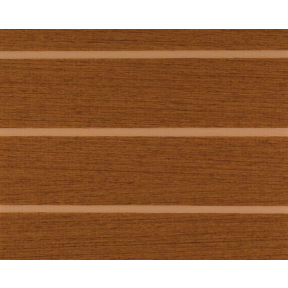
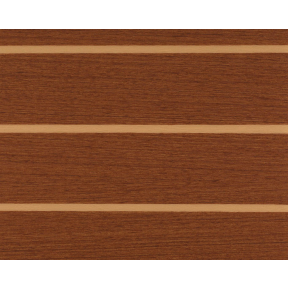
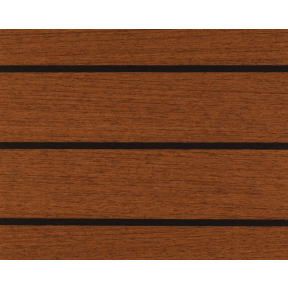
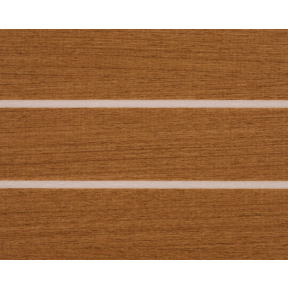
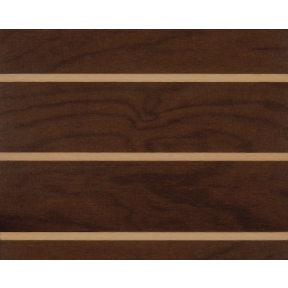
- Teak boat flooring provides a classic appearance with strong natural resistance to rot, demanding meticulous periodic maintenance to retain its longevity in salty or humid environments.
- Key selection factors include budget, intended traffic, exposure to UV radiation, and sub-floor preparation requirements.
Marine Flooring Material Comparison
| Deck/Floor Material | Best Use | Key Benefits | Installation Notes |
|---|---|---|---|
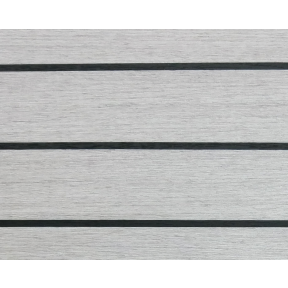
| Marine vinyl flooring | Interior decks, exterior decks, high-traffic boat flooring | Water resistance, stain resistance, easy cleaning, broad design options | Requires compatible marine adhesive and careful sub-floor preparation |
| Treadmaster non-slip decking | Cockpits, steps, sailing decks, wet traffic areas | Aggressive traction, slip resistance, durable textured surface | Requires accurate templating and correct adhesive selection |
| King StarBoard | Hatch covers, backing plates, swim platforms | Rigid HDPE construction, marine-grade utility, rot resistance | Must be mechanically fastened because standard StarBoard does not bond with typical marine glues |
| Teak boat flooring | Traditional decks, cabinetry, trim areas, classic refits | Natural rot resistance, classic appearance, marine heritage | Needs periodic cleaning, re-sealing, and seam care |
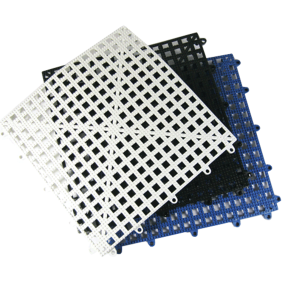
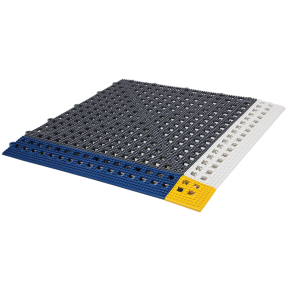
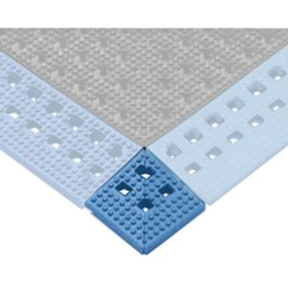
| EVA foam decking | Standing areas, swim platforms, cockpit pads | Cushioning, wet traction, lighter weight, DIY-friendly options | Needs clean surfaces and careful layout before bonding |
How to Choose the Right Boat Flooring
Selecting the correct material depends directly on your boat's configuration and usage profile:- Price Point: Balance upfront material costs against longevity and installation tools or professional labor fees.
- Intended Use & Substrate: High-impact or wet areas demand materials with verified non-skid properties (like Treadmaster or EVA foam), while structural applications require mechanical fasteners and rigid boards (like King StarBoard).
- UV Exposure & Heat Retention: Darker synthetic surfaces absorb significant heat in direct sunlight. Assess the UV stabilizers present in the material to avoid premature chalking, fading, or adhesive failure.
Frequently Asked Questions
What are the main types of marine decking materials and what are their primary benefits?
Marine decking spans traditional natural hardwoods like Teak, engineered nitrile rubber/cork composites (like Treadmaster), marine vinyl sheets (like Lonseal), and closed-cell EVA (ethylene-vinyl acetate) foam. Synthetic and composite options deliver high moisture resistance and low ongoing maintenance, whereas teak provides unmatched classic aesthetics and natural durability when meticulously preserved.
Is marine decking installation a DIY project, or does it require a professional?
Many modern synthetic products, particularly peel-and-stick EVA foam decking kit systems, are highly accessible for DIY installation. However, materials like marine vinyl and rubberized composites require intensive substrate preparation, precise templating, and specialized marine adhesives or contact cements. Complex layouts, custom margins, and traditional teak carpentry typically mandate professional installation to ensure a long-lasting, watertight fit.
How long can I expect different marine decking materials to last?
Lifespan is highly dependent on UV exposure, traffic, and preventative maintenance. Premium-grade teak can endure 15–20 years with rigorous annual upkeep and seam maintenance. High-quality marine vinyl and robust rubber composites typically last 7–12 years, while UV-stabilized EVA foam products generally offer a functional lifespan of 5–8 years before requiring replacement.
What is the easiest way to clean and maintain synthetic boat decking?
Synthetic decking relies on routine maintenance to maximize its service life. Regularly rinsing the deck with clean, fresh water after use is highly recommended to eliminate dried salt crystals and environmental grit. For deeper cleaning, use a mild, pH-neutral marine soap paired with a soft-to-medium bristle brush. Avoid harsh solvent cleaners, high-pressure washers, or overly abrasive scrubbing tools, which can degrade synthetic compounds, lift bonded edges, and void manufacturer warranties.