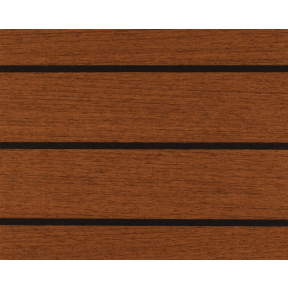
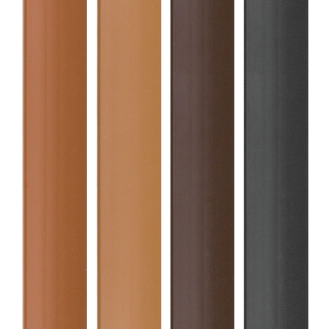
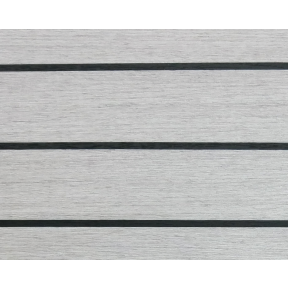
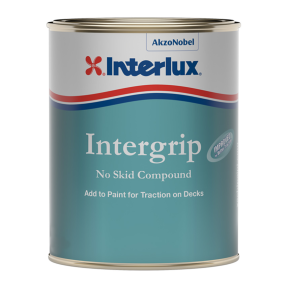
Marine Flooring & Boat Decking Materials at Fisheries Supply
With a wide range of options available, choosing the best material for your marine flooring needs can be overwhelming. Let's explore the various boat flooring options, their benefits, and how to select the perfect marine decking for your boat.
What to Know
- Boat flooring affects both the look of your boat and onboard safety and comfort.
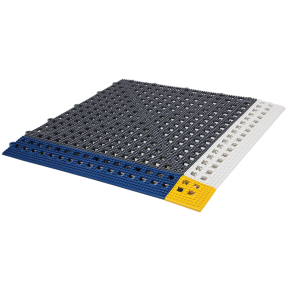
- Marine vinyl flooring is durable, highly water-resistant, and ideal for high-traffic, easy-care surfaces.
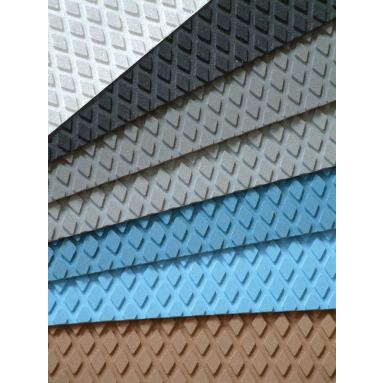
- King StarBoard and Treadmaster non-slip decking offer excellent traction, comfort, and low maintenance for wet, high-use areas.
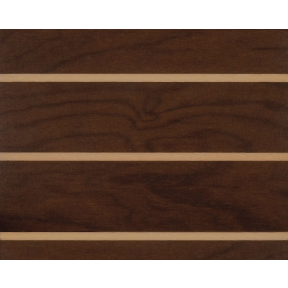
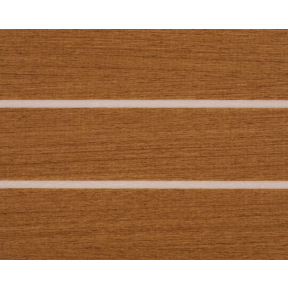
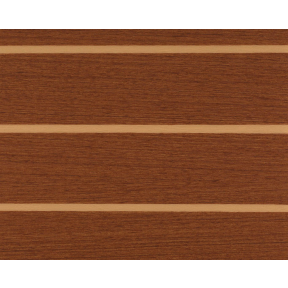
- Teak boat flooring provides a classic appearance with strong resistance to rot, especially in salty or humid environments.
- Key selection factors include budget, how the deck will be used (traffic and slip-resistance needs), and how much direct sunlight the surface receives.
Understanding Boat Flooring Options
Boat flooring is an important aspect of your boat's overall aesthetic and functionality. It enhances the appearance of your boat and provides a safe and comfortable surface for passengers. Several types of marine decking materials are available, each with its unique characteristics and benefits.Marine Vinyl Flooring
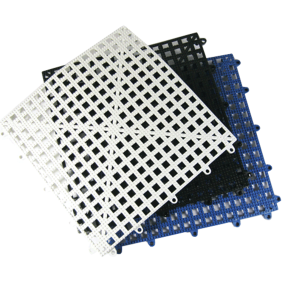
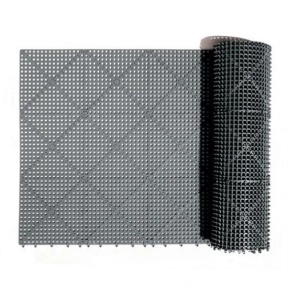
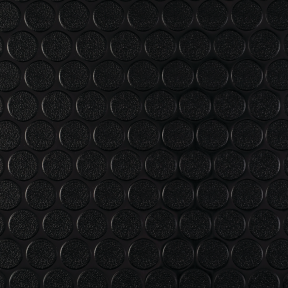
One of the most popular boat flooring options is marine vinyl flooring. This type of flooring is known for its durability, water resistance, and ease of maintenance. Marine vinyl boat deck flooring is ideal for high-traffic areas and can withstand the marine environment and foot traffic.King Starboard and Treadmaster Non-slip Decking
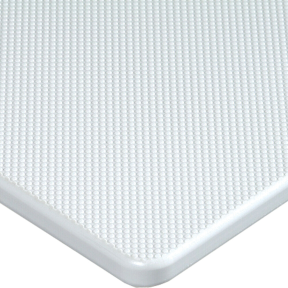
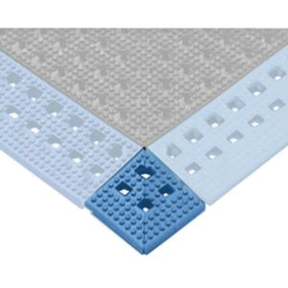
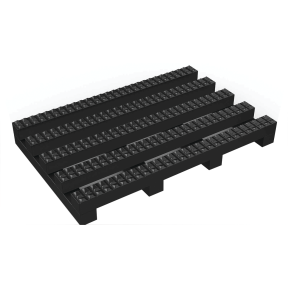
This type of flooring is another popular option, offering excellent anti-slip properties and comfort. It is perfect for boats that are used for sailing, fishing, water sports, or other activities that require a non-slip surface. This boat flooring is known for its durability, low maintenance, and resistance to extreme temperatures.Teak Boat Flooring
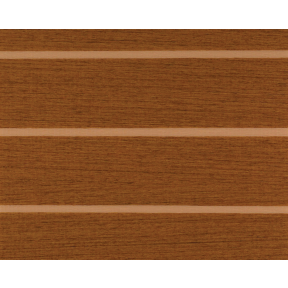
Teak boat flooring is a classic and timeless option with a unique aesthetic appeal. This type of flooring is known for its durability and resistance to rot, making it an excellent choice for boats exposed to salt water or just plain humidity.How to Choose the Right Boat Flooring
Choosing the right boat flooring for your vessel can be a daunting task. Here are some factors to consider when selecting the perfect boat flooring material:- Price Point: The price point of the boat flooring material is an essential factor to consider and it's crucial to choose a material that fits within your budget.
- Use for the Floor: The use of the floor is another critical factor to consider. If the floor will be used for high-traffic areas or for activities that require a non-slip surface, then a specific type of flooring material may be more suitable.
- Amount of Direct Sunlight: The amount of direct sunlight that your boat flooring will receive is also an important factor to consider. Some materials may be more susceptible to fading or damage from direct UV exposure.
Frequently Asked Questions
What are the main types of marine decking materials and what are their primary benefits?
Marine decking includes traditional materials like Teak wood, and modern synthetic options such as EVA (ethylene-vinyl acetate) foam, PVC/Vinyl, and Composites. Synthetic options offer low maintenance and high resistance to UV and moisture, while Teak is chosen for its classic, traditional look and superior natural durability when properly maintained.
Is marine decking installation a DIY project, or does it require a professional?
Many modern synthetic products, particularly EVA foam decking, are designed for DIY installation. They often feature peel-and-stick adhesive backings that allow owners to measure, cut, and apply the product themselves. However, for complex patterns, custom logos, or traditional custom teak work, professional installation is recommended to ensure a precise, long-lasting fit.
How long can I expect different marine decking materials to last?
The lifespan varies significantly by material and the level of maintenance provided. High-quality teak can last 15–20 years with rigorous annual upkeep. Durable synthetic materials like PVC and EVA foam typically last 5–10 years, offering a strong balance of longevity and minimal maintenance requirements.
What is the easiest way to clean and maintain synthetic boat decking?
Synthetic decking is very low-maintenance. Regular rinsing with fresh water is the best practice to remove salt and grime. For deeper cleaning, use a mild soap and a soft brush or sponge. Avoid using harsh chemical cleaners, high-pressure washers, or abrasive tools, as these can damage the surface and void product warranties.