Marine Paint for Metal Surfaces
Marine paint for metal protects boat hulls, running gear, fittings, and other submerged components from water exposure, corrosion, and marine fouling. Fisheries Supply offers underwater metal paint, antifouling coatings, primers, and marine spray paint for boat owners selecting products for freshwater, saltwater, and high-humidity environments.
Marine Metal Paint: Key Takeaways
- Match the coating to the metal, water conditions, fouling pressure, application method, and preferred maintenance interval.
- Prepare the metal surface according to the coating instructions before applying paint.
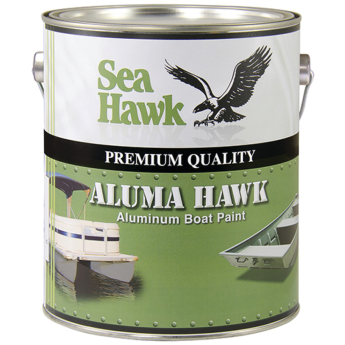
- Use only copper-free antifouling paint on aluminum hulls to avoid galvanic corrosion.
- Choose brush, roller, or spray application based on the product instructions and access to the surface.
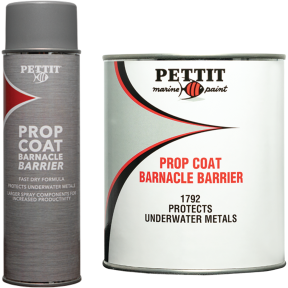
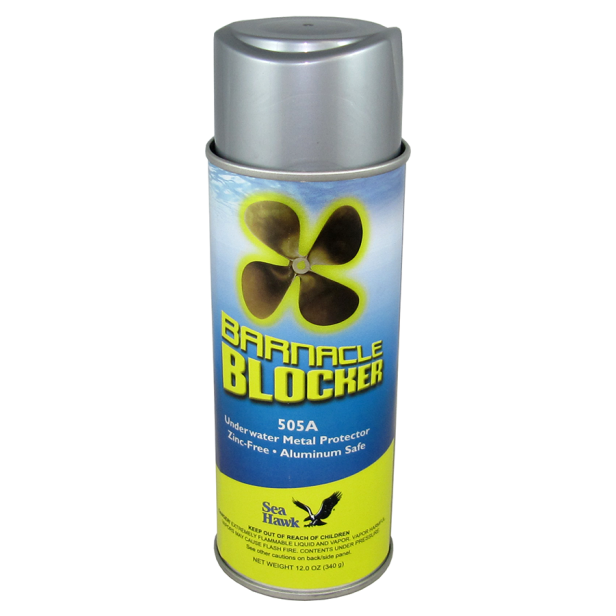
- Use specialized primers and coatings for propellers, running gear, fittings, and transducers.
- Confirm whether the selected paint provides single-season or multi-season protection.
Types of Underwater Marine Paint
How to Choose Marine Paint for Metal
| Selection Factor | What to Check | Why It Matters |
|---|---|---|
| Metal compatibility | Confirm that the paint is approved for aluminum, steel, or the specified metal surface. | An incompatible coating may provide inadequate protection or contribute to corrosion. |
| Water conditions | Identify freshwater or saltwater use, water temperature, and local fouling pressure. | Antifouling performance varies with the operating environment. |
| Application method | Check whether the coating supports brush, roller, or spray application. | The correct method supports consistent coverage, including on confined components. |
| Maintenance interval | Compare single-season and multi-season coating systems. | The service interval affects haul-out planning and repainting frequency. |
| Surface preparation | Follow the current product instructions for cleaning, priming, and recoating. | Proper preparation supports coating adhesion and long-term performance. |
Marine Paint and Coating Options
| Coating Type | Application | Primary Function |
|---|---|---|
| Waterproof boat paint | Compatible metal surfaces | Protects against water exposure and corrosion. |
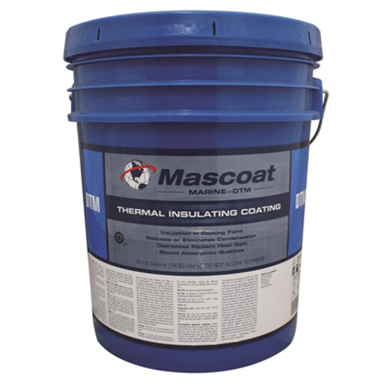
| Underwater coatings | Submerged hull areas and metal components | Provides protective coverage below the waterline. |
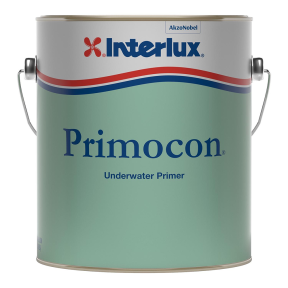
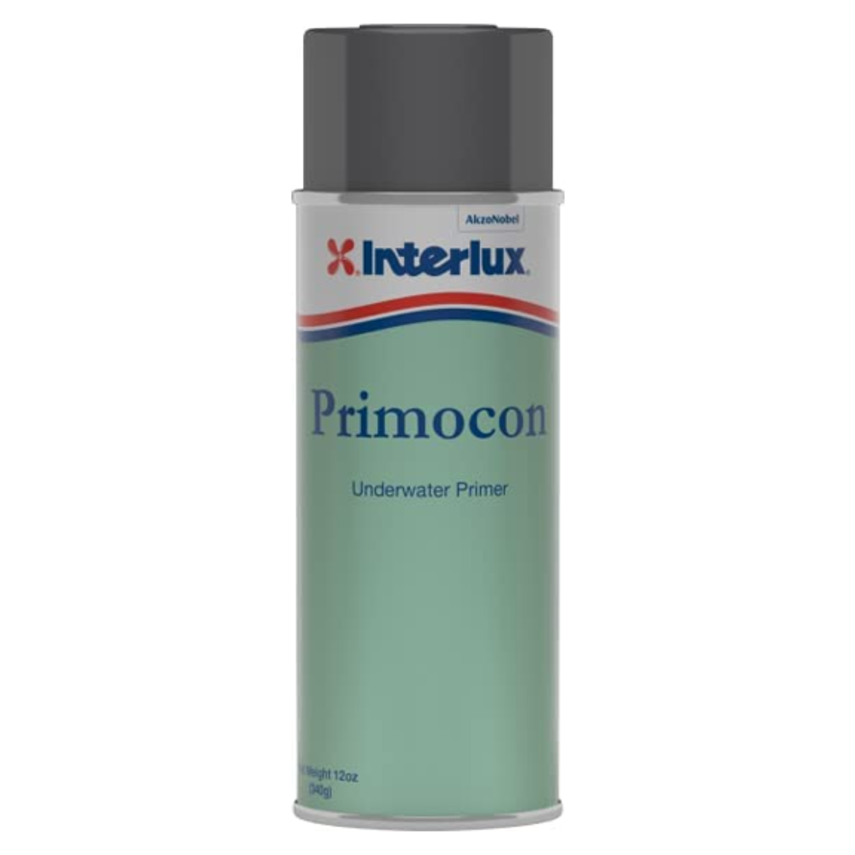
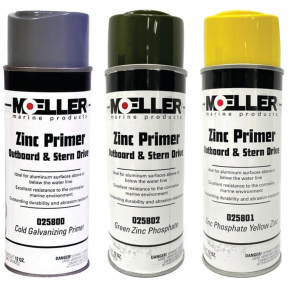
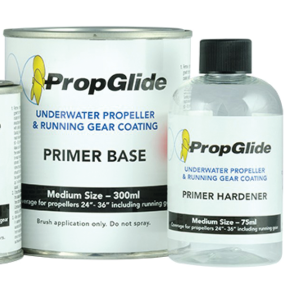
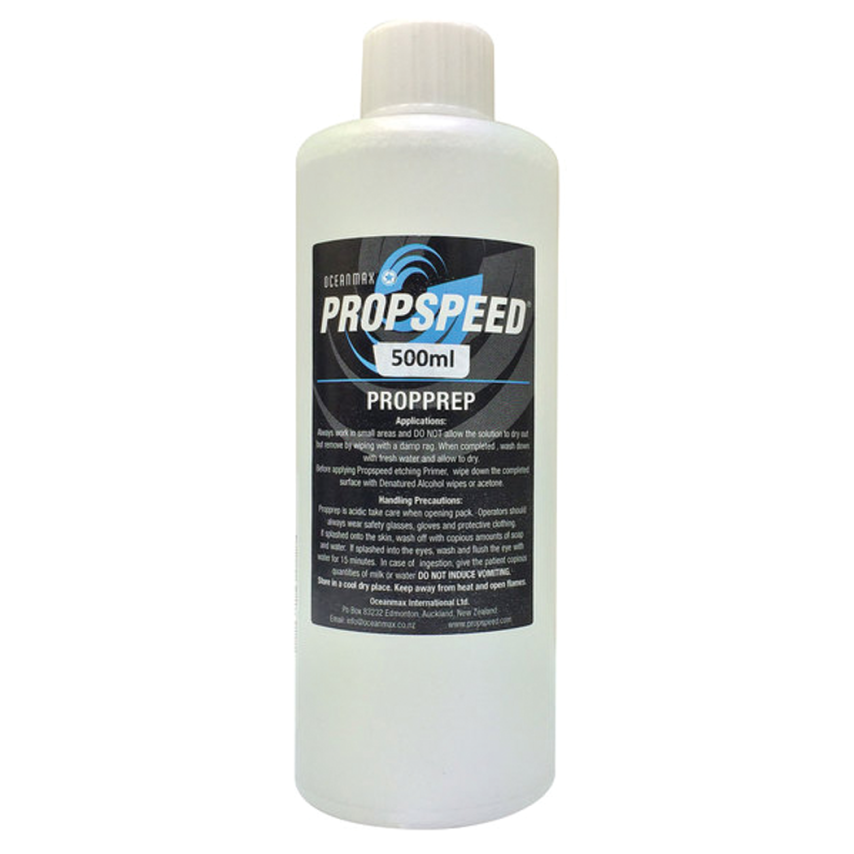
| Underwater metal primer | Compatible metal substrates | Prepares the surface for the selected marine coating system. |
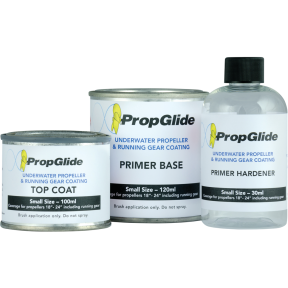
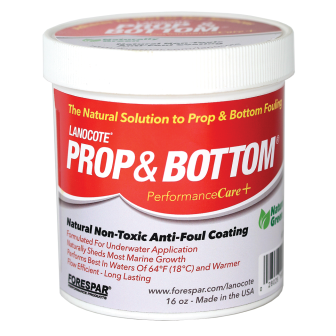
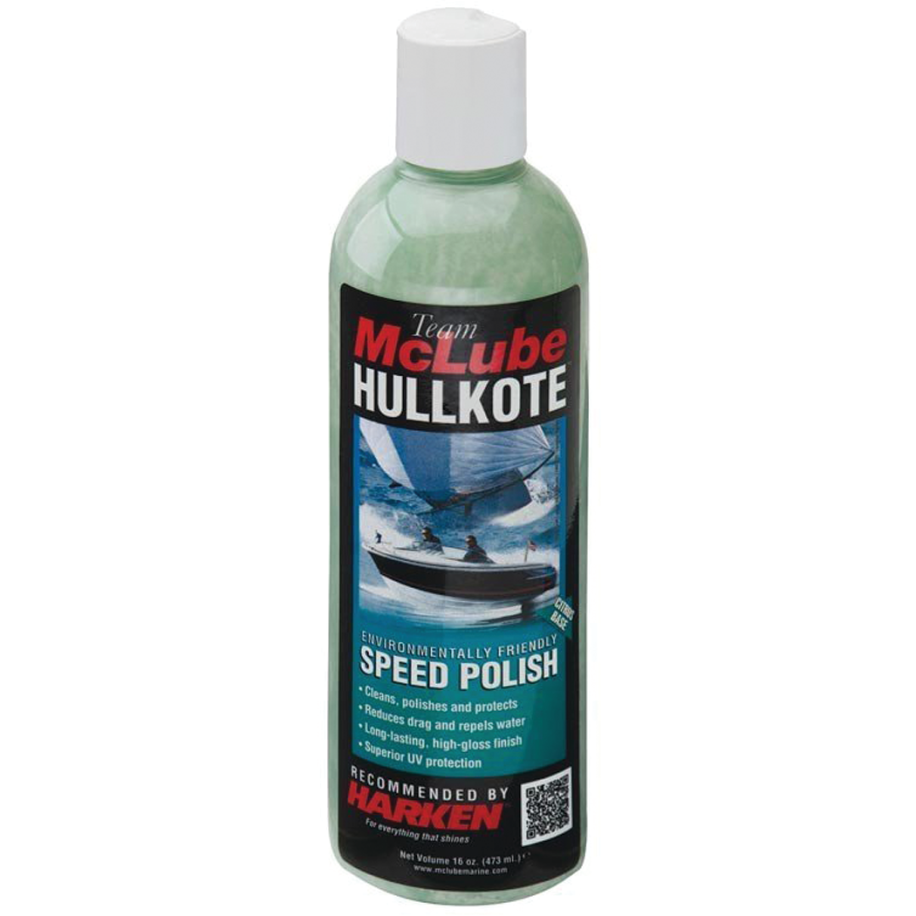
| Foul-release coating | Propellers, running gear, and underwater fittings | Creates a surface designed to reduce fouling adhesion. |
| Boat barrier paints | Compatible hull-protection systems | Provides a protective barrier between the hull substrate and the marine environment. |
| Paint Type | Recommended Use | Selection Requirement |
|---|---|---|
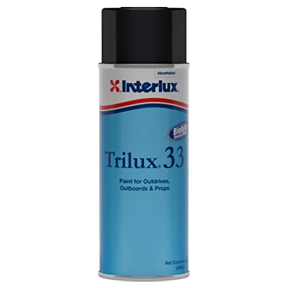
| Marine spray paint | Confined or difficult-to-reach areas | Confirm that spray application is permitted by the product instructions. |
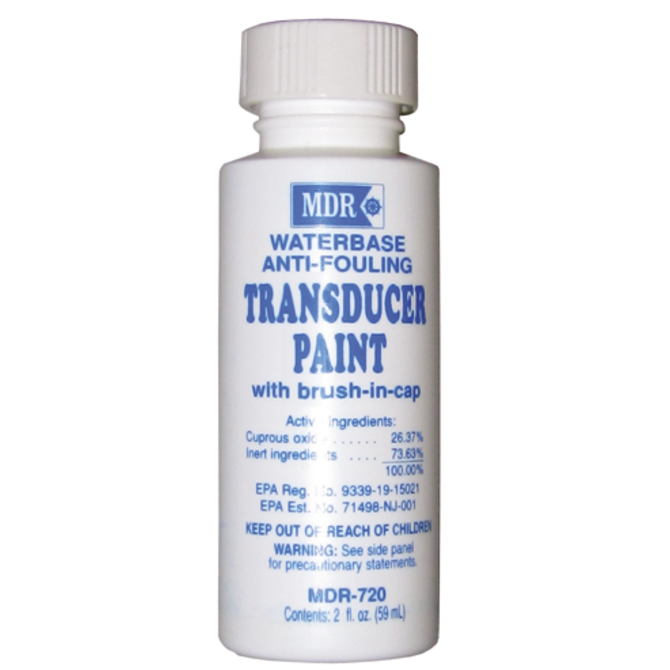
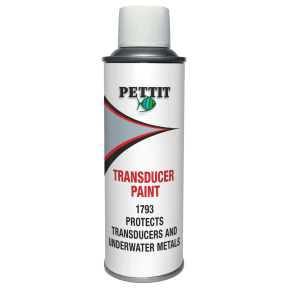
| Transducer spray paint | Compatible sensitive equipment | Verify equipment and substrate compatibility before application. |
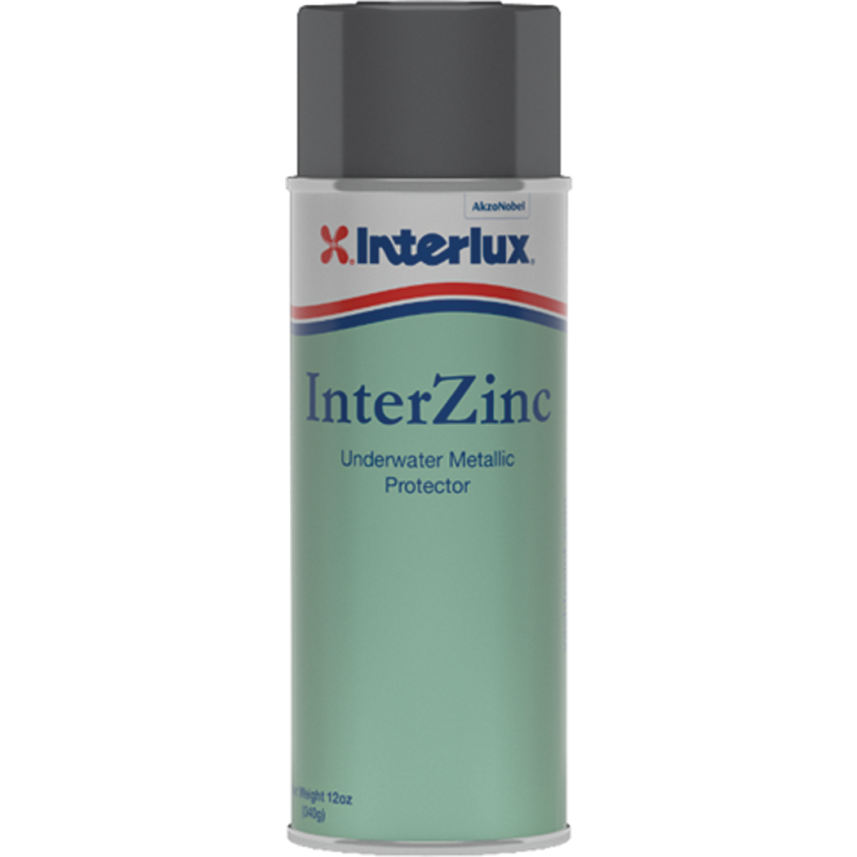
| Metallic boat paint | Approved marine surfaces requiring a metallic appearance | Select an available color approved for the intended surface and environment. |
Confirm substrate compatibility and follow the coating manufacturer's current preparation, application, and recoat instructions.
Application and Maintenance Guidance
- Identify the metal substrate and confirm coating compatibility.
- Evaluate freshwater or saltwater exposure, temperature, and fouling pressure.
- Prepare and prime the surface according to the current product instructions.
- Apply the specified number of coats by brush, roller, or spray as directed.
- Observe the stated drying, recoating, and launch intervals.
- Inspect the coating periodically and reapply it at the recommended service interval.
Frequently Asked Questions
What is the difference between antifouling paint and ablative paint?
Antifouling paint is the broader category of coatings designed to limit marine organism growth on underwater hull surfaces. Ablative paint is a type of antifouling coating that gradually wears away as the boat moves, exposing a fresh active layer and reducing the buildup of fouling over time.
Can underwater paint be used on an aluminum boat hull?
Underwater paint can be used on aluminum only when the product label identifies aluminum as a compatible substrate. Aluminum hulls require copper-free antifouling paint because incompatible copper-based coatings can create a galvanic corrosion risk. Confirm the hull material, primer requirements, and coating compatibility before application.
How do I choose marine paint for submerged metal surfaces?
Choose marine paint by matching the coating to the metal substrate, freshwater or saltwater exposure, water temperature, fouling pressure, and desired maintenance interval. Also confirm whether the product supports brush, roller, or spray application and whether a compatible underwater metal primer is required.
What coatings can protect propellers and underwater running gear?
Propellers, running gear, and underwater metal fittings may use foul-release coatings, underwater metal primers, or other products approved for those components. Transducers may require compatible transducer spray paint. Review the current product label because substrate preparation and coating compatibility differ among metals and equipment types.
How often should underwater boat paint be reapplied?
Reapplication frequency depends on the paint formula, boating activity, water conditions, and local fouling pressure. Some underwater paints are intended for a single season, while higher-performance systems may provide multi-season protection. Inspect the coating regularly and follow the manufacturer's current maintenance and recoat guidance.
Should marine paint for metal be brushed, rolled, or sprayed?
Use the application method specified by the paint manufacturer. Brush and roller application can provide practical coverage on accessible metal surfaces, while marine spray paint may suit confined areas or complex components. Surface preparation, primer compatibility, coat thickness, drying time, and recoat timing remain product-specific requirements.