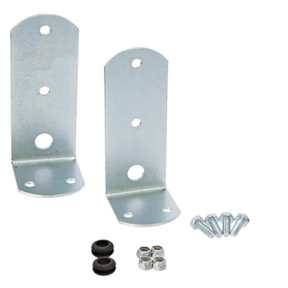
Boat Trailer Rollers and Guides
Boat trailer rollers, roller guides, and bunks support safer boat launching, retrieval, and transport. These trailer components help recreational boaters align the hull, reduce loading effort, and maintain stable hull support on bunk trailers, roller trailers, and keel-roller systems. This equipment is particularly useful for solo boaters and for ramps affected by wind or current.
Boat Trailer Roller and Guide Key Takeaways
Boat Trailer Rollers, Guides, and Bunks
| Trailer Component | Primary Function | Type or Configuration | Selection Consideration |
|---|---|---|---|
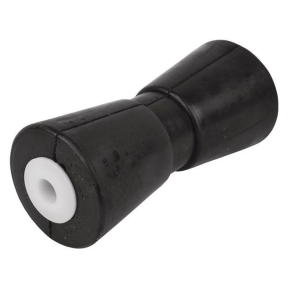
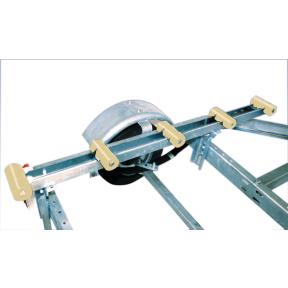
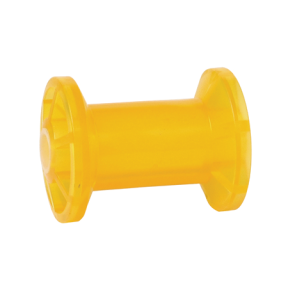
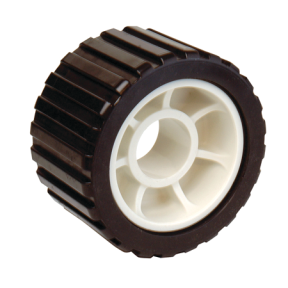
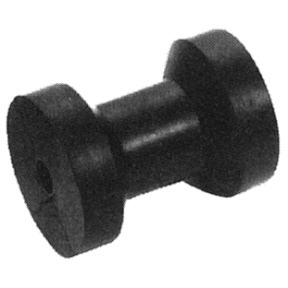
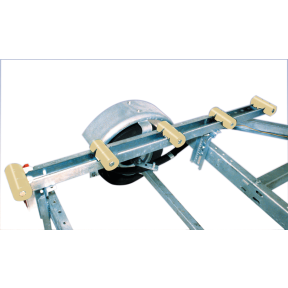
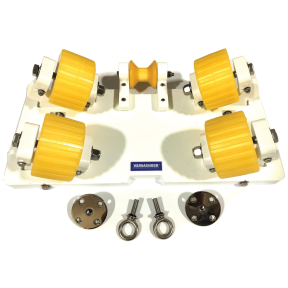
| Boat trailer rollers | Support and guide the hull as the boat moves onto or off the trailer. | Keel, spool, wobble, multi-roller wobble, and fixed dual-arm systems | Match the roller type and contact point to the hull shape and trailer setup. |
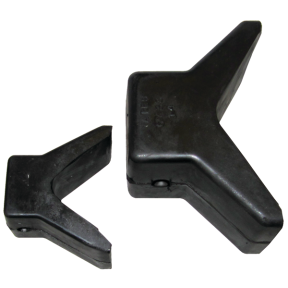
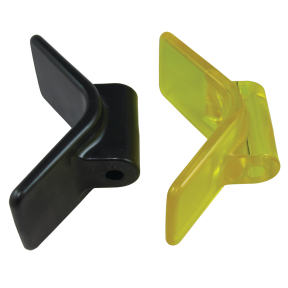
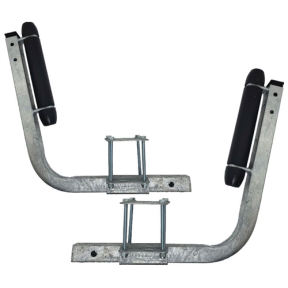
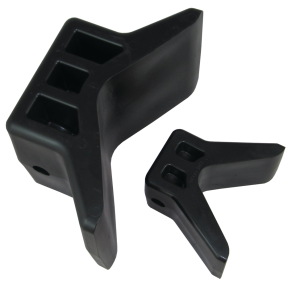
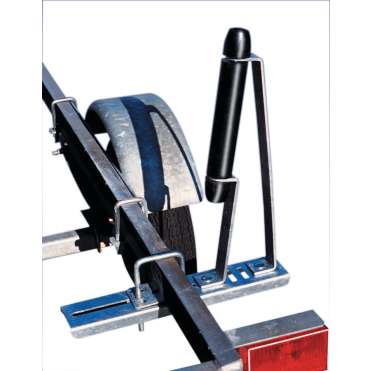
| Boat trailer roller guides | Center the boat and control side-to-side movement during retrieval. | Adjustable or fixed roller guides | Set guide rollers near rub-rail height and account for wind or current at the ramp. |
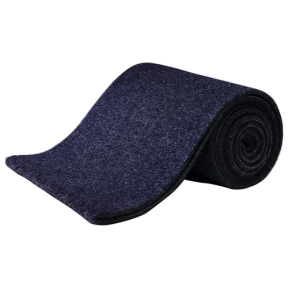
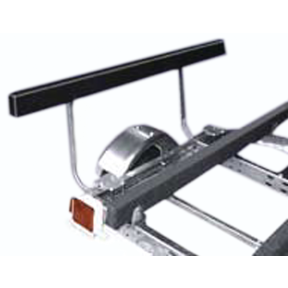
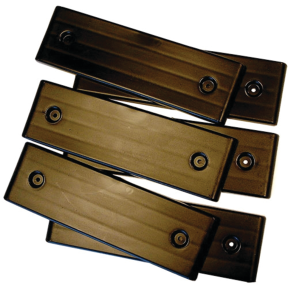
| Boat trailer bunks | Provide a stable platform beneath the loaded hull. | Bunk supports and bunk guide-ons | Confirm that the bunk position supports the hull at suitable contact points. |
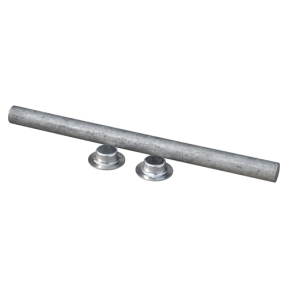
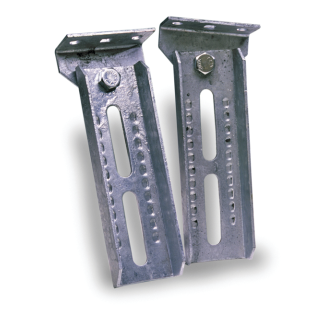
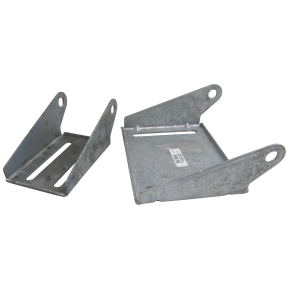
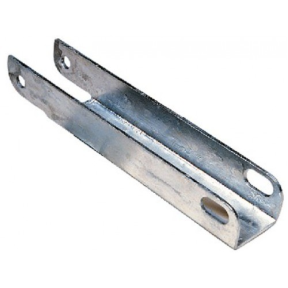
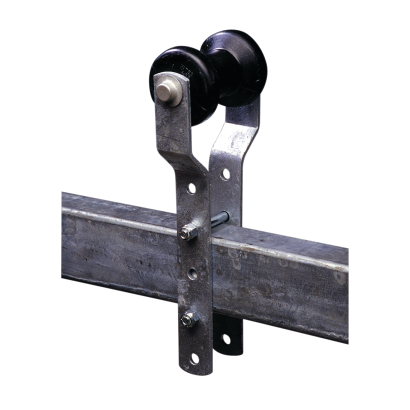
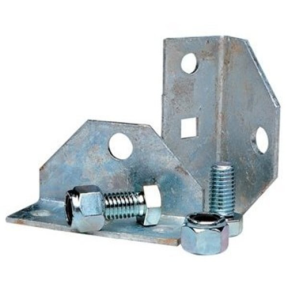
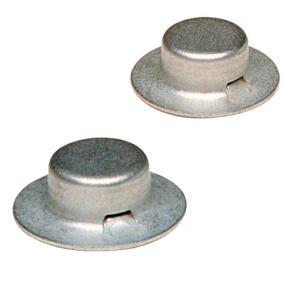
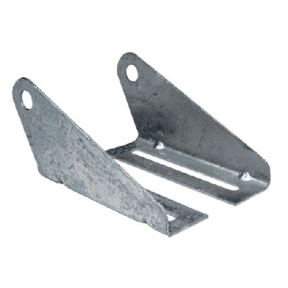
| Roller brackets and shafts | Mount and retain rollers on the trailer frame. | Galvanized steel hardware | Check mounting compatibility and inspect the hardware for wear or corrosion. |
Roller Materials and Trailer Hardware
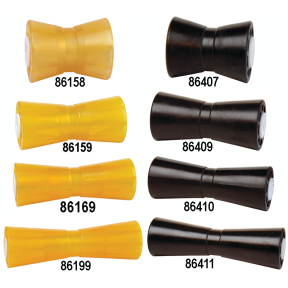
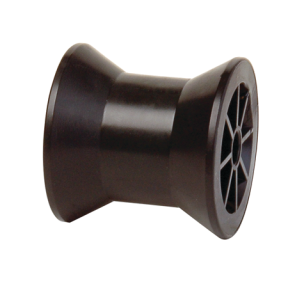
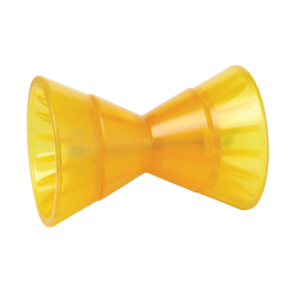
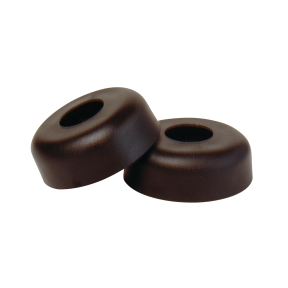
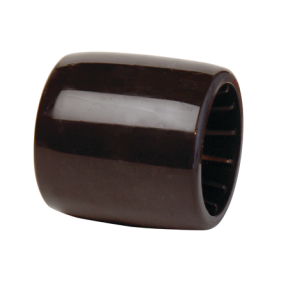
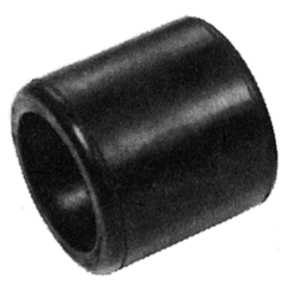
Boat trailer rollers commonly use synthetic polymers or rubber, while brackets and shafts commonly use galvanized steel. Material choice affects roller firmness, hull contact, resistance, and service life.
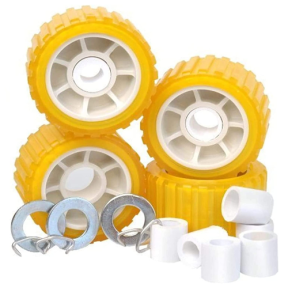
- Synthetic rollers: Provide a durable rolling surface for guiding the hull.
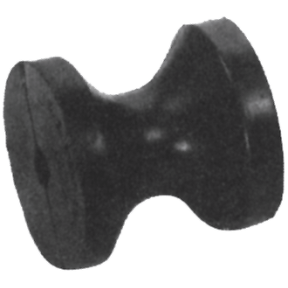
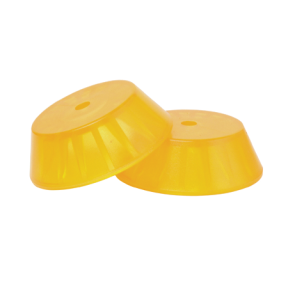
- Rubber rollers: Provide cushioned contact at supported hull or keel locations.
- Galvanized steel brackets: Connect rollers and guide assemblies to the trailer structure.
- Roller shafts: Allow compatible rollers to rotate during loading and unloading.
How to Choose Boat Trailer Rollers and Guides
- Identify the trailer type: Determine whether the boat uses a bunk trailer, roller trailer, or keel-roller system.
- Review the hull shape: Select keel rollers for the central load-bearing line and hull rollers for supported contact along the hull sides.
- Check mounting compatibility: Match the roller, bracket, shaft, and guide assembly to the existing trailer hardware.
- Choose fixed or adjustable guides: Adjustable boat trailer guides support alignment changes; fixed guides retain a set position.
- Consider ramp conditions: Roller guide-ons can improve control when wind or current pushes the boat off center.
Roller Guide-Ons vs. Bunk Guide-Ons
| Guide-On Type | Hull Contact | Primary Benefit | Selection Factor |
|---|---|---|---|
| Roller guide-ons | Rotating rollers | Reduce resistance and help direct the hull during loading. | Useful when easier movement or added alignment control is required. |
| Bunk guide-ons | Carpeted boards | Provide continuous support after the hull reaches the correct position. | Useful when broad, stable contact along the hull is preferred. |
Boat Trailer Roller Inspection and Maintenance
- Inspect synthetic and rubber rollers for cracks, deformation, flat spots, and restricted rotation.
- Check galvanized brackets, mounting points, and shafts for corrosion, looseness, or wear.
- Confirm that adjustable roller guides remain aligned with the hull and positioned near rub-rail height.
- Replace worn components before they interfere with loading, unloading, or hull support.
- Review straps and tie downs separately because rollers and guides position the boat but do not replace transport restraints.
Frequently Asked Questions
What do boat trailer rollers, guides, and bunks do?
Boat trailer rollers, guides, and bunks position and support a boat during launching, retrieval, and transport. Rollers reduce resistance as the hull moves, guides control side-to-side alignment, and bunks provide a stable resting surface. Together, these components reduce loading effort and unwanted contact between the hull and trailer.
What is the difference between a keel roller and a hull roller?
A keel roller supports the boat's central, load-bearing keel as the hull moves onto the trailer. Hull rollers, including spool and wobble rollers, contact supported areas along the hull sides. The correct arrangement depends on the hull shape, trailer design, roller placement, and intended support points.
Should I choose roller guide-ons or bunk guide-ons?
Choose roller guide-ons when rotating contact and easier hull movement are priorities. Choose bunk guide-ons when broad, stable support from carpeted boards is preferred. Boat weight, hull shape, trailer configuration, ramp angle, wind, and current can affect which guide-on design provides better loading control.
How high should boat trailer guide rollers be positioned?
Boat trailer guide rollers should be positioned near the boat's rub-rail height so they contact a suitable area and direct the hull toward the trailer centerline. Because roller guides may be less visible than tall guide posts while reversing down a ramp, verify their position before loading the boat.
What materials are used for boat trailer rollers and hardware?
Boat trailer rollers commonly use synthetic polymers or rubber, while brackets and roller shafts commonly use galvanized steel. Synthetic and rubber materials provide the hull-contact surface, and galvanized hardware supports the roller assembly. Material compatibility, roller condition, mounting design, and hull contact should guide replacement decisions.
When should boat trailer rollers be replaced?
Replace boat trailer rollers when inspection reveals cracks, flattened surfaces, excessive wear, deformation, or restricted rotation. Damaged rollers can make launching and retrieval more difficult and may create unwanted hull contact. Inspect rollers, shafts, brackets, and mounting points regularly, especially before periods of frequent trailer use.