Boat Trailer Wheel Bearings, Hubs and Bearing Kits
Boat trailer wheel bearings support axle loads and allow each hub to rotate with minimal friction. Boat owners and trailer operators can use this guide to select compatible bearings, hub kits, seals, marine grease and bearing protectors for dependable towing and repeated water immersion.
What Boat Trailer Wheel Bearings Do
Wheel bearings contain cups and cones positioned between the trailer hub and axle spindle. These components carry the trailer load while permitting controlled hub rotation. Correct lubrication and bearing preload limit friction, heat and premature wear.
Fisheries Supply carries replacement boat trailer wheel bearings and complete hub kits for marine trailer maintenance and repair.
Why Boat Trailer Bearing Maintenance Matters
Launching and retrieving a boat repeatedly exposes trailer hubs to water, grit and contaminants. Water can enter through worn seals or pressure changes inside a warm hub, degrading grease and corroding bearing surfaces. A neglected bearing can overheat, seize or contribute to wheel loss while towing.
Recommended Inspection and Service Practices- Inspect regularly: Check wheel play, bearing surfaces, grease condition and seals. Replace bearings that are pitted, rusted or discolored.
- Use marine-grade grease: Repack bearings with a compatible high-quality marine grease and avoid mixing incompatible grease bases.
- Adjust bearing preload: Follow the axle, hub or bearing manufacturer's procedure to avoid excessive looseness or overtightening.
- Check before towing: Confirm lug-nut torque, normal hub temperature and the absence of wheel wobble or unusual noise.
- Inspect after submersion: Look for water-contaminated grease and seal leakage after frequent launching or extended immersion.
Signs of Boat Trailer Wheel Bearing Trouble
- Grinding, rumbling or squealing: Unusual sounds while towing or spinning a lifted wheel can indicate damaged or poorly lubricated bearings.
- Wheel vibration or wobble: Noticeable trailer shake or excessive wheel play may indicate incorrect adjustment or bearing wear.
- Excessive hub heat: A hub that becomes unusually hot after a short drive may have inadequate lubrication, excessive preload or internal damage.
- Grease leakage: Grease on the wheel, trailer frame or hull can indicate a failed seal or an overfilled bearing protector.
How to Select Boat Trailer Bearings, Hubs and Kits
Identify the existing bearing and hub specifications before purchasing replacement parts. Stamped bearing numbers provide the clearest match. When those numbers cannot be read, measure the spindle and seal surfaces accurately with calipers and compare the measurements with manufacturer fitment information.
| Selection factor | What to verify | Why it matters |
|---|---|---|
| Inner and outer bearings | Stamped bearing numbers or measured spindle diameters | Confirms that both bearings fit the spindle and corresponding hub races. |
| Grease seal | Seal identification number and inside and outside dimensions | Helps prevent grease loss and water or contaminant entry. |
| Spindle type | Spindle profile, bearing surfaces and manufacturer information | Determines bearing, seal, washer and retaining-hardware compatibility. |
| Hub assembly | Hub part number, bearing races and axle fitment | Confirms that the replacement hub matches the trailer axle assembly. |
| Lubricant | Marine-grade grease type and compatibility with existing grease | Provides lubrication while resisting water exposure and corrosion. |
Boat Trailer Bearing Products and Replacement Parts
| Product Category | Products | Purpose and Selection |
|---|---|---|
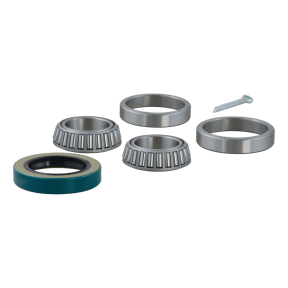
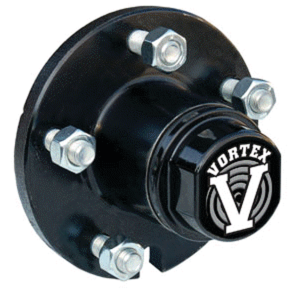
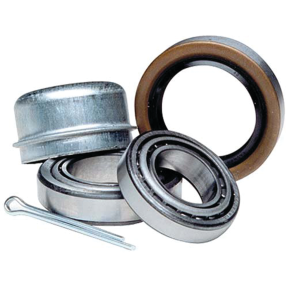
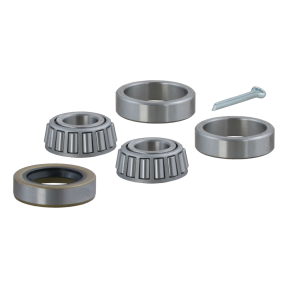
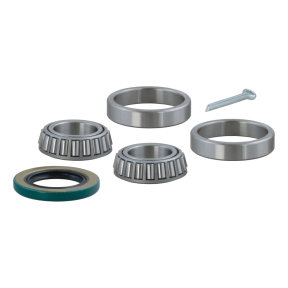
| Complete Trailer Hub Kits | Trailer hub kits with bearings | Combine hubs, races, bearings and seals for compatible axle applications. A complete kit can simplify replacement when several hub components are worn or damaged. |
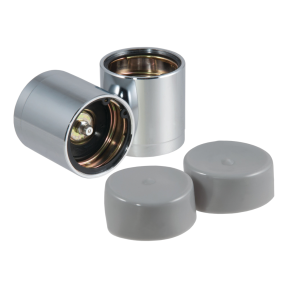
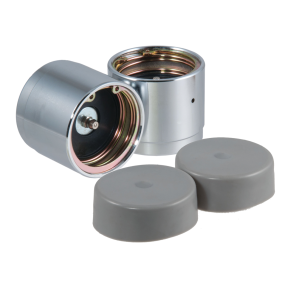
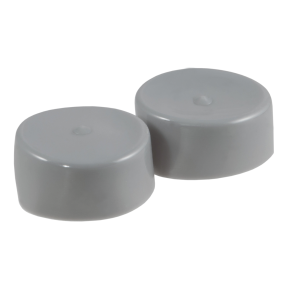
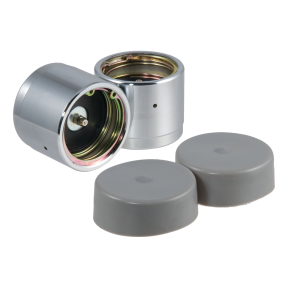
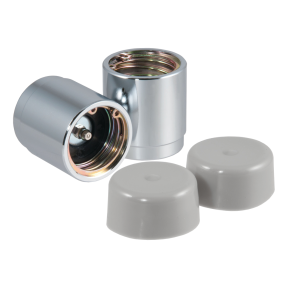
| Wheel Bearing Protectors | Wheel bearing protectors, including Bearing Buddy-style devices | Use spring pressure to help reduce water entry. Bearing protectors supplement regular seal inspection and bearing service; they do not replace those tasks. |
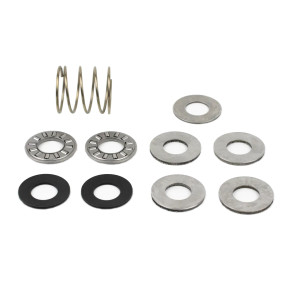
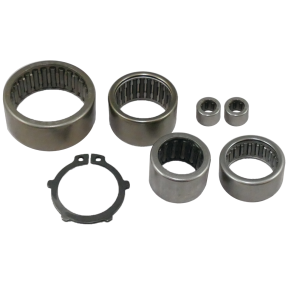
| Replacement Bearings and Components | Tapered roller bearings and replacement components | Include parts such as hubs and springs for compatible trailer assemblies. |
| Boat Trailer Bearing Brands | CURT Manufacturing | Confirm axle, spindle, bearing and seal compatibility before selecting a manufacturer or replacement kit. |
Frequently Asked Questions
How often should boat trailer wheel bearings be repacked?
Boat trailer wheel bearings should receive a full inspection and service at least every 12 months or approximately 3,000-6,000 miles. Service them sooner after frequent water immersion, extended high-speed towing, grease leakage or abnormal hub heat. The trailer and component manufacturers' maintenance schedules should guide the final interval.
Do wheel bearing protectors eliminate the need to repack trailer bearings?
No. Spring-loaded wheel bearing protectors help maintain pressure inside the hub and reduce water intrusion, but they do not replace bearing inspection, seal replacement or grease service. Check the seals and bearing condition at scheduled intervals, even when a Bearing Buddy-style protector remains filled with grease.
What grease should I use for boat trailer wheel bearings?
Use a high-quality marine-grade wheel bearing grease that is compatible with the trailer bearing application and any grease already inside the hub. Avoid combining incompatible grease chemistries unless the product manufacturers confirm compatibility. Mixing grease bases can reduce lubrication performance and compromise protection against water and corrosion.
How can I tell if a boat trailer wheel bearing is failing?
Common wheel bearing failure signs include grinding or squealing, excessive wheel play, trailer vibration, leaking grease and unusual hub heat. Stop and inspect the hub if these symptoms appear. Pitted, rusted, discolored or poorly lubricated bearings should be replaced before the trailer returns to service.
How do I find the correct replacement bearing size for my boat trailer?
Start with the identification numbers stamped on the inner bearing, outer bearing and grease seal. If the markings are unreadable, measure the spindle and seal surfaces with calipers. Compare those measurements, the hub part number and the spindle type with the replacement manufacturer's fitment information.
What should I check before towing a boat trailer?
Before towing, check for wheel play, grease leakage, damaged seals, unusual bearing noise and correct lug-nut torque. After a short drive, inspect the hub temperature and investigate any hub that becomes excessively hot. Include the bearings, tires, wheels and hub assemblies in every pre-trip inspection.