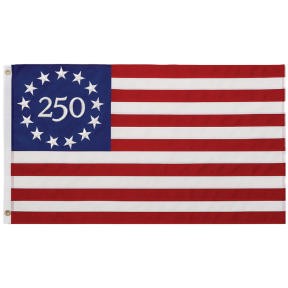

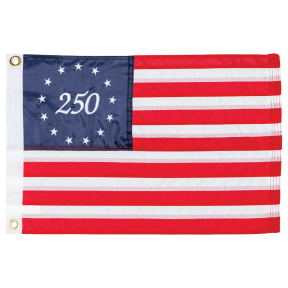




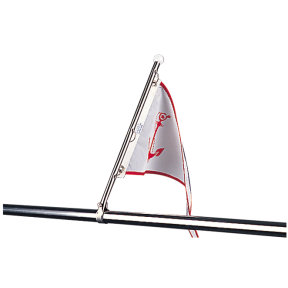
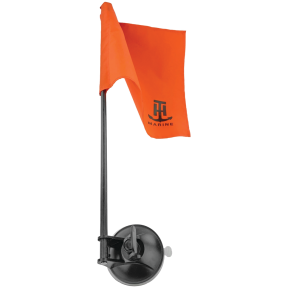
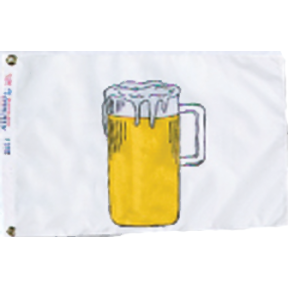
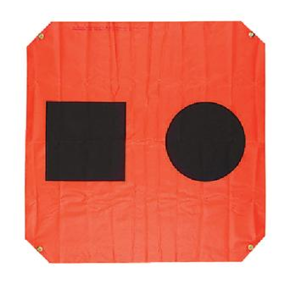
Boat Flags, Poles & Holders from Fisheries Supply
Boat flags, marine flag poles, and flag holders help recreational boaters, commercial operators, yacht clubs, and cruising sailors display nationality, club affiliation, courtesy flags, and nautical signal flags. This category helps boat owners choose boat flags, flag poles, and mounting hardware for stern, rail, stanchion, deck, and mast-area installations. Always confirm flag dimensions, pole diameter, rail size, mount angle, and material details on the individual product page before purchase or installation.
Boat Flags for Recreational and Commercial Boats
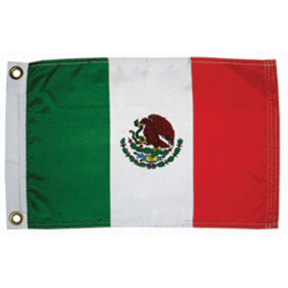
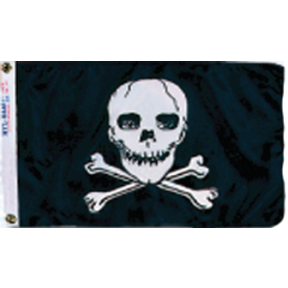
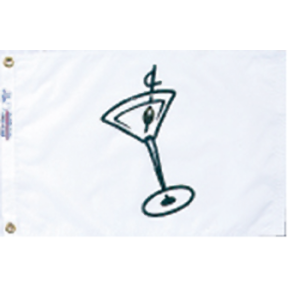
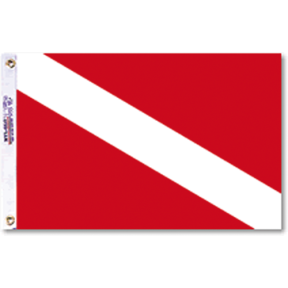
Fisheries Supply offers boat flags, marine flag poles, and mounting hardware for boaters who want to display colors clearly and follow common nautical flag etiquette. The selection may include ensign flags, burgees, courtesy flags, and nautical signal flags in sizes suited to cruisers, sailboats, powerboats, dockside displays, and commercial workboats.
Boat flag materials and construction vary by manufacturer and product. Common marine flag features may include nylon or polyester fabric, fade-resistant color treatment, reinforced stitching, heading material, brass grommets, clips, or other attachment hardware. Check the individual product specifications for exact fabric, dimensions, attachment style, and care guidance.
Boat Flags for Common Marine Uses
Choosing the right flag for each position on a boat helps other mariners identify nationality, club affiliation, cruising location, or signal intent. The table below summarizes common boat flag types and typical display locations. Local regulations, club practices, racing rules, and national customs may affect proper use.
| Flag Type | Primary Use | Typical Placement |
|---|---|---|
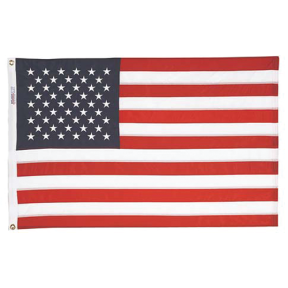
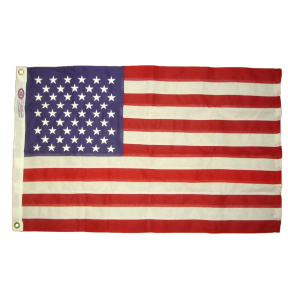
| National ensign flags | Show boat nationality and identify the boat’s country. | Commonly flown from the stern or another accepted ensign position for the boat type. |
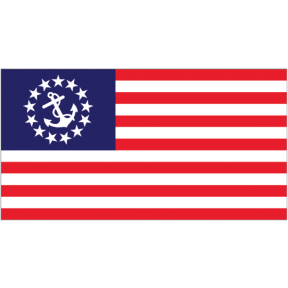
| Burgee flags | Represent a yacht club, marina, or boating organization. | Often flown from a masthead, bow staff, starboard spreader, or another position accepted by the club or boat practice. |
| Courtesy flags | Show respect when visiting or operating in foreign waters. | Commonly flown from a starboard spreader or another accepted courtesy flag position, depending on the boat and local custom. |
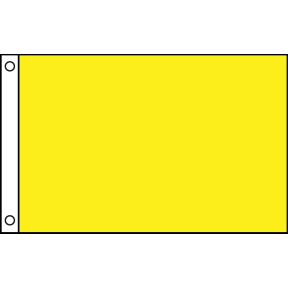
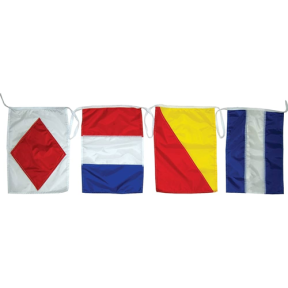
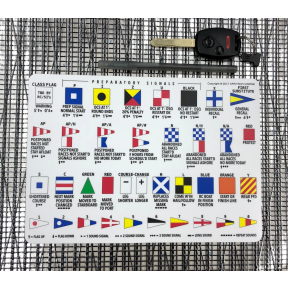
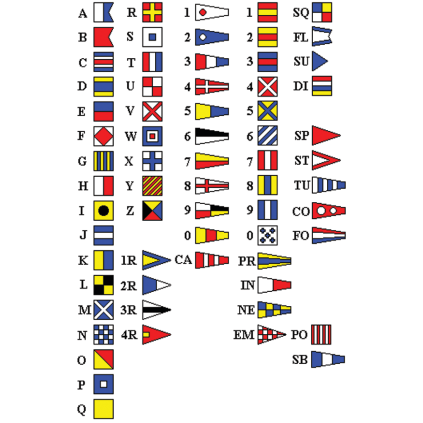
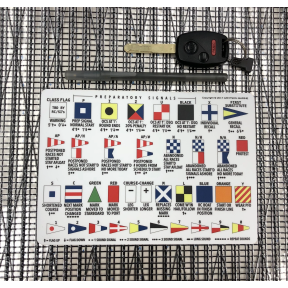
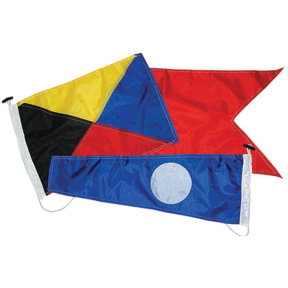
| Nautical signal flags | Communicate letters, numbers, safety messages, race signals, or emergency-related meanings. | Signal halyard, mast, or another location visible to nearby boats. |
Brand Highlights
- Annin flags: American flags, burgees, and marine flags from a long-established flag manufacturer. Review each product listing for exact size, fabric, grommet construction, and country-of-origin details.
- Taylor Made flags: Boat flags, flag poles, and accessories available in multiple sizes, designs, and materials for powerboats, sailboats, and dockside display. Confirm material and fitment details by SKU.
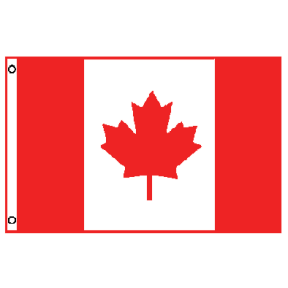
- Courtesy flags: Country, regional, and territorial flags used to reflect cruising grounds and local flag customs. Proper courtesy flag use can vary by country, boat type, and local practice.
Boat Flag Poles and Mounting Hardware
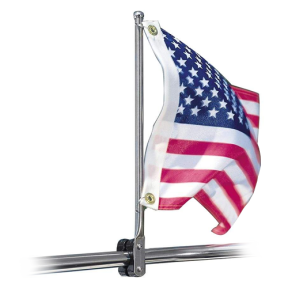
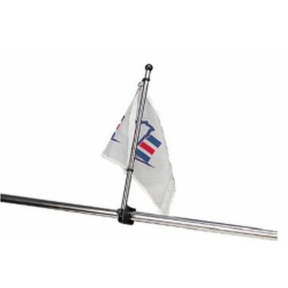
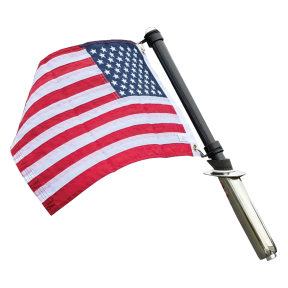
A secure boat flag display depends on the right combination of marine flag pole, mount, fasteners, and installation location. Pole material, mounting surface, pole diameter, rail shape, rail size, mounting angle, and flag location all affect fit and stability. Use manufacturer instructions and product specifications before drilling, clamping, or through-bolting hardware.
| Component | Options | Best Use |
|---|---|---|
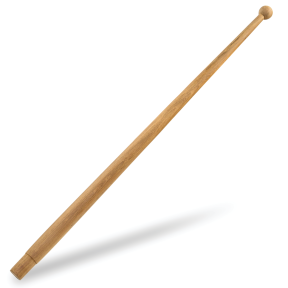
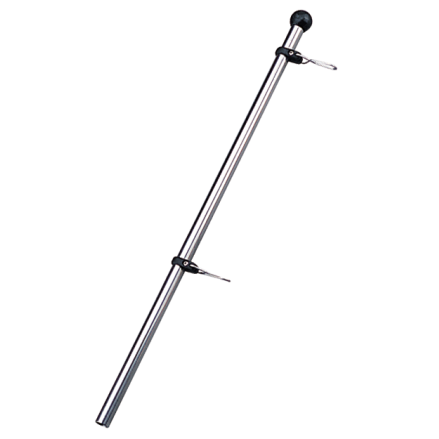
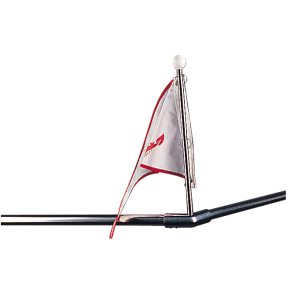
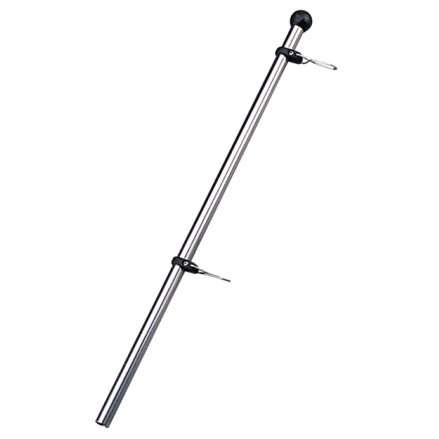
| Marine flag poles | Telescoping, fixed-length, stanchion-mounted, and rail-mounted poles. | Displaying ensigns, burgees, and courtesy flags from an appropriate stern, rail, mast-area, or deck location. |
| Pole materials | Materials may include stainless steel, aluminum, fiberglass, wood, or other manufacturer-specified materials. | Balancing strength, corrosion resistance, weight, appearance, and maintenance needs. |
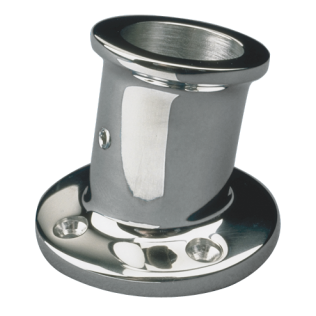
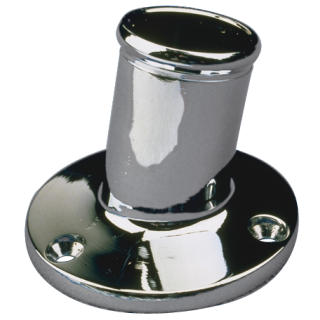
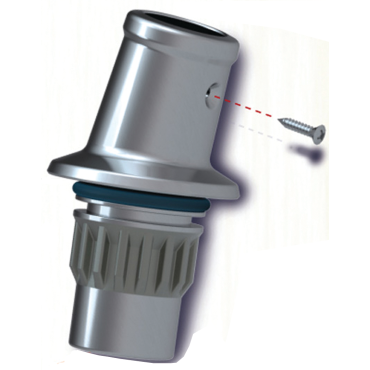
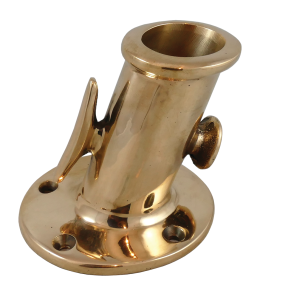
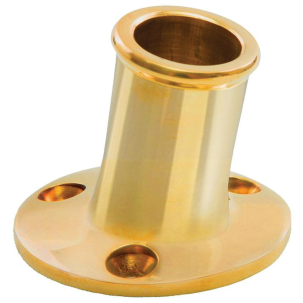
| Boat flag mounts | Rail mounts, deck shoes, transom mounts, stern staff mounts, and other product-specific mounting styles. | Attaching a flag pole to a compatible rail, deck surface, transom, or stern position. Confirm rail diameter, rail shape, pole diameter, mount angle, and fastener requirements before installation. |
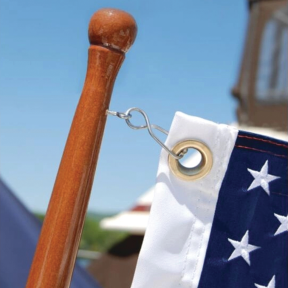
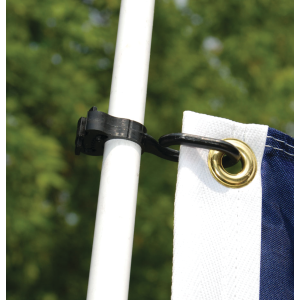
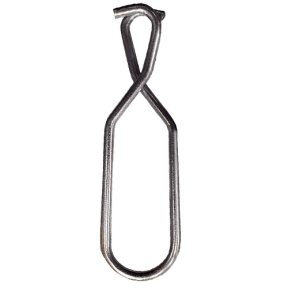
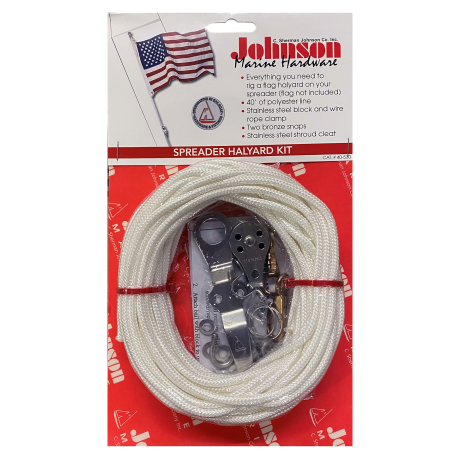
| Flag pole accessories | Halyards, snaps, clips, end caps, finials, rings, and other product-specific hardware. | Hoisting, lowering, swapping, securing, and finishing a mounted boat flag setup. |
How to Choose Boat Flags, Poles, and Holders
- Start with flag purpose: Use an ensign for nationality, a burgee for organization affiliation, a courtesy flag when appropriate in foreign waters, and signal flags for defined nautical messages or race-related signals.
- Match flag size to the boat: Use the product details for exact dimensions and choose a flag that is visible without overpowering the stern, rail, mast area, or mounting hardware.
- Check material and construction: Review the product listing for fabric type, color treatment, stitching, heading material, grommet type, clips, and care instructions.
- Match the mount to the surface: Select rail mounts only when the clamp fits the rail shape and size, deck shoes for compatible horizontal deck surfaces, and stern or transom mounts where the product is designed for that installation.
- Confirm pole fit: Verify pole diameter, mount opening, mounting angle, fastener type, backing needs, and available clearance before installation.
- Inspect regularly: Check flags, stitching, grommets, clips, poles, mounts, and fasteners for fading, tearing, corrosion, looseness, or chafe during routine boat maintenance.
Frequently Asked Questions
What types of boat flags should I fly?
Many boats display a national ensign to show nationality, a burgee for yacht club or organization affiliation, and a courtesy flag when visiting foreign waters. Nautical signal flags are used for defined visual messages, race signals, safety notices, or emergency-related communication. Requirements and customs can vary by location and boat type.
What is nautical flag etiquette for recreational boats?
Nautical flag etiquette is the traditional practice of flying boat flags in appropriate positions and situations. Common practice includes displaying the national ensign from the stern or another accepted ensign position, using a burgee for club affiliation, and flying the proper courtesy flag when visiting another country’s waters.
What are nautical signal flags used for?
Nautical signal flags represent letters, numbers, and specific marine messages. A single signal flag can communicate a defined condition, while multiple flags can spell names, identify boats, or send more detailed messages. Signal flags remain useful for visual communication when radio contact is limited or not appropriate.
What material is best for boat flags?
The best boat flag material depends on the product and use. Marine flags may use nylon, polyester, or other manufacturer-specified fabrics. Look for product details covering fabric, fade resistance, stitching, heading construction, grommets or clips, and care instructions. Replace flags when fading, tearing, or hardware wear affects appearance or attachment security.
How do I choose a boat flag pole mount?
Choose a boat flag pole mount by matching the mounting surface, pole diameter, rail shape, rail size, mount angle, and flag location. Some mounts fit round rails, while others are designed for specific rail profiles, deck surfaces, transoms, or stern positions. Confirm hardware compatibility before drilling, clamping, or fastening.
What is the difference between telescoping and fixed boat flag poles?
Telescoping boat flag poles adjust in length and can store more compactly, which helps when storage space is limited. Fixed-length marine flag poles provide a simpler, rigid setup with fewer moving parts. The better choice depends on flag size, mounting location, storage needs, clearance, and the pole and mount specifications.