Stay Warm on the Water with Reliable Marine Propane Heaters fromFisheries Supply
Key Takeaways
- Choose marine-rated heaters; prefer sealed combustion when feasible.
- Size by cabin volume and climate: ~5,000–10,000 BTU/h suits many small cabins.
- Ensure continuous ventilation; install and test a CO alarm before use.
- Plan safe gas handling: regulator, shutoffs, approved hose/line, leak checks.
- Use proper flues, heat shields, and follow the manufacturer’s manual.
Why Choose a Propane Boat Heater?
Propane heaters remain a popular choice for compact cabins thanks to their controllable output, clean burn, and dependable performance in cold weather.
- Cost efficiency: affordable heat with refillable cylinders and simple service.
- Ease of installation: many marine models support straightforward mounting and venting.
- Powerful output: rapid warmth for small to mid-size spaces.
- Moisture control: steady heat helps reduce condensation and mildew when ventilated.
Featured Marine Heater Options
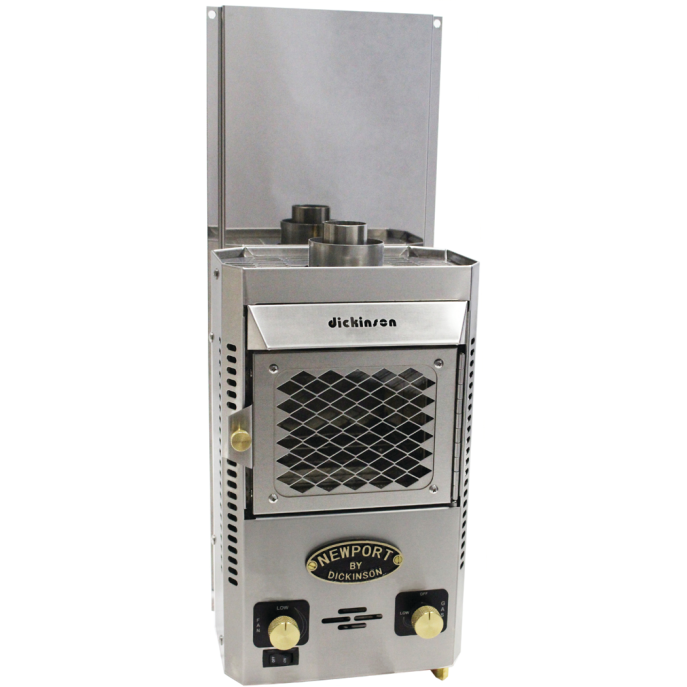
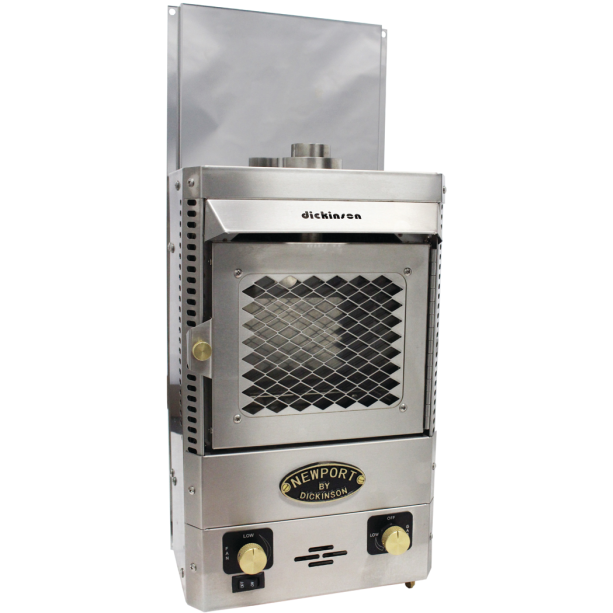
- Dickinson Newport Propane Fireplace: Attractive radiant heater with compact footprint, suitable for small cabins. Pair with the manufacturer’s recommended direct-vent kit for best efficiency and safety.
- Davey & Co Hot Pot Stove: Slimline solid-fuel cabin heater typically suited to boats up to ~30 ft, offering dry heat and simple operation with an appropriate flue.
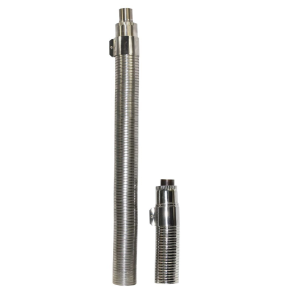
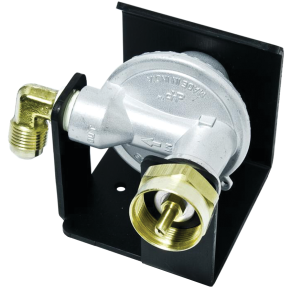
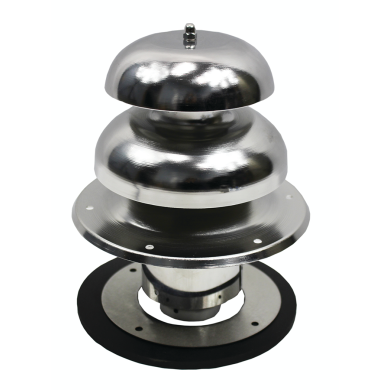
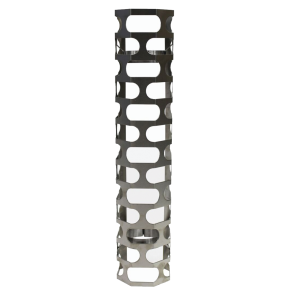
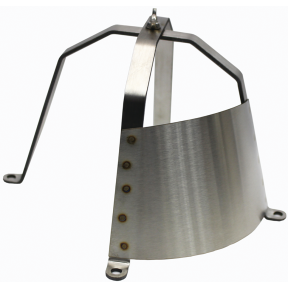
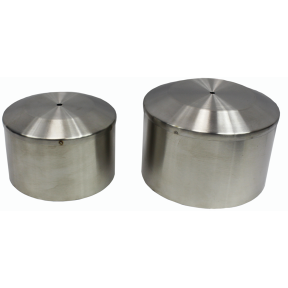
- Marine Heater Accessories: Everything for a compliant install: regulators, shutoffs, hose or copper line, thermostats, heat shields, flue components, and mounting hardware.
Prefer portable solutions? Explore our portable heating options.
BTU Sizing & Selection
Right-sizing keeps your cabin comfortable without excessive propane use.
- Small to medium cabins: 5,000–10,000 BTU/h is common.
- Climate factor: colder regions, thin insulation, or drafts may require higher BTU.
- Volume method: estimate cabin volume (L×W×H) and consider heat loss through windows and hatches.
- Fuel planning: match cylinder capacity and regulator flow to peak BTU demand.
Installation
Follow the appliance manual and use marine-rated components throughout the gas system.
- Gas line: two-stage regulator, shutoffs at the appliance and cylinder locker, and approved hose or copper line.
- Leak checks: pressure test and bubble-check all joints; re-test after any service.
- Ventilation: maintain continuous make-up air and unobstructed exhaust. A practical rule of thumb is ~3 ft³ per 10,000 BTU/h of input, alongside the manufacturer’s minimums.
- CO protection: install and regularly test a marine CO alarm; never operate with blocked flues or low voltage on fans (if equipped).
- Heat shielding: use specified clearances to combustibles and install proper heat shields where required.
Operation & Maintenance
- Pre-season tasks: inspect regulators, hoses, and fittings; confirm flue integrity and termination.
- During use: crack a vent or portlight; monitor flame quality; keep soft goods clear of the heater.
- Periodic service: clean burners and flues per the manual; replace aged hoses and gaskets.
- Storage: close cylinder valves; cap lines; protect from corrosion and impact.
Frequently Asked Questions
Are propane heaters safe to use in boat cabins?
Propane heaters designed for marine use can be safe when installed and operated correctly. Prefer room-sealed, direct-vent models when possible, maintain continuous ventilation, and always run a working CO alarm.
How much ventilation is needed when using a propane heater in a boat cabin?
Maintain a steady supply of fresh air and follow the heater’s manual. As a practical guideline, allow roughly 3 ft³ of make-up air per 10,000 BTU/h, plus any additional ventilation specified by the manufacturer.
What size propane heater do I need for my boat cabin?
For small to medium cabins, 5,000–10,000 BTU/h is common. Larger volumes, colder climates, or poor insulation may require higher BTU ratings.
Can I install a heater myself?
Experienced DIYers often can, but gas systems demand care. Use marine-rated parts, follow the manual, leak-test thoroughly, and consult a qualified technician for pressure testing or if you are unsure.
What accessories should I budget for?
Typical kits include a two-stage regulator, shutoff valves, approved hose or copper line, mounting brackets, flue/exhaust kits, heat shields, and CO/smoke alarms.