Stay Warm with Fisheries Supply’s Marine Heaters
This page is intended for recreational and commercial boaters seeking reliable cabin heat and defrost solutions in cold or damp conditions.
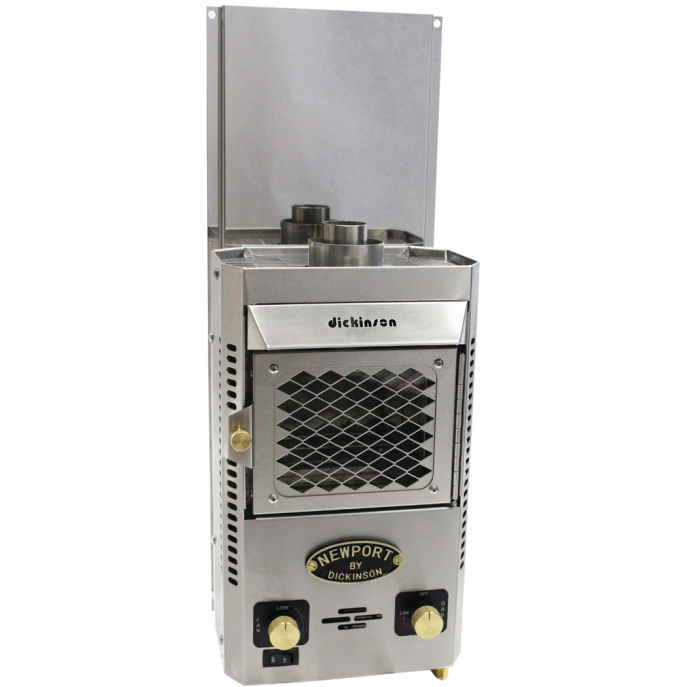
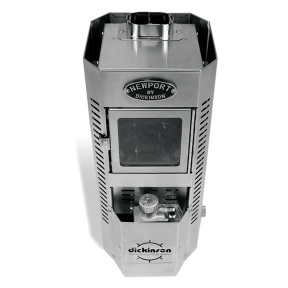
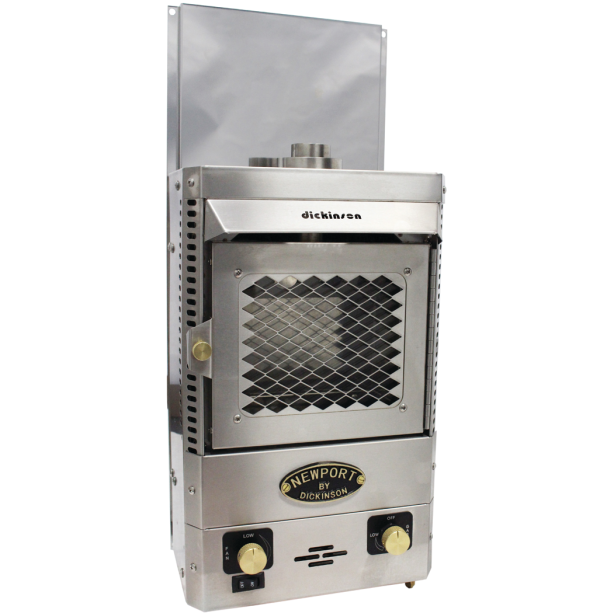
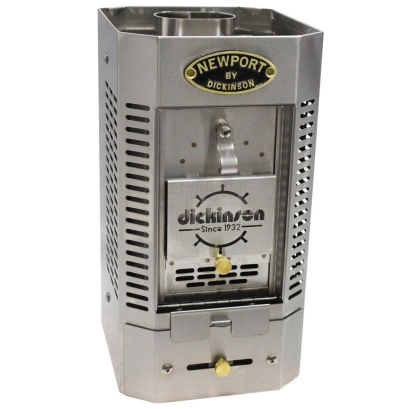
Fisheries Supply carries durable marine heaters from trusted manufacturers such as Dickinson Marine. Choose fixed or portable heaters powered by diesel, propane (LPG), electric (AC/DC), or hydronic systems to keep cabins comfortable, protect systems from freezing, and extend your boating season.
Key Takeaways
- Right system, right boat: Match fuel type, BTU output, and power draw to vessel size and use (day trips vs. liveaboard).
- Comfort + protection: Cabin heat improves crew comfort and helps prevent freeze damage to systems and lockers.
- Safety first: Prioritize proper venting, CO detection, and adherence to marine installation best practices.
Types of Marine Heaters Available
We stock solutions for skiffs, sailboats, trawlers, and cabin cruisers. Explore the major categories below:
- Diesel Heaters — Efficient, reliable heat with marine-friendly fuel. Offered as forced-air or hydronic (hot-water) systems for even distribution.
- Propane (LPG) Heaters — Ideal for those who prefer a quick and easy heating solution. Propane heaters are known for their ease of use.
- Electric Heaters — Clean, low-maintenance heat when shore power or robust battery capacity is available.
- Hydronic Systems — Circulate heated water through radiators or fan-coils for quiet, even heat throughout multiple cabins.
- Wood / Solid-Fuel Heaters — Traditional, cozy heat using solid fuels. Require vigilant ash handling. Not as clean as other heater types.
Benefits of Installing a Boat Heater
- Comfort: Maintain a warm, dry cabin for crew morale and restful overnights.
- Protection: Reduce condensation; help prevent frozen tanks, lines, and lockers.
- Extended Season: Confidently cruise shoulder seasons and colder climates.
Features That Matter
- Quiet Operation: Cabin-friendly sound levels for night watches and shared berths.
- Energy Efficiency: Optimized fuel use and thermostatic control to lower operating costs.
- Safety: Look for oxygen sensors, tip-over protection (portable units), overheat cutoffs, and CO/CO2 alarms.
Pair heaters with boat dehumidifiers to manage moisture and improve comfort.
How to Select the Right Heater
- Vessel Profile: Displacement, insulation, and cabin volume inform required BTU/hr.
- Power & Fuel: Match heater type to available fuel stores and electrical capacity.
- Distribution: One-cabin vs. multi-cabin layouts suggest forced air vs. hydronic loops.
- Usage: Weekend cruising, liveaboard, charter, or commercial duty cycles affect durability and service intervals.
Installation & Safety Essentials
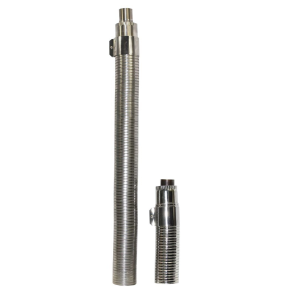
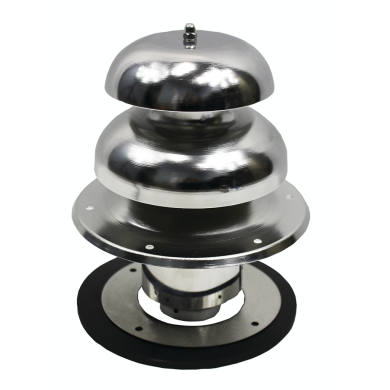
- Ventilation & Exhaust: Use marine-rated flue components; route exhaust safely; maintain required clearances.
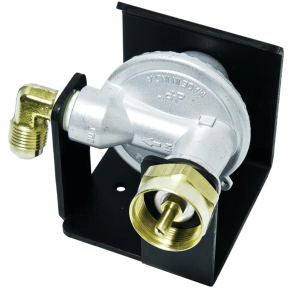
- Gas Systems (LPG): Install sealed lockers, overboard drains, marine regulators, and leak detection; perform routine leak checks.
- Electrical: Size wiring and overcurrent protection correctly; observe duty cycles and inrush current.
- Detection: Fit and test CO alarms and smoke detectors; inspect regularly.
- Maintenance: Follow service intervals for burners, filters, and pumps; keep spares aboard for remote cruising.
For brand-specific guidance, see manufacturer manuals (e.g., Dickinson Marine) and recognized marine safety resources.
Frequently Asked Questions
How many BTUs do I need for my boat?
Sizing depends on cabin volume, insulation, and intended climate. As a rule of thumb, colder cruising grounds and poorly insulated cabins require higher BTU/hr. Our team can help estimate output for your layout.
What’s the difference between forced-air and hydronic heating?
Forced-air systems move warm air through ducts for rapid heating; hydronic systems circulate heated coolant to radiators for very even, quiet heat—ideal for multi-cabin boats.
Can I run a marine heater at anchor?
Yes—choose a system that fits your fuel and power profile. Diesel and propane heaters are common off-grid; electric units typically require shore power or substantial battery/inverter capacity.
What safety devices are recommended when using a marine heater?
Install compliant exhausts/vents, CO alarms, overheat/tip-over protection (where applicable), and—on LPG systems—leak detectors and proper lockers.
Do you ship internationally?
Yes. Fisheries Supply maintains a large in-stock selection, and ships across the United States and worldwide.