
Boat Dehumidifiers & Moisture Absorbers
Boat dehumidifiers, marine electric air dryers, and moisture absorbers help boaters control condensation, mildew, and odors in cabins, lockers, heads, and covered storage areas. Choose a solution based on cabin volume, temperature, airflow, shore power availability, and whether active water removal is required.
Why Moisture Control Matters on Boats
Maintaining a dry boat cabin protects soft goods, electrical wiring, and joinery while improving onboard comfort. Condensation forms when air cools to its dew point. Raising cabin temperature, increasing air movement, or reducing absolute humidity can limit moisture on windows, bulkheads, and other cool surfaces.
Mold control starts with moisture control. Dry bilges and wet materials promptly, increase cabin airflow, and select a dehumidification method suited to the boat's storage conditions and available electrical power.
Types of Marine Dehumidification
| Moisture-Control Product | How It Works | Best Applications | Top Considerations |
|---|---|---|---|
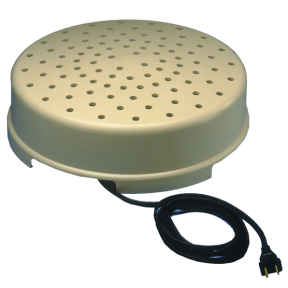
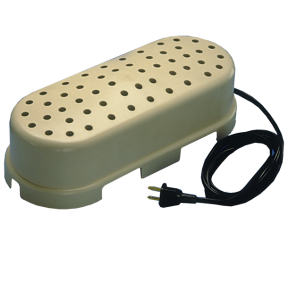
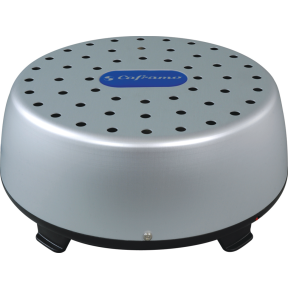
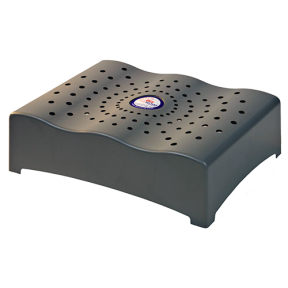
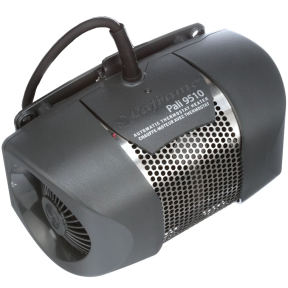
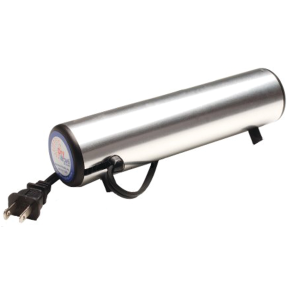
| Marine Electric Air Dryers | Circulate gently warmed air to reduce localized relative humidity, cold-surface condensation, stale air pockets, and odors. They do not collect water. | Winter storage and continuously closed boat cabins. | Match the stated coverage to cabin volume. The SEEKR by Caframo Stor-Dry 70 W unit covers up to approximately 1,000 ft³ under normal conditions. |
| Electric Dehumidifiers | Actively extract water from cabin air. | Shore-power berths, larger enclosed cabins, and high-moisture environments. | Compare extraction capacity in pints per day, low-temperature performance, drainage options, and automatic restart after interrupted power. |
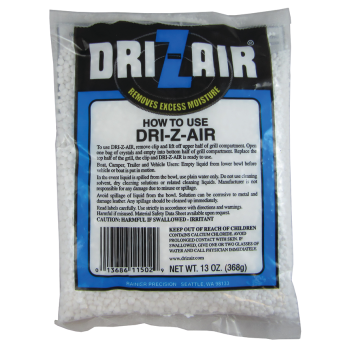
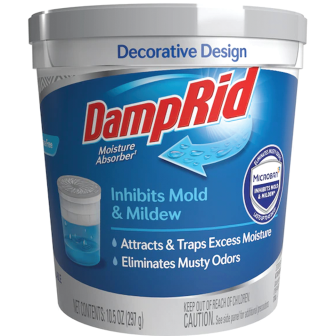
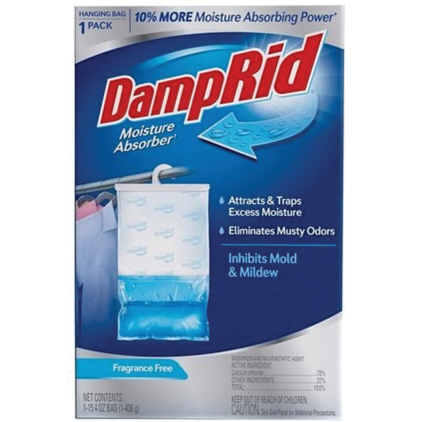
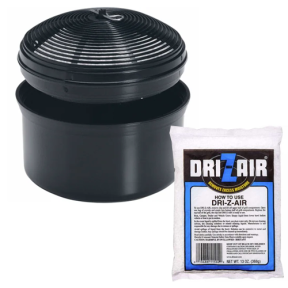
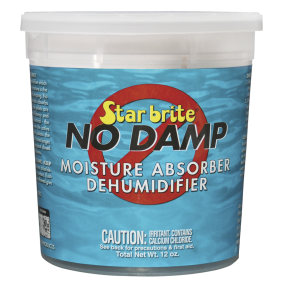
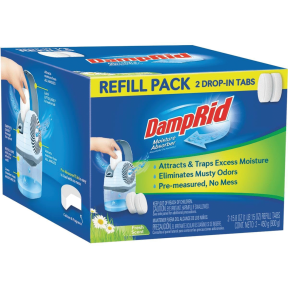
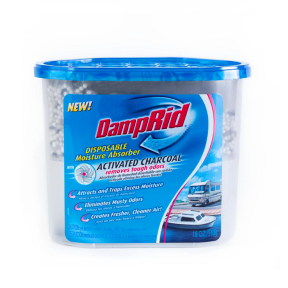
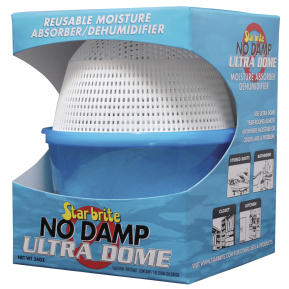
| Moisture Absorbers | Use hygroscopic media, such as calcium chloride, to collect moisture without electricity. | Lockers, heads, small compartments, and wrapped boats. | Follow the manufacturer's placement, use, handling, and spent-solution disposal instructions. |
How to Choose a Boat Dehumidifier or Moisture Absorber
- Measure the space: Calculate the cabin or compartment volume and compare it with the manufacturer's stated coverage.
- Review storage conditions: Consider the temperature range, ventilation, moisture level, and whether the boat remains closed for extended periods.
- Check power availability: Select a warm-air dryer or active dehumidifier for powered locations and a passive absorber for spaces without electricity.
- Match the method to the problem: Use warmed airflow to limit condensation, active extraction to remove water, or hygroscopic media for localized passive control.
- Account for colder conditions: Review low-temperature performance and allow additional capacity when conditions reduce dehumidifier efficiency.
- Monitor relative humidity: Use a hygrometer to verify performance and generally keep relative humidity below approximately 60% to curb mold growth.
Boat Dehumidifier Features to Compare
| Feature | Description |
|---|---|
| Coverage | The cabin or compartment volume the device can treat under stated operating conditions. |
| Extraction Capacity | The amount of water an electric dehumidifier can remove per day. |
| Low-Temperature Operation | Performance in cool cabins, storage areas, and seasonal conditions. |
| Automatic Restart | The ability to resume operation after intermittent shore-power interruptions. |
| Continuous Drainage | A practical option for active dehumidifiers used for extended periods. |
| Power Consumption | An important comparison point for low-watt air dryers and powered dehumidifiers. |
| Absorbent Media | Calcium chloride and related hygroscopic materials used in passive moisture absorbers. |
Marine Moisture-Control Brands
| Brand and Product Type | Moisture-Control Method | Applications |
|---|---|---|
| Caframo Marine Electric Air Dryers | Continuous, low-watt warm-air circulation that reduces localized relative humidity and condensation without collecting extracted water. | Boat cabins and storage areas. |
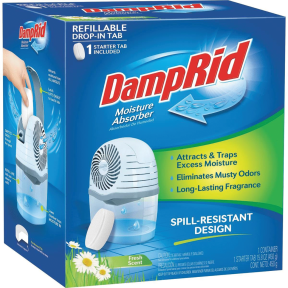
| DampRid Moisture Absorbers | Passive moisture absorption using hygroscopic media without electrical power. | Lockers, enclosed compartments, and covered boat storage. |
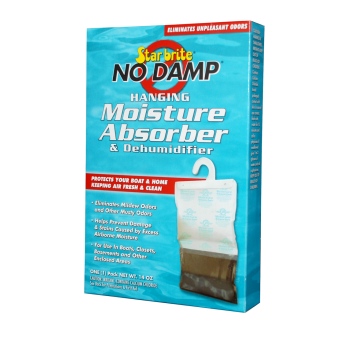
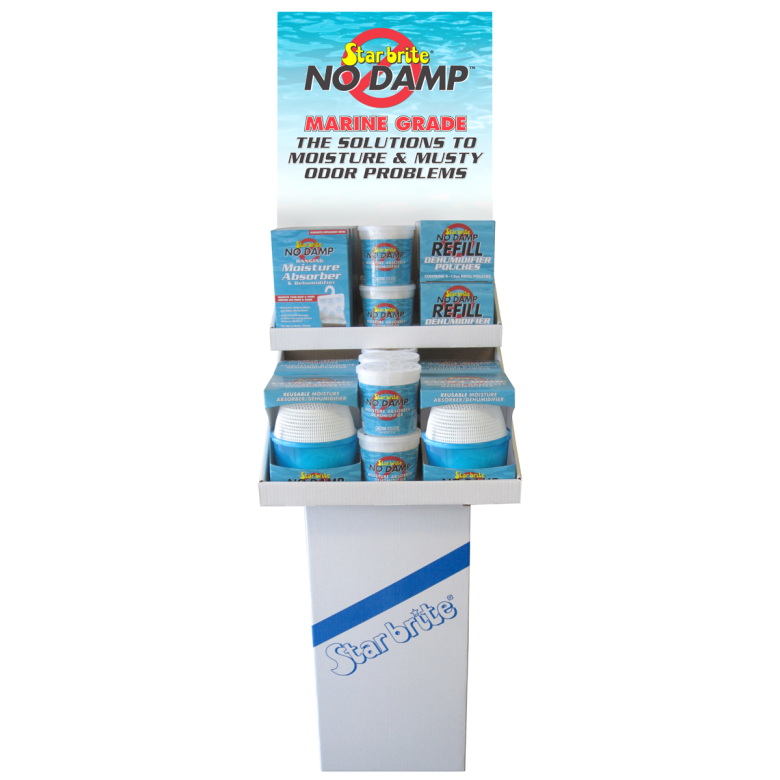
| Star brite Moisture-Control Products | Compartment-focused moisture control for managing damp conditions. | Enclosed areas aboard boats. |
Frequently Asked Questions
What type of dehumidifier is best for a boat cabin?
The right boat dehumidifier depends on cabin volume, temperature, available power, and moisture level. Use a marine electric air dryer for continuous warmed airflow, an electric dehumidifier for active water extraction, or a passive moisture absorber for lockers, heads, and other small spaces without electrical power.
How do I choose a moisture absorber for a boat?
Choose a boat moisture absorber by matching its stated coverage and absorbent capacity to the compartment size and moisture level. Passive calcium chloride products suit lockers, heads, and covered storage where power is unavailable. Review placement instructions, replacement intervals, spill precautions, and spent-solution disposal requirements before use.
Can I use a household dehumidifier on a boat?
A household dehumidifier can provide temporary moisture removal aboard a boat when shore power, stable placement, and suitable drainage are available. For extended or unattended operation, compare marine suitability, low-temperature performance, automatic restart, electrical requirements, and the manufacturer's operating instructions before selecting a unit.
Do portable dehumidifiers work on boats during storage?
Portable dehumidifiers can reduce cabin moisture during storage when mains or shore power is available and the unit is sized for the enclosed space. Review extraction capacity, operating temperature, drainage, and automatic restart. A portable unit may be less suitable for small lockers or locations without reliable electrical power.
Are solar-powered dehumidifiers suitable for boats?
Solar-powered dehumidifiers exist, but they are generally smaller and less powerful than standard electric dehumidifiers. Most suit contained spaces with modest moisture loads rather than large cabins requiring active water extraction. Compare solar exposure, airflow, coverage, operating capacity, and storage conditions before relying on one for boat moisture control.
What relative humidity helps prevent mold inside a boat?
Keeping relative humidity generally below approximately 60% can help curb mold growth inside a boat. Use a hygrometer to monitor cabin conditions, improve ventilation, dry wet materials and bilges promptly, and use an air dryer, electric dehumidifier, or moisture absorber appropriate for the affected space.