Electric Outboards: Environmentally Friendly Alternatives
Are you looking for a better way to power your dinghy or small boat? The world of electric boating is rapidly advancing, offering a compelling alternative to traditional gas-powered motors. An electric motor provides a cleaner, quieter, and more efficient way to get around on the water. This shift isn't just about being eco-friendly; it's about transforming your time on the water into a more peaceful and enjoyable boating experience from the moment you hit the throttle.

Here's a quick look at why these outboard engines are making a splash, with more in-depth information to follow.
- Enjoy a better boating experience with the near-silent performance of an electric motor.
- Decrease the amount you disturb marine life along the way.
- Embrace sustainability with zero emissions, protecting the waterways you love.
- Spend less time and money on upkeep thanks to the lower maintenance needs of electric designs.
- Experience instant torque for quicker acceleration and improved maneuverability.
- Choose from lightweight and portable options make them perfect for dinghies and small tenders.
Why Electric Outboards Are an Environmentally Friendly Form of Propulsion
Choosing a battery operated outboard motor for your dinghy is one of the most significant steps you can take toward more responsible boating, so let's explore how they can make your boating adventures cleaner and greener in every way.
Zero Emissions Compared to Gas-Powered Engines
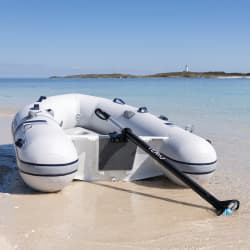
The most significant environmental advantage of electric engines is their complete lack of exhaust fumes. Gas outboards burn fossil fuels, releasing pollutants like carbon dioxide, nitrogen oxides, and un-burnt hydrocarbons directly into the atmosphere and water. These emissions contribute to air and water pollution, harming aquatic ecosystems and diminishing the clean air you expect on the water.
By choosing an electric model, you eliminate these harmful outputs entirely. Your motor runs on battery power, creating no exhaust and significantly reducing your carbon footprint. This commitment to zero emissions means you can cruise through sensitive marine environments knowing you're not leaving a trail of pollution behind. It's a simple switch that makes a world of difference for the health of our lakes, rivers, and oceans.
Reduced Noise Pollution for Eco-Conscious Boating
Have you ever been startled by the roar of a traditional outboard? An electric motor changes the entire soundscape of your boating experience. The quiet operation of an environmentally friendly outboard is one of their most celebrated features. Instead of a loud, vibrating engine, you get a gentle hum that allows you to enjoy the natural sounds of the water and have conversations without shouting.
This near-silent performance isn't just pleasant for you and your passengers; it's also much better for the environment. The noise from gas engines can stress and disorient marine life, disrupting their natural behaviors. The stealthy approach of an electric motor minimizes your disturbance to fish, birds, and other wildlife, allowing for closer and more respectful encounters with nature.
Lower Maintenance and Fewer Harmful Fluids with ePropulsion
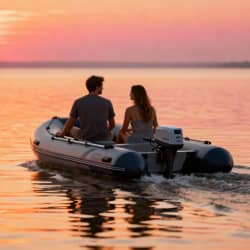
If you're tired of dealing with engine oil, fuel stabilizers, and spark plugs, you'll love the simplicity of an electric outboard. Gas engines have many moving parts that require regular servicing. Electric motors, by contrast, have a much simpler design with far fewer components that can wear out or break down. This translates to significantly lower maintenance costs and less investment in spare parts.
You can also forget about annual oil changes or winterization procedures. The minimal maintenance needed for an electric outboard primarily involves keeping the unit clean, checking for any debris around the propeller, and ensuring the electrical connections are secure. There are no oil or fuel spills to worry about, which eliminates a common source of water pollution associated with traditional outboards.
This reduction in upkeep not only saves you time and money but also prevents harmful fluids from accidentally entering the water. It’s a cleaner, simpler, and more reliable system for any boater.
Advantages Beyond Environmental Impact & Sustainability
Beyond the eco-friendly aspects, an electric motor delivers a superior user experience. One of the standout performance features is instant torque. Unlike a gas engine that needs to rev up, an electric motor provides immediate power the moment you engage the throttle. This results in faster acceleration and more precise maneuverability, which is especially useful in tight spaces like marinas or crowded anchorages.
Key practical benefits include:
- Instant Torque: Get immediate acceleration for quick and responsive handling.
- Lightweight and Portable: Many models are easy to carry, install, and store.
- Simple to Use: With no pull-starts or choke adjustments, operation is effortless.
- Easy "Refueling": Simply recharge the battery from a standard outlet, solar panel, or onboard power system.
Cost Savings Over Time With Battery Operated Outboard Motors

While the initial purchase price of an electric outboard might seem higher than a comparable gas motor, the savings add up quickly. The most obvious area of savings is in fuel expenses. With gasoline prices constantly fluctuating, "refueling" your electric motor by charging a battery is significantly cheaper. You can charge it at home, at the marina, or even with solar panels for virtually free energy.
Additionally, the lower maintenance costs contribute to long-term savings. Electric motors don't require oil changes, spark plug replacements, or fuel system servicing. This not only saves you money on parts and labor but also reduces the downtime your motor spends in the shop.
Advanced battery technology means today's lithium batteries are lighter, last longer, and offer more power than ever before. Although quality electric outboards can cost over $3,000, the elimination of recurring fuel and maintenance costs makes them a smart financial choice in the long run.
Extended Lifespan of Environmentally Friendly Outboards
Speaking of the long run, the simple and robust design of electric boat motors often leads to an extended lifespan compared to their gas-powered counterparts. Gas engines are complex machines with pistons, valves, and gearboxes that experience significant wear and tear from combustion and vibration. These components are prone to failure over time, leading to costly repairs or complete replacement.
Electric motors, particularly direct-drive models, have very few moving parts. This minimal maintenance design means there is much less to break down. The motor itself is a sealed unit, protected from the harsh marine environment, and doesn't suffer from the corrosion and carbon buildup that plague gas engines.
By following basic care—such as rinsing the unit with freshwater after saltwater use and inspecting the propeller—you can expect your electric outboard to provide reliable service for many years. This durability, combined with low running costs, ensures you get maximum value from your investment.
Leading Electric Outboard Motor Brands and Models in the United States
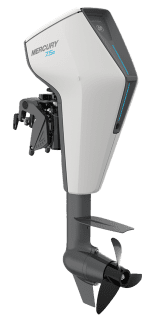
The market for electric outboard engines has grown significantly, with several reliable brands offering innovative and powerful options for your electric boat. Companies like Torqeedo, Temo, Mercury Marine, and ePropulsion are leading the charge, developing motors that are lighter, more powerful, and packed with user-friendly features. These aren't just basic trolling motors; they are sophisticated propulsion systems designed for primary tender use or small boats.
Whether you prioritize portability, power, or cutting-edge technology, there's a model out there to fit your needs. Let's look at some of the top brands and compare what they have to offer.
Torqeedo is a pioneer in the market, known for its German engineering and feature-rich designs. The new Mercury Avator series marks the entry of a major player in the outboard industry, bringing extensive manufacturing experience to the electric space. Meanwhile, ePropulsion has gained popularity for its direct-drive motors, high-capacity batteries, and competitive pricing. Lastly, Temo has come up with some innovative design ideas.
Each brand offers unique advantages. For example, some Torqeedo models feature a removable battery and tiller for easy transport, while the ePropulsion Spirit 1.0 EVO boasts a larger battery capacity that floats if dropped overboard.
Here is a quick comparison of some popular models:
| Feature | Torqeedo Travel XP | ePropulsion Spirit 1.0 Plus | Mercury Avator 7.5e | Temo 450 |
|---|---|---|---|---|
| Power | 1600W | 1000W | 750W | 450W |
| Battery Capacity | 1425Wh | 1276Wh | 1030Wh | 290W |
| Total Weight | 49 lbs (22.2kg) | 43 lbs (19.5kg) | 54 lbs (24.3kg) | 11 lbs (4.9kg) |
| Run Time | 47 minutes at full, 90 minutes at half power | 75 minutes at full, 150 minutes at half power | 60 minutes at full, 360 minutes at half power | 45 minutes at full, 80 minutes at half power |
| Recharge Time | 8 hours | 8.5 hours (or 3.5 on fast charger) | 9 hours | 3.5 Hours |
| Recharge Via | 110/220V, 12/24V or Solar | 110/220V, 12/24V or Solar | 110/220V only without converters | 110/220V or 12/24V |
| Price | ~ $4,200-5,000 USD | ~ $3,500-4,000 | ~ $3-3,500 USD | ~ $2-2,300 USD |
Comparing Features of Green Outboard Motors: Power Output, Range, and Motor Sizes

Choosing the right electric outboard involves balancing power output, range, and physical size. Power is often rated in watts (W) with manufacturers providing a horsepower (hp) equivalent for comparison. For example, the Mercury Avator 7.5e (750W) offers acceleration comparable to a 3.5hp gas motor due to its high torque.
To determine the right size for your boat, consider your boat's weight and your typical use. A lightweight inflatable used for short trips to shore may only need a small motor like the Temo 450. However, a heavier boat or one used in strong currents may require a more powerful model like the Mercury Avator 35e, which is comparable to a 9.9hp gas engine.
Range is determined by battery capacity (measured in watt-hours, Wh) and your speed. Running at full throttle will drain the battery much faster than cruising at a quarter throttle. Most modern electrics feature a display that shows your remaining range in real-time, helping you manage your power usage effectively.
Suitability for Dinghies and Small Boats
Electric boat motors are perfectly suited for powering dinghies, tenders, and other small craft. Their lightweight and compact designs make them easy to handle, mount, and store, which is a huge advantage for boating enthusiasts who frequently move their motor. Unlike bulky gas engines, many electric models can be broken down into lighter components (motor and battery) for even easier transport.
While the current generation of low-voltage electric outboards is primarily designed for smaller vessels, their power is more than sufficient for these applications. They provide enough thrust to move a loaded dinghy efficiently, even against wind and currents.
These motors are ideal for:
- Getting from your anchored sailboat to the shore.
- Quietly exploring coves and environmentally sensitive areas.
- Use as an auxiliary motor on small sailboats.
For larger boats like pontoons or fiberglass micro-skiffs, more powerful models like the Mercury Avator 20e and 35e are available, but they require a professionally installed battery bank.
Frequently Asked Questions About Electric Outboards
Navigating the switch to electric power can bring up a few questions. Here are answers to some of the most common queries boaters have about making the change to a battery-powered outboard.
How Long Do Electric Outboard Batteries Last Before Recharging?
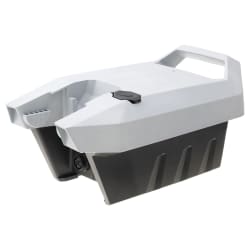
The runtime of electric outboard engines on a single charge depends heavily on the battery capacity, boat size, and your speed. At full throttle, you might get about an hour of use, but at a slower cruising speed, the battery can last for several hours, offering plenty of range for a typical boating experience. Typically, charging time for an electric outboard battery ranges from 4 to 8 hours, depending on the battery capacity and charger type used.
What Kind of Maintenance Does an Electric Outboard Require?
An electric motor requires minimal maintenance compared to a gas engine. The main tasks are rinsing it with fresh water after use (especially in saltwater), checking the propeller for damage or debris, and ensuring electrical contact points are clean and corrosion-free. This drastically reduces your annual maintenance costs.
Can a Battery Operated Outboard Handle Saltwater Use?
Yes, many modern electric outboard engines are designed for saltwater use. Reputable brands build their electric boat motors with corrosion-resistant materials like stainless steel and specialized coatings.
What is the Maximum Speed and Range of an Electric Outboard?
As you would think, this completely depends on the model and brand you select. However, on average speeds range from 4-6 mph. The range of all of these outboards is directly related to how much throttle you use. At 100% throttle, most outboards will only last about an hour - but at half or lower throttle, most of them can last many hours before recharging.
Are the batteries included?
Great question! Some brands include the battery with the purchase of the motor, while others sell them separately to give you more options. It can make a big difference in the overall price, so it's important to research all the options before making your choice.
Do they come with safety features?
Yes, most electric outboards come with the standard safety features such as overheating protection, overload protection (when charging) and emergency stop switches - so they are meant to keep you safe.
Are they easy to mount and remove?
Yes, most electric outboards feature a quick-mounting solution similar to normal outboards. Combined with their lightweight designs and storage bags - mounting, removal and storage are usually fairly easy and straighforward.
What is the expected lifespan?
If you take good care of your electric outboard, it should last many years - with batteries typically lasting 3-5 years before replacement may be needed.

Electric outboards present a sustainable choice for boating enthusiasts who want to enjoy the water while minimizing their environmental impact. With zero emissions, reduced noise pollution, and lower maintenance requirements, these motors not only benefit the planet but also offer significant cost savings over time. By making the switch to electric, you are not just investing in a motor, but also in a greener future for our waterways.
If you're ready to learn more about making the transition, feel free to reach out for a consultation at at (800) 426-6930 as we carry multiple brands of electric outboards, including the Torqeedo, Temo, and EP Carry.