Marine Engine Oil & Lubricants: Practical Selection Guide for Boaters
How to choose and maintain marine engine lubrication for gasoline, diesel, and outboard engines.
Key Takeaways
- Match oil to engine type: two-stroke (TC-W3) vs four-stroke (FC-W).
- Follow OEM viscosity guidance for your climate and duty cycle.
- Use oil analysis to track wear, contamination, and change intervals.
- Stock trusted brands (e.g., Sierra) plus filters, coolers, and sampling kits.
Why Marine-Specific Lubrication Matters
Marine engines face sustained RPM, variable loads, humidity, and corrosion. Purpose-built oils resist foaming and aeration, maintain viscosity under shear, and protect against rust. Choosing a marine-rated oil improves reliability and service life.
Complete Lubrication Solutions from Fisheries Supply
- Stocked oils: two-stroke (TC-W3), four-stroke (FC-W/FC-W (CAT)), and diesel formulations.
- Brand options: Sierra premium and synthetic blends for diverse engines.
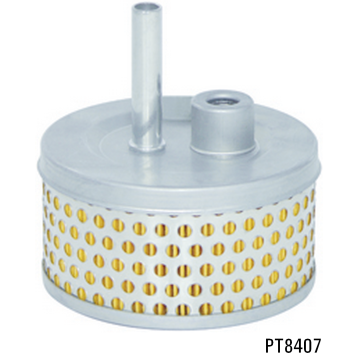
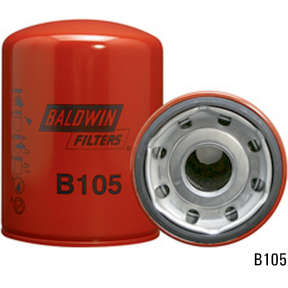
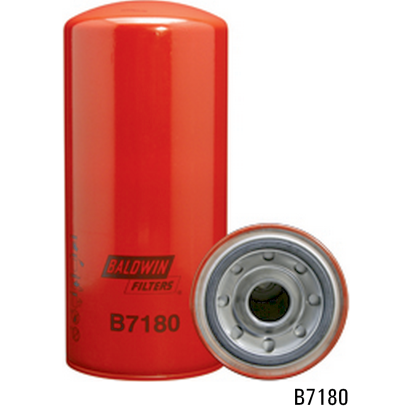
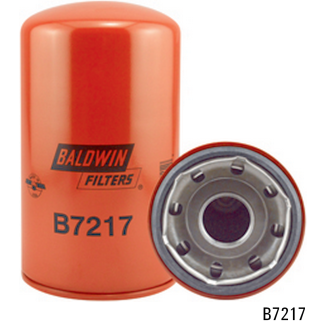
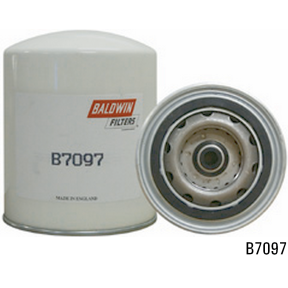
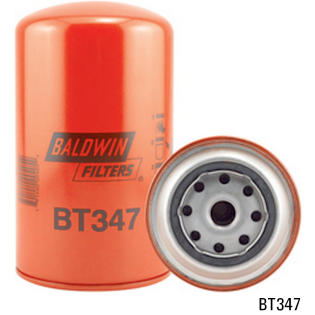
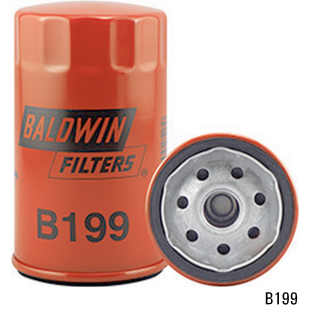
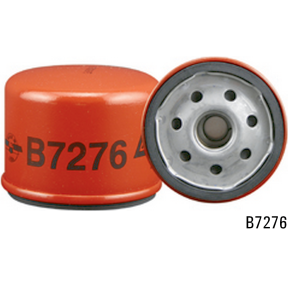
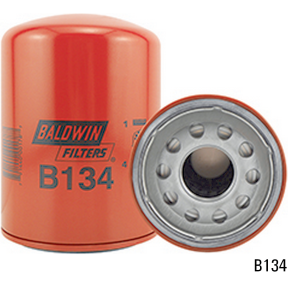
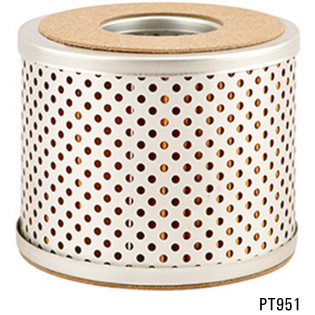
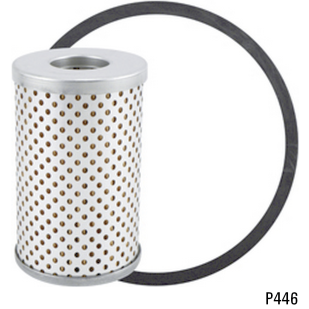
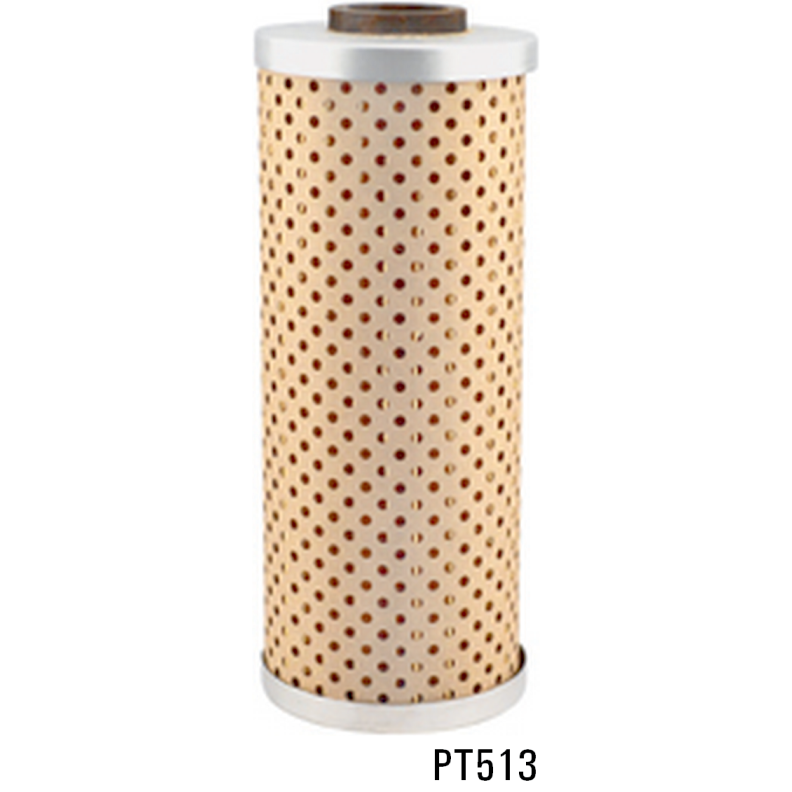
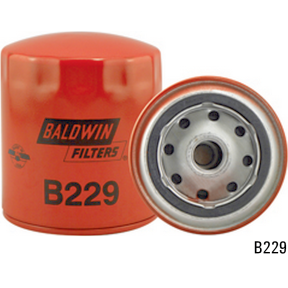
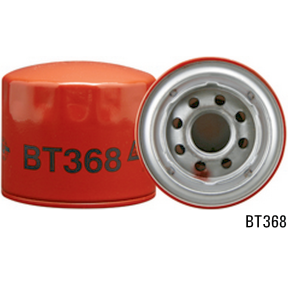
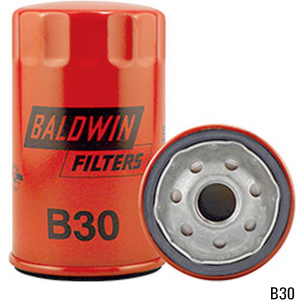
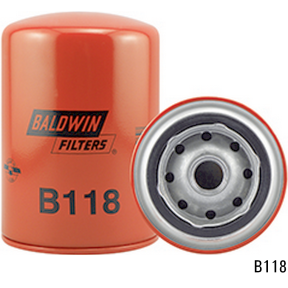
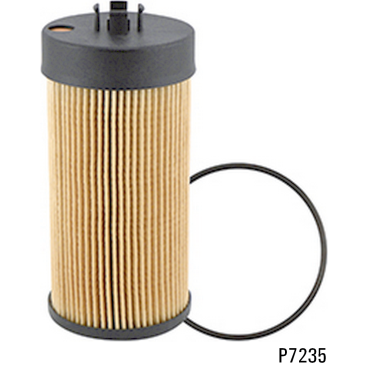
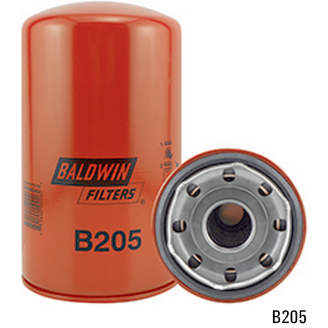
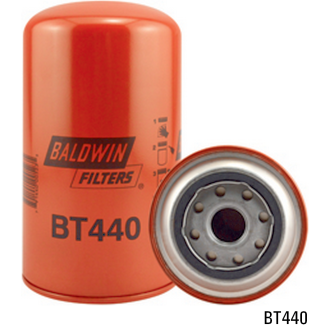
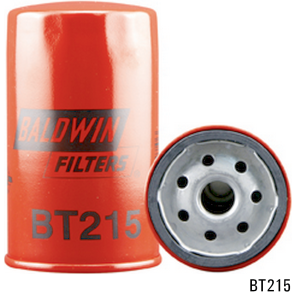
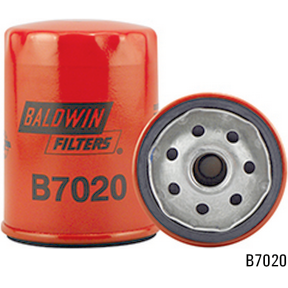
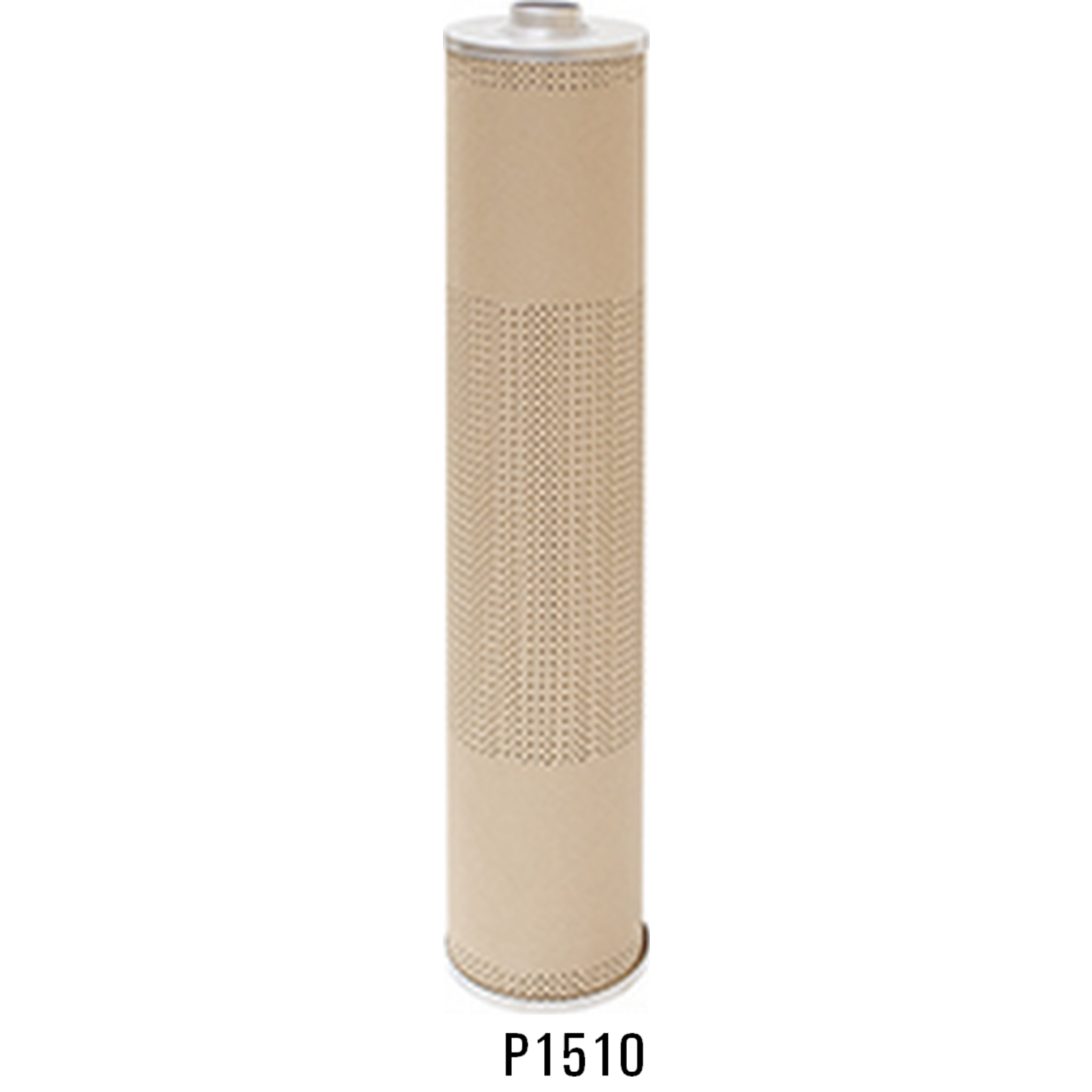
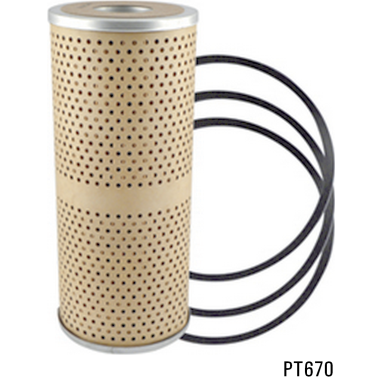
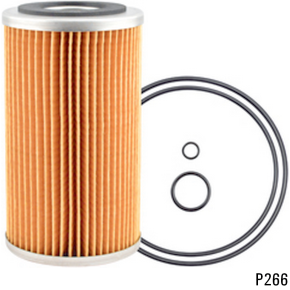
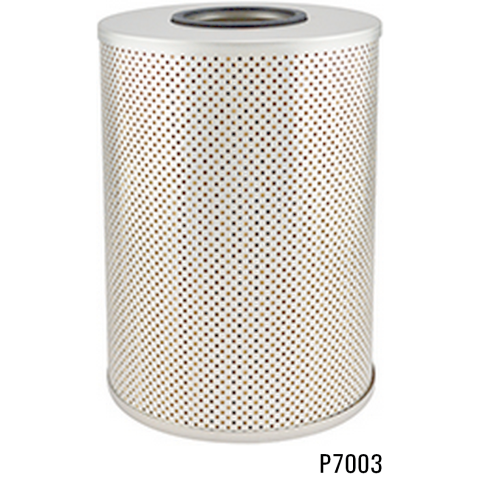
- Support gear: Oil filters, coolers, drain pans, and fuel additives for deposit control.
- Condition monitoring: sampling pumps and analysis oil kits to trend wear metals and contaminants.
How to Choose the Right Boat Motor Oil
- Identify Engine Type & Certification
- Two-stroke outboards: choose oil carrying NMMA TC-W3 certification for performance in water-cooled two-stroke engines.
- Four-stroke outboards, inboards, and sterndrives: choose NMMA FC-W or FC-W (CAT) (catalyst-compatible) oils for corrosion resistance, aeration control, and shear stability.
- Match Viscosity to Climate & Duty Cycle: Follow your OEM manual’s viscosity grades (e.g., SAE 10W-30, 25W-40, 25W-50). Higher ambient temperatures, heavy loads, and long high-RPM runs may justify higher-viscosity marine formulations; moderate climates often suit 10W-30 where approved.
- Consider Formulation & Additive System
- Marine anti-corrosion packages protect during storage and frequent thermal cycling.
- Detergent/dispersant balance controls deposits in water-cooled, low-oil-temp environments.
- Catalyst-compatible (FC-W CAT) oils protect modern emission systems.
- Use Oil Analysis for Confidence: Periodic lab analysis can extend change intervals and catch issues early (fuel dilution, coolant ingress, abnormal wear). Kits from marine labs and suppliers make sampling straightforward.
Recommended Categories & Popular Choices
- Four-stroke outboard oils: 10W-30 and 25W-40 FC-W / FC-W (CAT); synthetic blends for high-heat, high-RPM service.
- Two-stroke outboard oils: TC-W3 ashless formulations for water-cooled engines.
- Diesel marine oils: high TBN formulations matched to OEM specs (follow engine manual).
- Accessories: filters, coolers, drain pans; sampling kits and pumps for analysis.
Ask our technical team at Fisheries Supply to cross-reference OEM approvals and inventory availability from trusted brands like Sierra.
Quick Pre-Purchase Checklist
- Confirm engine type (two-stroke vs four-stroke).
- Verify NMMA mark (TC-W3 or FC-W) on the label.
- Match viscosity to OEM manual and climate band.
- Add sampling kit if running extended intervals or commercial duty.
- Pick up filters, gaskets, and disposal supplies for a clean service.
Frequently Asked Questions
What is the difference between TC-W3 and FC-W?
TC-W3 certifies two-stroke outboard oils; FC-W certifies four-stroke marine oils with tests for corrosion, aeration, and shear.
Do I need FC-W (CAT)?
If your engine uses a catalyst or your OEM specifies catalyst-compatible oil, choose FC-W (CAT) to protect emissions components.
Which oil viscosity should I use in warm weather?
Follow your OEM chart. Many manuals allow 25W-40/25W-50 for sustained high-load or high-temp operation, while 10W-30 is common for moderate climates when approved.
Is oil analysis worth it for recreational boats?
Yes—trending results can reveal fuel dilution, coolant leaks, and abnormal wear long before you notice symptoms, helping prevent costly failures.
Can I mix oil brands or formulations in a pinch?
Top up with the same specification and viscosity when possible. If you must mix, ensure the oil meets the same NMMA spec and OEM requirements; then perform an early change and monitor via analysis.