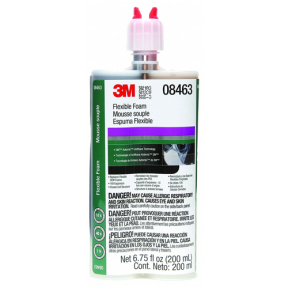
Enjoy a Quiet Trip with Marine Soundproofing Insulation from Fisheries Supply
This category is for boat owners seeking marine sound insulation solutions for quieter cabins and engine rooms.
Key Takeaways
- Treat the noise source first: Focus on engine compartment insulation and vibration control before cabin finishes.
- Combine materials: Use sound-absorbing foam with a dense barrier like mass loaded vinyl (MLV) for best results.
- Seal everything: Acoustic performance depends on coverage, sealed seams, and tight access panels.
- Buy with confidence: Large in-stock selection, expert support, and fast nationwide & international shipping.
Understanding Onboard Noise Sources
Boat noise reaches the cabin via airborne sound and structure-borne vibration from components such as the inboard engine, generator, and exhaust. External contributors include propeller cavitation and hull flow noise.
Soundproofing Materials & How They Work
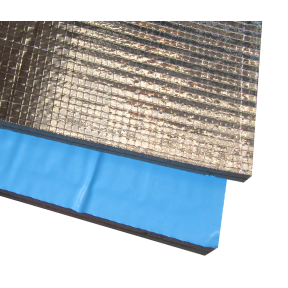
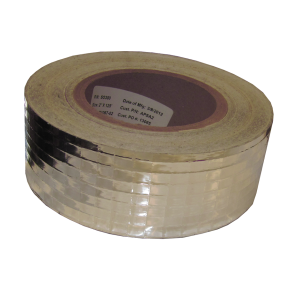
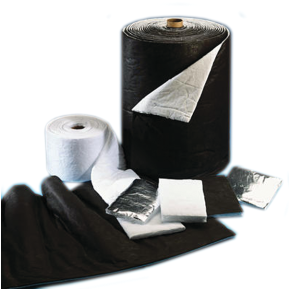
- Sound-absorbing foams: Open-cell or specialized marine foams absorb mid/high-frequency energy and reduce reverberation. Foils or films add oil resistance and wipe-clean durability. Explore our selection of sound insulation foam.
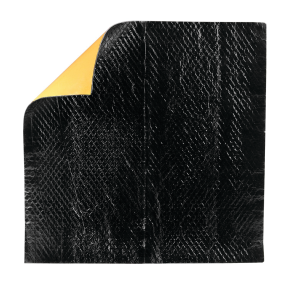
- Mass-loaded vinyl (MLV) barriers: MLV adds mass to block transmission through panels, improving transmission loss—often used as a limp barrier layer behind or within composites.
- Composite engine room panels: Foam + barrier + facing laminates combine absorption, decoupling, and blocking to deliver strong broadband attenuation for engine rooms, hatches, and bulkheads.
- Damping & decoupling: Constrained-layer damping sheets and resilient mounts reduce structure-borne vibration from engines, pumps, and gensets.
Choosing the Right Solution
- Target noise source: Identify primary contributors (e.g., engine firing & gear whine, hull slap, wind noise).
- Material properties: Balance thickness, temperature rating, oil/chemical resistance, and cleanability.
- Space & service access: Choose cut-to-fit panels for tight compartments and allow for inspection points.
- Budget & performance: Foam alone is economical; foam + MLV composite delivers higher attenuation.
Installation & Safety Considerations
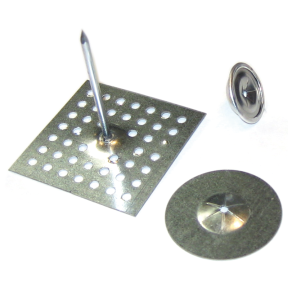
- Prep: Degrease surfaces; use compatible adhesives; roll firmly for full contact. Seal edges and seams.
- Access & sealing: Treat penetrations, cable glands, and hatch perimeters to eliminate acoustic leaks.
- Heat & flame: Use materials rated for engine space temperatures and flame spread; maintain clearances around hot components.
- Maintenance: Inspect seasonally for delamination, oil contamination, or water intrusion.
Expert Guidance from Fisheries Supply
Our knowledgeable team will help you specify marine engine compartment insulation matched to your boat’s size, layout, and noise goals—so you can enjoy a quieter, cooler cabin with minimal modification.
Frequently Asked Questions
How does soundproofing foam reduce engine noise on a boat?
Soundproofing foam absorbs sound waves and vibrations, reducing the transmission of engine noise into the boat's cabin. The foam dampens both high and low-frequency sounds, improving overall noise levels and comfort.
How does foam insulation compare to other soundproofing methods for boats?
Foam is lightweight and easy to install for absorption; mass-loaded vinyl or composite barriers block more sound. A layered system (foam + barrier + sealed seams) outperforms single-material approaches.
How long does marine engine insulation last?
Typical service life is 5–10 years, depending on quality and exposure to heat, moisture, and vibration. Proper installation and regular inspection can extend its lifespan.