
Force 10 Marine Stoves & Parts
This category is for boat owners comparing fuel types, burner counts, gimbals, and parts—backed by in-stock inventory and knowledgeable support.
Key Takeaways
- Define galley space, fuel source, and feature set before you shop.
- Use parts diagrams to verify thermocouples, valves, and burners.
- Reference reputable safety materials when installing or servicing LPG.
Why choose Force 10 for the boat galley?
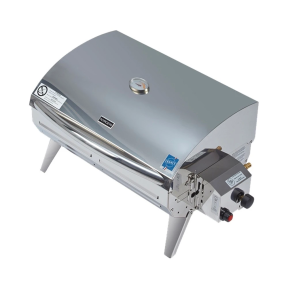
Fisheries Supply stocks a wide selection of Force 10 cooking appliances engineered for marine service—balancing functionality, safety, and performance at sea.
Product lineup — cooktops, ranges, and burner counts
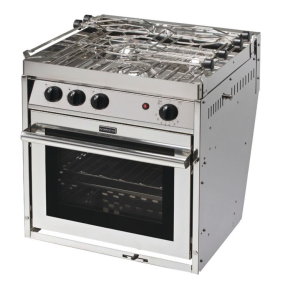
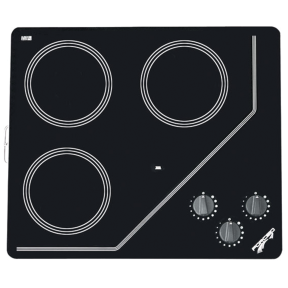
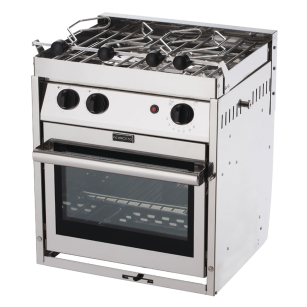
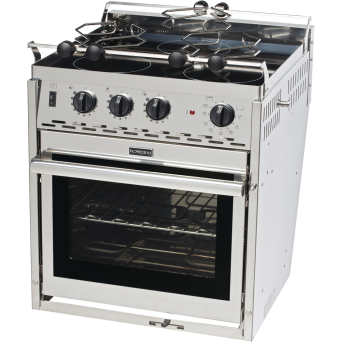
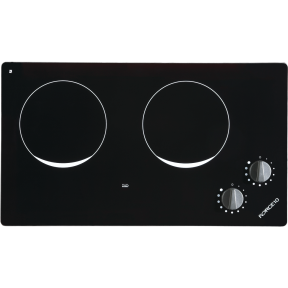
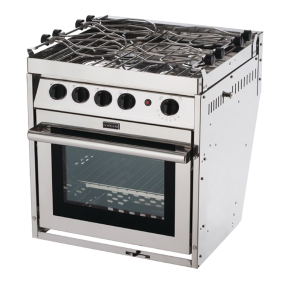
Choose from compact two-burners to galley-friendly three- and four-burner layouts in propane (LPG) or electric. Gimbaled oven ranges help maintain level cooking underway; built-in ceramic cooktops keep the counter clear for small galleys.
- Electric ceramic cooktops — smooth top, easy clean, efficient with shore power or inverter.
- Gimbaled oven ranges — secure pan rails; bake + cook while heeled.
- Two vs. three burners — weigh pot size, crew count, and fuel budget.
Sizing & fit — get the right footprint the first time
Confirm three dimensions—height, width, depth—and verify clearance for ventilation, wiring, gas line routing, and (if applicable) gimbal swing clearance. Match your galley cutout and fastener pattern to the stove’s installation spec.
- Measure existing cutout and face frame.
- Check door swing and pot rail clearance.
- Plan service loops for gas/electrical connections.
Fuel choice — propane (LPG) vs. electric
- Propane (LPG): Efficient, hot, and widely available. For safety, follow recognized guidance for system components, leak detection, and ventilation.
- Electric ceramic: Great with shore power or adequate inverter/house bank. Verify amp draw and breaker sizing before upgrading.
Parts & accessories
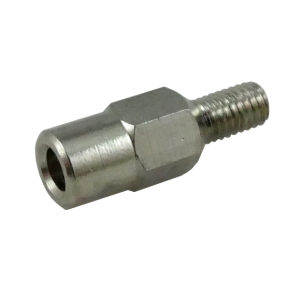
We carry an extensive range of Force 10 replacement parts to keep your galley running:
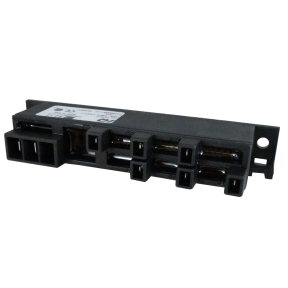
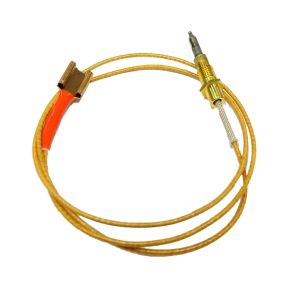
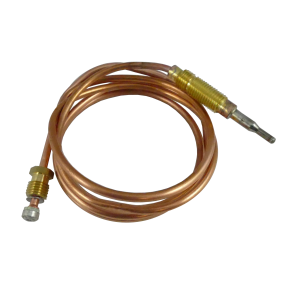
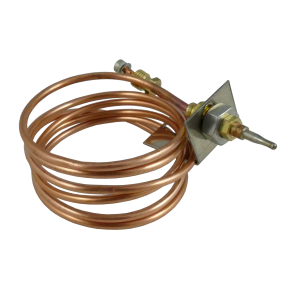
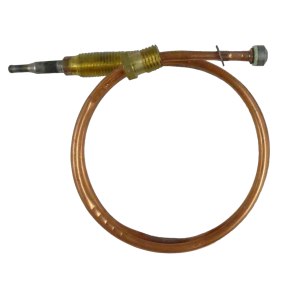
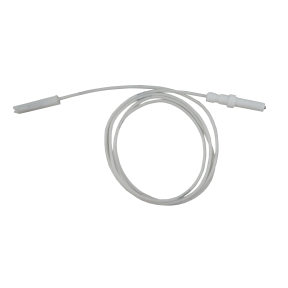
- Thermocouples and igniters
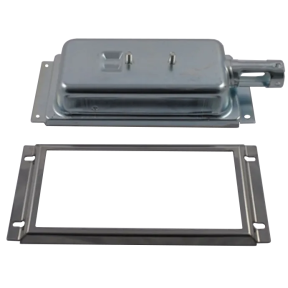
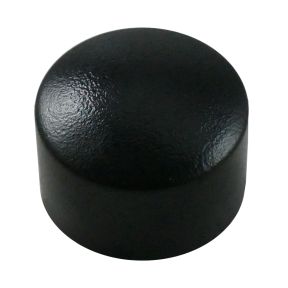
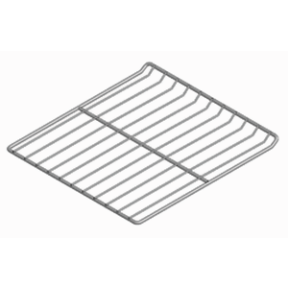
- Burners, caps, and grates
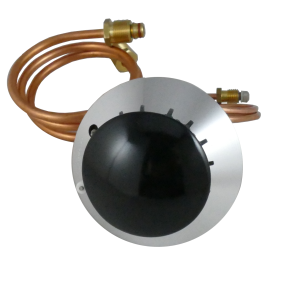
- Oven thermostats and control valves
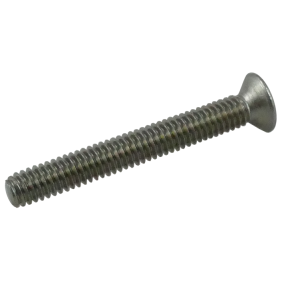
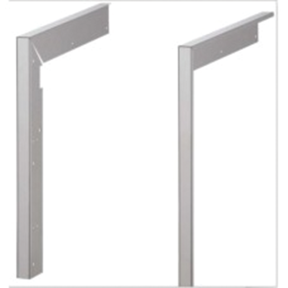
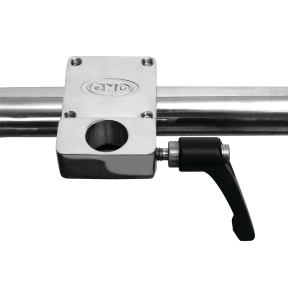
- Door seals, gimbal kits, and pan rails
Use detailed parts diagrams to confirm part numbers and revision changes before ordering.
Installation & safety
Follow the manufacturer’s instructions for your specific model and consult reputable safety materials when working with LPG. Publicly available previews reference ABYC A-3 as a recognized guidance point; review local requirements for your boat and flag state.
- Mount per template; verify clearance, gimbal swing, and anchor points.
- Pressure test LPG system; confirm detector and solenoid operation.
- For electric, verify conductor gauge, overcurrent protection, and grounding.
Note: This page is informational only and does not certify compliance. Always defer to the latest manufacturer instructions and applicable standards or regulations.
Why buy from Fisheries Supply?
- Large in-stock inventory.
- Knowledgeable representatives for parts identification.
- Pro Accounts available for qualified businesses.
- Nationwide and worldwide shipping.
Frequently Asked Questions
What types of Force 10 marine stoves are available?
Propane and electric models in 2-, 3-, and 4-burner configurations, including gimbaled oven ranges and built-in ceramic cooktops.
Can I replace parts for my Force 10 stove?
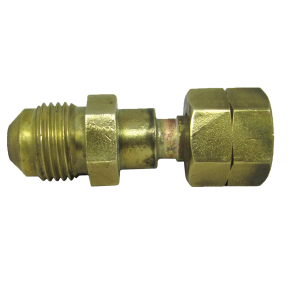
Yes—common replacements include thermocouples, burners, igniters, valves, and oven thermostats. Use a parts diagram to confirm exact part numbers.
How do I install a Force 10 stove?
Always start with the model-specific owner’s manual. For LPG installs, reference reputable safety materials and perform leak checks and system tests before operation.
How do I decide between two and three burners?
Match burner count to crew size and cooking style. Three burners support larger cookware and simultaneous tasks; two burners save space and fuel.
What if I’m converting from LPG to electric?
Confirm shore power availability or inverter capacity, solar panel output, wire size, and breaker protection. Review the cooktop’s amperage draw and installation template.