Marine Holding Tank Treatment: Your Best Choices
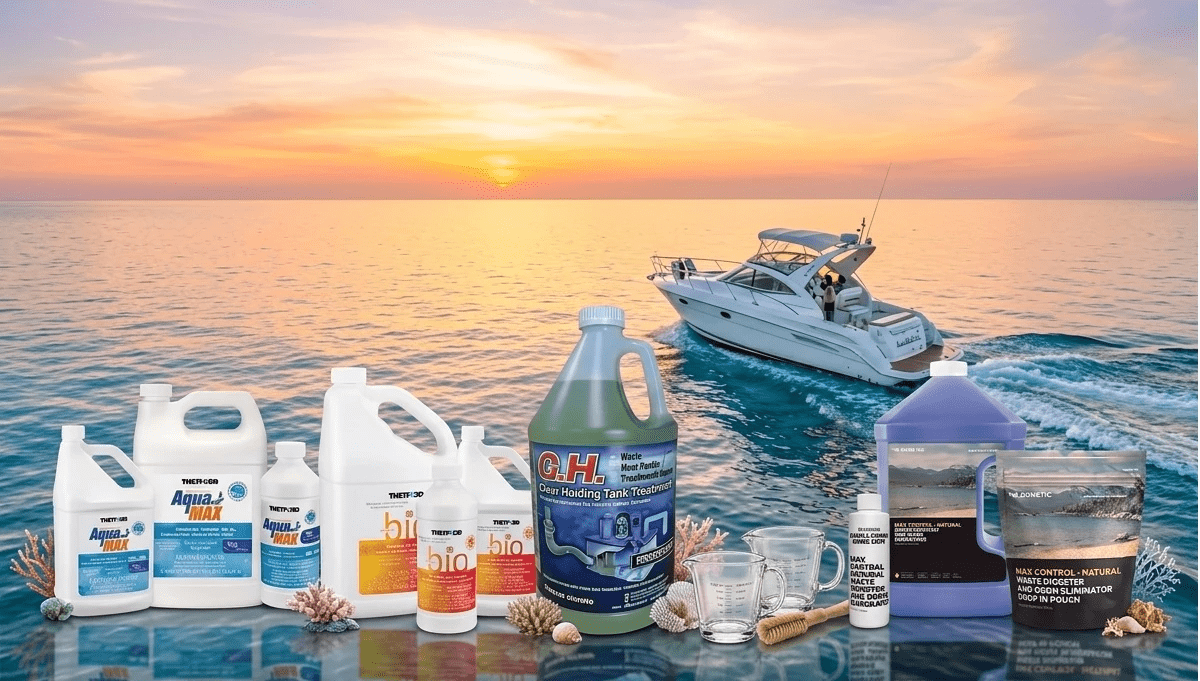
Tired of getting on your boat after a few weeks away only to be greeted with a dire case of BBS (bad boat smell)? At Fisheries we are proud to supply a wide variety of holding tank treatment products that can help you resolve even the worst case of BBS with very little effort on your part. Following, we break down some of the options to help you decide which product will work best in your holding tank.
Key Takeaways: Marine Holding Tank Treatments and Odor Control
- Choose the Right Treatment Type: Select from bacterial, chemical, or enzyme-based treatments based on your boat's ventilation and other configurations.
- Ventilation is Critical: Both bacterial and enzyme treatments require good airflow to effectively break down waste and eliminate odors.
- Avoid Product Mixing: Never combine different treatment types, as residual chemicals (like formaldehyde) can kill beneficial bacteria or deactivate enzymes.
- Monitor Tank Conditions: Watch for signs like unpleasant odors, slow drainage, or inaccurate gauge readings to determine when treatment or "shocking" is necessary.
- Temperature Matters: Extreme heat or cold can reduce the effectiveness of enzyme and bacterial treatments.
- Maintain Plumbing Integrity: Odors can sometimes be caused by aging sanitation hoses rather than the tank itself, requiring hose replacement to resolve.
- Fresh Water Flush Trick: Flushing with four cups of fresh water before leaving the boat prevents seawater bacteria from producing "rotten egg" sulfur smells.
- Versatile Application: Most modern treatments are biodegradable and safe for use in both blackwater (toilet) and greywater (sink/shower) tanks.
Bacterial, Chemical or Enzymes - Oh My!
When it comes to selecting a toilet treatment for your holding tank, understanding the product description is crucial. Our holding tank treatments are designed with advanced formulas that effectively break down organic waste and eliminate foul odors. These treatments are user-friendly and safe for various systems.
These products not only digest waste but also provide a pleasant scent, making your boating experience much more enjoyable. With our comprehensive range of options, you can find the ideal holding tank treatment tailored to your specific needs, whether for regular maintenance or emergency situations.
Most of the products we carry will fall into one of these three categories, so here is how each one works and some things to keep in mind when choosing.
Bacterial Treatments
Basically these are products that contain live "aerobic" bacteria that you introduce into your holding tank. While slightly more expensive, they pay off in the long run because, given the right environment, these bacteria will continue to reproduce on their own and so last longer with fewer treatments, plus they are totally environmentally friendly. These guys work by crowding out the "anaerobic" bacteria (the super smelly odor-producing guys) while they break down the raw sewage in your tanks and hoses. Sounds great, right? So what's the catch? Aerobic bacteria need good ventilation to survive and reproduce, so if your holding tank is not well ventilated, this is not the product for you. If your boat's ventilation is good and you want to give this a go, just make sure there are no other residual toilet treatments left in the tank as they will likely kill this "good" bacteria before they can get started. Bacterial treatments we carry include the K.O. and C.P. products from Raritan.
Chemical Treatments
There are a whole slew of chemical-based options from several manufacturers, but lest you think chemicals are automatically bad, most of the products we carry are actually classified as environmentally friendly and biodegradable. Max Control products from Sealand work by breaking down "organics" and toilet tissue without using the formaldehyde-based chemicals of yesteryear. The Aqua Bio line from Thetford is another effective way to break down the holding tank contents and tissue without formaldehyde or bronopol, meeting all of California's new regulations. Or you can try the super effective and highly recommended Noflex Digestor from Zaal, which is a Peroxyl-based powder that releases micro-bubbles of oxygen that break up the sludge and promote the growth of naturally occurring aerobic (good!) bacteria, which inhibit the odor-causing anaerobic process (the super stinky gas). Noflex needs to be added regularly and, like some of the other toilet treatments, must not be combined with any other treatments or chemicals to work effectively.
Enzyme Treatments
These environmentally friendly products work by introducing enzymes that rapidly break down the organic waste, things like human waste and toilet paper, while also neutralizing the odors those materials produce as they decompose. Similar to bacterial treatments, enzyme-based solutions require good airflow and proper ventilation to perform effectively. It's also important to ensure that no residual chemical treatments (like formaldehyde) are present in the tank, as these can deactivate the enzymes entirely and make the treatment ineffective. Unlike bacteria, enzymes don't multiply or adapt to their environment, so they must be added on a consistent schedule to maintain performance. They're also more sensitive to extreme temperatures, very hot or very cold conditions can significantly reduce their effectiveness, so your location should factor into your decision. If you're looking for options in this category, we offer products like Tri-Zyme or AquaMAX by Thetford, which are designed specifically for marine holding tanks.
What are the signs that your marine holding tank needs treatment?
Signs that your marine holding tank needs treatment include unpleasant odors, slow drainage, or visible sludge buildup. Additionally, if your tank gauge reading is inaccurate or fluctuates unexpectedly, it may indicate a need for professional marine holding tank treatment to maintain optimal performance and hygiene.
Use in Different Water Types and Conditions
The versatility of our holding tank treatments extends to various water types and conditions. These products are effective in both salt water and fresh water environments, allowing boaters to maintain their systems regardless of their location. Whether you're bashing into waves in the middle of the ocean or enjoying a serene lake, you can trust that our toilet treatments will still perform optimally.
Will it work if it freezes?
While our holding tank treatments are robust, extreme freezing temperatures can affect their performance. The odor-locking function and pleasant fragrance remain intact, but the efficacy may diminish if the product freezes solid. It's advisable to empty your holding tank before storing your boat for the winter if the temperature in your area drops below freezing. In cases where freezing occurs, it is recommended to allow the product to return to a liquid state before use.
Can the Treatments Be Used in Grey Water and Black Water Tanks?
Absolutely! Our holding tank treatments are versatile enough to be used in both greywater and blackwater tanks. This means you can effectively manage waste in your toilet systems as well as in your sinks and showers. The toilet treatments work by breaking down organic materials, preventing clogs, and eliminating odors in both types of tanks.
| Treatment Type | Pros | Cons | Performance in Blackwater | Performance in Greywater |
|---|---|---|---|---|
| Bacterial Treatments | Natural, eco-friendly; breaks down waste and odors biologically; reduces sludge buildup. | Can take longer to activate; less effective in cold temperatures or with chemical interference; needs regular use. | Highly effective; maintains biological balance; reduces odor and solids naturally. | Effective at controlling odor and organic waste buildup; breaks down fats, oils, and greases (FOGs). |
| Chemical Treatments | Fast-acting odor control; effective in extreme temperatures; long shelf life. | Can be tough on tank materials and seals; may kill beneficial bacteria. | Very effective at killing odor-causing bacteria or by chemically reacting with odor-causing molecules to neutralize them. | Less commonly used; may disrupt greywater recycling or harm plant life if discharged. |
| Enzyme Treatments | Breaks down waste and toilet paper efficiently; non-toxic and biodegradable; safe for all plumbing. | Doesn't eliminate odor-causing bacteria; may not work in warmer/colder temperatures or extended periods of use. | Aids in waste breakdown, but is less effective for odor without added deodorant. | Helps dissolve organic residues; useful in galley or shower greywater lines. |
By integrating these marine holding tank treatments into your maintenance routine, you ensure that all aspects of your wastewater system are functioning properly and odor-free.
Shocking the tank
Shocking the tank is an effective method to tackle stubborn odors and buildup in your holding tank. This process involves adding a concentrated dose of holding tank treatment to eliminate the residual waste and bacteria that standard treatments may not fully address. The shock treatment helps to reset the system, breaking down clogs and eliminating foul odors caused by buildup quickly.
Use a scale remover. Scale, often calcium carbonate build-up from saltwater flushing, is a common problem in holding tanks. Products with harsh chemicals like hydrochloric acid (HCl) are effective for dissolving calcium scales, but you must be careful about tank material compatibility.
For best results, follow the manufacturer's instructions regarding the amount to use and the duration of the shock treatment. Regularly shocking your tank not only maintains optimal performance but also ensures a more enjoyable boating experience, free from unpleasant smells and drainage issues.
When Your Boat's Plumbing Becomes the Villain
Sometimes the culprit behind those unpleasant odors isn't what's in your holding tank, it's the plumbing itself playing tricks on you. Over time, sanitation hoses start to break down, and those nasty smells actually seep right through the hose walls. It's like having a slow leak of stench that no amount of tank treatment can fix. When this happens, there's only one real solution: bite the bullet and replace those aging hoses. The good news? Fisheries Supply carries a wide range of sanitation hose options to get your system back in fighting shape.
Here's a neat trick if you're using salt water to flush: before you leave your boat for more than a few days, pour about four cups of fresh water into the toilet bowl and give it a flush. Why does this work? Well, when seawater sits around, sneaky little anaerobic bacteria start having a feast on any organic matter floating around. Their thank-you gift to you? Sulfur compounds that smell like rotten eggs, definitely not the scent you want greeting you when you return to your boat.
Best cleaning practices
To keep your holding tank in top condition, it's essential to follow best cleaning practices. Regular maintenance includes using the right amount of holding tank treatment after pump-outs to maintain a clean and odor-free environment. It's also important to ensure that your tank is well-ventilated, as this will help the treatment work effectively.
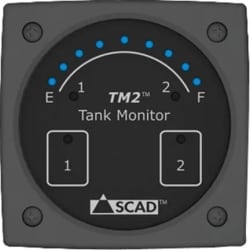
Monitoring your holding tank level on a recreational boat is crucial for preventing overflows, leaks, and unpleasant odors, while also ensuring compliance with marine sanitation regulations. We offer several tank monitor options to fit your boat.
Additionally, flushing the system with fresh water after adding the toilet treatment helps to distribute the product evenly throughout the bottom of the tank. By incorporating these cleaning practices into your routine, you can prolong the life of your holding tank and enhance your boating experience.
Legal and Environmental Regulations for Marine Waste Disposal
When it comes to marine waste disposal, understanding the legal and environmental regulations is crucial for vessel owners and operators. The regulations are not only designed to safeguard marine ecosystems but also to ensure compliance with international treaties and local laws. Organizations such as the International Maritime Organization (IMO) have established guidelines that dictate how and where waste can be disposed of at sea, including strict limits on the discharge of sewage and gray water. In addition, many coastal states have implemented their own regulations, which may be even more stringent, requiring the use of approved marine holding tank treatment solutions that break down waste efficiently and prevent harmful pollutants from entering the ocean. Failure to adhere to these regulations can result in hefty fines.
FAQs
What happens if I use too much of a holding tank treatment product?
It's easy to think that "more is better" when it comes to holding tank treatments—but going overboard can actually cause more trouble than it's worth. The effects depend on the type of treatment you're using.
How can I remove the sludge at the bottom of my holding tank?
Empty the tank completely and rinse it thoroughly with a tank wand or flusher. Add a sludge-breaking treatment. Choose a product specifically formulated to break down solid waste and toilet paper,often called a "sludge digester" or "deep-clean" holding tank treatment. Flush and repeat as needed. Avoid harsh chemical treatments (like bleach or formaldehyde) that can kill beneficial bacteria or damage tank components.
We hope this article has helped clear the air when it comes to choosing your holding tank treatment, but if you still have questions about how to maintain your toilet bowl, please don't hesitate to contact our product experts at (800) 426-6930.