



Choosing Marine Potable Water Hoses for Your Boat
Marine potable water hoses carry drinking water through a boat’s freshwater system. Choose hose explicitly labeled for drinking-water use, then check its pressure and temperature ratings against the intended application. Reinforcement, light exposure, routing, and fitting compatibility also affect the choice.
Key Takeaways
- Confirm drinking-water suitability and any stated drinking-water contact compliance.
- Check pressure, temperature, and bend-radius limits for the specific hose.
- Choose opaque hose where light reaches the water line.
- Match hose or tubing to compatible fittings and installation guidance.
Drinking-Water Suitability and Contact Standards
Check the product labeling and documentation for explicit potable-water suitability. NSF/ANSI/CAN 61 addresses the health effects of materials that contact drinking water, including hoses, pipes, fittings, and sealing materials. It does not establish pressure performance, taste and odor, or microbial-growth requirements, so those characteristics need separate consideration.
Review the NSF overview of drinking-water system component requirements when comparing stated compliance.
Compare Hose Construction and Application
| Option | Application | What to Check |
|---|---|---|
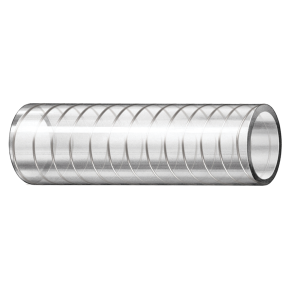
| Reinforced hose | A candidate for pressurized freshwater systems and hot-water runs. | Confirm the specific hose’s pressure and temperature ratings. Reinforcement alone does not establish suitability for hot water. |
| Non-reinforced hose | May suit supported, protected, low-pressure cold-water runs. | Confirm the product is rated for the application and follow its routing limits. |
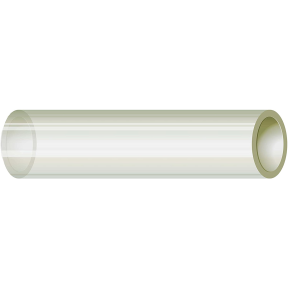
| Potable-water PVC or elastomer hose | Flexible drinking-water lines where the formulation is suitable. | Check drinking-water labeling and documented contact suitability for the specific product. |
Review the installation route for tight bends, abrasion, and vibration. Keep bends within the product’s stated limits and support and protect the hose where needed.
Opaque vs. Clear Hose in Light-Exposed Spaces
Choose opaque hose where daylight or other light reaches the run, including lockers with translucent hatches. Limiting light transmission helps reduce conditions that support algae growth. Opacity does not establish drinking-water suitability; check the hose labeling separately.
PEX Tubing for Boat Freshwater Systems
PEX, or cross-linked polyethylene, is another option for potable-water distribution aboard. Select tubing and compatible fittings suitable for the application, and follow the manufacturer’s installation guidance and applicable marine standards.
Browse Potable-Water Hose and Tubing Brands
Explore marine potable-water hose and quick-connect tubing options from Trident Marine, SeaTec, and Whale. Compare each product’s ratings and connection requirements before choosing.
For on-deck options, browse garden and marine hoses and confirm drinking-water suitability if that is the intended use.
Inspect Hose Condition and Plan Replacement
Inspect potable-water hoses annually for stiffening, cracks, and other deterioration. Service life depends on the formulation, temperature, ultraviolet exposure, and mechanical stress. Replace degraded hose and investigate changes in water taste or odor rather than relying on a fixed replacement interval.
Frequently Asked Questions
Why are many marine potable hoses white?
White outer covers are common on potable-water hoses and are often paired with opaque liners to reduce algae growth. Always confirm the hose is explicitly labeled for drinking water and compliant with recognized standards.
How long do potable-water hoses last aboard?
Longevity depends on formulation, temperature, UV, and mechanical stress. Inspect annually and replace if you notice stiffening, cracks, or taste/odor. Many boat owners plan for replacement roughly every 10 years, or earlier if signs of degradation appear.
Can I use PEX on a boat for potable water?
Yes. PEX is commonly used aboard for potable systems due to durability and freeze resistance. Use marine-appropriate fittings and follow installation guidance from recognized standards bodies.