


Stay Connected on the Water: Marine Cell Boosters, Routers & Monitors
Marine cell phone boosters amplify weak cellular signals to support voice calls and data use aboard a boat. Routers let multiple devices share an onboard internet connection, while marine monitors provide displays for compatible navigation and onboard systems. Choose equipment around your cruising area, available cellular signal, installation layout, and system compatibility.
Key Purchase Checks
How Marine Cell Phone Boosters Support Calls and Data
A marine cell phone booster captures weak cellular signals through an external antenna, amplifies them, and rebroadcasts them inside the boat. Improving incoming and outgoing signal strength can help a phone maintain usable service where reception is intermittent.
When cellular service is available, this can support calls to shore contacts, email, weather forecasts, and navigation updates. Results depend on the available signal and antenna setup; a booster does not establish a fixed offshore coverage distance.
Compare Boosters, Routers, and Marine Monitors
| Marine Electronics Equipment | Main Function | Selection Consideration |
|---|---|---|
| Marine Cellular Boosters | Amplify available cellular signals for onboard voice and data use, covering multi-band 4G LTE and 5G connections. | Match the system to your operating area and antenna installation rather than relying on an offshore distance claim. |
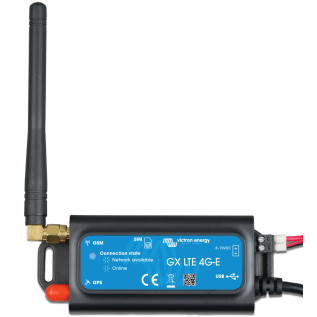
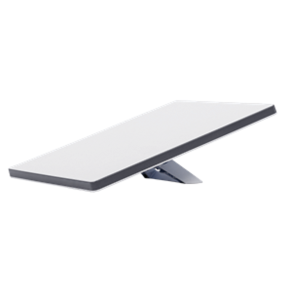
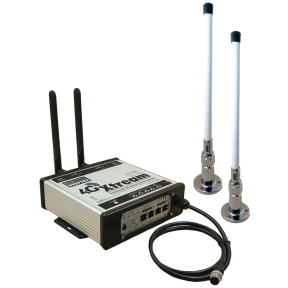
| 4G Wi-Fi routers | Allow multiple onboard devices to share a cellular data connection. | Check how the router connects to the cellular data source and other equipment. |
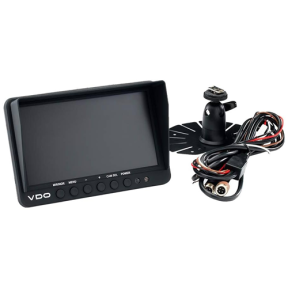
| Marine display monitors | Display information from compatible navigation and onboard systems. | Check system integration, sunlight readability, and suitability for the installation location. |
| Power Supply & Fusing | Ensure hardwired routers and amplifiers connect to a dedicated DC breaker or fused panel using proper marine-grade tinned wire sized for voltage drop. | Protects onboard DC electrical systems against overcurrent shorts and complies with ABYC E-11 marine electrical standards. |
Choose Equipment Around Your Boating Use
Start with where you use the boat and what you need the connection to do. Coastal cruising, nearshore fishing, extended cruising, and commercial use can involve different reception conditions and onboard demands.
- Identify whether you need improved phone reception, shared internet access, onboard displays, or remote monitoring.
- Consider the available cellular signal in your operating area. Greater distance from shore can make reception more challenging, but does not by itself determine the required amplifier.
- Check compatibility between the cellular equipment, router, displays, and any monitoring systems you intend to connect.
- Review antenna locations, cable routing, amplifier placement, and environmental exposure before choosing the system.
Compare individual systems using their documented capabilities. Amplifier power alone is insufficient to establish offshore range or connection quality.
Installation Considerations That Affect Performance
| Component | What to Check | Why It Matters |
|---|---|---|
| External antenna | Choose a location as high as practical, such as a suitable radar arch or mast location. | Antenna height can improve line-of-sight to shore-based cell towers. |
| Amplifier | Provide a dry, well-ventilated installation location below deck. | Placement must account for moisture exposure and ventilation. |
| Antenna separation | Maintain adequate vertical or horizontal separation between external and internal antennas. | Separation helps prevent signal feedback or oscillation. |
| Cables and connectors | Review cable routing and use components suitable for marine exposure. | The installation must account for the conditions the components will encounter. |
Frequently Asked Questions
What is the difference between a cellular modem and a Wi-Fi router?
A cellular modem connects to a cellular network to provide a data source. A Wi-Fi router creates a local wireless network that lets devices such as smartphones and tablets share that connection. Check how those functions are provided by the equipment you choose.
Can connectivity equipment support remote boat monitoring?
Yes, compatible connectivity equipment can support onboard monitoring systems. Some LTE-M modem installations allow owners to check information such as battery levels, bilge status, and GPS location through mobile apps. Confirm which monitoring functions the specific equipment supports.
Explore Related Onboard Systems
For entertainment and onboard monitoring, explore marine stereo systems and boat security cameras.