
Restore and Maintain Your Boat’s Finish with Marine Polishing Products
Marine compounds, polishes, buffing pads, and tools support boat finish restoration and routine upkeep on fiberglass and gelcoat surfaces. Choose products according to the surface condition and the stage of work, from correcting oxidation to refining the finish.
Key Takeaways
- Match the abrasive level to the surface condition to avoid unnecessary material removal.
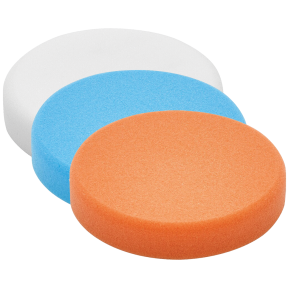
- Coarse, medium, and fine pads support different stages of correction and finishing.
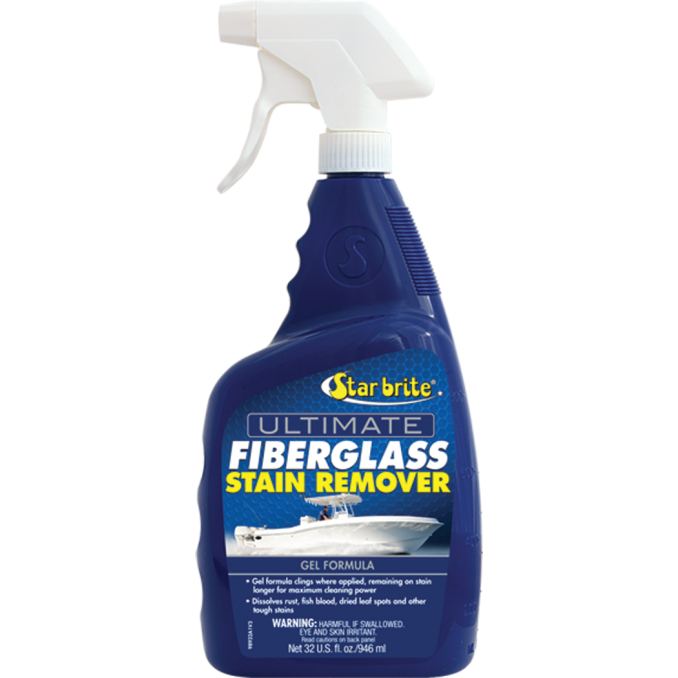
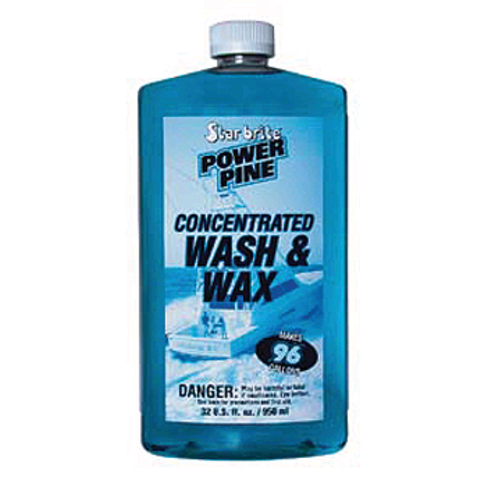
- Wash and degrease the surface before compounding or polishing.
The Role of Boat Buffing and Polishing
Sun, salt, and contaminants can degrade gelcoat and painted finishes over time. Regular polishing helps manage this wear and maintain the surface. Depending on the condition, the work may address oxidation, scratches, or surface stains and improve the finish’s appearance.
Selecting Boat Polishing Products
Start by assessing the surface condition, then match the abrasive level and pad to the work. Marine polishing systems are typically used in stages, moving from more aggressive correction toward final finishing.
| Product or process | Purpose or use |
|---|---|
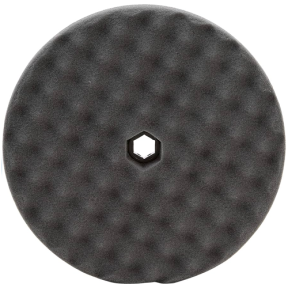
| Coarse pads | For heavy oxidation and surface correction. |
| Medium pads | For refining and smoothing. |
| Fine pads | For final gloss and clarity. |
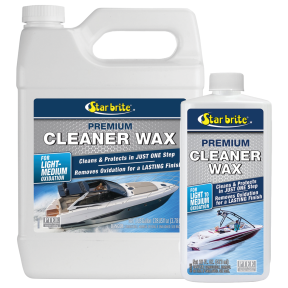
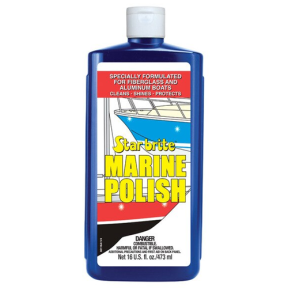
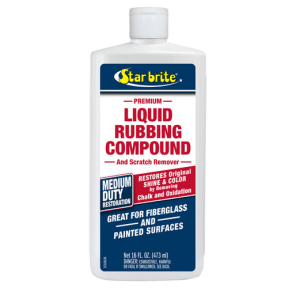
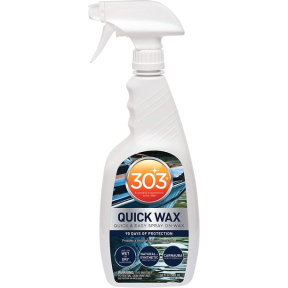
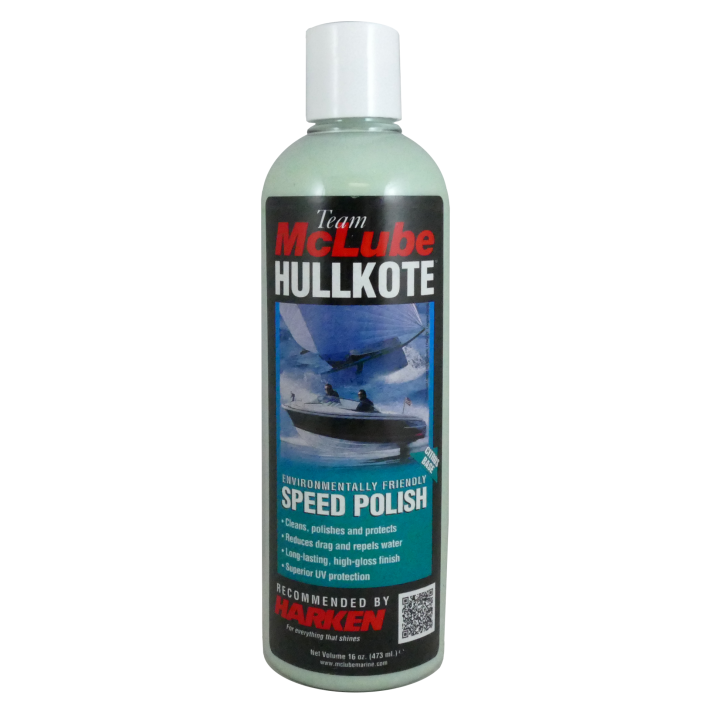
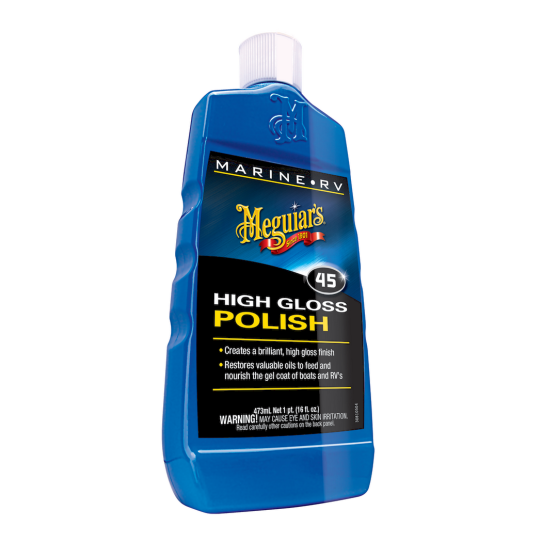
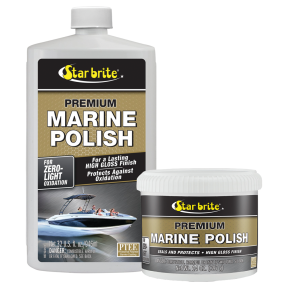
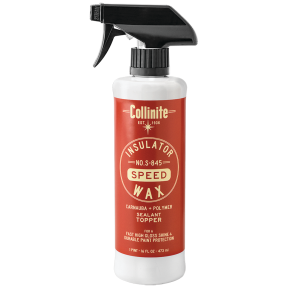
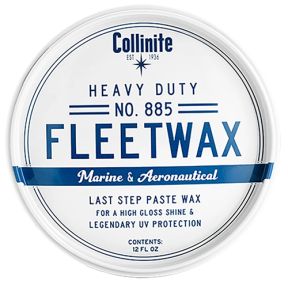
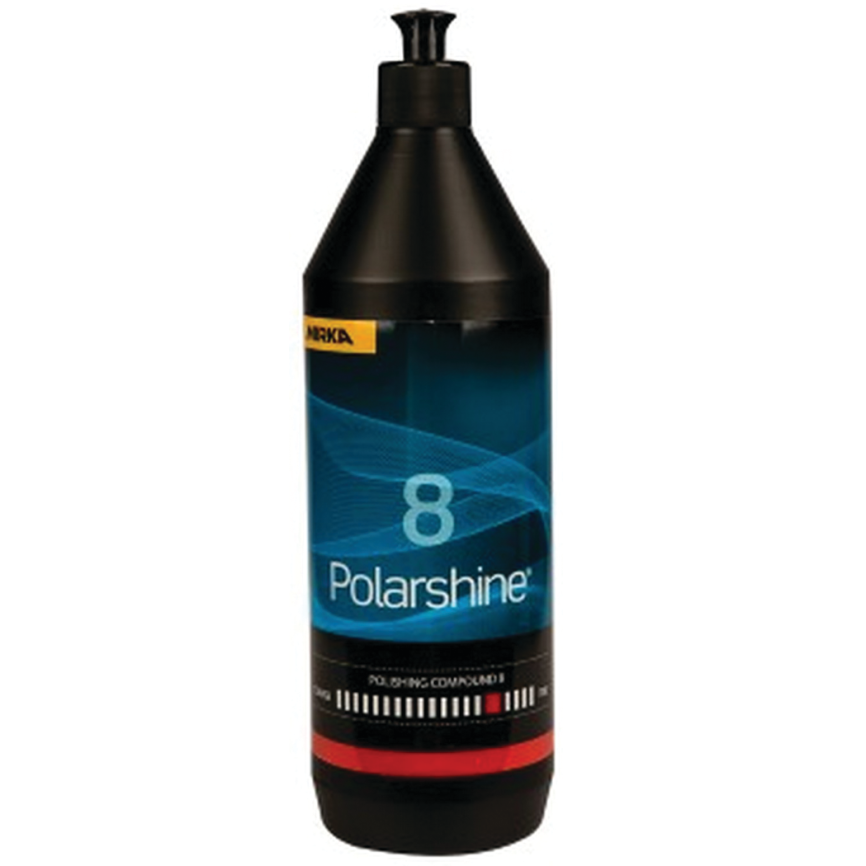
| Compounds, polishes, and marine waxes | Choose a formula suited to the material and stage of work. |
| Compounding | Uses abrasive compounds to remove oxidation or fine scratches. |
| Polishing | Uses finer abrasives to refine the surface and enhance shine. |
| Buffing | Uses powered tools to apply compound or polish evenly. |
Choosing a Wool or Foam Pad
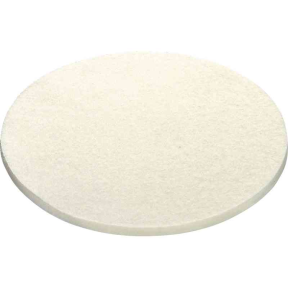
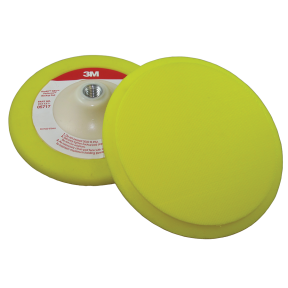
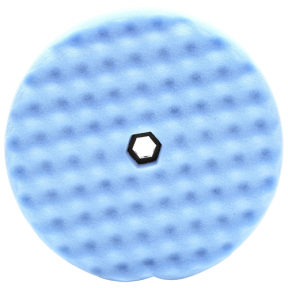
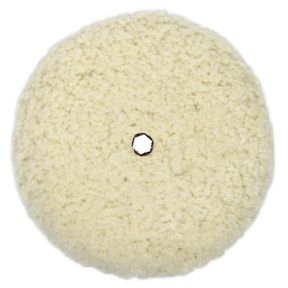
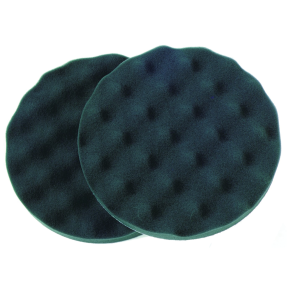
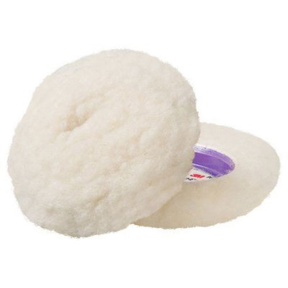
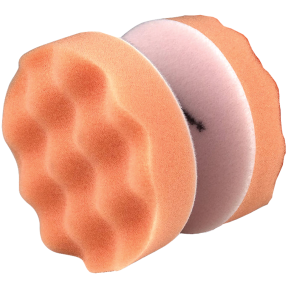
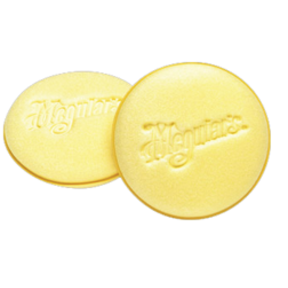
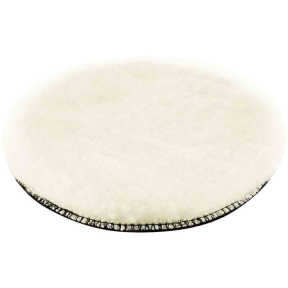
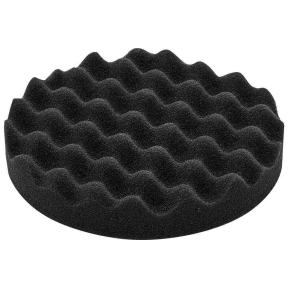
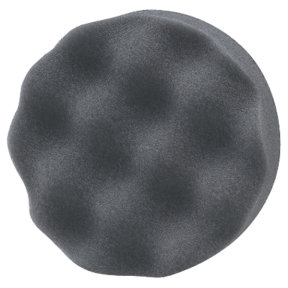
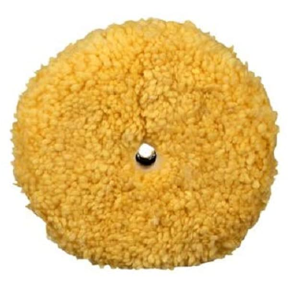
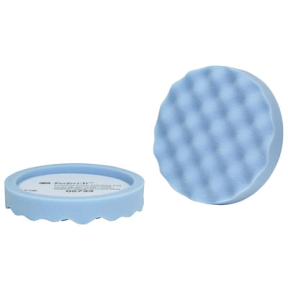
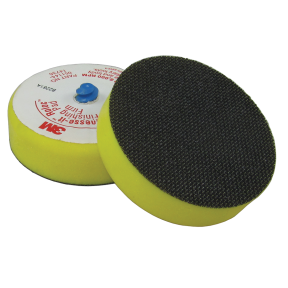
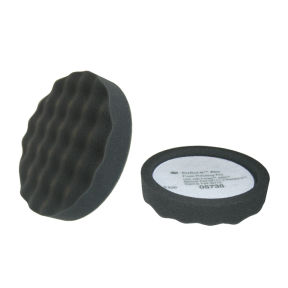
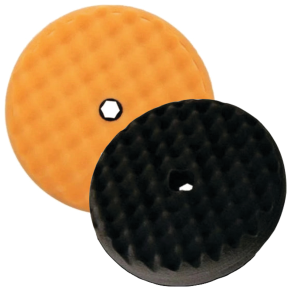
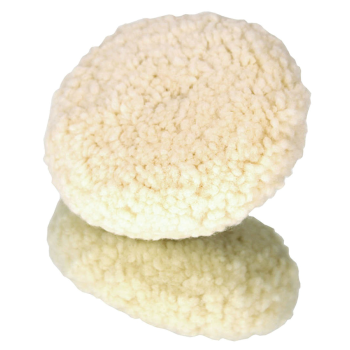
Wool pads are more aggressive and generate more friction, so they are suited to heavy compounding and significant imperfections. Foam pads offer more control and come in different densities for lighter polishing, finishing, or waxing.
Prepare the Surface Before Buffing
Wash and degrease the hull before compounding or polishing. Surface salt, grit, and grime can add abrasion during buffing. Light sanding may be needed if defects are present, and a final solvent wipe removes oils or wax before compound is applied.
Boat Polishing Supplies from Fisheries Supply
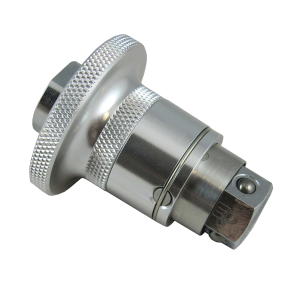
Fisheries Supply offers marine polishing equipment for recreational boaters, DIYers, and professional installers, including complete buffing kits and individual components.
- Marine-grade polishing and rubbing compounds
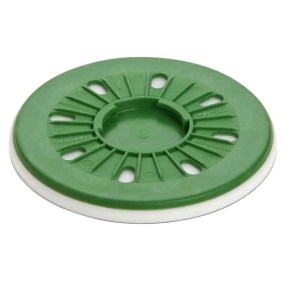
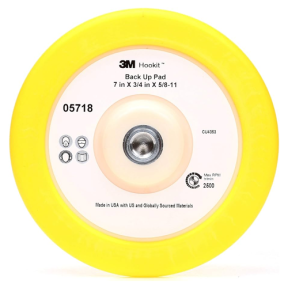
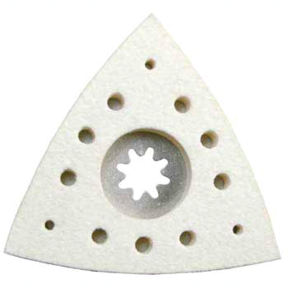
- Buffing pads for different polishing stages
Frequently Asked Questions
What is the difference between compounding, polishing, and buffing on a boat?
Compounding uses abrasive compounds to remove oxidation or fine scratches. Polishing refines the surface with finer abrasives to enhance shine. Buffing is the use of powered tools to apply compounds or polish evenly.
When should fiberglass gelcoat be compounded instead of just polished?
Compound the gelcoat when oxidation, chalking, or sanding marks are present. Polishing alone is suited to light oxidation; heavily oxidized surfaces should be compounded first, then polished.
How should I prepare a hull before compounding and polishing?
Wash and degrease the surface first. Light sanding may be needed if defects are present, and a final solvent wipe removes oils or wax before applying compound.
When should I choose a wool pad over a foam pad?
Choose wool for heavier compounding and significant imperfections; it is more aggressive and generates more friction. Foam pads offer more control for finishing and polishing, with different densities for lighter tasks such as waxing or fine polishing.
Do I need to wash the boat before buffing?
Yes. Washing removes surface salt, grit, and grime that could add abrasion and scratch the finish during compounding or polishing.
How can I reduce compound splatter when starting a buffer?
Apply product to the pad, then use the buffer while it is off to spread the compound over a small 2' by 2' area before turning it on.