Boat Shrink Wrap and Supplies
Covering your boat during the off-season helps protect it from water intrusion, airborne debris, and surface grime that can accumulate over months of storage. Proper coverage reduces wear on topside finishes and makes spring commissioning faster and easier.
At A Glance
- Protects boats from moisture, debris, and winter weather.
- Creates a tight, custom-fit seal using heat.
- Suitable for seasonal storage and transport.
- Only requires basic tools and proper ventilation.
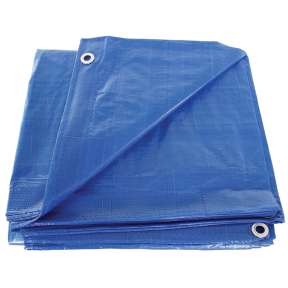
While polyethylene tarps and canvas covers are common solutions, many boat owners choose marine shrink wrap for extended storage. Shrink wrap provides a tighter seal and more consistent protection, while canvas covers are often significantly more expensive.
Why Choose Shrink Wrap for Your Boat?
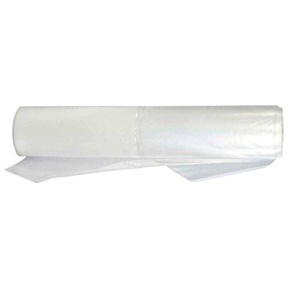
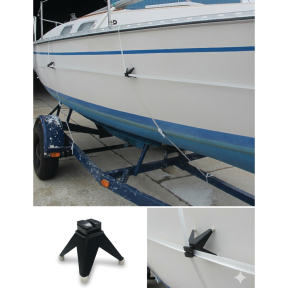
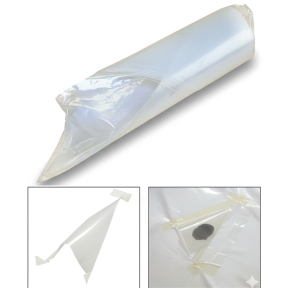
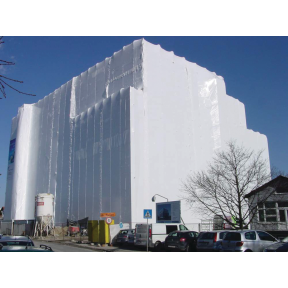
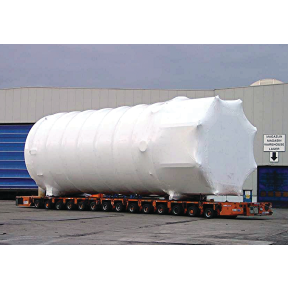
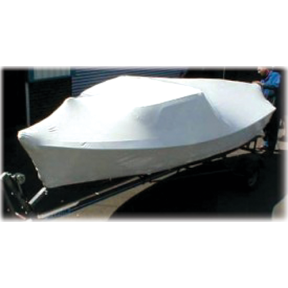
Boat shrink wrap is a thin plastic sheeting that tightens when heated, forming a custom-fit cover around the hull and deck. This method is widely used for winter storage and for protecting new boats during shipment from manufacturers.
Benefits of Boat Shrink Wrap
- Durability: Designed to handle demanding winter conditions with minimal maintenance.
- Custom fit: Heat shrinking creates a tight seal that blocks water, dirt, and debris.
- UV resistance: Many materials include UV inhibitors to slow sun-related degradation.
- Ease of handling: Straightforward installation and removal for seasonal storage.
Types of Boat Shrink Wrap Supplies
Fisheries Supply stocks a full selection of boat heat shrink wrap supplies to support both DIY boaters and professional installers.
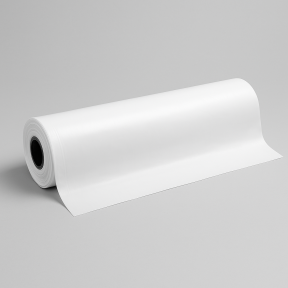
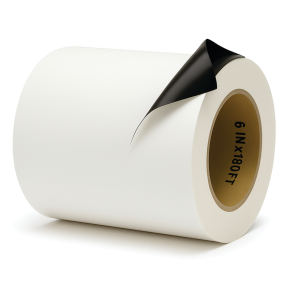
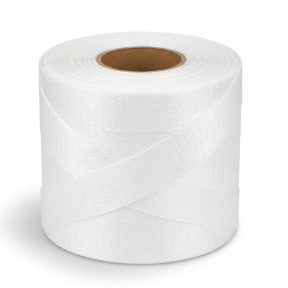
- Individual rolls: Multiple widths and thicknesses for different boat sizes.
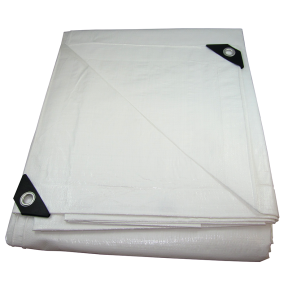
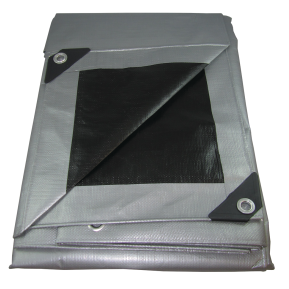
- Shrink wrap tarps: Heavy-duty sheets intended for marine storage.
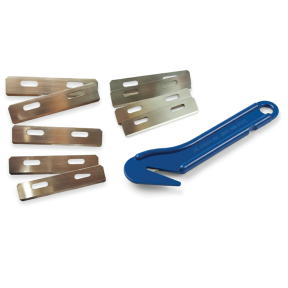
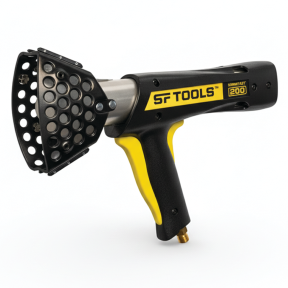
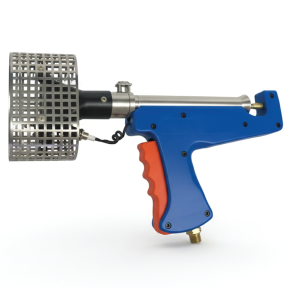
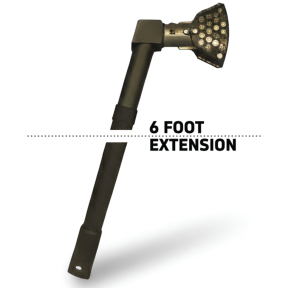
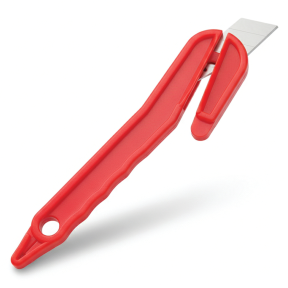
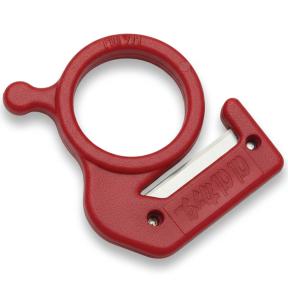
- Heat tools: Propane heat guns and accessories for proper installation.
How to Shrink Wrap Your Boat
Materials Needed
- Boat shrink wrap
- Heat gun
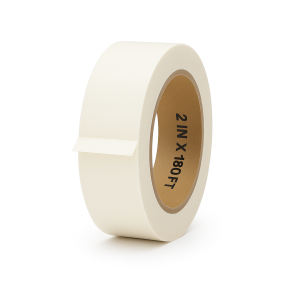
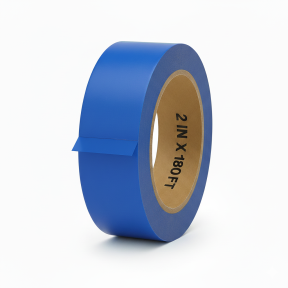
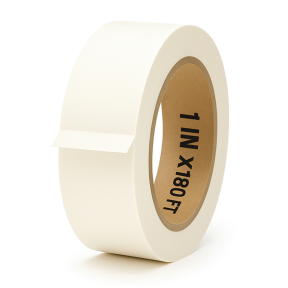
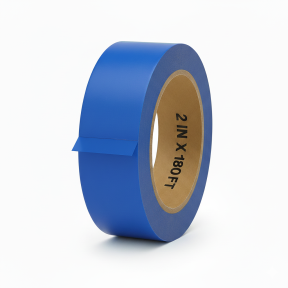
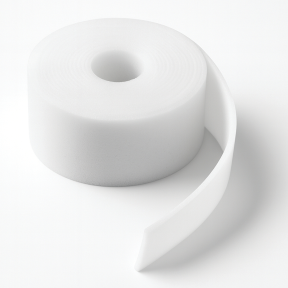
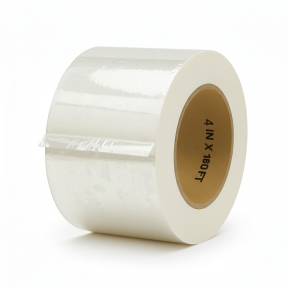
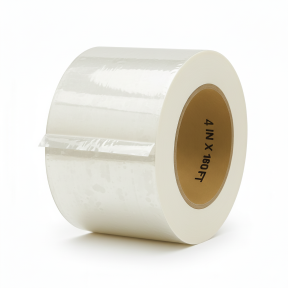
- Shrink wrap tape
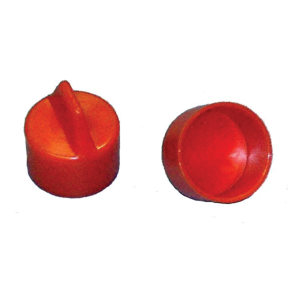
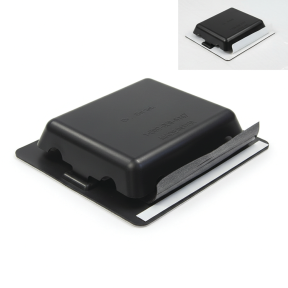
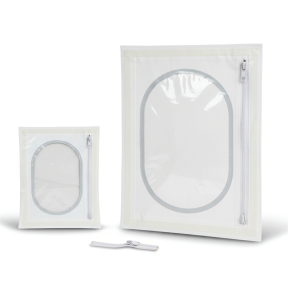
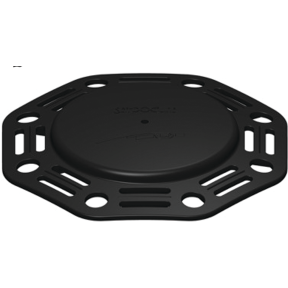
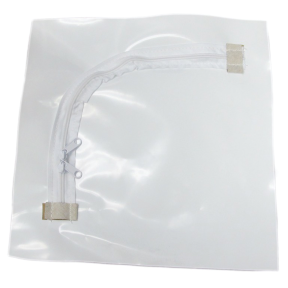
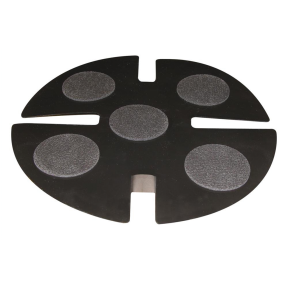
- Vent covers
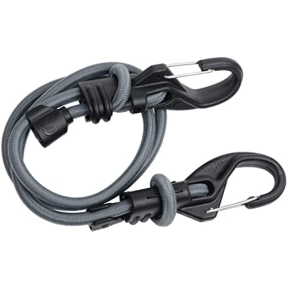
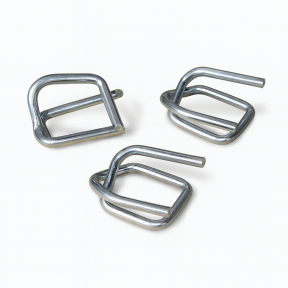
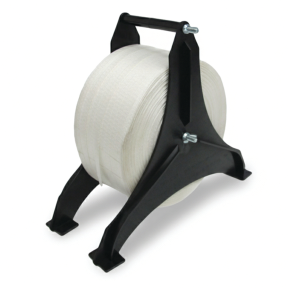
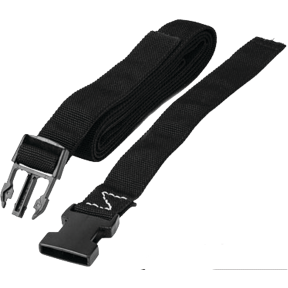
- Strapping and buckles
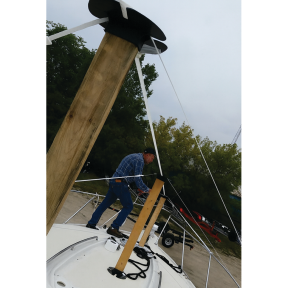
- A-frame support (wood or metal tubing)
Steps to Shrink Wrap Your Boat
- Preparation: Clean and dry the boat; remove items sensitive to heat or moisture.
- Covering: Drape the shrink wrap to fully protect exposed surfaces.
- Securing: Strap the material firmly around the hull.
- Heating: Shrink from the bottom up for even tension.
- Ventilation: Install vents to reduce moisture buildup.
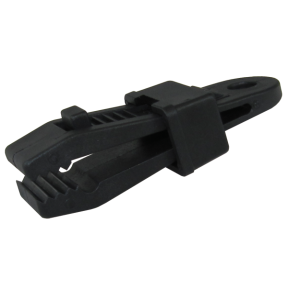
As a dedicated marine supplier, Fisheries Supply offers shrink wrap kits, individual rolls, tape, clips, vents, and heat tools—everything needed for reliable long-term storage. Marine tarps from established brands are also available.
For additional storage support, explore our boat jack stands inventory.
Frequently Asked Questions
Why is shrink wrap commonly used for winter boat storage?
Shrink wrap forms a tight, custom-fit cover that protects boats from water, dirt, and debris during extended storage periods.
What materials are needed to shrink wrap a boat?
The process requires shrink wrap, a heat gun, tape, vents, strapping with buckles, and an A-frame support structure.
Is boat shrink wrap environmentally friendly?
Standard shrink wrap is made from non-biodegradable polyethylene, but recyclable options and regional recycling programs may be available.
Can shrink wrap damage a boat’s finish?
When applied correctly, shrink wrap does not damage finishes or paint, though it should be avoided on freshly painted or wooden boats.
How do I choose the correct mil thickness for my boat shrink wrap?
Thickness is typically determined by your storage environment and the size of the boat. For most recreational boats in areas with moderate snow and wind, 7-mil is the industry standard. 6-mil is generally reserved for smaller boats or items in temperate climates, while 8-mil to 10-mil thicknesses are recommended for larger boats, high-wind regions, or heavy snow-load conditions to prevent puncturing and collapsing.
What is the difference between white, blue, and clear shrink wrap?
White is the most versatile choice as it reflects heat, maintaining a stable temperature under the cover to minimize condensation. Blue is preferred in heavy snow-load areas because it absorbs heat, helping snow and ice melt and slide off more easily. Clear wrap is primarily used for brokerage boats or "live-aboards" where interior visibility or natural light is needed, though it requires extra attention to ventilation due to heat buildup.
How do I prevent mold and mildew from forming under the wrap during winter?
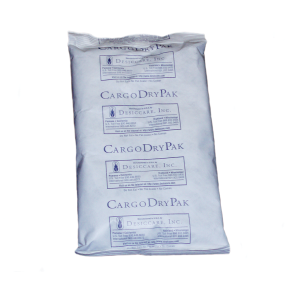
The most effective way to prevent moisture buildup is through proper ventilation and moisture absorbers. You should install self-adhesive vents (ideally in a high/low configuration to promote cross-flow) and place desiccant bags or moisture-control buckets inside the boat. This airflow allows humidity to escape while keeping the interior dry throughout the storage season.
Can I use a standard heavy-duty tarp instead of shrink wrap?
While a 10-mil heavy-duty polyethylene tarp is a budget-friendly option, it does not provide the airtight seal that shrink wrap offers. Tarps are susceptible to wind-flap, which can cause surface abrasion on the hull, and they often collect water or snow in "pockets" if not supported by a rigid frame. Shrink wrap is "drum-tight," making it superior for shedding debris and resisting heavy weather loads.
What essential tools are needed to shrink wrap a boat myself?
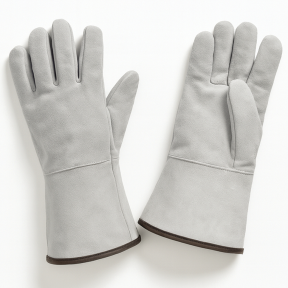
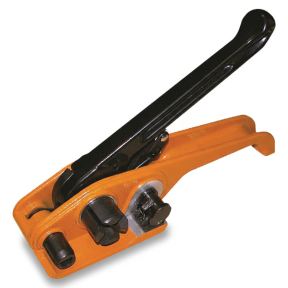
Beyond the wrap itself, you will need a propane-fired heat tool, a strap tensioning tool, and high-strength woven cord strapping to create the support structure. Essential accessories include shrink wrap tape for seams and patches, perimeter padding to protect sharp corners, adhesive vents, and heat-resistant safety gloves.