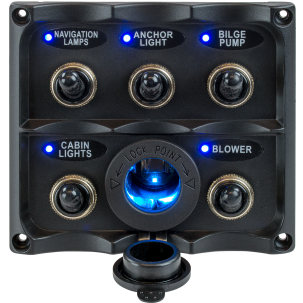
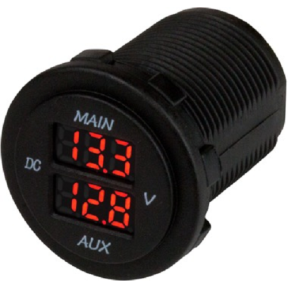
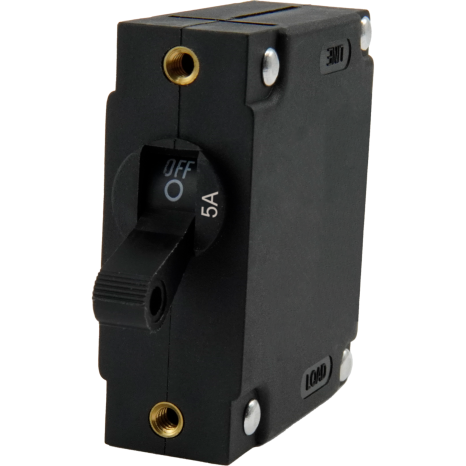
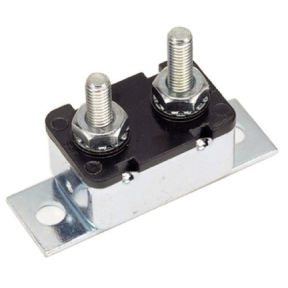


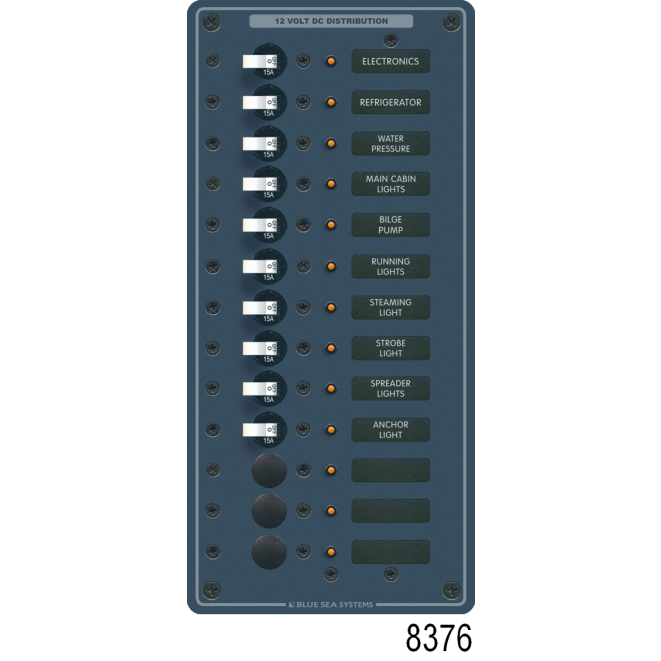
Marine Electrical Panels & Circuit Breakers
This category is for boat owners, marine electricians, and refit pros selecting marine electrical panels and circuit breakers with safety, reliability, and serviceability in mind.
Key Takeaways
- Match panel type (AC, DC, or integrated) and circuit count to your boat’s loads and space.
- Prioritize marine-grade construction, correct breaker ratings, and clear labeling for maintainability.
- Use sub-panels to isolate specialty loads and simplify troubleshooting.
- Plan for monitoring (volts/amps, status) and future expansion from the start. You'll be happy you did later.
What Marine Electrical Panels Do
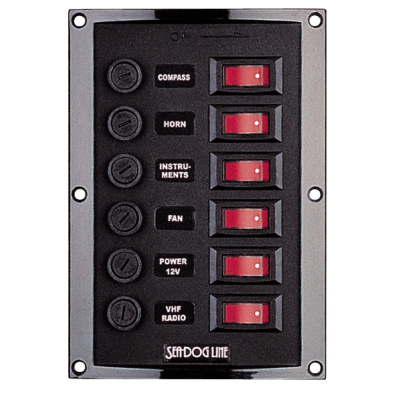
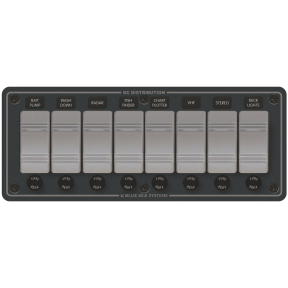
On any boat, the electrical panel is the central hub that distributes power from the primary sources—battery banks, shore power, and generators—to onboard applications. Panels combine switching, overcurrent protection, and system status indication to prevent overloads and simplify maintenance.
Panel Types & Core Functions
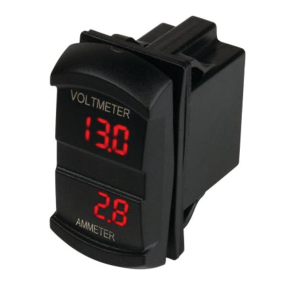
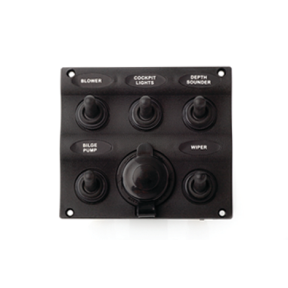
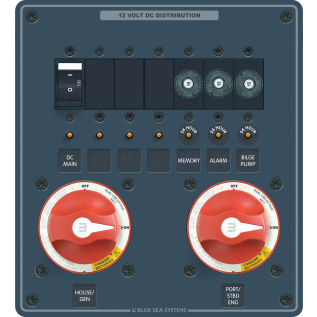
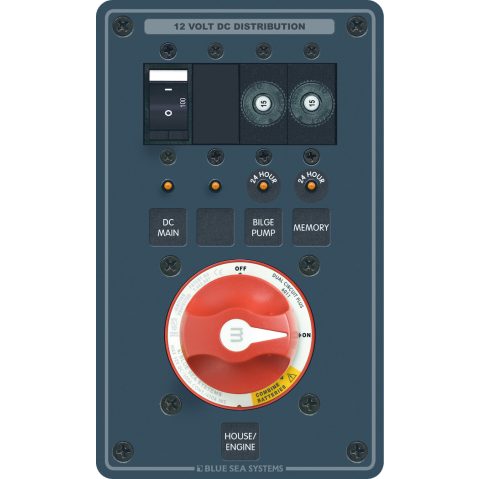
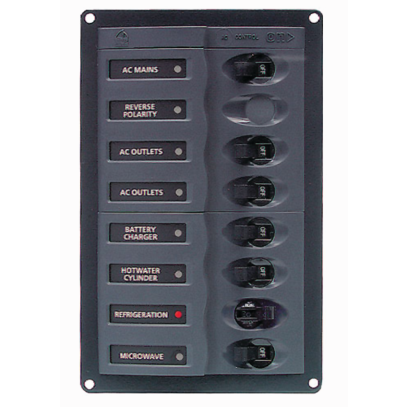
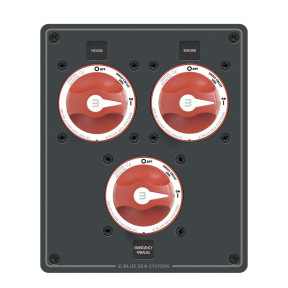
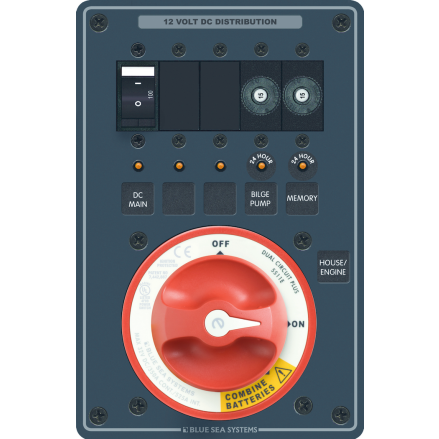
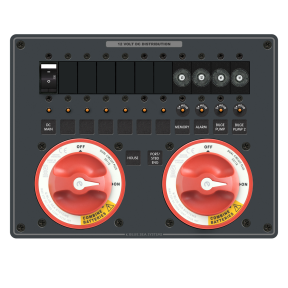
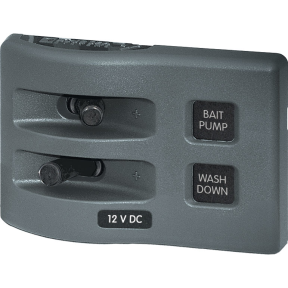
Main Distribution Panels: Main panels carry “house” circuits and usually provide a master disconnect and feeder protection. Typical features include system voltage monitoring, load amperage displays, and (for AC) a reverse polarity indicator for shore feeds. Sub-Panels: Use sub-panels to isolate special circuits: high-draw DC loads (e.g., windlass), emergency battery paralleling, AC loads that run only on shore/gen-set power, and dedicated metering or primary source selection (e.g., between battery banks or shore/gen AC).
How to Choose the Right Marine Electrical Panel
- Size & Configuration. Fit the panel to available space and required circuit count. Standard panels suit straightforward installs; custom layouts add features and ergonomic labeling.
- Power Type. Decide on DC, AC, or integrated AC/DC depending on sources and loads.
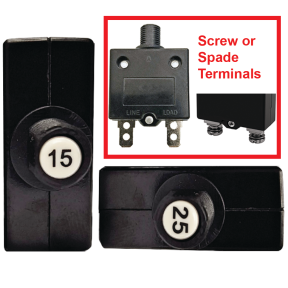
- Circuit Protection. Specify thermal or magnetic breakers with correct amp ratings and interruption capacity for each circuit.
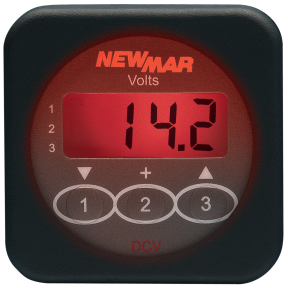
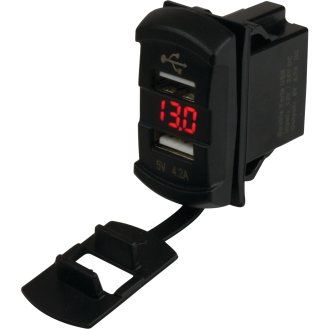
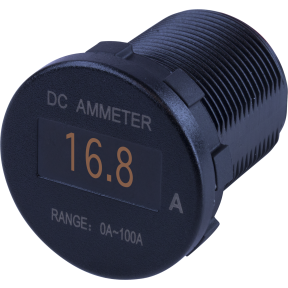
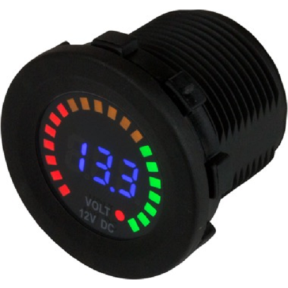
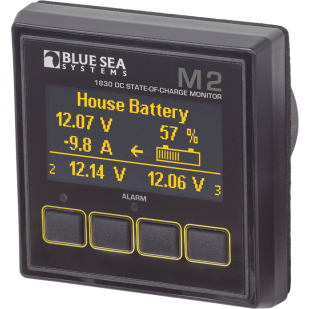
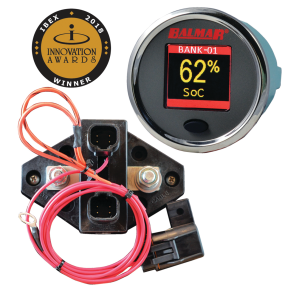
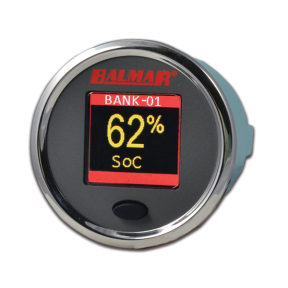
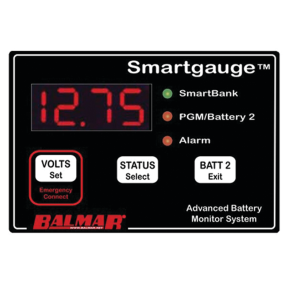
- Monitoring. Choose panels with built-in metering (volts/amps), status lamps, and clear legends; consider shunt-based metering for DC accuracy.
- Lifecycle & Wear. Breakers can degrade over time—especially if used as frequent on/off switches—so plan periodic function checks and replacement intervals.
- Serviceability. Choose marine-grade materials, front-serviceable breakers, drip shields in wet areas, and tidy harnessing with strain relief to prevent chafe.
- Future Growth. Reserve blank positions and capacity for new loads (electronics, refrigeration, auxiliary pumps).
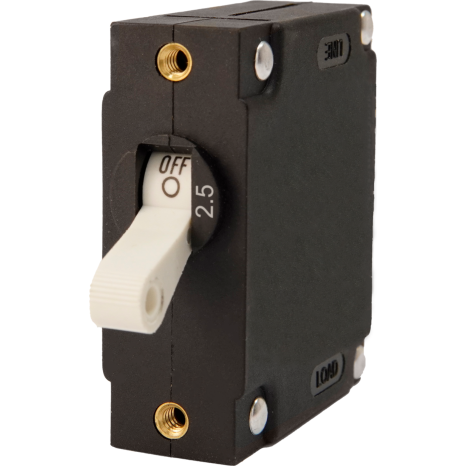
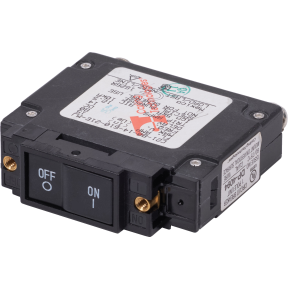
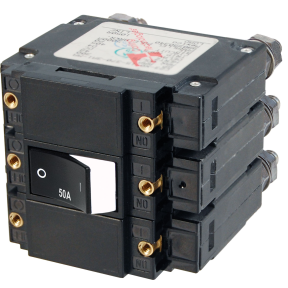
Marine Circuit Breakers—What to Know
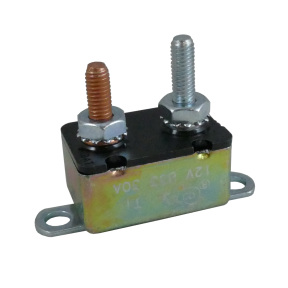
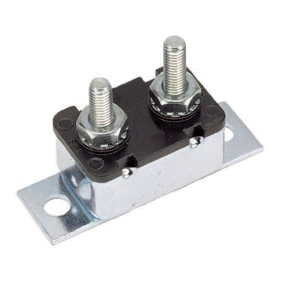
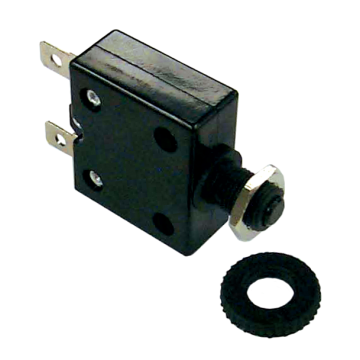
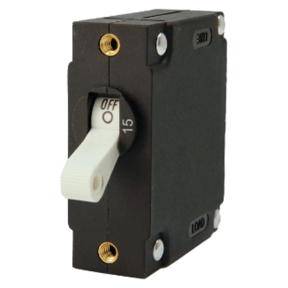
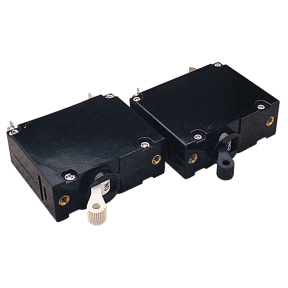
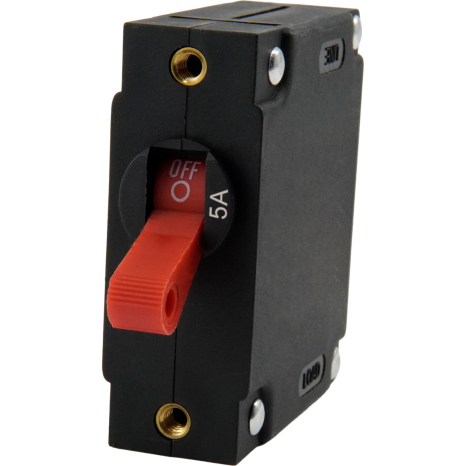
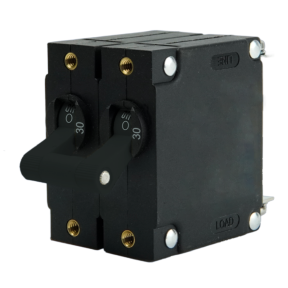
Marine breakers are typically thermal or magnetic devices that trip on overload and can be reset after clearing the fault. Correct selection, derating for ambient temperature, and marine-grade sealing/housings reduce nuisance trips and corrosion risks.
Marine Electrical Panels—Build & Ratings
Quality panels use corrosion-resistant alloys, marine-grade fasteners, and tinned copper buswork, with clearly stated amperage ratings per circuit and for the main feed. Look for conformal-coated PCBs, gasketed doors, and drip protection in exposed installations.
Shop now and save or browse our selection of marine fuse blocks.
Frequently Asked Questions
How do I size breakers for DC loads?
Select the breaker rating to protect the smallest downstream conductor and to accommodate inrush where applicable. Verify ampacity against insulation rating and ambient temperature.
When should I use a sub-panel?
Use sub-panels to segregate high-draw or mission-critical loads, reduce conductor runs, and simplify fault isolation and maintenance.
What’s the difference between thermal and magnetic breakers?
Thermal breakers trip based on heat from sustained overcurrent; magnetic breakers trip quickly on higher overcurrents—useful for motor inrush and short-circuit protection strategies.
Can I use breakers as on/off switches?
Occasional switching is acceptable for many marine breakers, but frequent use accelerates wear. Use dedicated switches where routine operation is needed.
How do I plan for future expansion?
Choose a panel with spare circuits and adequate bus capacity, leave service loops, and document load calculations for future additions.