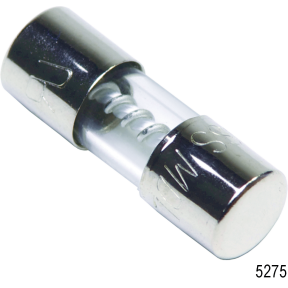
Marine Fuse Blocks and Panels
Marine fuse blocks and fuse panels play a central role in protecting a boat’s electrical system. Two qualities matter most in marine environments: resistance to water intrusion and long-term durability. These components must be built from high-quality materials and manufactured to withstand vibration, moisture, and heat.
At a Glance
- Marine fuse blocks protect wiring and electronic equipment from overloads.
- Watertight, durable construction is essential onboard.
- Different fuse types match different circuit requirements.
- Consolidated fuse blocks improve access and system organization.
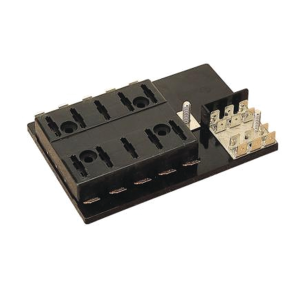
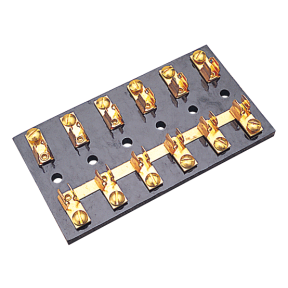
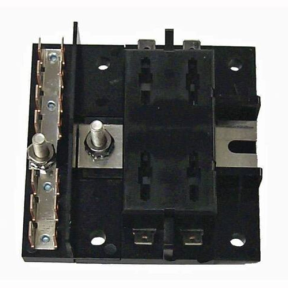
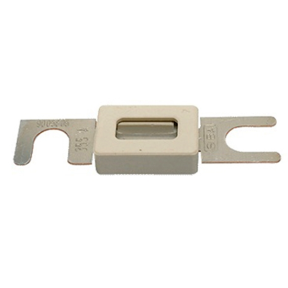
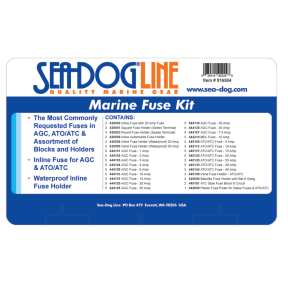
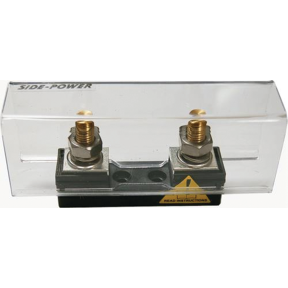
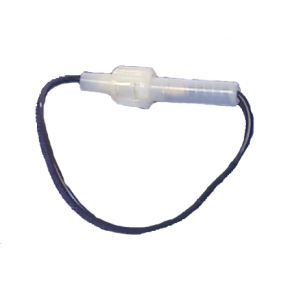
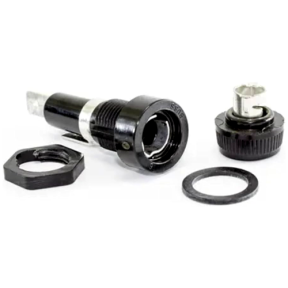
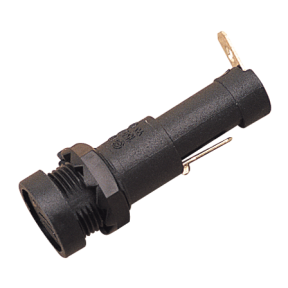
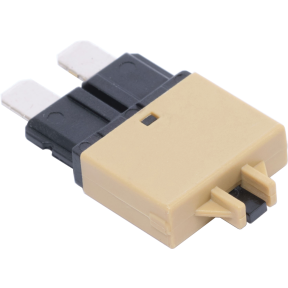
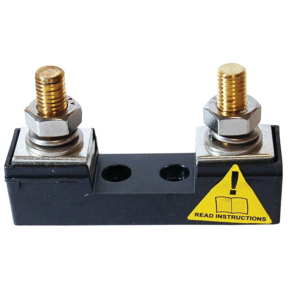
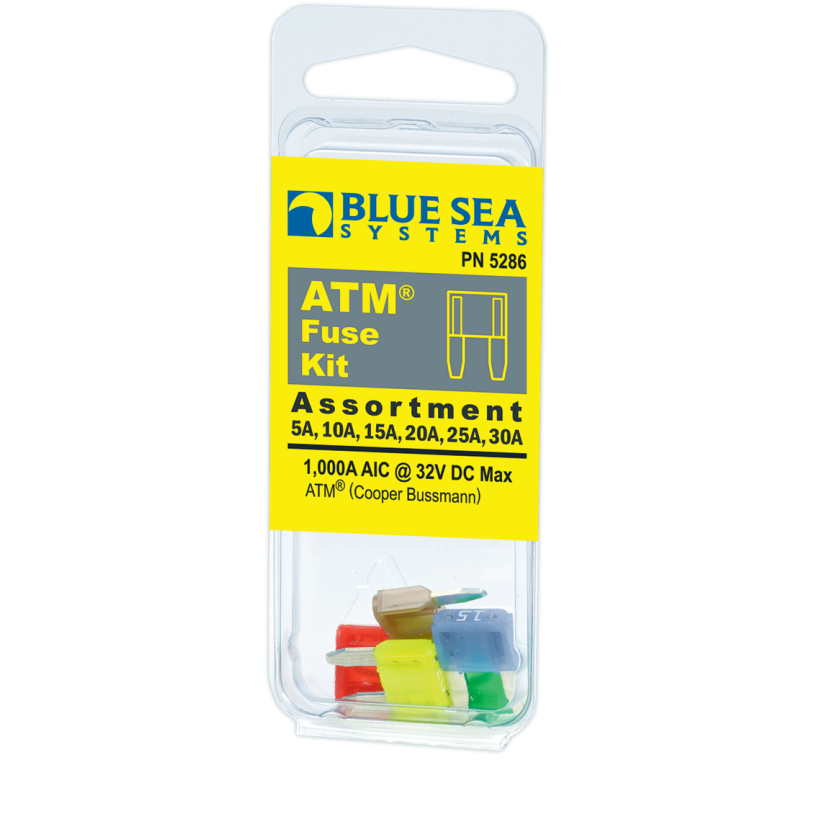
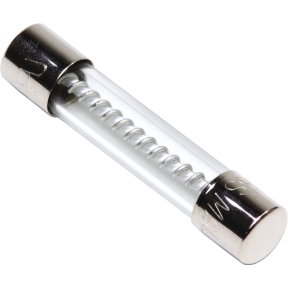
Fisheries Supply stocks a broad selection of marine fuse blocks, fuse boxes, and holders from established marine and electrical brands. The assortment includes fuse panels, inline fuse holders, and compatible fuses in common formats such as waterproof, ATC, AGC, ATL, ATM, GMA, and MDA.
Why Marine Fuse Blocks Matter
Marine fuse blocks protect onboard electrical systems from short circuits and overloads. When a fault occurs, the fuse is designed to fail first, interrupting power before wiring or connected equipment is damaged.
This sacrificial function helps reduce the risk of costly repairs and lowers the chance of electrical fires, especially in confined engine rooms and distribution panels.
Key Features of Quality Marine Fuse Blocks
- Watertight construction: Limits moisture intrusion in exposed or damp locations.
- Durable materials: Often made from Polybutylene Terephthalate (PBT) or similar plastics that resist heat, corrosion, and mechanical stress.
- High ampere interrupt capacity: Supports higher electrical loads found in large battery banks and high-demand circuits.
Types of Marine Fuses and Fuse Holders
Different electrical systems require different fuse styles. Fisheries Supply carries a wide range of marine-rated fuses and holders to match common onboard applications.
- Waterproof fuses: Ideal for environments where exposure to water is inevitable.
- ATC and ATO fuses: Widely used blade-style fuses known for availability and ease of replacement.
- AGC, ATL, ATM, GMA, and MDA fuses: Used for specific current ranges and circuit requirements across marine systems.
Fuse Categories
Marine Fuse Blocks
- Single and consolidated fuse blocks: Support both simple and more complex electrical systems.
- Water-resistant fuse blocks: Designed to withstand exposure to water and air moisture.
Boat Fuse Panels
- Multi-circuit panels: Organize multiple protected circuits in one location.
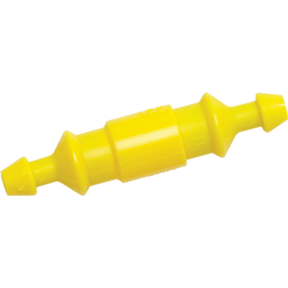
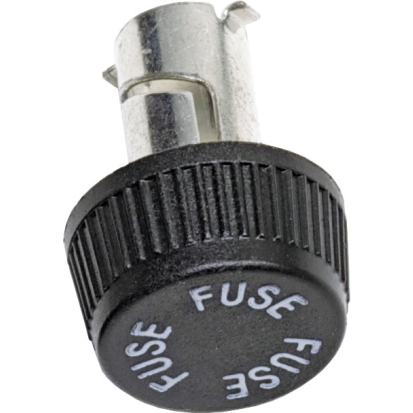
- Inline fuse holders: Allow fuses to be added directly into existing wiring runs.
Boat Fuses
- Standard blade fuses: Common, easy-to-source protection for many marine circuits.
- High-amp fuses: Intended for high-current loads and large battery systems.
Choosing the Right Marine Fuse Components
Selecting the correct fuse blocks and holders depends on your boat’s electrical layout and installation location.
- Number of devices: Choose a fuse block with enough circuits plus room for future additions.
- Circuits: Boats with extensive electronics often benefit from multi-circuit fuse blocks.
- Physical size: Ensure the fuse block fits the intended mounting location and allows safe wire routing.
Browse fuse panels for boats or explore our selection of marine circuit breakers.
Frequently Asked Questions
Why are marine-specific fuses different from automotive fuses?
Marine fuses use tinned copper conductors and moisture-resistant insulation to better resist corrosion and vibration found in marine environments, unlike standard automotive fuses.
How do I choose the correct fuse type for each circuit on my boat?
Fuses should be selected based on the circuit’s amperage and wire gauge so they open before wiring overheats. Device manuals and established marine wiring guidelines provide sizing direction.
Why is a marine fuse block recommended over individual inline fuses?
As the number of onboard circuits increases, a marine fuse block offers better organization, accessibility, and reliability. Inline fuses can be harder to access, more vulnerable to corrosion, and may lead to cluttered wiring over time.
What is the difference between a MEGA fuse and a Class T fuse?
While both are used for high-current protection, the primary difference lies in their speed and interrupt capacity. MEGA fuses are designed for time-delayed protection, making them ideal for battery and alternator circuits where temporary surges occur. In contrast, Class T fuses are extremely fast-acting and are the recommended choice for inverters due to their high Ampere Interrupt Capacity (AIC), which allows them to safely clear massive short circuits without catastrophic failure.
When should I choose MRBF (Marine Rated Battery Fuses) over other styles?
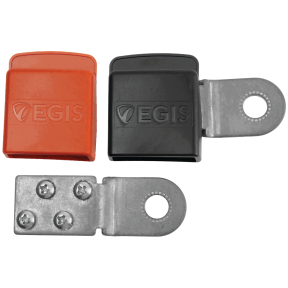
MRBF fuses are the preferred solution when space is limited or when you need to provide overcurrent protection as close to the power source as possible. Because they mount directly onto a battery terminal stud using a specialized block, they eliminate the need for short unprotected cable runs between the battery and an external fuse holder, satisfying ABYC safety standards for primary circuit protection.
What is an AIC rating and why does it matter for my battery bank?
AIC stands for Ampere Interrupt Capacity, which measures a fuse's ability to safely "stop" a current surge without creating an electrical arc that allows electricity to continue flowing. Large battery banks (especially Lithium or AGM) can discharge thousands of amps during a dead short; therefore, your main fuse must have an AIC rating high enough to handle that potential energy—typically 5,000A or higher for most marine systems.