Marine Solar Panels and Charge Controllers for Boats
Marine solar panels generate renewable power for sailboats and powerboats at anchor, underway, or away from shore power. Fisheries Supply offers rigid, semi-rigid, and flexible boat solar panels, charge controllers, marine-rated wiring, connectors, and system accessories for maintaining onboard battery banks.
Marine Solar System Key Takeaways
Marine Solar Equipment Brands
Available marine solar equipment includes products from OutBack Power Systems, SunPower, and Victron Energy. These systems support battery charging while reducing reliance on shore power and engine run time.
Types of Marine Solar Panels
| Panel Type | Features and Benefits | Mounting Applications |
|---|---|---|
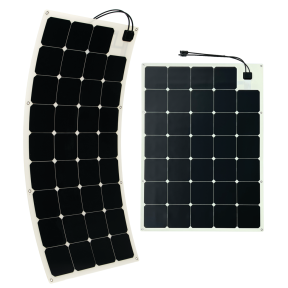
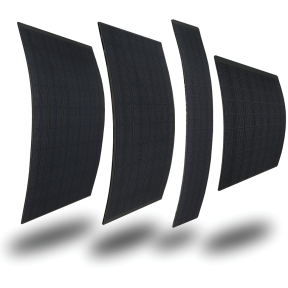
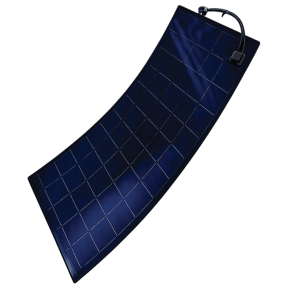
| Flexible Solar Panels | Lightweight panels that conform to curved surfaces and suit installations where panel weight or mounting space is limited. | Cabin tops, decks, canvas biminis, and dodgers using zippers, hook-and-loop fasteners, or grommets without permanent structural modification. |
| Rigid Glass Monocrystalline Panels | Provide high power output per square inch in direct sunlight. | Suitable mounting areas that can support a rigid panel installation. |
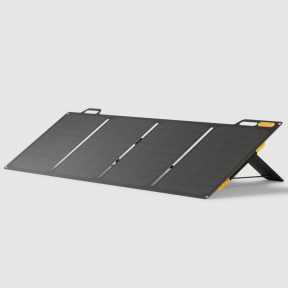
| Semi-Rigid Walk-On Panels | Combine a lower-profile design with support for compatible walk-on applications. | Compatible deck installations and other suitable low-profile mounting areas. |
Components of a Complete Marine Solar System
A properly matched boat solar system connects the power-generation, regulation, storage, and wiring components needed for consistent battery charging.
- Marine-grade solar panels
- Compatible solar charge controller
- Onboard battery bank
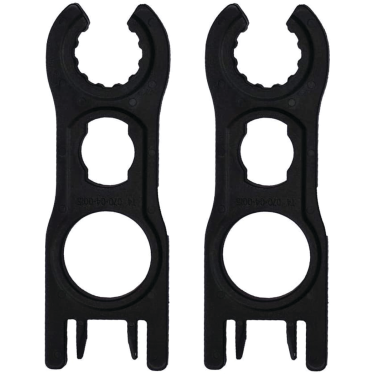
- Marine-rated connectors and wiring
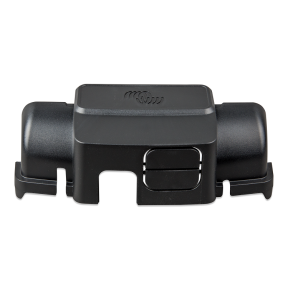
- MPPT WireBox components when required
- Optional inverter, solar monitor, or remote control based on the vessel’s electrical system
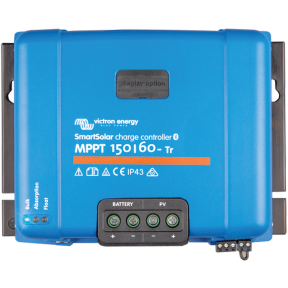
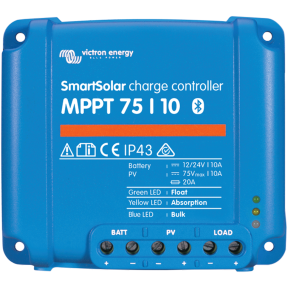
Marine Solar Charge Controllers
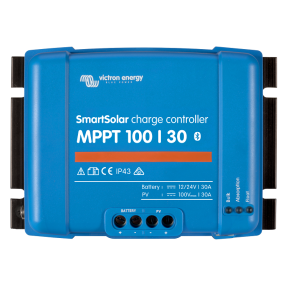
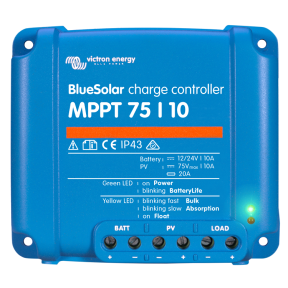
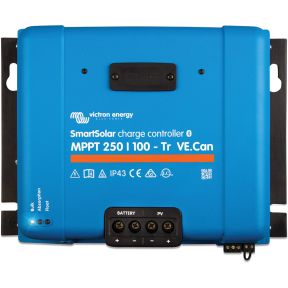
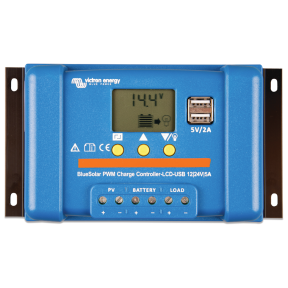
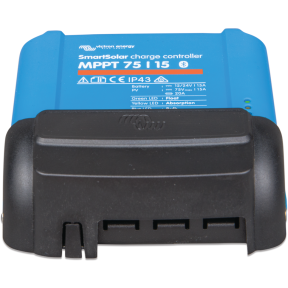
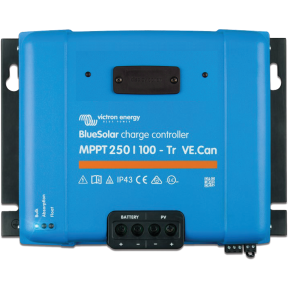
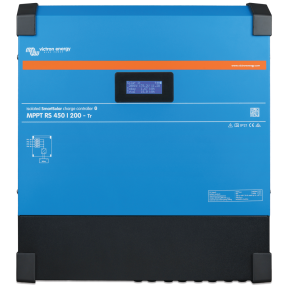
A solar charge controller regulates panel output before electrical power reaches the battery bank. A controller is needed when panel output voltage exceeds battery charging voltage, which is typically around 14.4 volts according to the supplied category information. Charge controllers are required to step down higher panel operating voltages and manage multi-stage charging algorithms (Bulk, Absorption, Float) specific to Lead-Acid, AGM, Gel, or LiFePO4 chemistry.
How to Select a Solar Charge Controller
- Calculate the combined wattage of all connected solar panels.
- Confirm the solar array’s total voltage and amperage.
- Compare those values with the controller’s rated limits.
- Verify compatibility with the battery bank and charging requirements.
- Account for the vessel’s normal electrical use and planned system expansion.
Marine Solar Panel Comparison
| Panel Type | Primary Advantage | Selection Consideration | Typical Marine Application |
|---|---|---|---|
| Rigid monocrystalline | Higher output per square inch in direct sunlight | More sensitive to shading and requires suitable mounting space | Fixed installations on compatible flat surfaces |
| Semi-rigid | Low-profile panel construction | Confirm whether the selected panel supports the intended deck installation | Compatible walk-on or low-profile mounting areas |
| Flexible | Lightweight and able to conform to curved surfaces | Choose mounting hardware suited to the panel and surface | Cabin tops, decks, biminis, and dodgers |
| Polycrystalline | Generally less affected by partial shading | May provide less output per square inch than monocrystalline panels. Monocrystalline (specifically with bypass diodes or IBC architecture) offers superior low-light performance and the highest power output per square foot. | Installations where variable light or partial shading is a concern |
Marine Solar Wiring, Connectors, and Accessories
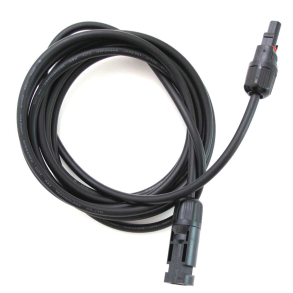
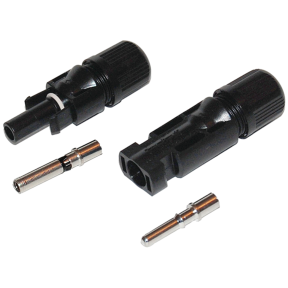
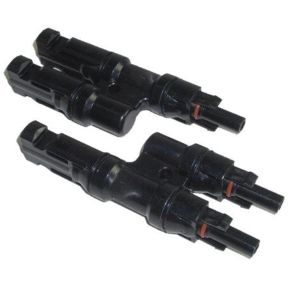
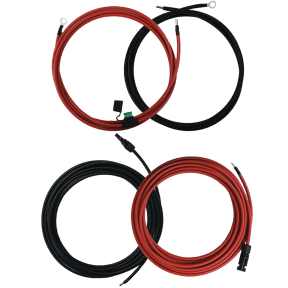
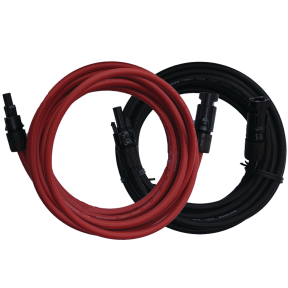
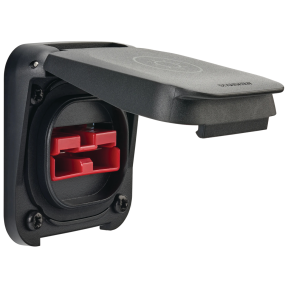
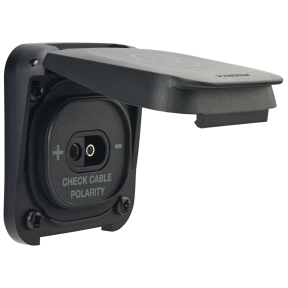
Marine-rated connectors, wiring, charge controllers, and related accessories manage electrical transfer between the solar array and battery bank. Component ratings and connection requirements should match the vessel’s electrical system and the solar equipment manufacturer’s instructions.
Browse marine solar accessories or read the guide to marine solar panel basics.
How to Choose Marine Solar Equipment
| Step | Selection Factor | What to Evaluate |
|---|---|---|
| 1 | Estimate Electrical Demand | Review daily power use, onboard equipment, and battery capacity. |
| 2 | Measure Mounting Space | Identify flat, curved, shaded, and exposed installation areas. |
| 3 | Select the Panel Type | Compare rigid, semi-rigid, flexible, monocrystalline, and polycrystalline options. |
| 4 | Size the Controller | Match total panel wattage, voltage, and amperage to the controller ratings. |
| 5 | Choose Marine-Rated Connections | Select wiring, connectors, and mounting hardware compatible with the system. |
Marine Solar System Planning Support
Fisheries Supply representatives can help evaluate wattage requirements, panel placement, mounting hardware, and charge controller options using a boat’s electrical system, available mounting area, and typical power use.
Frequently Asked Questions
How much solar capacity does a 30-foot boat need?
A 30-foot boat may need approximately 300 to 400 watts of solar capacity, but actual demand depends on daily electrical use, battery-bank capacity, onboard equipment, and mounting space. Calculate the vessel’s expected energy consumption before selecting panels, a charge controller, wiring, and related solar accessories.
Which type of solar panel works best on a boat?
The right boat solar panel depends on mounting space, surface shape, shading, and desired output. Flexible panels fit curved areas such as biminis and dodgers, while rigid monocrystalline panels provide higher output per square inch in direct sunlight but need a suitable fixed mounting surface.
When does a boat solar system need a charge controller?
A boat solar system needs a charge controller when panel output voltage exceeds the battery’s charging voltage. The controller regulates electrical output to limit overcharging risk. Select it by comparing the solar array’s combined wattage, voltage, and amperage with the controller manufacturer’s rated operating limits.
Can flexible solar panels be installed on a boat bimini or dodger?
Yes, flexible solar panels can be installed on compatible canvas biminis, dodgers, decks, and curved cabin tops. Common attachment methods include zippers, hook-and-loop fasteners, and grommets. Confirm that the mounting method supports the panel securely and follows the solar panel manufacturer’s installation instructions.
How does marine solar power help a boat at anchor?
Marine solar power helps maintain an onboard battery bank while a boat is at anchor or away from shore power. Properly sized panels can support everyday electrical loads and reduce reliance on engine charging or generators. System performance depends on sunlight, energy demand, battery capacity, and panel placement.