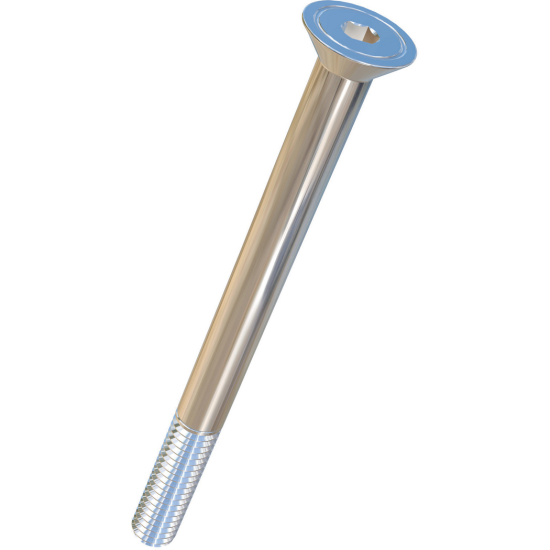
Marine Grade Bolts
Fisheries Supply carries marine-grade bolts and fasteners engineered for saltwater use. This page explains bolt types, materials, sizing, and care so boat owners can choose the right fastener with confidence.
Key Takeaways
- Match material to environment and surrounding metals to reduce galvanic corrosion.
- Use standards-based sizing and threads; verify proof strength for structural connections.
- Inspect, isolate dissimilar metals, and re-torque periodically; replace when pitting or crevice corrosion appears.
Types of Marine-Grade Fasteners
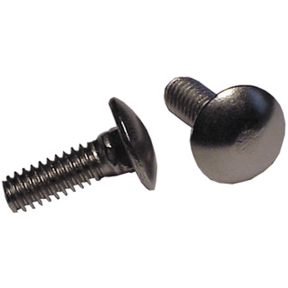
Marine Bolts
Marine bolts are designed to retain strength and resist corrosion in seawater and marine atmosphere.
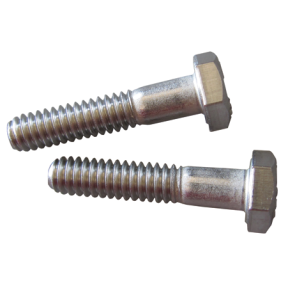
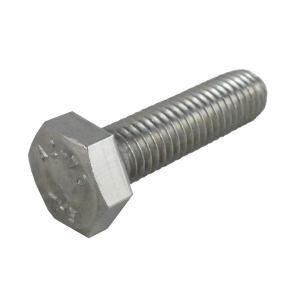
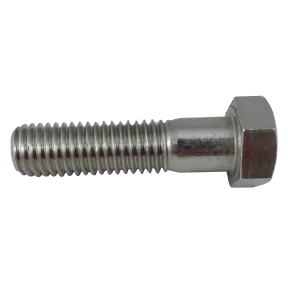
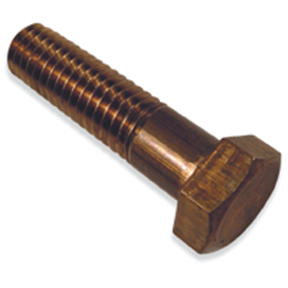
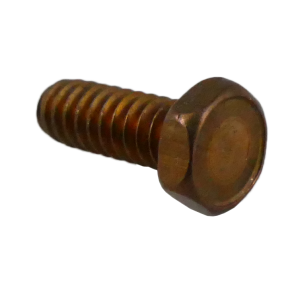
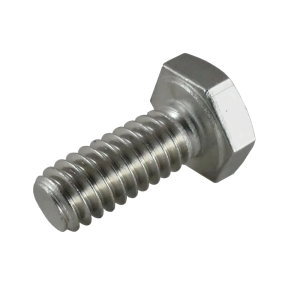
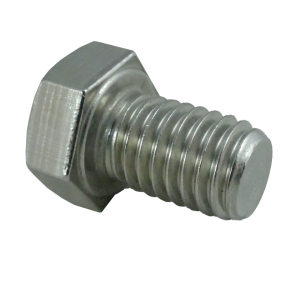
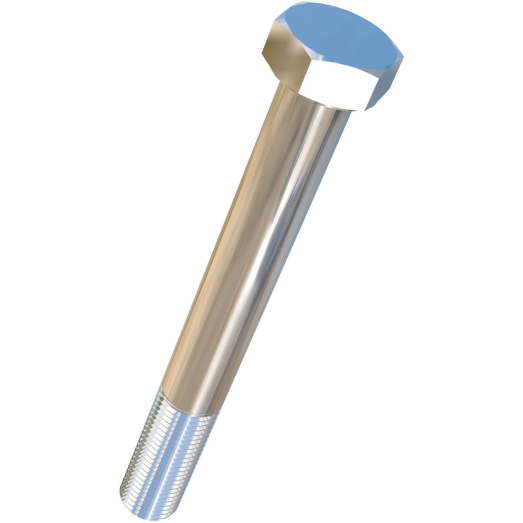
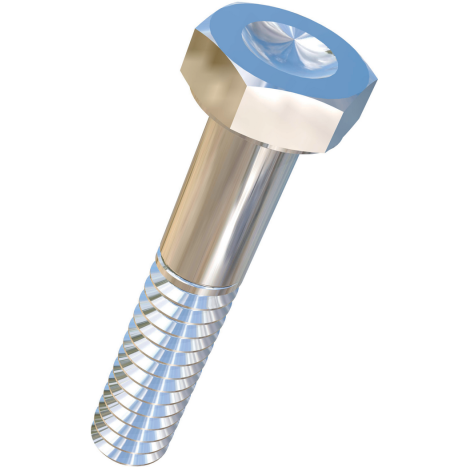
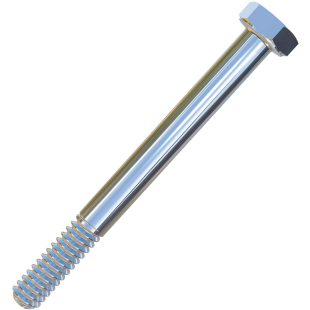
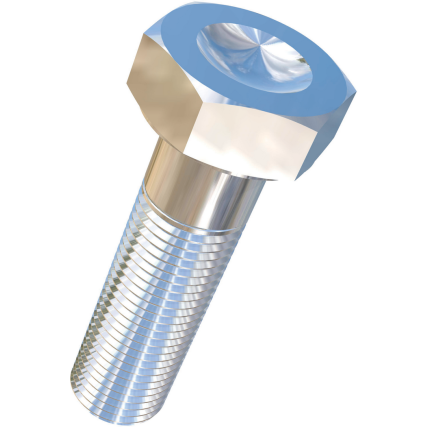
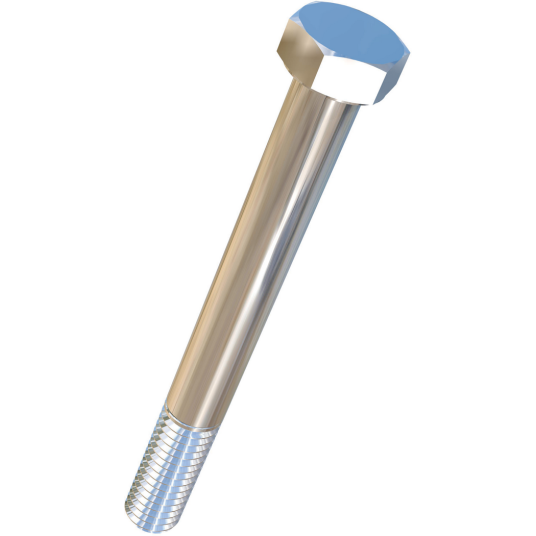
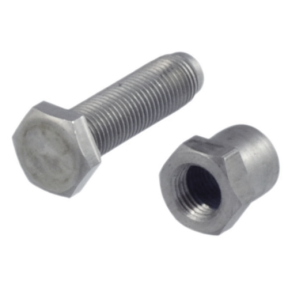
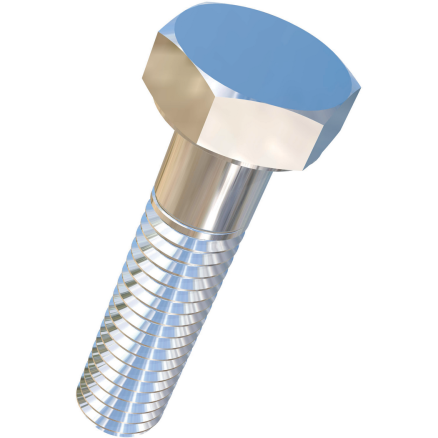
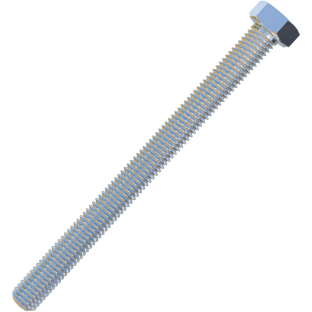
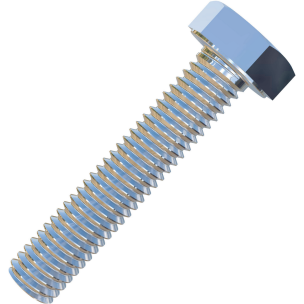
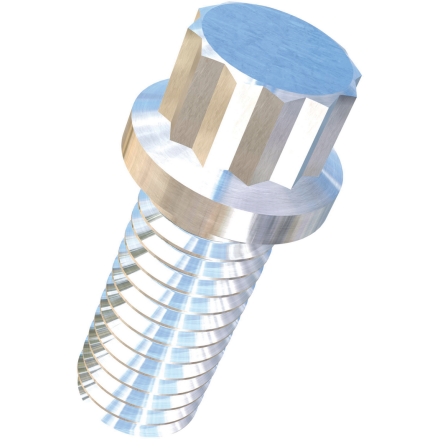
- Hex head bolts — Six-sided head for wrenching; suitable for structural joints and deck hardware.
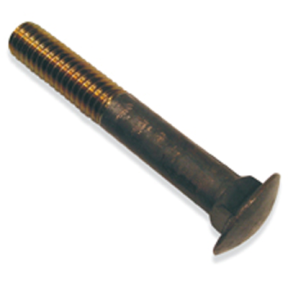
- Through bolts — Pass entirely through substrates for backing-plate installations.
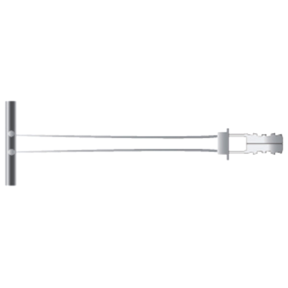
- Marine toggle bolts — Expand behind hollow bulkheads or liners where rear access is limited.
Marine Screws
Used across deck hardware, interior joinery, and equipment mounts.
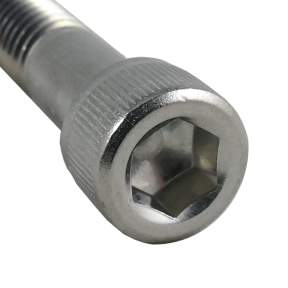
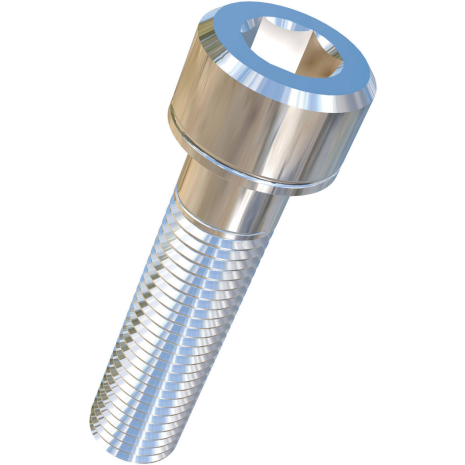
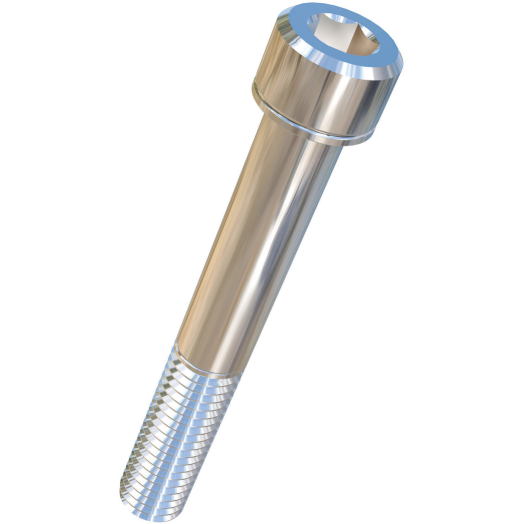
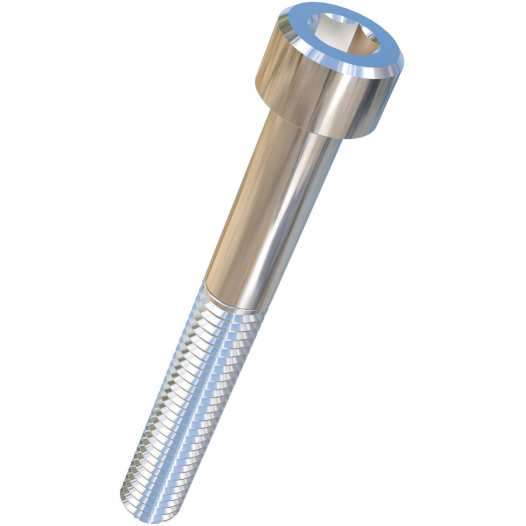
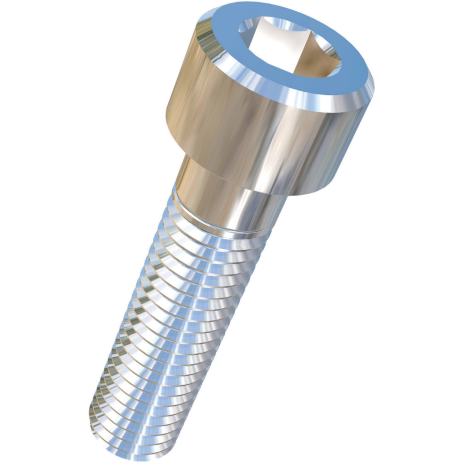
- Cap screws
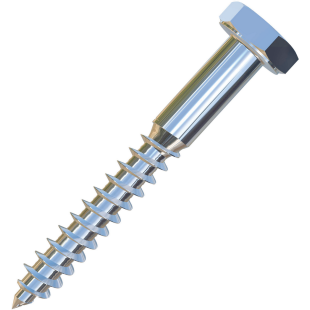
- Lag screws
Materials for Marine-Grade Bolts
Choose materials based on corrosion resistance, mechanical strength, and galvanic compatibility with surrounding metals and composites.
- Stainless steel — Excellent general corrosion resistance; 316 preferred for saltwater exposure.
- Hot-dip galvanized steel — Thick zinc coating provides sacrificial protection; cost-effective for non-submerged hardware.
- Titanium — Exceptional strength-to-weight and seawater corrosion resistance; verify galvanic isolation from aluminum/steel.
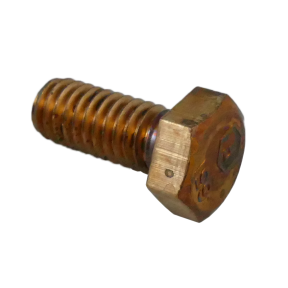
- Silicon bronze — Highly corrosion-resistant in seawater; favored for traditional wooden boats and below-deck fittings.
Selecting the Right Fastener
- Environment — Saltwater, splash zone, or below-waterline drives material choice.
- Loads — Consider proof strength, shear, andRefatigue. Use backing plates for through-bolts in cored structures.
- Compatibility — Avoid unfavorable galvanic couples (e.g., stainless directly on aluminum) without isolation (nylon washers, sealants, barriers).
- Threads & length — Match thread form (UNC/UNF/metric) and ensure adequate engagement without bottoming.
Need help? Fisheries Supply representatives can recommend marine stainless bolts, screws, and installation hardware for your exact application.
Corrosion & Galvanic Considerations
- Crevice corrosion — Limit stagnant seawater in threads and under washers; use sealants and periodic inspection.
- Galvanic series — When mixing metals, consult the seawater galvanic series and isolate dissimilar pairs.
- Avoid chloride-stress cracking — Favor 316 in chloride-rich areas; minimize sustained tensile stress and heat concentration.
Maintenance & Care
Inspect marine through-bolts and screws at service intervals for loosening, pitting, and staining. Re-torque to spec and replace compromised hardware. Proper material selection plus routine care significantly extends equipment life.
Shop now for marine bolts, or browse our large selection of marine nuts.