








Marine Grade Bolts
Marine-grade bolts and fasteners are used in saltwater and marine environments. Choose a fastener by considering its material, the metals around it, the connection’s load, and whether the installation will be submerged or exposed to spray.
Types of Marine-Grade Fasteners
Marine bolts are designed to retain strength and resist corrosion in seawater and marine atmospheres.
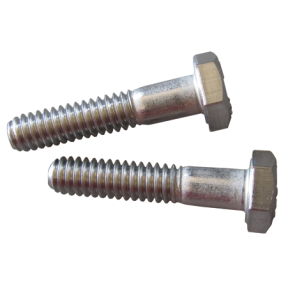
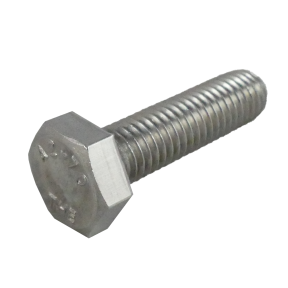
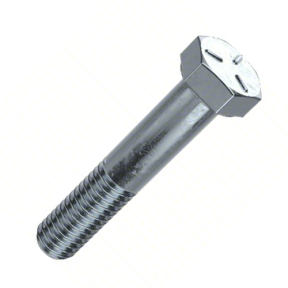
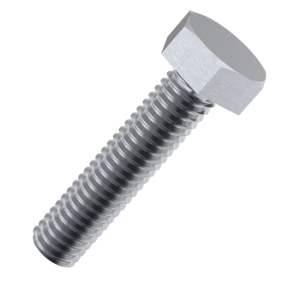
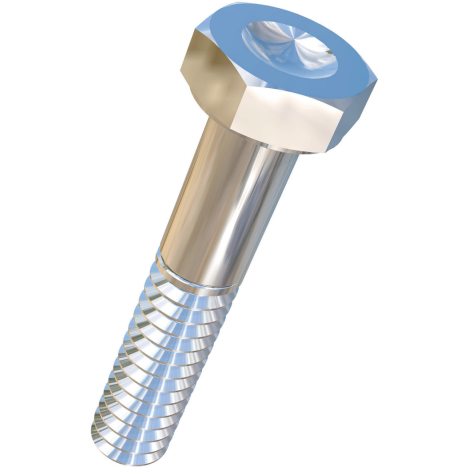
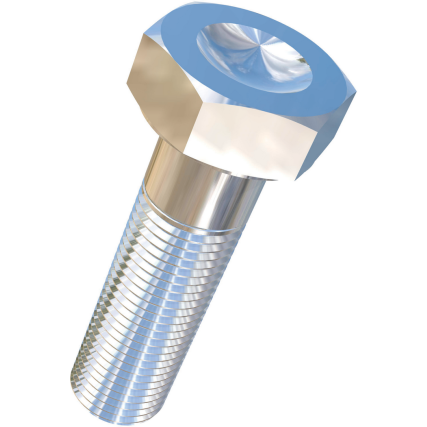
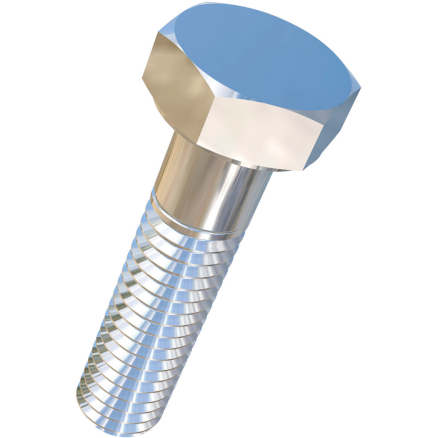
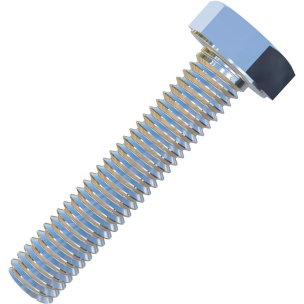
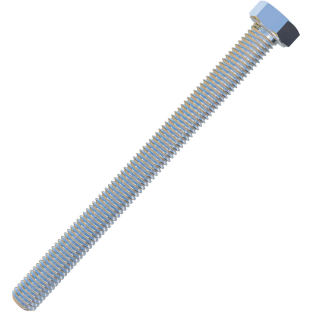
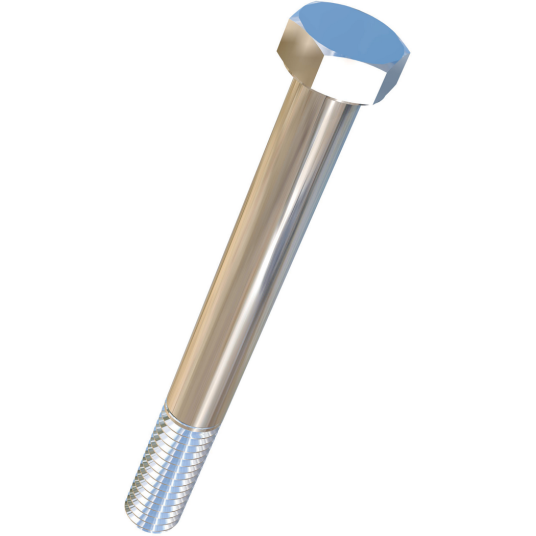
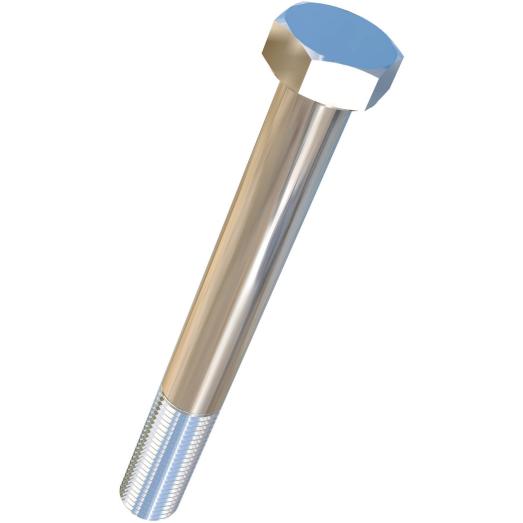
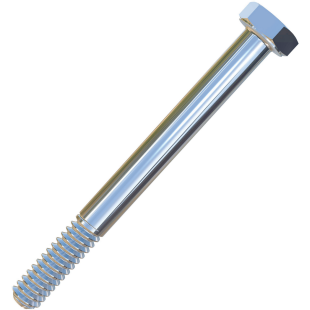
- Hex head bolts have a six-sided head for wrenching and are used for structural joints and deck hardware.
- Through bolts pass through the substrate and can be used with backing plates.
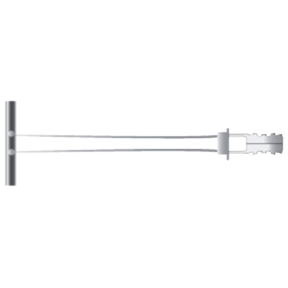
- Marine toggle bolts expand behind hollow bulkheads or liners where rear access is limited.
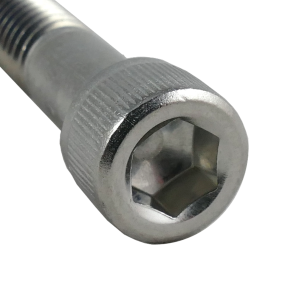
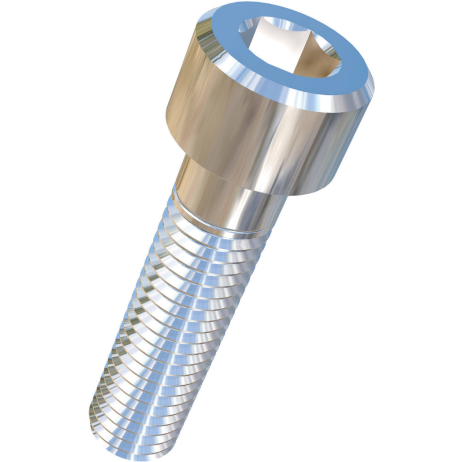
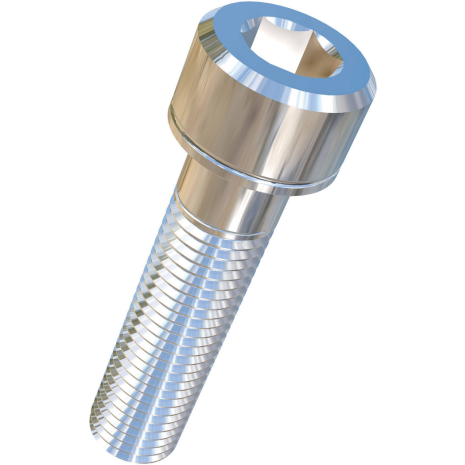
Marine screws are used for deck hardware, interior joinery, and equipment mounts. The listed types include:
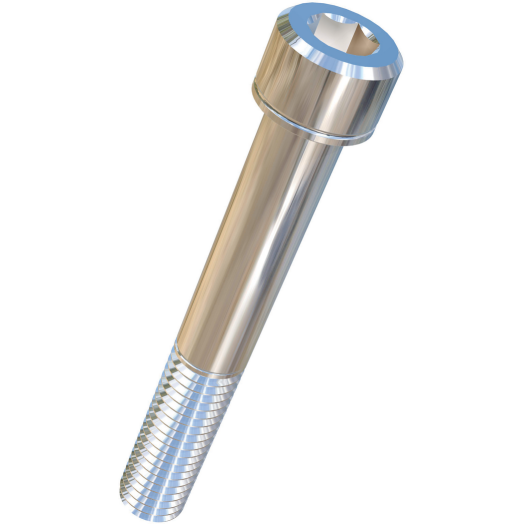
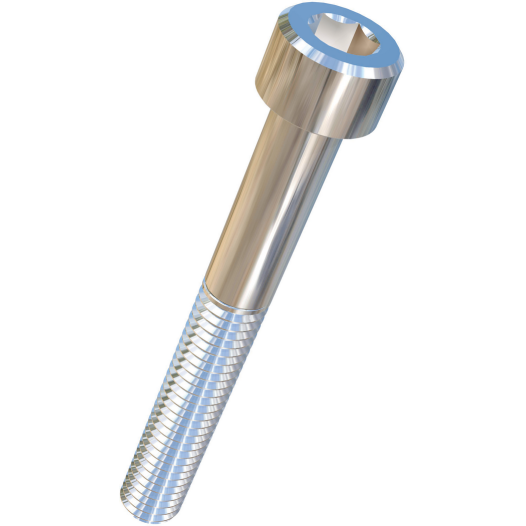
- Cap screws
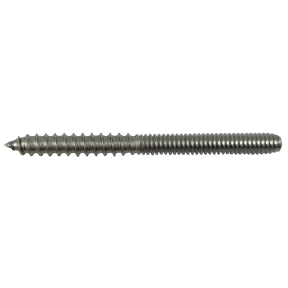
- Lag screws
Materials for Marine-Grade Bolts
Choose a material based on corrosion resistance, mechanical strength, and galvanic compatibility with surrounding metals and composites.
| Material | Properties and uses | What to consider |
|---|---|---|
| Stainless steel | General corrosion resistance; 316 is preferred for saltwater exposure. | 316 stainless is also called A4 stainless. |
| Hot-dip galvanized steel | A thick zinc coating provides sacrificial protection. It is a cost-effective option for non-submerged hardware. | Periodic inspection is easier on accessible installations. |
| Titanium | High strength-to-weight ratio and seawater corrosion resistance. | Verify galvanic isolation from aluminum and steel. |
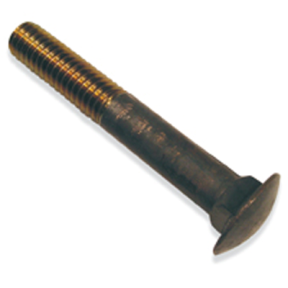
| Silicon bronze | Corrosion resistance in seawater; used for traditional wooden boats and below-deck fittings. | Consider it for immersed installations where appropriate. |
Selecting the Right Fastener
- Identify the environment. Saltwater, splash-zone, and below-waterline applications affect material choice.
- Check the connection and loads. Consider proof strength, shear, and fatigue. Use backing plates for through-bolts in cored structures.
- Check material compatibility. Avoid unfavorable galvanic couples, such as stainless steel directly on aluminum, unless the metals are isolated with measures such as nylon washers, sealants, or barriers.
- Match thread and length. Choose the correct thread form—UNC, UNF, or metric—and allow adequate engagement without the fastener bottoming out.
For help choosing marine stainless bolts, screws, or installation hardware for a specific application, contact Fisheries Supply representatives.
Corrosion and Galvanic Considerations
- Crevice corrosion: Limit stagnant seawater in threads and under washers; use sealants and inspect periodically.
- Galvanic corrosion: When mixing metals, consult the seawater galvanic series and isolate dissimilar pairs.
- Chloride stress cracking: Favor 316 stainless in chloride-rich areas, and minimize sustained tensile stress and heat concentration.
Maintenance and Care
Inspect marine through-bolts and screws at service intervals for loosening, pitting, and staining. Re-torque to specification and replace compromised hardware. Material selection and routine care can help extend equipment life.
Browse marine nuts to find related fasteners.
Frequently Asked Questions
What stainless grade is best for saltwater?
For most deck hardware and topsides, 316 stainless (A4) offers better chloride resistance than 304. For immersion, consider silicon bronze or titanium where appropriate.
Can I mount stainless on aluminum?
Yes, with isolation. Non-conductive washers or sleeves and sealants can help, and avoiding standing water can reduce galvanic attack on the aluminum substrate.
How do I choose bolt length and thread?
Follow OEM specifications or applicable standards. Match UNC, UNF, or metric threads, allow full nut engagement—one full thread beyond the nut—and avoid bottoming out.
When should I use hot-dip galvanized fasteners?
They are an economical option for non-submerged structures and deck hardware where periodic inspection is easy.