
Machine Screws & Machined Fasteners for Your Boat
This category helps boat owners choose and maintain machine screws and machined fasteners for saltwater use, with standards-based guidance for confident selection.
Key takeaways
- Pick materials for the environment: A4 / 316 stainless and silicon bronze are marine mainstays; titanium excels in aggressive conditions.
- Match head/drive to the job for access and torque control.
- Control corrosion & galvanic risk with smart material pairings and maintenance.
Boat machine screws are precision fasteners designed for marine environments. They’re manufactured with tight-thread tolerances for secure assemblies in hardware, electrical panels, deck fittings, and engines. In corrosive seawater and high-humidity settings, material selection and maintenance determine service life and structural reliability.
Common Head & Drive Types
Popular options include:
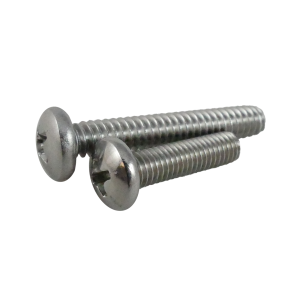
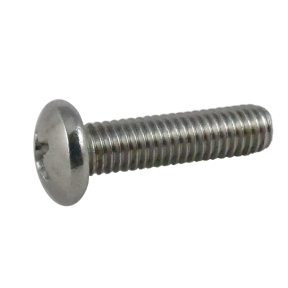
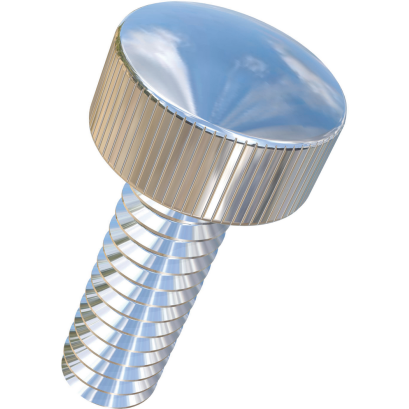
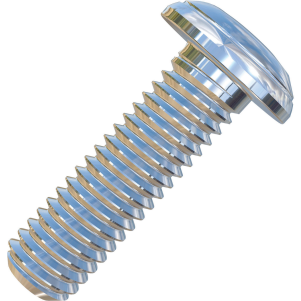
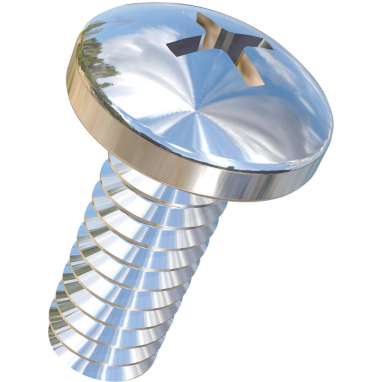
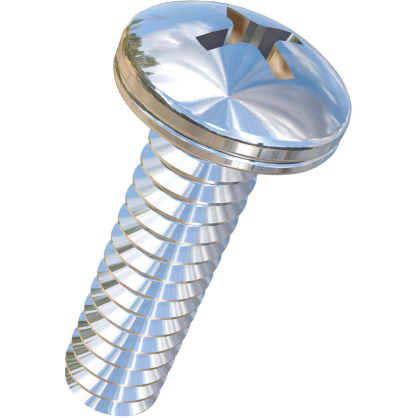
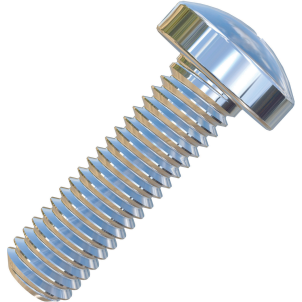
- Pan head screws — general-purpose head with broad bearing surface.
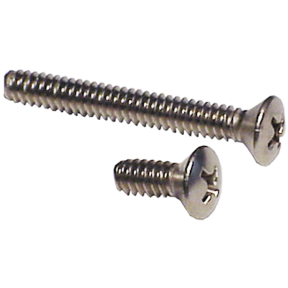
- Oval head screws — countersunk with a finished look for visible hardware.
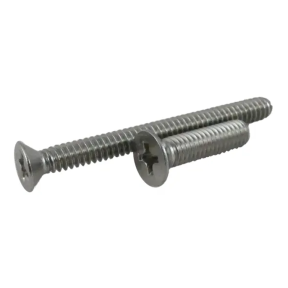
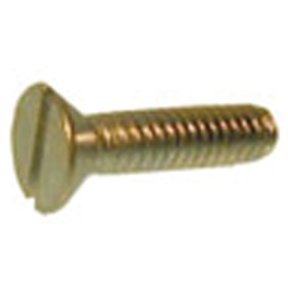
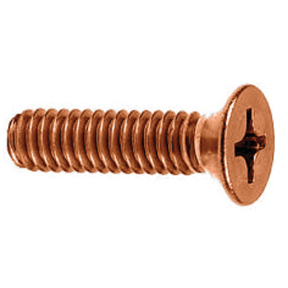
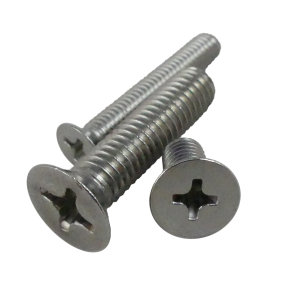
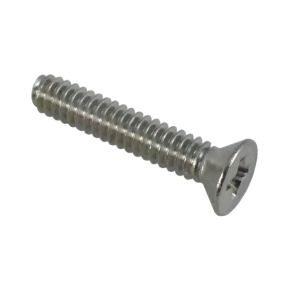
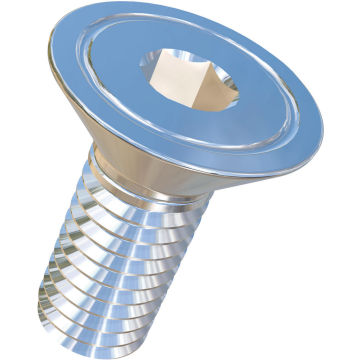
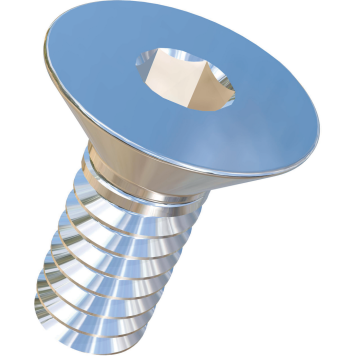
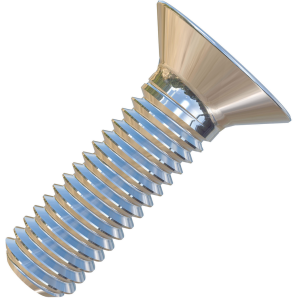
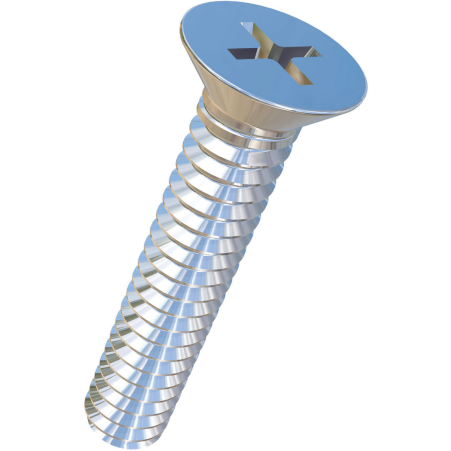
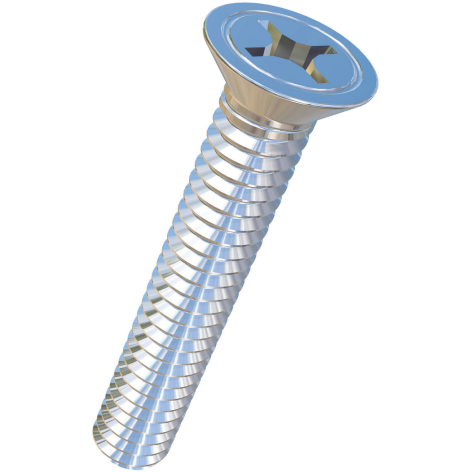
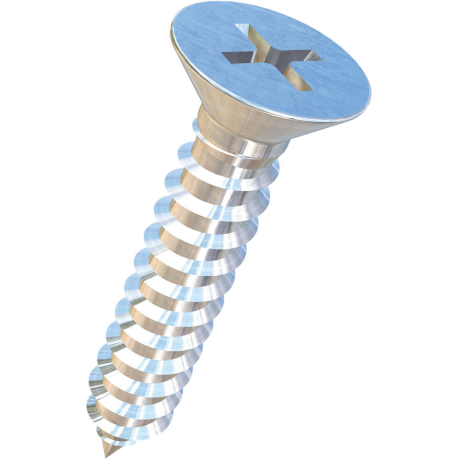
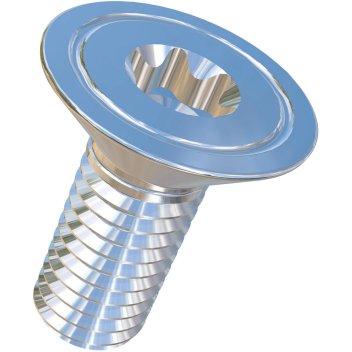
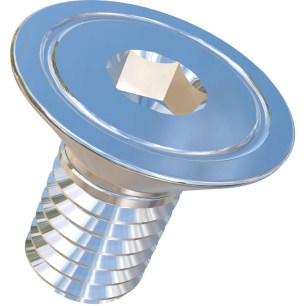
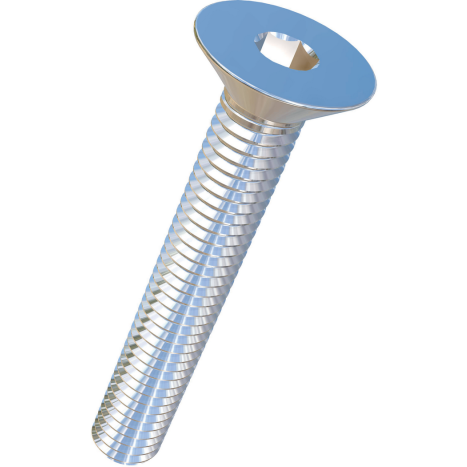
- Flat head screws — fully countersunk where flush surfaces are required.
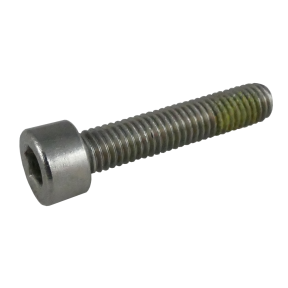
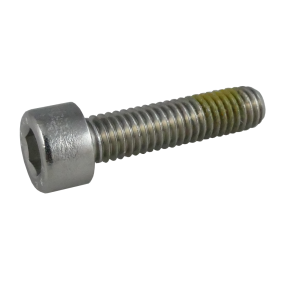
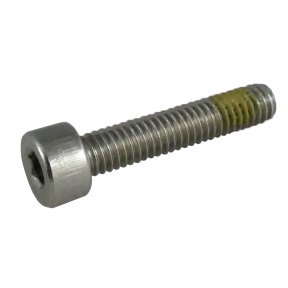
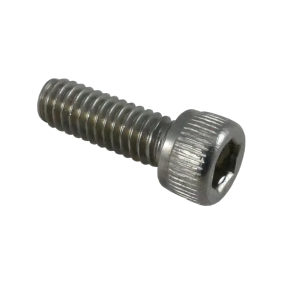
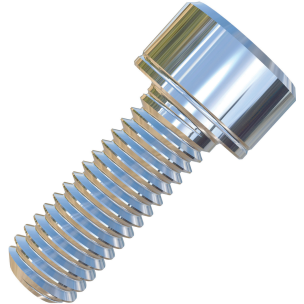
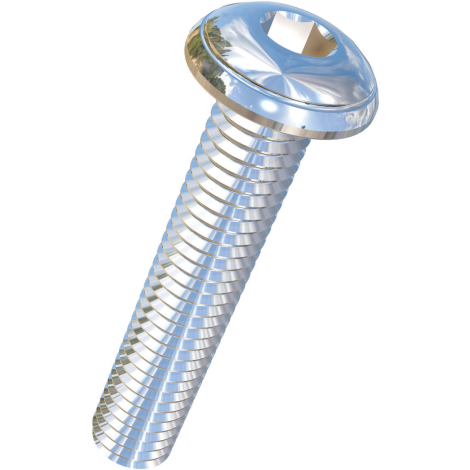
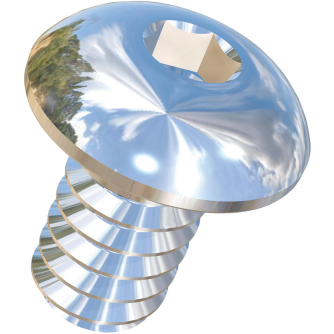
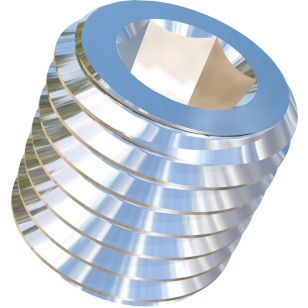
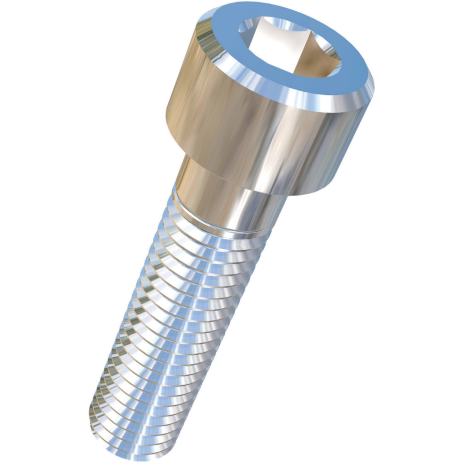
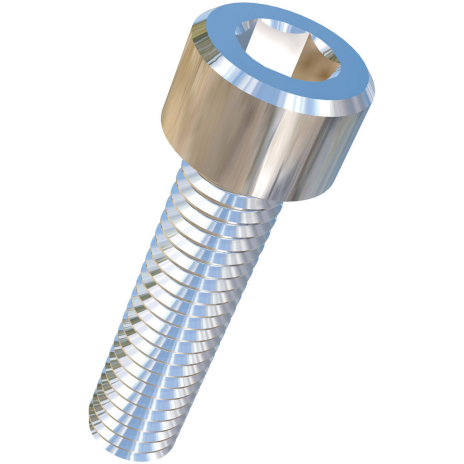
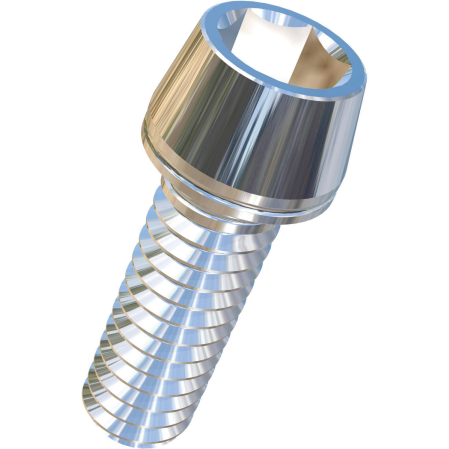
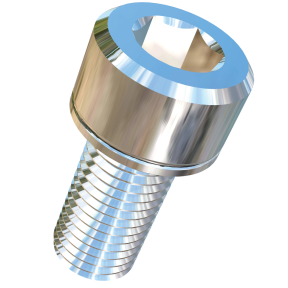
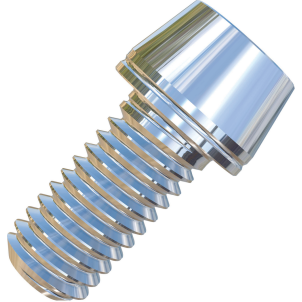
- Allen (socket) head screws — high torque in tight spaces; clean profile.
Drives include Phillips, slotted, and hex/socket.
Corrosion-Resistant Materials
Marine fasteners must resist pitting, crevice, and galvanic corrosion. Select among:
- Stainless steel — covered by ISO 3506-1:2020 (mechanical properties) and ASTM F593 (U.S. spec for stainless bolts/screws). A4/316 offers improved chloride resistance for seawater exposure.
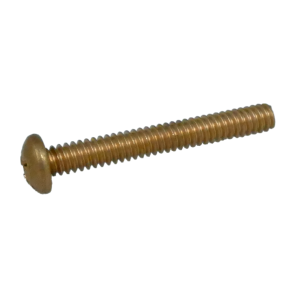
- Silicon bronze — classic choice for wooden boats; excellent resistance in marine atmospheres; properties documented by the Copper Development Association.
- Titanium — outstanding strength-to-weight and corrosion resistance; useful near dissimilar-metal interfaces and for long-service critical hardware. (General engineering guidance.)
- Zinc-plated steel — suitable for protected interiors; avoid direct splash/salt exposure due to limited chloride durability.
Galvanic pairing matters. When dissimilar metals contact each other in seawater, the less noble metal corrodes faster. Use the galvanic series in seawater as a selection aid and isolate dissimilar metals where practical.
Range of Marine Fasteners
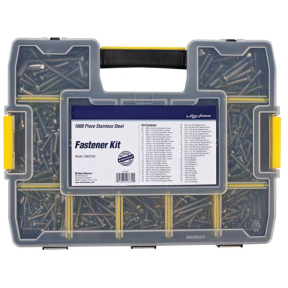
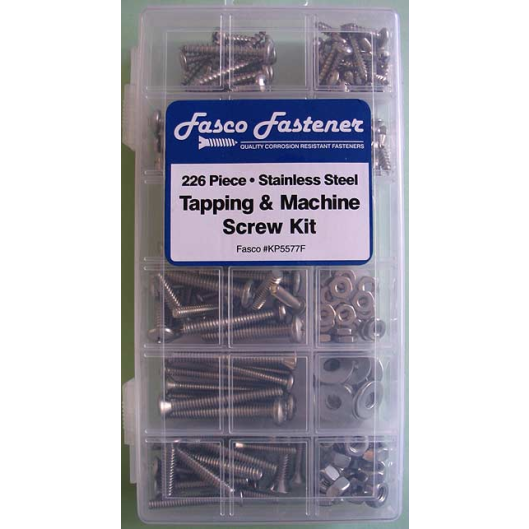
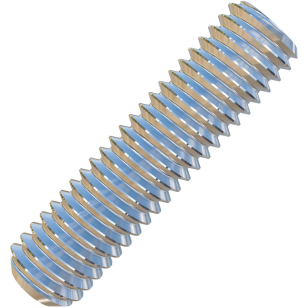
Fisheries Supply stocks a full range of machine screws—Phillips, slotted, and hex/socket drives—including marine micro screws for delicate hardware. Large in-stock inventory, commercial accounts, and nationwide/worldwide shipping help you get the right fasteners quickly.
Maintenance & Installation Tips
- Inspect fasteners periodically for red/brown staining (crevice corrosion), green salts on bronzes, or loosening under vibration.
- Seal & isolate fasteners passing through decks and dissimilar metals; use appropriate bedding compounds and insulating washers.
- Lubricate threads with marine anti-seize on stainless-to-stainless joints to reduce galling.
- Torque thoughtfully: follow equipment maker’s torque guidance; avoid over-tightening in wood or composites.
- Replace promptly if heads round, threads gall, or corrosion is visible; don’t reuse distorted locking elements.