
Marine Grade Screws for Boat Construction & Repairs
This article helps boat owners, boatyards, and marine technicians select and install marine-grade screws for reliable performance in saltwater and freshwater environments. It prioritizes corrosion resistance, material compatibility, and proven products from trusted brands.
Key Takeaways
- Match material to application: 316 stainless, silicone bronze, brass, or galvanized—each has strengths and tradeoffs in marine service.
- Prevent galvanic corrosion: Avoid mixing metals; isolate dissimilar interfaces (e.g., stainless on aluminum) with barrier pastes and sealants.
- Install correctly: Pre-drill dense woods/composites, bed fasteners with marine sealant, and torque appropriately.
- Inspect regularly: Replace fasteners showing corrosion, crevice attack, or loosening to protect structural integrity.
Boat screws (a.k.a. marine screws) are engineered for corrosion resistance, mechanical strength, and thread retention in wet, high-salt environments. Common alloys include stainless steel (304/316), silicone bronze, brass, and galvanized steel. Choice depends on substrate (wood, aluminum, FRP, thin sheet), loading, and exposure.
Common Types of Marine Screws
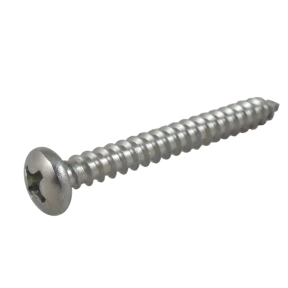
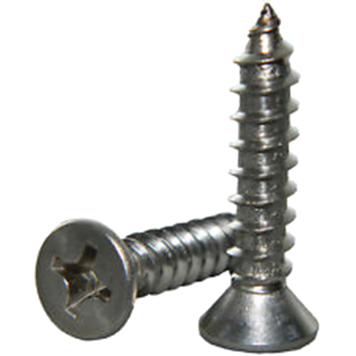
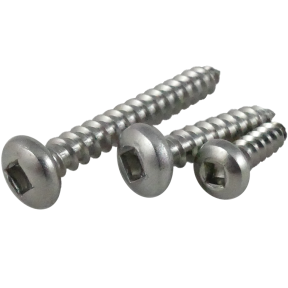
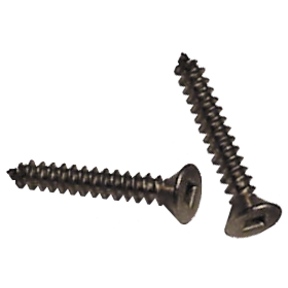
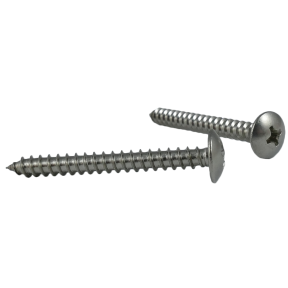
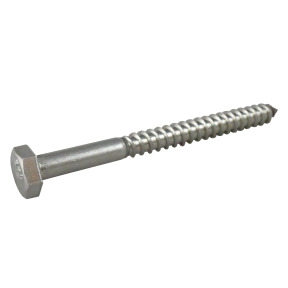
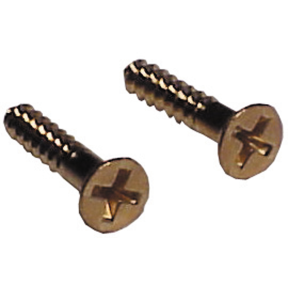
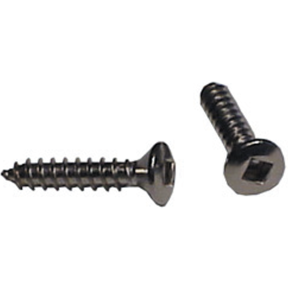
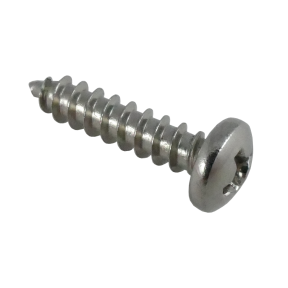
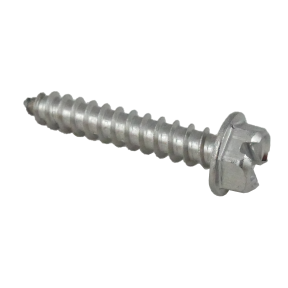
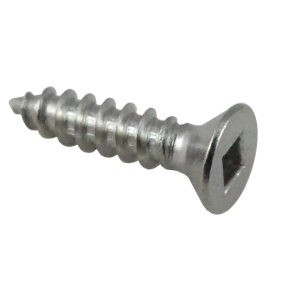
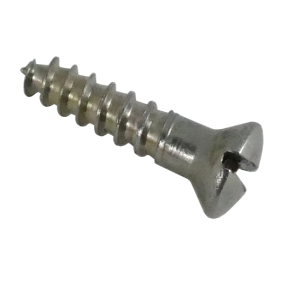
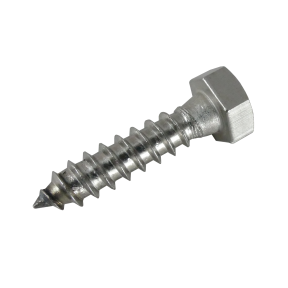
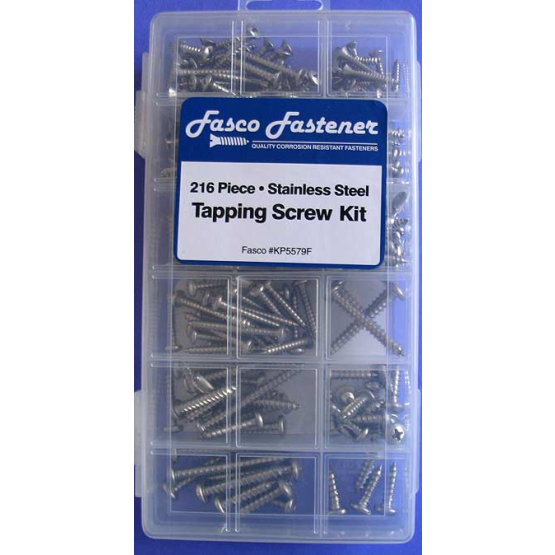
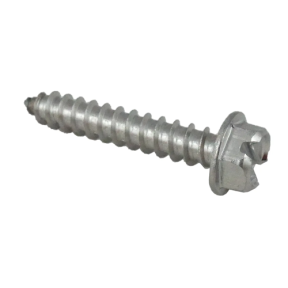
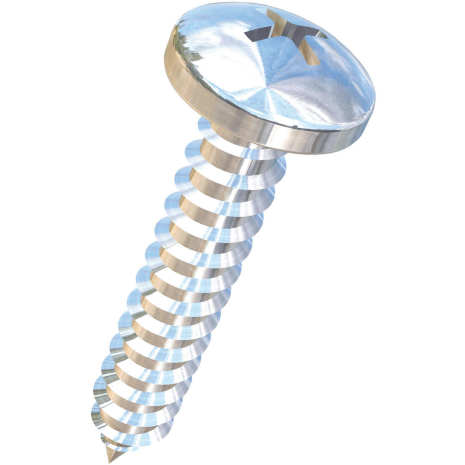
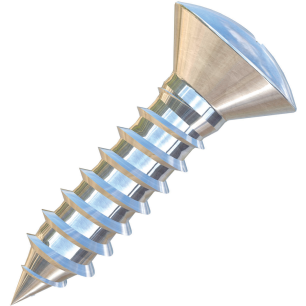
- Self-Tapping Screws: Ideal for rapid assembly where drilling pilot holes is impractical. Available heads include:
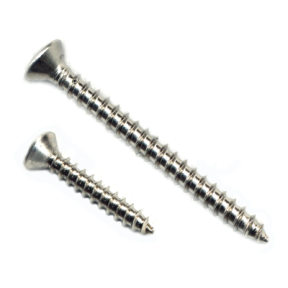
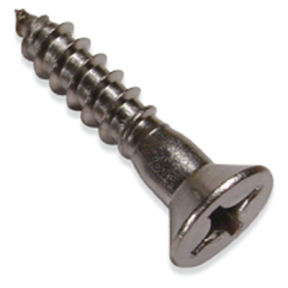
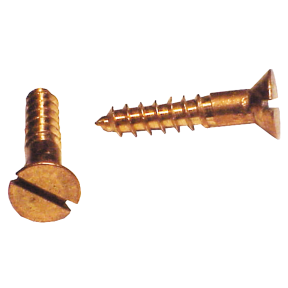
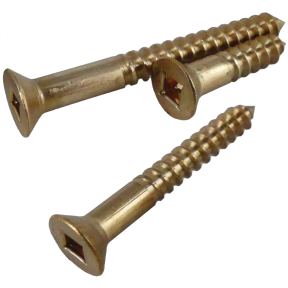
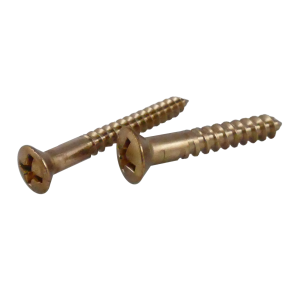
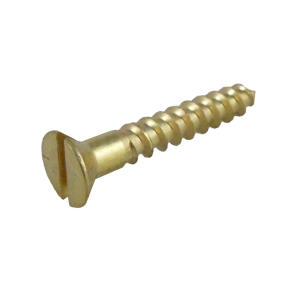
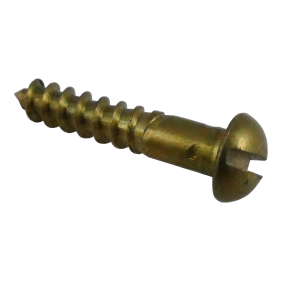
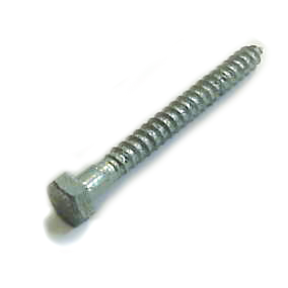
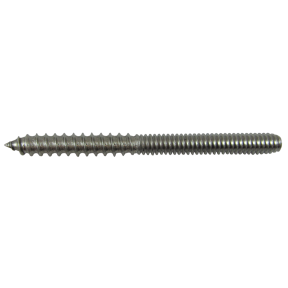
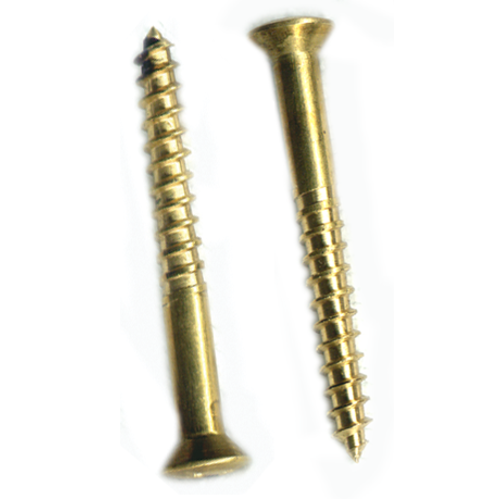
- Marine Wood Screws: Best for: fastening planking, frames, and trim in wooden boats. Silicone bronze and brass offer excellent long-term corrosion performance in timber and are widely used in traditional boatbuilding.
- Sheet-Metal Screws: Designed to secure thin metal, soft plastics, and fiberglass; often usable without pre-drilling depending on substrate thickness and head style.
Materials & Corrosion Behavior
- Stainless Steel (304 vs. 316): 316 stainless steel is preferred for harsh marine immersion due to added molybdenum improving pitting and crevice corrosion resistance relative to 304; however, neither grade is completely “corrosion-proof” in stagnant seawater or tight crevices. Authoritative guidance from materials bodies underscores these limits and the role of crevice geometry and temperature.
- Silicone Bronze: A premier choice for wooden boat fasteners thanks to strength, ductility, and resistance to dezincification; long service history in above/below-water wood structures is well documented in boatbuilding literature.
- Brass & Hot-Dip Galvanized Steel: Brass may be suitable topside in low-stress locations; avoid prolonged immersion if zinc-rich brass risks dezincification. Galvanized steel provides a cost-effective zinc barrier; choose high-quality hot-dip coatings for marine exposure. (General materials overview; confirm with application-specific specs.)
Fastening to Aluminum: Prevent Galvanic Corrosion
Stainless fasteners in aluminum structures can create a galvanic couple in seawater, causing aluminum pitting. Best practices:
- Use an isolating barrier (e.g., PTFE-based paste) between stainless and aluminum.
- Bed fasteners to exclude seawater and oxygen in the interface.
- Maintain sacrificial anodes and verify bonding/isolator health.
Barrier example: PTFE-based paste designed to stop corrosion between dissimilar metals and prevent galling.
Where to Buy Marine Screws & Brands We Carry
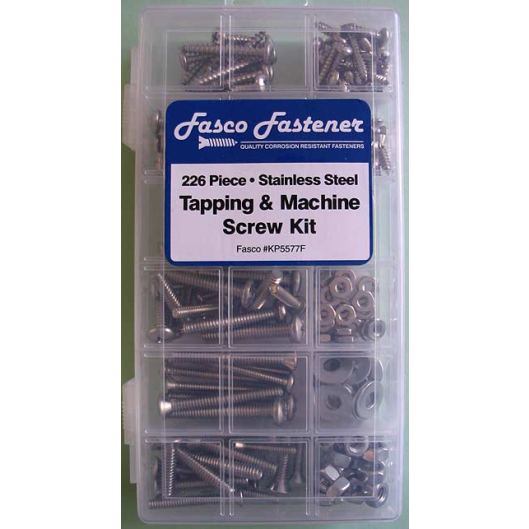
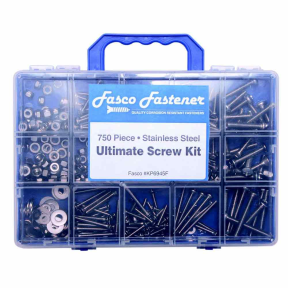
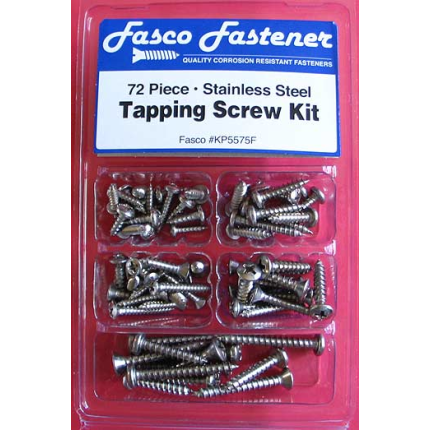
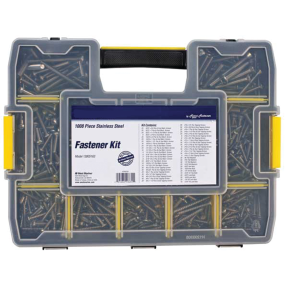
Fisheries Supply stocks a wide range of marine-grade screws and accessories from trusted brands, including Fasco Fastener. Shop self-tapping, wood, and sheet-metal screws in multiple head styles, drives, and lengths. We provide nationwide and international shipping.
Selection & Installation Best Practices
- Pre-Drilling: Pre-drill dense hardwoods and composites to avoid splitting and ensure proper thread engagement. Use pilot sizes appropriate to screw diameter and material density.
- Sealant & Bedding Bed fasteners to prevent water ingress and minimize crevice corrosion. Choose sealant by service intent (semi-permanent or permanent)
- Avoid Mixing Metals When possible, keep fastener and substrate metals similar. Where dissimilar metals are unavoidable, isolate them and maintain anode protection.
Inspection & Maintenance
- Periodically check for pitting, rust tea staining, and crevice corrosion at heads and under washers.
- Re-bed hardware if leaks or staining appear.
- Replace compromised fasteners proactively to preserve structural integrity.
Frequently Asked Questions
Which stainless grade should I pick for saltwater?
Choose 316 for better pitting/crevice resistance than 304 in marine exposure, while recognizing both can suffer localized attack in stagnant seawater.
Are silicone bronze screws safe below the waterline in wood?
Yes—silicone bronze has an excellent track record for wood fastening above and below the waterline, offering high corrosion resistance and long service life. (Evaluate loads and classification rules for critical structures.)
How do I prevent stainless screws from seizing in aluminum?
Use a PTFE-based barrier paste (e.g., Tef-Gel™), bed with marine sealant to exclude seawater, and maintain sacrificial anodes; avoid direct metal-to-metal contact where possible.
When should I use 3M 4200 vs 5200?
Use 4200 when future disassembly is anticipated; use 5200 for permanent, high-strength, below/above waterline bonds.
Do I need to pre-drill for self-tappers?
Often no in thin plastic/FRP or soft metals; however, pre-drill hardwoods and dense laminates to prevent splitting and to ensure optimal thread engagement.