












Marine Grade Screws for Boat Construction & Repairs
Marine screws are chosen for the material being fastened, the substrate, the load, and exposure to water and salt. Compare screw types and materials, then check compatibility and installation needs for your application.
Common Types of Marine Screws
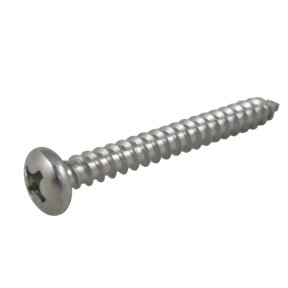
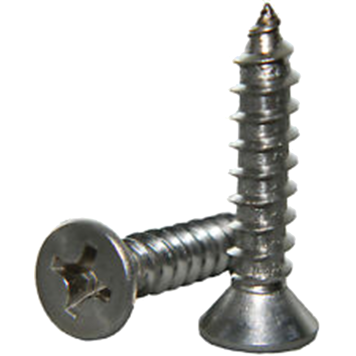
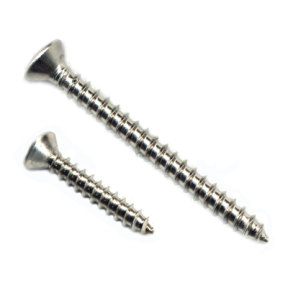
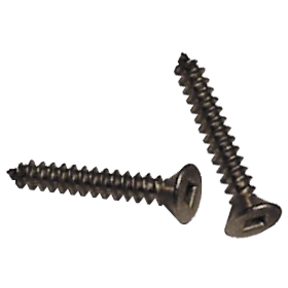
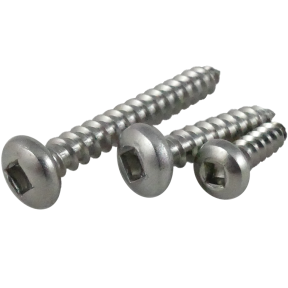
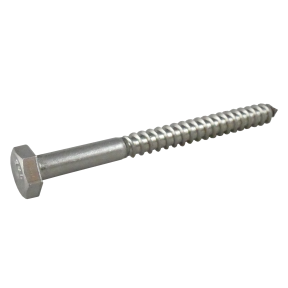
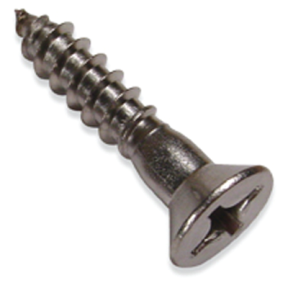
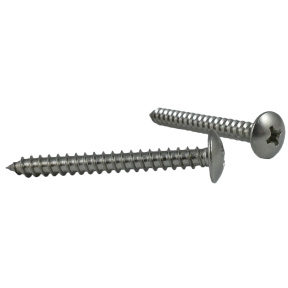
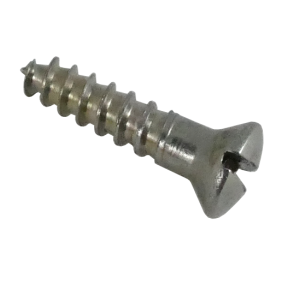
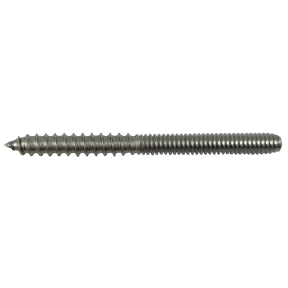
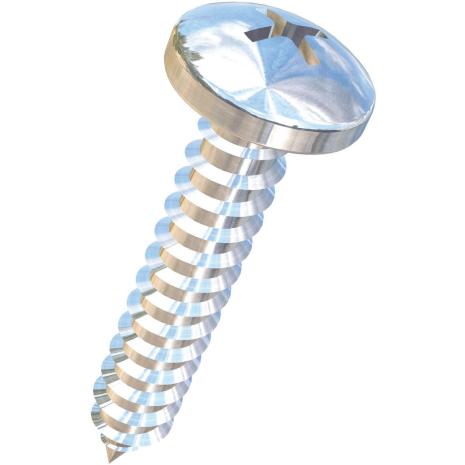
- Self-tapping screws are used for assembly in materials where a screw can form its own thread. Whether to pre-drill depends on the substrate and screw; dense wood and composites generally need pilot holes. Available head styles include flat head, oval head, pan head, and hex head.
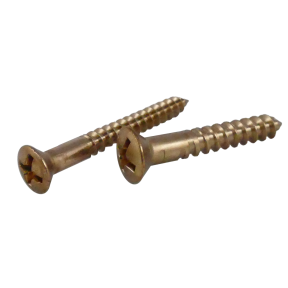
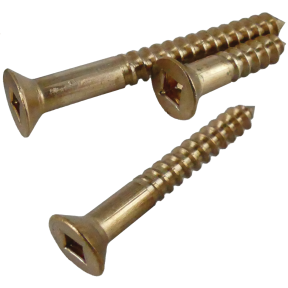
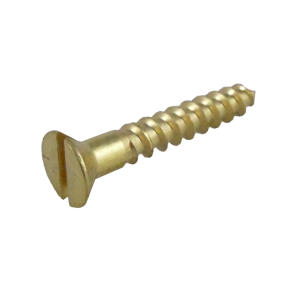
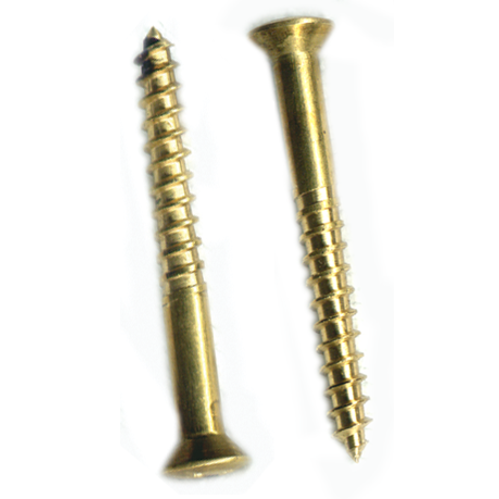
- Marine wood screws are used for fastening planking, frames, and trim in wooden boats. Silicone bronze and brass are used in traditional boatbuilding; choose according to the material, load, and exposure.
- Sheet-metal screws can secure thin metal, soft plastics, and fiberglass. Depending on the substrate thickness and head style, they may be usable without pre-drilling.
Materials and Corrosion Behavior
- Stainless steel (304 vs. 316): Stainless steel screws are available in different grades. The source describes 316 as having better resistance to pitting and crevice corrosion than 304 because of its added molybdenum. Neither grade is completely corrosion-proof in stagnant seawater or tight crevices.
- Silicone bronze: Silicone bronze screws are used for wooden boat fasteners. The source describes their strength, ductility, and resistance to dezincification as useful properties for wood structures above and below the waterline.
- Brass and hot-dip galvanized steel: Brass screws may suit topside, low-stress locations; prolonged immersion may be unsuitable if the brass is at risk of dezincification. Galvanized steel screws use a zinc coating as a barrier; the source recommends high-quality hot-dip coatings for marine exposure. Confirm suitability against application-specific specifications.
Fastening to Aluminum: Reduce Galvanic Corrosion
Stainless steel fasteners in aluminum structures can form a galvanic couple in seawater and cause aluminum pitting. When dissimilar metals must be used together, the source recommends these precautions:
- Place an isolating barrier, such as PTFE-based paste, between stainless steel and aluminum.
- Bed fasteners to help exclude seawater and oxygen from the interface.
- Maintain sacrificial anodes and check bonding and isolator condition.
A PTFE-based barrier paste can help separate dissimilar metals and prevent galling.
Selection and Installation
- Identify the substrate, such as wood, aluminum, fiberglass-reinforced plastic (FRP), or thin sheet, along with the load and water exposure.
- Choose a screw material and type suited to that application. Where metals differ, plan for isolation and anode protection.
- Pre-drill dense hardwoods and composites to reduce splitting and support thread engagement. Choose a pilot size appropriate to the screw diameter and material density.
- Bed the fastener to help prevent water ingress and minimize crevice corrosion. Choose a marine sealant based on whether the joint is intended to be semi-permanent or permanent.
Inspection and Maintenance
- Periodically inspect screw heads and areas under washers for pitting, rust staining, and crevice corrosion.
- Re-bed hardware if leaks or staining appear.
- Replace compromised or loose fasteners to help preserve structural integrity.
Browse Marine Screws and Brands
Browse marine screws by material, head style, and application. The source lists Fasco Fastener among its screw brands.
Frequently Asked Questions
Which stainless steel grade should I choose for saltwater?
316 has better pitting and crevice corrosion resistance than 304 in marine exposure, but either grade can suffer localized corrosion in stagnant seawater or tight crevices.
Can silicone bronze screws be used below the waterline in wood?
Silicone bronze has a long history of use for wooden boat structures above and below the waterline. Evaluate loads and applicable classification rules for critical structures.
How can I reduce corrosion between stainless screws and aluminum?
Use a PTFE-based barrier paste, bed the fastener with marine sealant, and maintain sacrificial anodes. Avoid direct metal-to-metal contact where possible.
When should I use 3M 4200 or 5200?
The source recommends 4200 when future disassembly is anticipated and 5200 for permanent, high-strength bonds above or below the waterline. Review the product documentation for the application.
Do self-tapping screws need pilot holes?
Not always: they may be used without pre-drilling in some thin plastic, FRP, or soft-metal applications. Pre-drill hardwoods and dense laminates to reduce splitting and support thread engagement.