Boat Bow Eyes, Pad Eyes & Eye Straps at Fisheries Supply
Reliable attachment points are essential for boat handling, towing, and rigging. This category explains what bow eyes, pad eyes, and eye straps are, how to choose materials and sizes, and when to use each component for safety and longevity.
Key Takeaways
- Match hardware to the job. Select by application (towing, lifting, fairlead/retainer) and verify WLL and fastener strength.
- Prioritize corrosion resistance.316 stainless and marine silicon bronze excel in saltwater; avoid mixed-metal galvanic pairs without isolation.
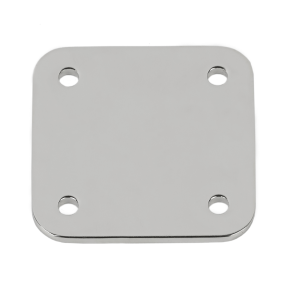
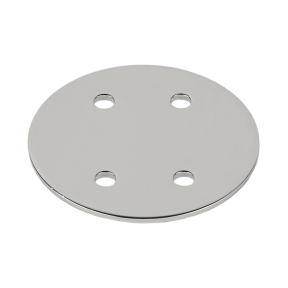
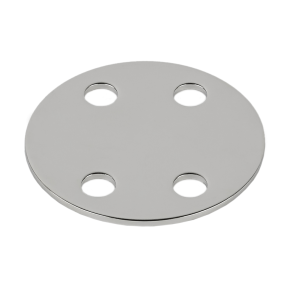
- Use backing plates. For high loads, combine hardware with properly sized backing plates and sealants to spread loads and prevent water intrusion.
- Choose the right form factor. Fixed, folding, and swivel styles solve different deck clearance and alignment needs.
What Are Boat Bow Eyes?
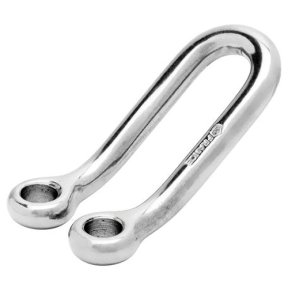
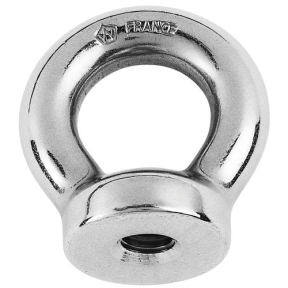
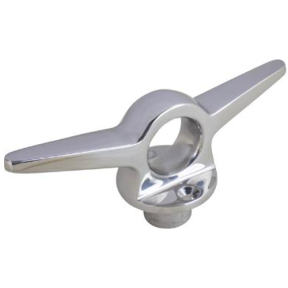
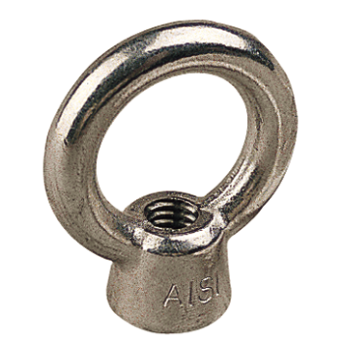
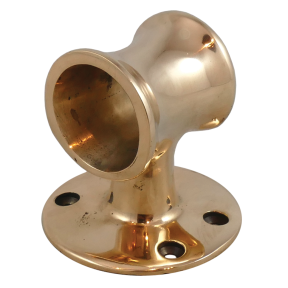
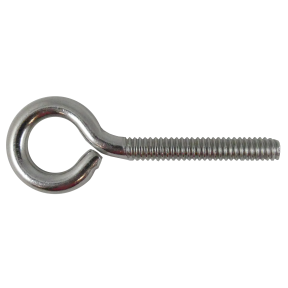
A bow eye—also called a bow eye hook or boat eye hook—is a through-stem or through-hull attachment point for trailer winches, towing, or dock lines. Typical materials include 316 stainless steel, silicon bronze, and galvanized steel for strength and corrosion resistance. Sizes and shank lengths vary to match hull thickness and intended load.
- Primary uses: trailer winch attachment, short-range towing, and bow line connection.
- Installation: through-hull with backing plate and sealant; align to winch path to minimize side-loading.
Types of Pad Eyes
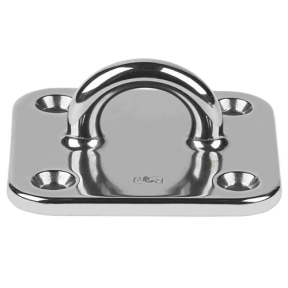
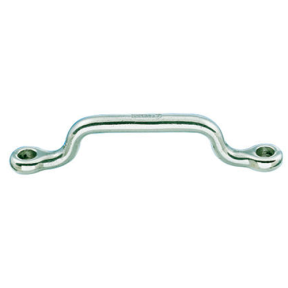
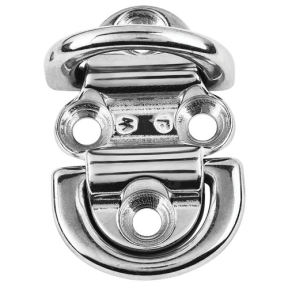
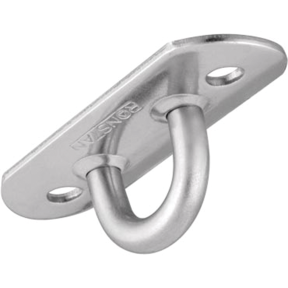
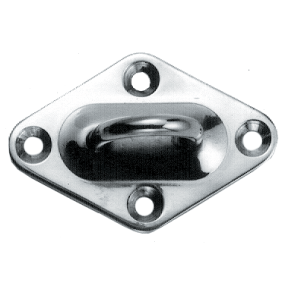
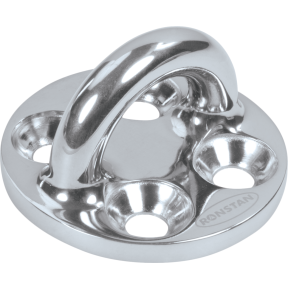
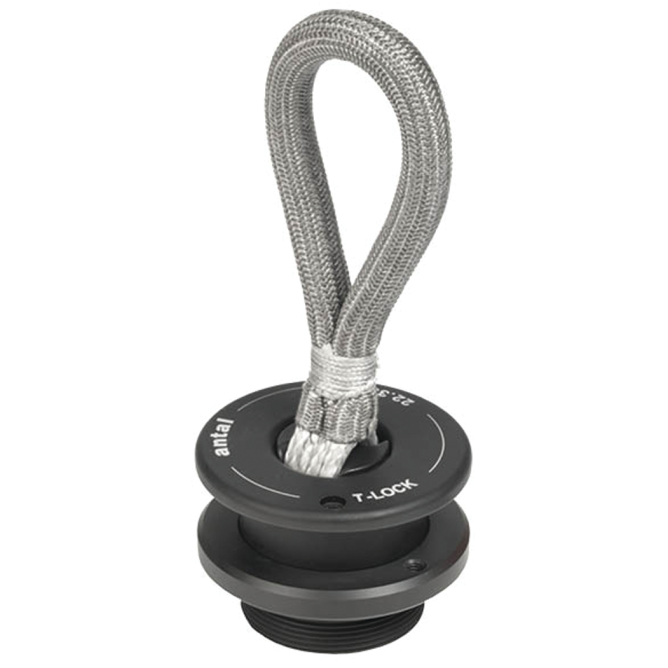
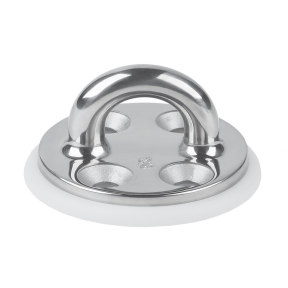
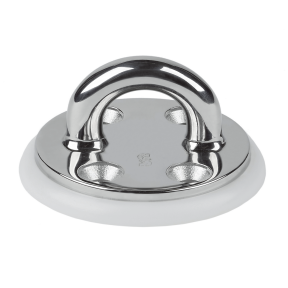
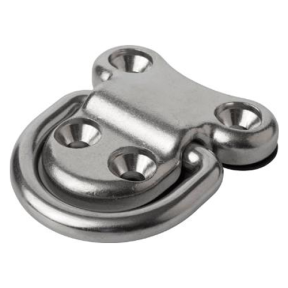
Pad eyes are deck or bulkhead anchors used for attaching blocks, safety tethers, jacklines, or lifting gear.
Common configurations include:
- Welded fixed pad eyes for permanent, high-strength anchor points.
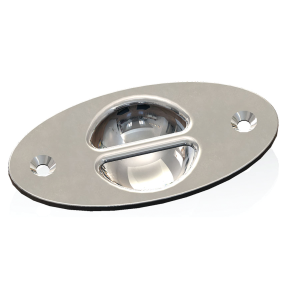
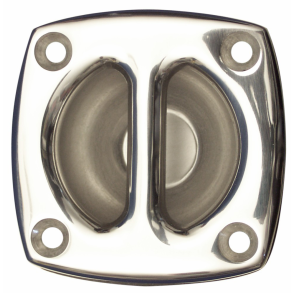
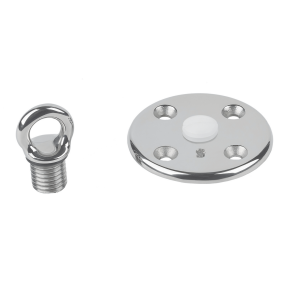
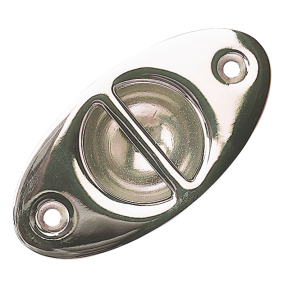
- Folding/low-profile versions that stow flush to reduce snagging.
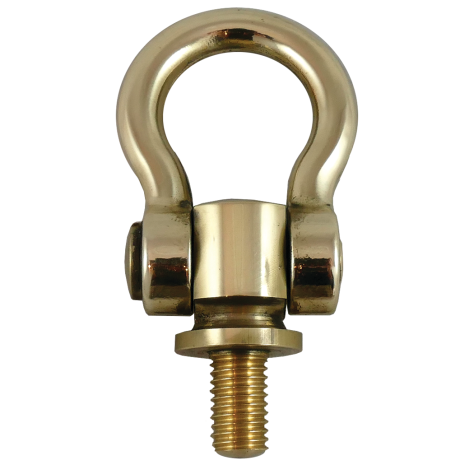
- Swivel pad eyes that align with the load to reduce side-loading.
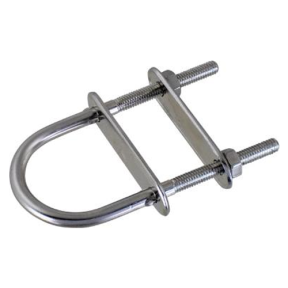
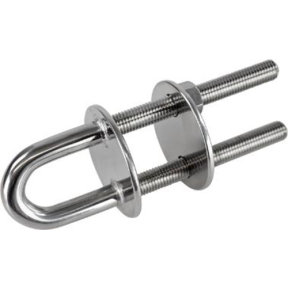
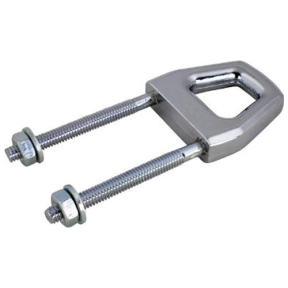
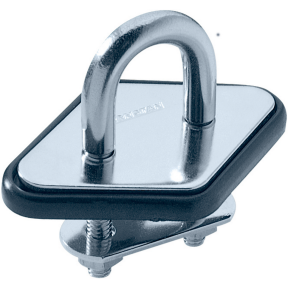
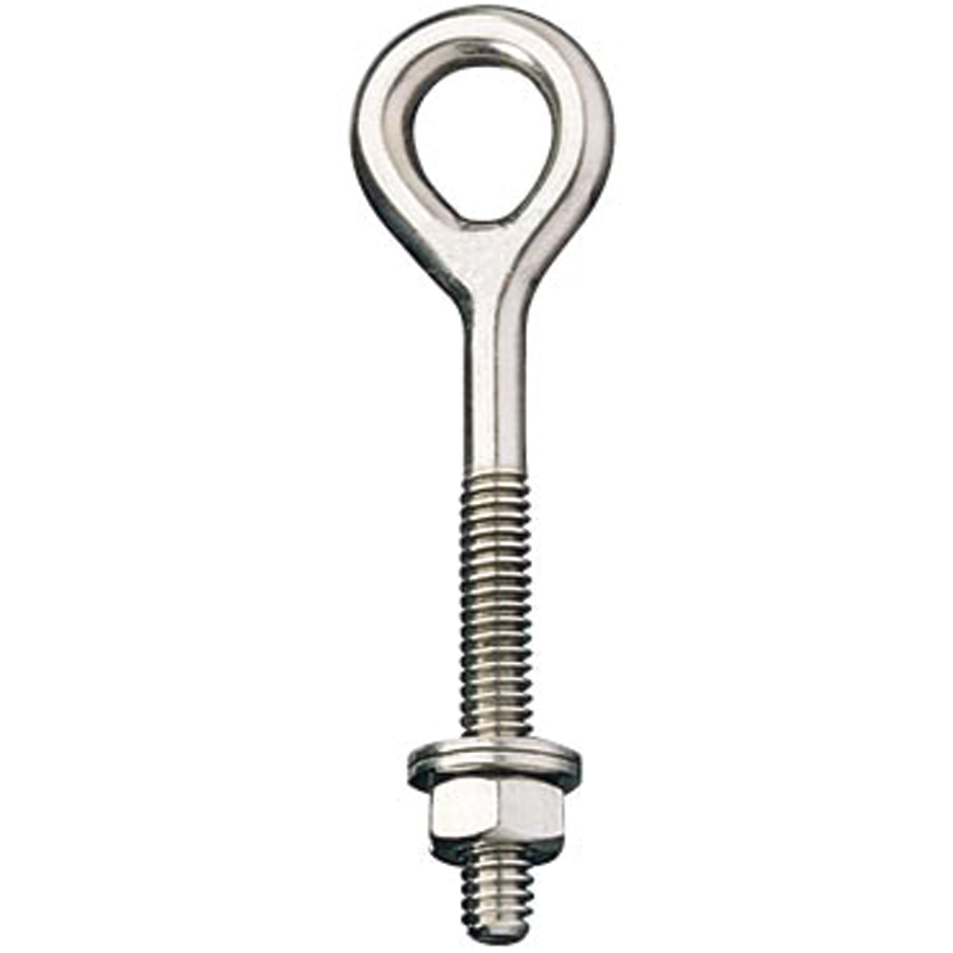
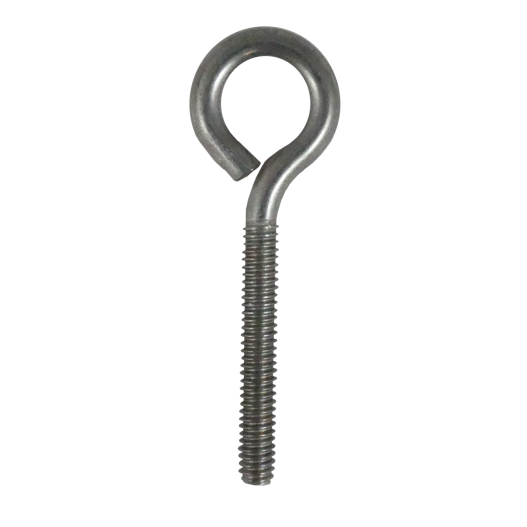
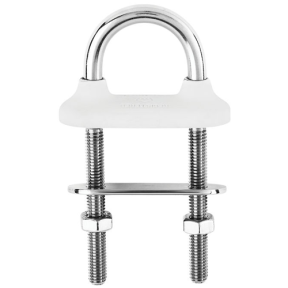
- Through-bolted U-bolts with threaded ends and nuts for heavy-duty service.
Materials include 316 stainless, bronze, and galvanized steel. For lifting applications, verify the manufacturer’s Working Load Limit (WLL) and follow published installation instructions.
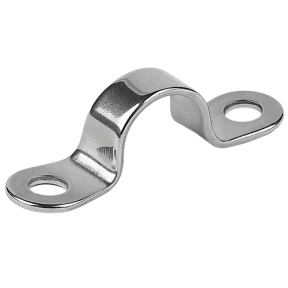
What Are Eye Straps?
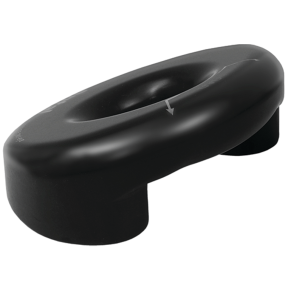
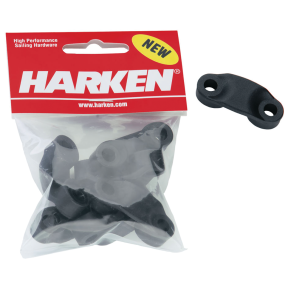
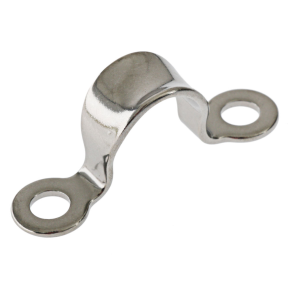
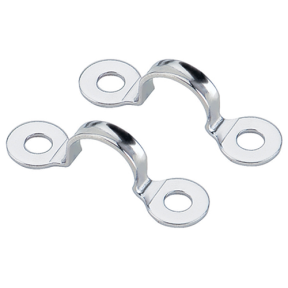
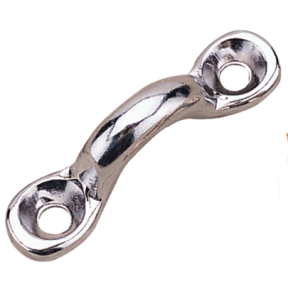
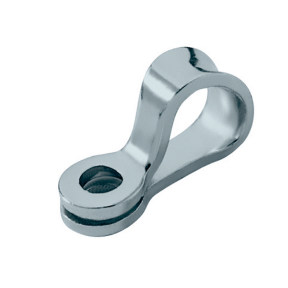
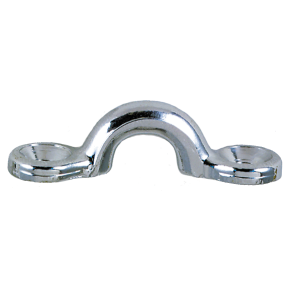
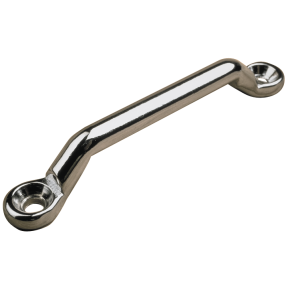
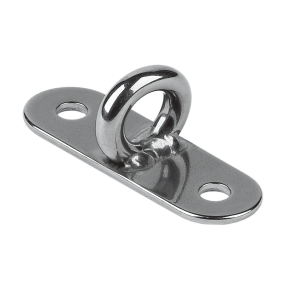
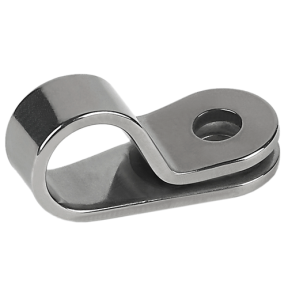
Eye straps (a.k.a. saddle straps) provide compact tie-points and fairleads for light-to-moderate loads such as control lines, bungee retention, and cable routing. They are available in 304 stainless, 316 stainless, bronze, nylon, and other synthetics.
- Strength vs. weight: metal variants carry higher loads; polymer variants reduce weight and noise.
- Mounting: surface-mount with two fasteners; choose fastener alloy to match strap material to reduce galvanic corrosion.
How to Choose the Right Pad Eye or Eye Strap
- Define the Application & Load Path: Identify whether the hardware will tow, lift, fairlead, or simply retain a line. Confirm the expected WLL and make sure the deck/hull laminate can support it.
- Select Materials for the Environment:
- Saltwater: favor 316 stainless or silicon bronze.
- Mixed-metal caution: isolate dissimilar metals and use anti-corrosion compounds and bedding sealants.
- Mounting & Fasteners:
- Use backing plates for high loads; through-bolt whenever possible.
- Match fastener grade/alloy to the fitting; use proper torque and re-inspect periodically.
- Clearance & Ergonomics:
- Choose folding or low-profile styles to minimize snagging in high-traffic areas.
- Use swivel hardware to align with variable load directions.
For standing and running rigging components, browse our large selection of rigging hardware.
Materials, Loads & Definitions
- Working Load Limit (WLL): the maximum load a fitting can safely support in service. Never exceed WLL.
- Safety factor: ratio between ultimate strength and WLL—varies by manufacturer and application.
- Common alloys:AISI 316, AISI 304, silicon bronze, and galvanized steel.
Frequently Asked Questions
What materials are commonly used?
Most marine pad eyes and eye straps are made from 316 stainless for corrosion resistance; bronze, galvanized steel, and nylon or acetal are also common.
Are there different types of marine eye hardware?
Yes—welded, folding, swivel, and oblong types address different load angles and clearance needs.
What is WLL and why is it important?
Working Load Limit is the manufacturer’s rated safe working capacity under normal conditions. Exceeding WLL risks hardware failure and injury.
Can eye straps be used for lifting?
Most eye straps are for retention/fairlead duties—not lifting. Use a dedicated, rated lifting pad eye with published WLL and follow the manufacturer’s installation guidance.
How do I reduce galvanic corrosion?
Match alloys (fitting/fasteners), isolate dissimilar metals with gaskets or sleeves, and rinse after salt exposure.