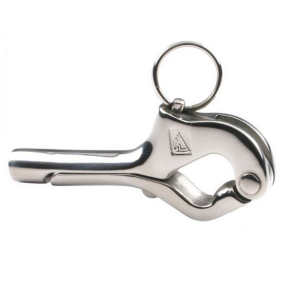
Marine Carabiners and Snap Hooks at Fisheries Supply
Choose the right connector for deck work, rigging, and safety tethers. This category offers marine-grade stainless (316/316L), locking options, swivels, and load ratings—so you can match hardware to real-world marine use.
Key Takeaways
- Material selection drives corrosion resistance and service life.
- Locking mechanisms reduce accidental gate opening on tethers and jacklines.
- Swivel eyes cut twist and side-loading risks in running gear.
- Always check rated working load and kN markings for your use case.
Overview
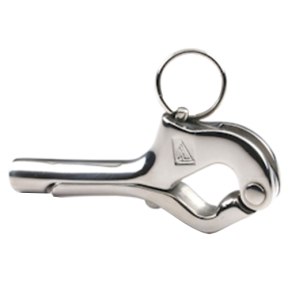
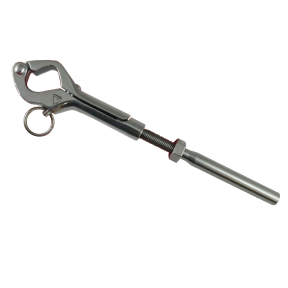
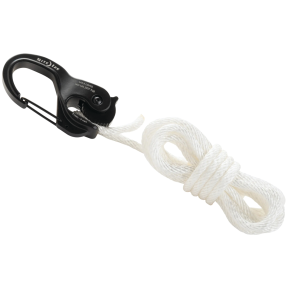
Our range serves both recreational sailors and commercial sailors, with options from brands such as Wichard. You’ll find locking carabiners, snap hooks, and swivel-eye variants sized for common marine lines and webbing.
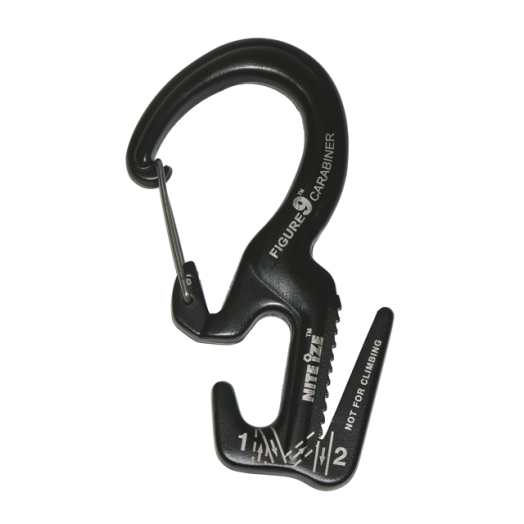
Carabiners: secure connectors for safety tethers and marine gear
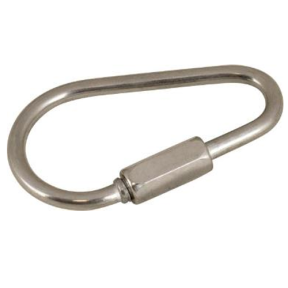
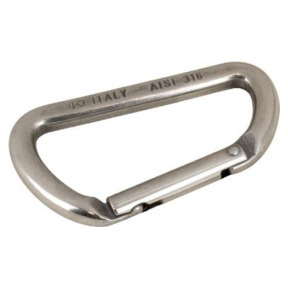
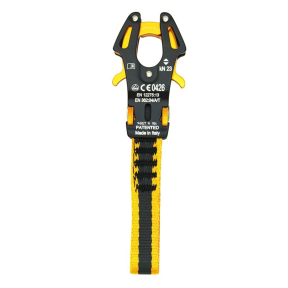
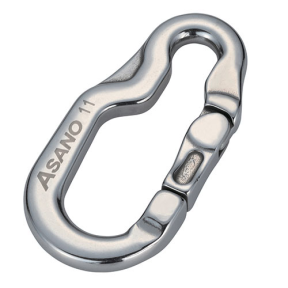
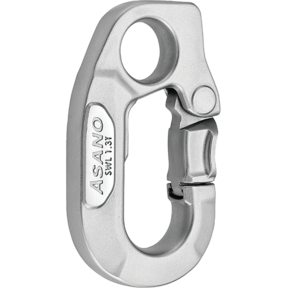
Carabiners are spring-gate connectors designed for quick attachment with defined strength ratings (often shown in kiloNewtons, kN). Many marine models add a locking sleeve to resist accidental opening—useful for jacklines and tethers.
When to choose a locking carabiner- Safety tether attachment to jacklines or fixed padeyes.
- High-vibration areas where gate-flutter could occur.
- Loads that may shift, rotate, or side-load lines.
Snap hooks: fast, single-handed attachments
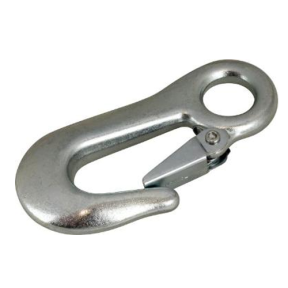
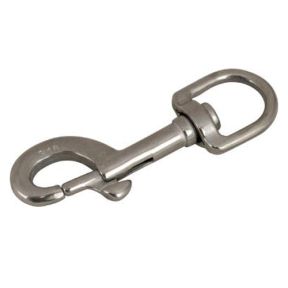
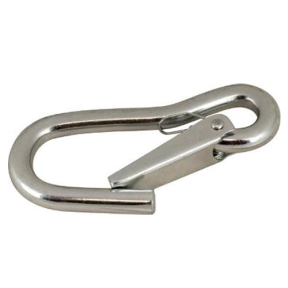
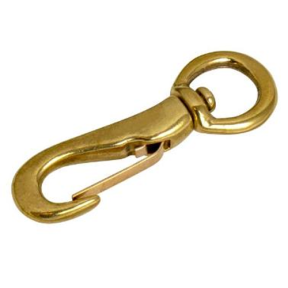
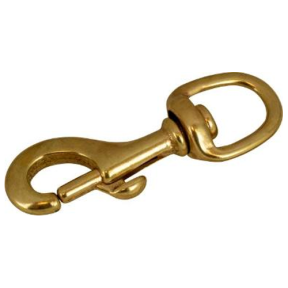
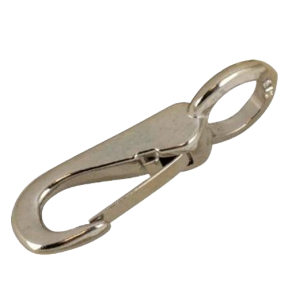
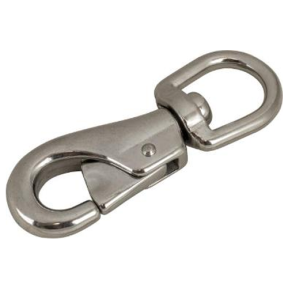
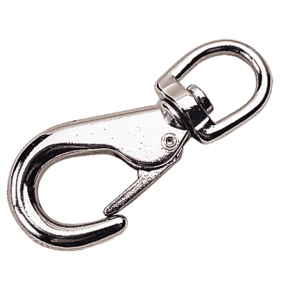
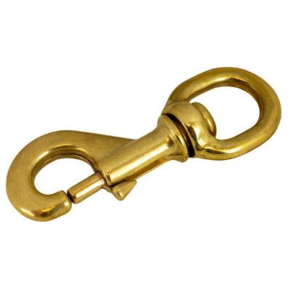
Snap hooks (a.k.a. spring hooks) use a spring-loaded gate for quick connect/disconnect. Compared with carabiners, many snap hooks are optimized for speed over ultimate strength; choose models with appropriate ratings for your task.
Common marine uses- Securing fenders and light gear lash-ups.
- Quick grab points on deck organizers and tidying lines.
- Webbing attachments using delta/webbing styles.
Materials: corrosion resistance in real seawater
For saltwater service, 316 stainless or 316L offers strong corrosion resistance, but it is not “corrosion-proof,” especially in crevices and stagnant splash zones. Good design, rinsing, and inspection still matter.
Material quick-guide- 316/316L stainless: best all-around for seawater; watch for crevice/pitting in low-oxygen traps.
- Brass: good for light duty and interior hardware; avoid high-load or galvanic-risk pairings.
- Die-cast zinc: economical for non-critical uses; limited seawater durability.
For brand-specific options and ratings, see Wichard stainless snap hooks and carabiners.
Understanding ratings and markings
- kN (kiloNewtons): force rating often etched on the body; higher ? always better—choose appropriate to task.
- Working vs. breaking load: rely on manufacturer tables; do not extrapolate from climbing to marine contexts.
- Gate type: straight, bent, locking sleeves (screw, twist); locking reduces unintended opening.
Frequently Asked Questions
What’s the difference between a snap hook and a carabiner?
A snap hook typically closes by pushing the gate toward the hook body for fast connections; a carabiner opens away from the spine and often carries higher, clearly marked strength ratings. Choose by required speed vs. strength and the presence of a locking sleeve.
Are locking carabiners recommended for jacklines?
Yes—locking mechanisms help prevent unintended opening on jacklines and tethers. For performance and test methods governing harnesses and safety lines on recreational craft, see ISO 12401 (selection must still be based on the product’s own published ratings).
Which stainless grade should I choose for carabiners used in saltwater?
316/316L is generally preferred in seawater for improved resistance to chloride pitting compared with 304, but no stainless is completely immune—rinse and inspect regularly.
How do I size the eye and gate opening?
Match the eye/gate to your line or hardware diameter and confirm dimensions in the manufacturer’s table. Example: Wichard lists lengths, gate openings, and working loads for each model.