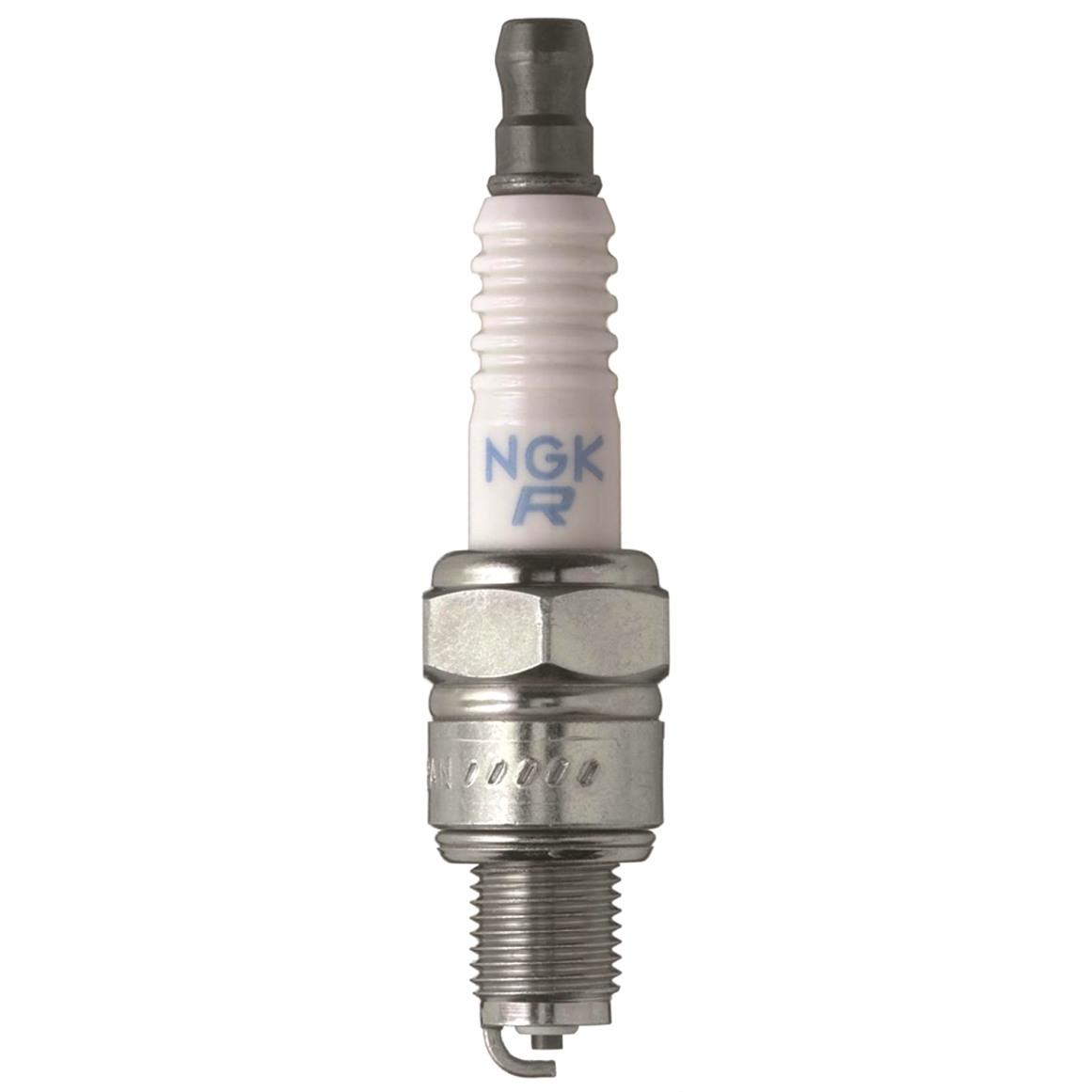
NGK Spark Plugs for Marine Engines — Precision, Reliability, and Proper Installation
This category offers a search-friendly overview of NGK® marine spark plugs, seat types, correct installation, and why buying from Fisheries Supply is a smart choice.
Key Takeaways
- Identify your plug’s seat type—gasket or tapered—and tighten to spec for a reliable seal.
- NGK (now Niterra) leads global ignition technology and supplies OE plugs across marine applications.
- Shop authentic NGK plugs, get expert guidance, and match parts fast with manufacturer tools.
About NGK / Niterra
Founded in 1936–1937 in Nagoya, Japan, NGK Spark Plug Co., Ltd. has evolved into Niterra Co., Ltd. (rebrand effective April 2023), reflecting a broader portfolio in ignition products and vehicle electronics.
In the marine sector, NGK designs plugs to resist corrosion and spark quenching in demanding, salt-water environments—supporting inboard, outboard, and personal watercraft engines worldwide.
Understanding Spark Plug Seat Types
- Seals with a crushable gasket against the cylinder head.
- Common on many marine heads; requires seating the gasket and torquing to specification.
- Seals via the plug’s conical surface—no gasket.
- After finger-tight contact, final tightening is a small angle/torque per manufacturer spec.
Proper Installation Techniques (Torque First)
Correct torque prevents hot spots (under-tightening) and shell or seal damage (over-tightening). Standard practice: clean the seat, thread by hand until contact, then tighten to the specified torque/angle for your plug and head.
- Identify the seat type (gasket vs tapered) and confirm thread reach and heat range for your engine.
- Hand-thread until contact; never force or cross-thread.
- Torque to spec with a calibrated wrench (or the OEM angle method if specified).
- Re-check after first heat cycle if the OEM procedure calls for it.
Why Choose Fisheries Supply for NGK Marine Plugs
- Trusted Inventory: Authentic NGK parts, curated for marine powertrain applications—including inboard, outboard, and PWC.
- Expert Guidance: Product specialists help confirm seat type, torque specs, and application fitment.
- Faster Selection: Use NGK’s official Part Finder to cross-reference the exact plug for your engine.
- Pro Buyers Welcome: Support for commercial accounts and large orders, with nationwide and international fulfillment options (details on request).
How Fresh Spark Plugs Enhance Boat Performance
Replacing worn plugs restores strong ignition and stable idle, supports better fuel economy and cold starts, and reduces misfire-related emissions.
- Smoother operation and throttle response
- Improved starting behavior
- Reduced fouling and misfire events
Frequently Asked Questions
How do I tell whether my plug uses a gasket or a tapered seat?
Inspect the base: a visible, removable crush washer indicates a gasket seat; a smooth conical base without a washer indicates a tapered seat. Always verify by part number.
What’s the correct sparkplug torque for my marine engine?
Torque varies by plug thread size, seat type, and cylinder-head material. Follow the torque/angle chart from NGK and your engine manufacturer’s service manual.
Should I use anti-seize on NGK plug threads?
NGK generally advises against external anti-seize on plated threads because it alters friction and can lead to over-torque. Check NGK’s current guidance and your engine OEM manual.
Where can I confirm the exact NGK part number for my boat?
Use NGK’s official Part Finder by engine make/model and validate against your service manual.