Boat Water Heaters at Fisheries Supply
Marine water heaters are a core comfort option on many boats, supplying hot water for showers, dishwashing, and everyday onboard use. Choosing the right heater depends on boat size, available power, and how you use your boat.
Key Takeaways
- Marine water heaters provide onboard hot water
- Engine heat exchanger units are the most common choice
- Tank materials and size affect durability and capacity
- Routine maintenance improves lifespan and performance
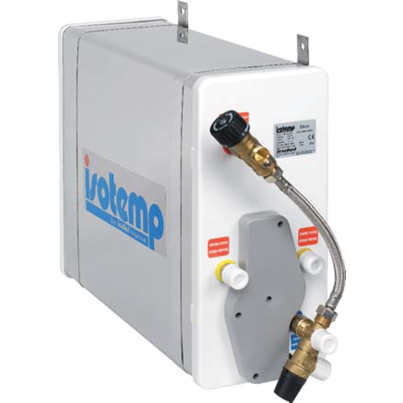
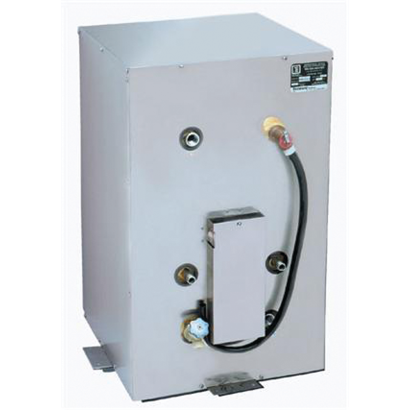
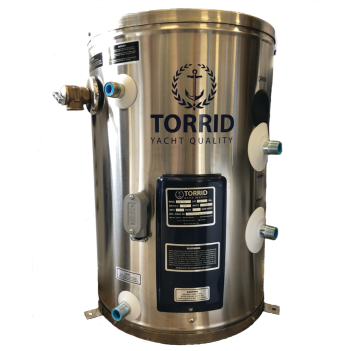
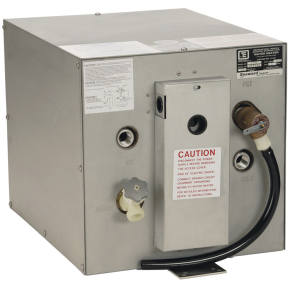
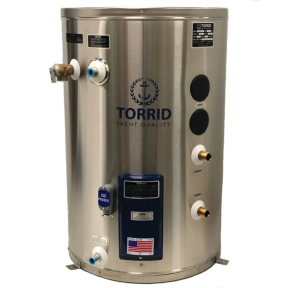
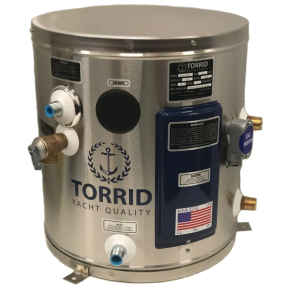
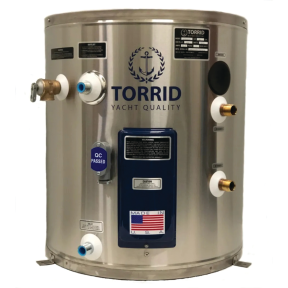
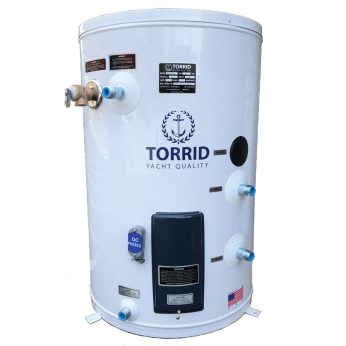
Fisheries Supply carries a broad range of boat water heaters and service parts from established marine manufacturers, including Torrid, Isotherm, and Whale.
Types of Marine Water Heaters
- Engine heat exchanger water heaters
- Electric water heaters
- Combination electric and engine heat exchanger heaters
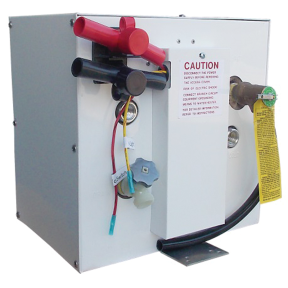
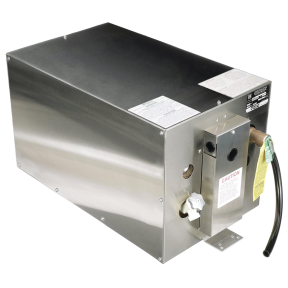
Engine heat exchanger models are the most widely used option, capturing waste heat from the propulsion engine to warm water while underway. Electric and combination units add flexibility when shore power is available.
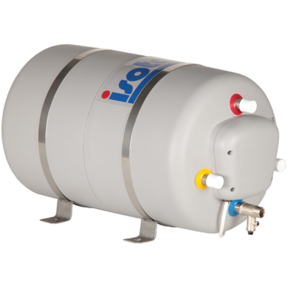
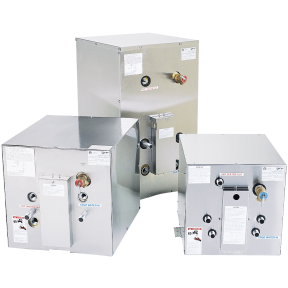
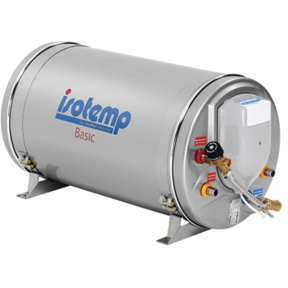
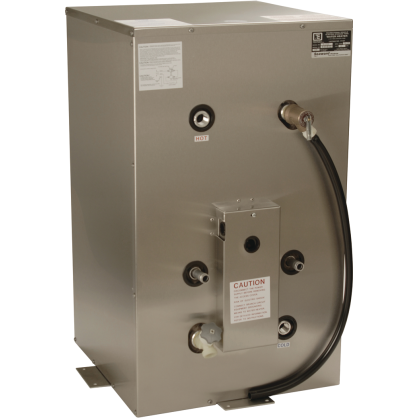
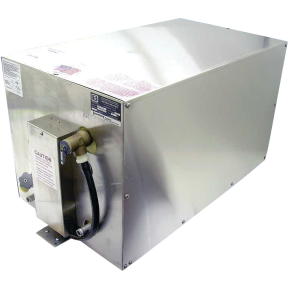
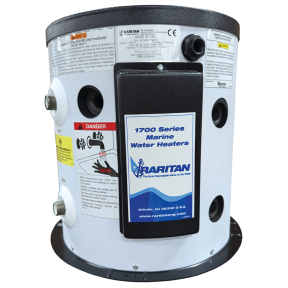
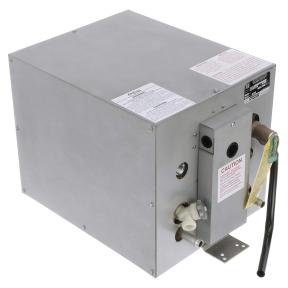
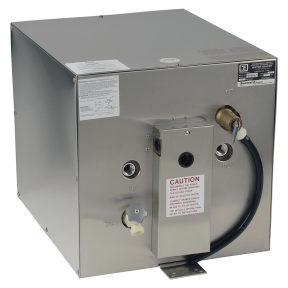
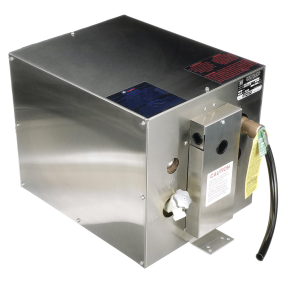
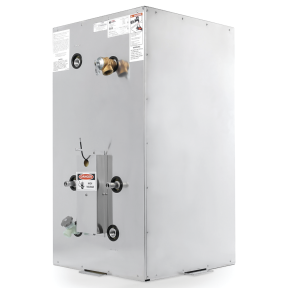
Marine hot water heaters are offered in a range of capacities to match different installations, from compact 6-gallon units for smaller boats to larger 20-gallon models suited for bigger boats.
Marine tankless water heaters are uncommon on recreational boats. They require steady water flow and significant electrical or fuel input, which can be difficult to support on smaller boats.
Key Features of Boat Water Heaters
- Corrosion-resistant tank materials
- Compact footprints for tight engine rooms
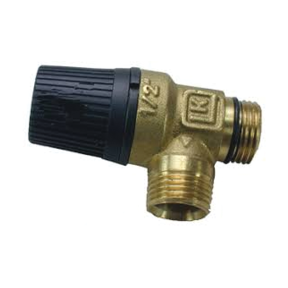
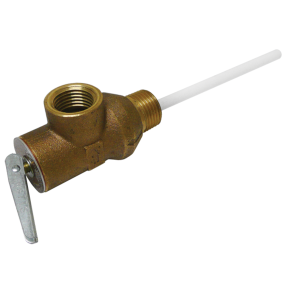
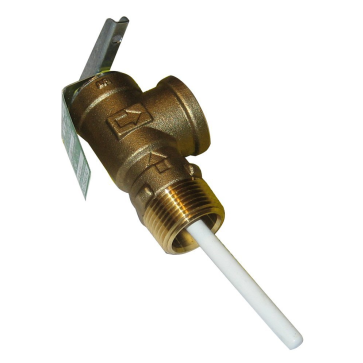
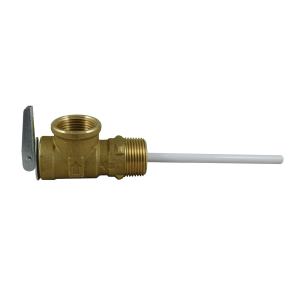
- Integrated pressure relief valves
- Engine-driven heat exchanger capability
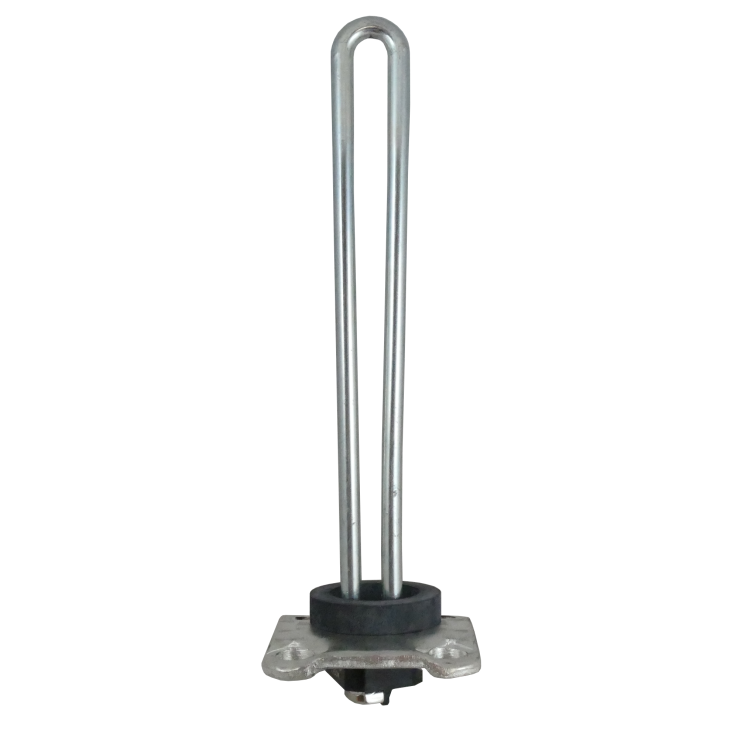
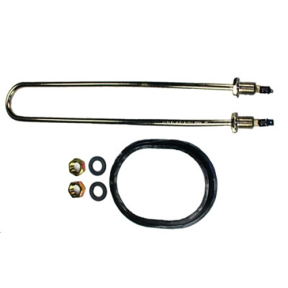
- Electric heating elements for shore power
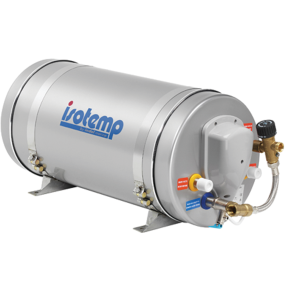
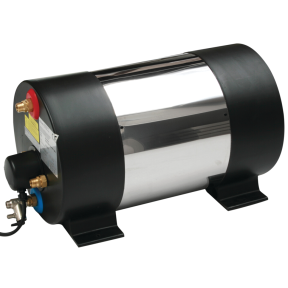
Tank construction commonly includes stainless steel, plastic, or aluminum materials to help manage corrosion in marine environments. Safety and service access are also central to marine-specific designs.
Marine Water Heater Parts and Accessories
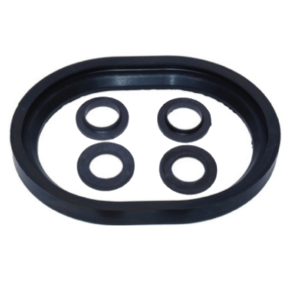
Routine service and repair help extend the life of a marine hot water tank. Fisheries Supply stocks replacement components used in regular maintenance and system repairs.
- Pressure regulators
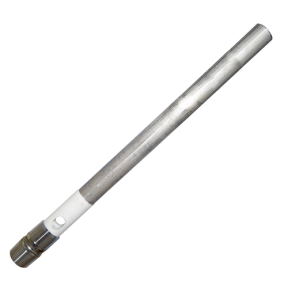
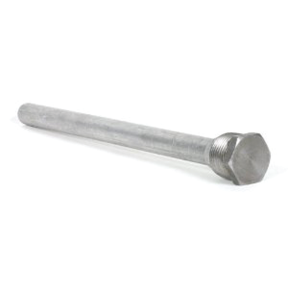
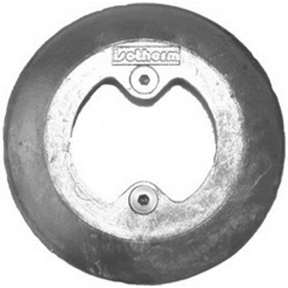
- Sacrificial anodes
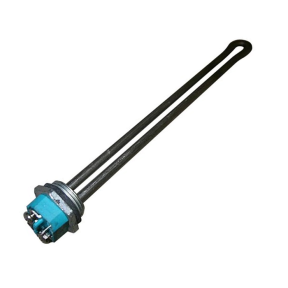
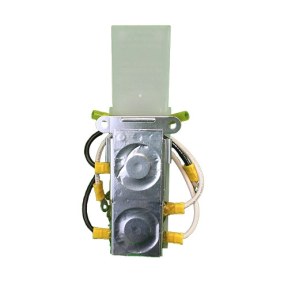
- Heating elements
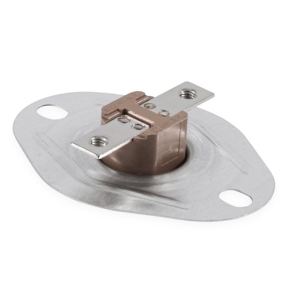
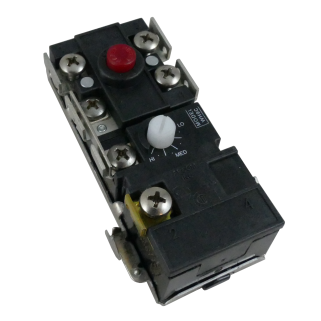
- Thermostats
- Mounting brackets
Choosing the Right Marine Water Heater
Selecting a boat water heater starts with understanding your onboard hot water demand and available installation space. Power source options also play a major role in long-term usability.
- Boat size and crew water usage
- Available power sources
- Physical space for installation
Maintenance and Efficiency
Regular inspection and service are essential for reliable operation and efficiency. Preventive maintenance helps reduce corrosion, improve heat transfer, and avoid unexpected failures.
- Inspecting and replacing anodes
- Flushing the tank as recommended
- Checking heat exchangers for corrosion
- Testing pressure relief valves
You can also browse related plumbing components, including marine faucets, to complete your onboard water system.
Frequently Asked Questions
What size marine water heater should I choose?
Select the largest unit that fits your available space. Common sizes range from 6 to 20 gallons, with larger capacities better suited for extended trips or multiple passengers.
What materials are best for marine water heater tanks?
Stainless steel and glass-lined tanks are preferred for their corrosion resistance and durability in marine environments. Aluminum tanks are generally more affordable but are less durable and more prone to corrosion.
What brands of marine water heaters are available at Fisheries Supply?
Fisheries Supply offers a large inventory of marine water heaters from industry-leading brands, including Isotherm (Isotemp), Torrid, Whale, Raritan, Kuuma Products, Seaward Products, and Vetus.
Can I heat water using my boat's engine instead of electricity?
Yes, many marine water heaters featured on this page include an internal heat exchanger. This allows you to use the hot coolant from your engine to heat your domestic water while underway, saving electrical power.
Does Fisheries Supply carry replacement parts for water heaters?
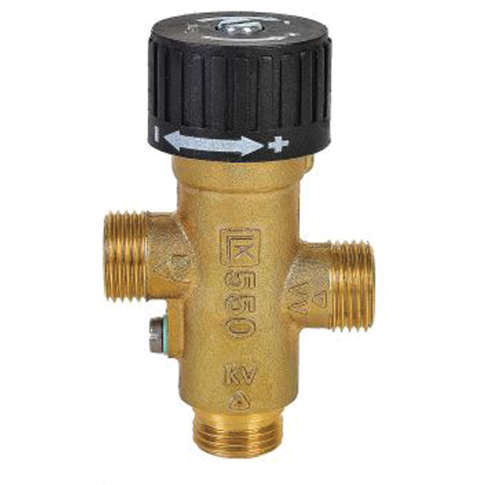
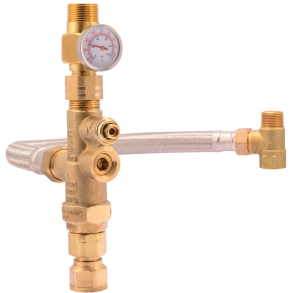
In addition to complete units, you can find essential maintenance and repair parts including heating elements, thermostats, anodes (magnesium and zinc), pressure relief valves, and mixing valves to keep your system running efficiently.