Marine Water Management with Inlets, Outlets, and Pressure Regulators
Effective marine water management for safe, reliable operation on boats of all sizes—from small recreational to commercial boats.
What To Know
- Water inlets and outlets form the backbone of onboard plumbing systems
- Pressure regulators protect plumbing from variable shore water pressure
- Regular inspection helps extend system life and reliability
Fisheries Supply provides a large inventory of marine water system components designed for durability and consistent performance in demanding marine environments.
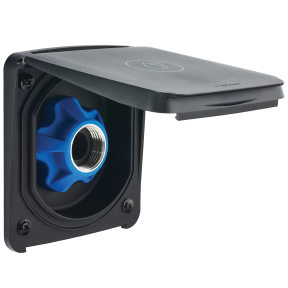
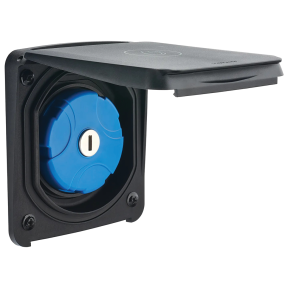
Boat Water Inlets and Outlets
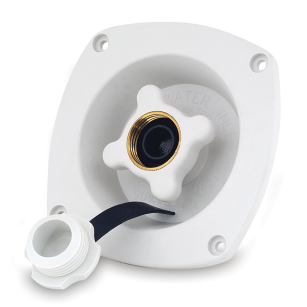
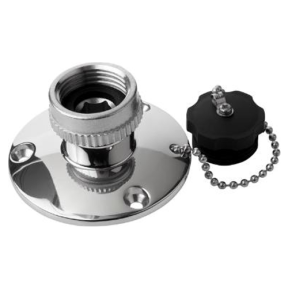
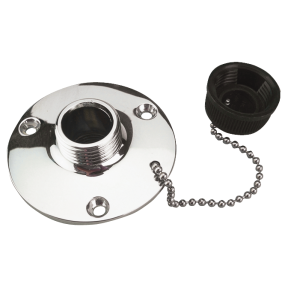
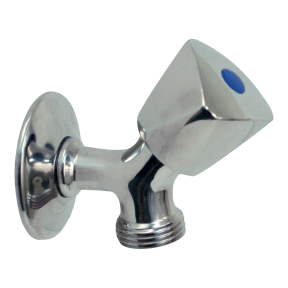
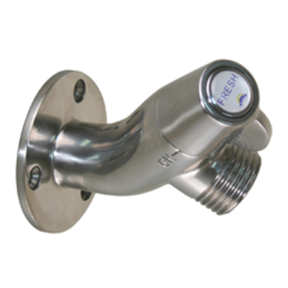
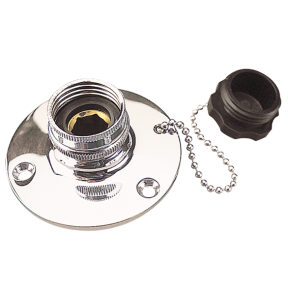
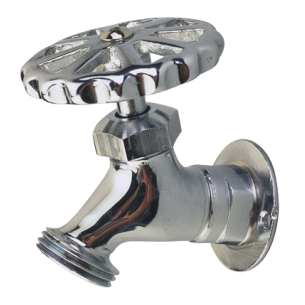
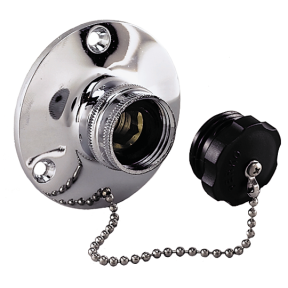
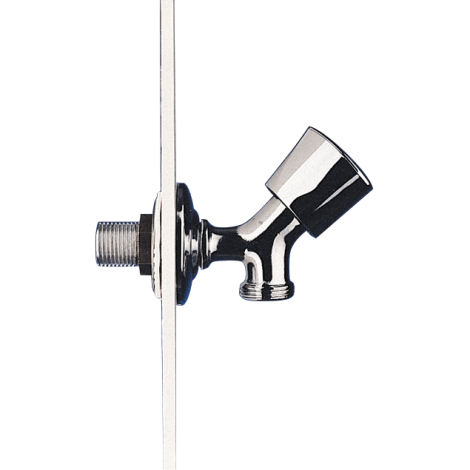
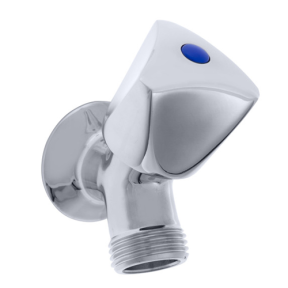
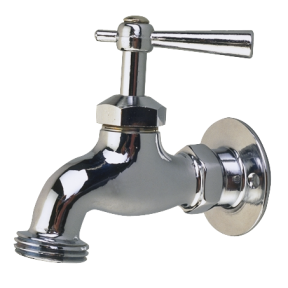
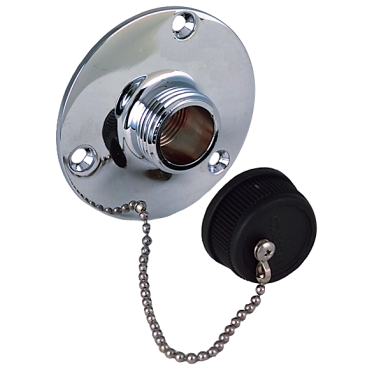
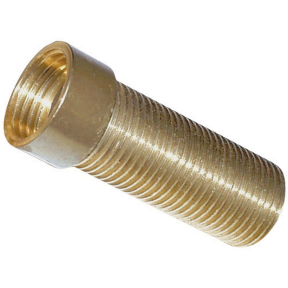
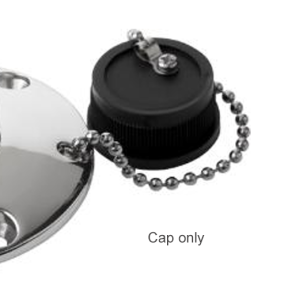
A boat water inlet allows water to enter the boat, while a boat water outlet manages controlled discharge. Together, these fittings form the foundation of most onboard water systems.
Common onboard systems that rely on properly installed inlets and outlets include:
- Engine cooling systems
- Freshwater distribution
- Waste and drainage systems
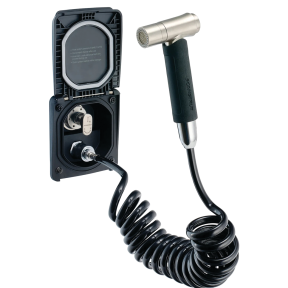
- Deck and anchor washdowns
Marine-grade water outlets and inlet valves are built to resist corrosion and wear, helping maintain long-term reliability in saltwater and freshwater applications.
Marine Water Pressure Regulators
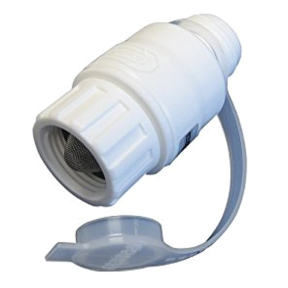
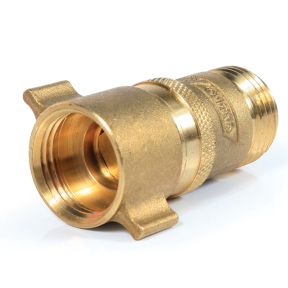
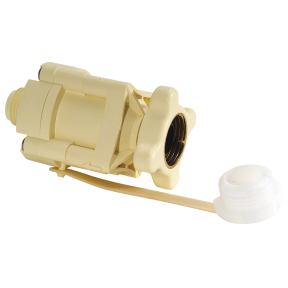
A marine water pressure regulator helps maintain stable water pressure throughout your boat’s plumbing system. This is especially important when connecting to shoreside water supplies, where pressure levels can fluctuate widely.
Without regulation, excessive pressure can stress hoses, fittings, and fixtures. Marine spigot pressure regulators are designed to manage this risk while supporting consistent system operation.
- Protection from high-pressure surges
- Steady water flow around 65 PSI
- Reduced wear on hoses and fittings
Maintaining Your Marine Water System
Routine inspection and maintenance of water inlets, outlets, and pressure regulators helps prevent leaks, blockages, and premature component failure. Small issues caught early can reduce downtime and repair costs.
Recommended maintenance practices include:
- Inspecting fittings for corrosion or damage
- Cleaning outlets to prevent debris buildup
- Testing pressure regulators annually
- Replacing worn parts before failure occurs
Whether you’re addressing a specific regulator for a marine water tank or planning a broader system refresh, selecting compatible, marine-rated components is key. For interior upgrades, explore a wide range of durable and functional marine faucets.
Frequently Asked Questions
How do marine water pressure regulators work?
Pressure regulators reduce high incoming water pressure from shore supplies to a safe, consistent level for a boat’s plumbing system, helping prevent damage to hoses and fixtures.
How do you adjust a marine water pressure regulator?
Locate the adjustment screw on the regulator, then tighten it to increase pressure or loosen it to decrease pressure. Make small adjustments and check system pressure after each change.
Can I install a water pressure regulator myself on my boat?
Installation can be handled by someone comfortable with basic plumbing tasks, including shutting off the water supply, cutting into the plumbing line, and confirming correct flow direction. If not, professional installation is recommended.
Why is a marine water pressure regulator necessary when connecting to shore water?
Dockside city water systems often have unregulated pressures that can reach as high as 125 PSI. Marine plumbing systems and hoses are typically not designed for such high pressure; a regulator automatically reduces this incoming flow to a safe, consistent level (typically 45 to 65 PSI) to protect your boat’s internal plumbing and components from damage or failure.
What is the difference between a water inlet and a water outlet fitting?
A boat water inlet serves as the dedicated entry point for shore water to enter your boat's pressurized system. Conversely, a water outlet fitting is used for discharging water or providing a connection point for on-board systems, such as washdown pumps used for cleaning decks or anchors.
How do I know if I need a flush-mount or an in-line pressure regulator?
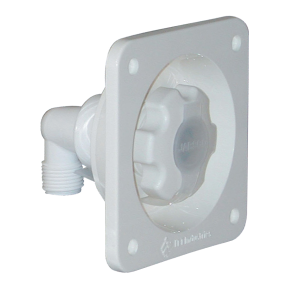
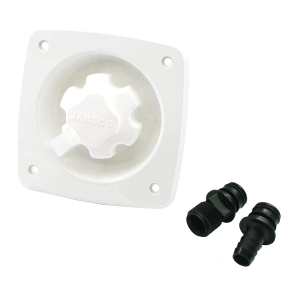
Flush-mount regulators are designed for permanent installation into the boat's superstructure, providing a clean look with a built-in hose connection. In-line regulators are more versatile and can be installed anywhere along the plumbing line after the inlet, making them ideal for retrofitting or for systems where the inlet and the regulator need to be separate.
Do these water inlets include protection against backflow?
Yes, many high-quality inlets and regulators, such as those from Jabsco, feature built-in backflow preventers. This prevents water from your boat's internal system from flowing back into the municipal shore supply, ensuring compliance with various plumbing codes and environmental safety standards.
How should I maintain my boat's water management fittings?
Regular maintenance includes inspecting all fittings for signs of wear, corrosion, or leaks. You should also clean marine water outlets to prevent blockages from debris or salt buildup and test your water pressure regulator annually to ensure it is still effectively limiting the pressure to the manufacturer’s specified range.