Keep Your Boat Running Smoothly with Fisheries Supply Fuel Transfer Pumps
This category is intended for the selection, safe use, and upkeep of marine fuel transfer pumps for gasoline and diesel applications.
Key Takeaways
- Match materials to fuel; verify compatibility charts.
- Size flow rate to tank and venting to minimize spills.
- Choose electric for speed; manual for portability or backup.
- Maintain filters, seals, wiring; respect duty cycle.
- Use bonding/grounding and shut-off controls to reduce risk.
Overview
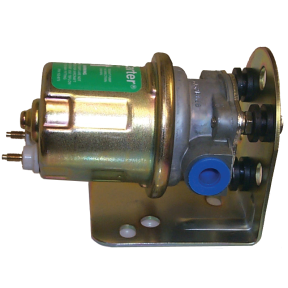
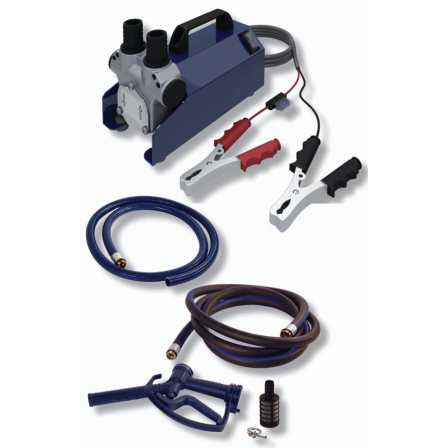
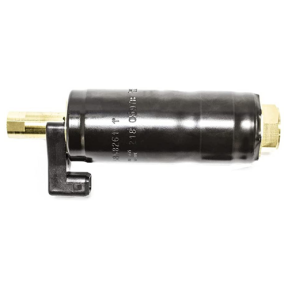
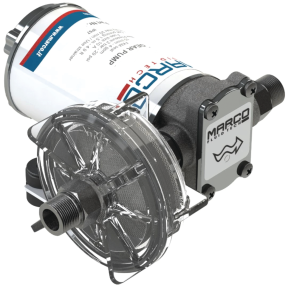
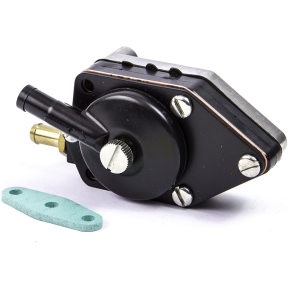
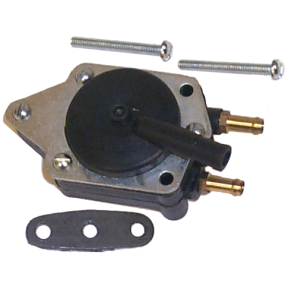
At Fisheries Supply, we stock a wide selection of marine fuel transfer pumps from recognized brands for gasoline and diesel. Options include portable 12V systems, dockside AC pumps, and hand-operated units for emergency or light-duty use.
How to Choose the Right Fuel Transfer Pump
- Fuel & Materials Compatibility
- Elastomers/seals: confirm nitrile, FKM, or equivalent are rated for your fuel.
- Impeller type: verify gasoline/diesel suitability and dry-run limits.
- Hose rating: use USCG-type fuel hose where applicable.
- Power, Duty Cycle, and Portability
- Power source: 12V DC for mobile use; 115–120V AC for shop/dock.
- Duty cycle: match continuous vs. intermittent ratings to transfer duration.
- Portability: choose compact kits for tenders, yard carts, or service trucks.
- Flow Rate & Control: Determine the safe GPM for your tank size and venting. Oversizing can increase spill risk or overwhelm receiving tanks.
- Safety Features
- Thermal overload and auto shut-off reduce overheating and spill risk.
- Bonding/grounding provisions help manage static during fueling.
- Nozzle type: consider automatic shut-off nozzles where appropriate.
Popular Pump Options
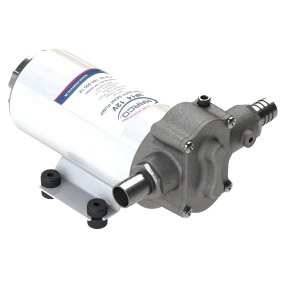
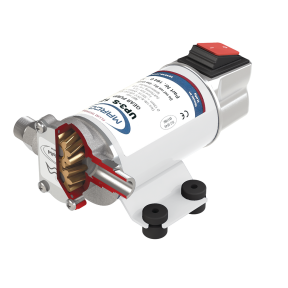
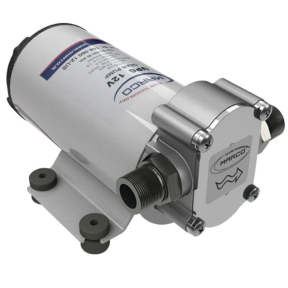
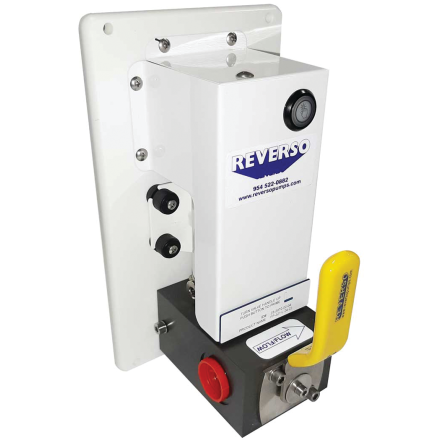
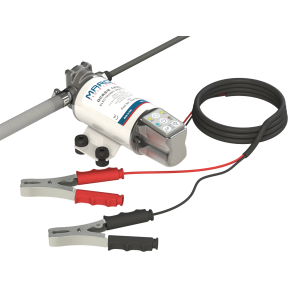
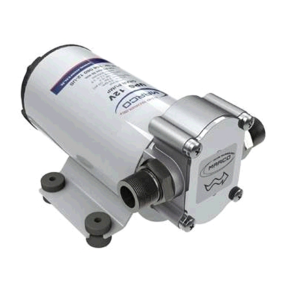
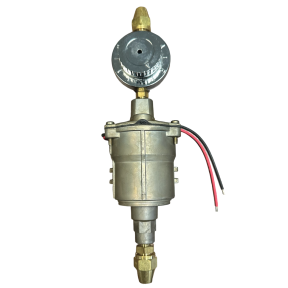
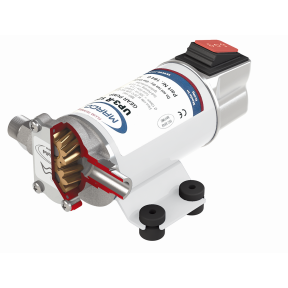
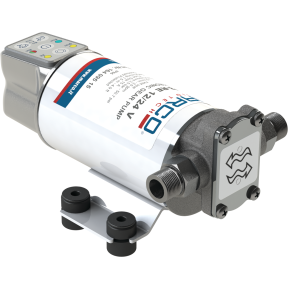
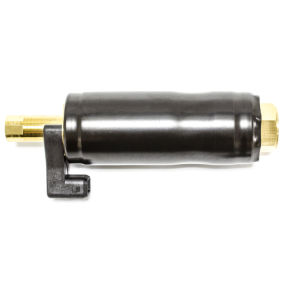
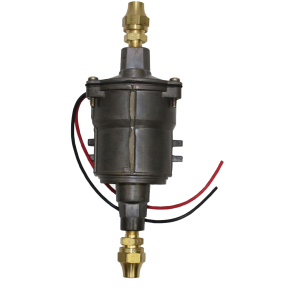
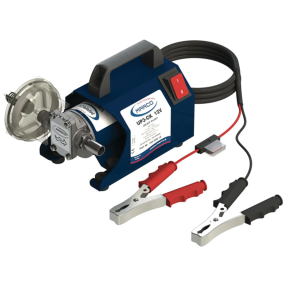
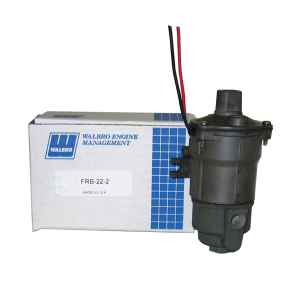
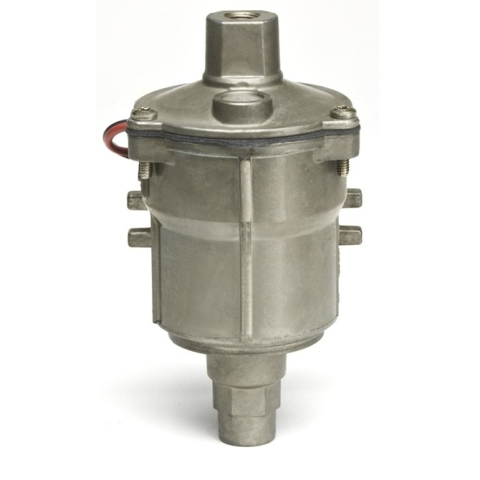
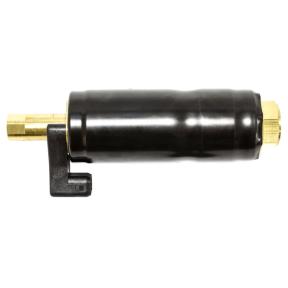
- Electric Fuel Transfer Pumps: Push-button convenience and consistent flow for routine refueling.
- Hand-Operated Transfer Pumps: Portable, simple, and useful for occasional transfers or emergencies.
Have questions? Our team can help you compare materials, duty cycles, and flow controls to your exact application.
Compatibility & Flow-Rate Sizing
- Fluid compatibility: Verify that a pump rated for gasoline is also approved if you plan to move diesel (or vice versa). Always check the manufacturer’s chart.
- Flow rate: Match pump output to tank size and vent capacity. Excess GPM can cause foaming, static buildup, or overfilling.
Safety & Maintenance
- Routine Checks
- Inspect for leaks at fittings, seals, and hoses.
- Confirm tight, corrosion-free electrical connections on electric pumps.
- Clean/replace strainers and filters to maintain designed flow.
- Observe the manufacturer’s duty-cycle and temperature limits.
- Good Practices During Transfer
- Bond/ground equipment per the pump maker’s instructions.
- Keep the nozzle in contact with the fill to reduce static.
- Use absorbent pads and appropriate containers to manage spills.
Note: For design/installation details, consult applicable standards and your yard’s policies. This guide is informational and not a certification claim.
Shop or Get Help
Don’t let a worn or undersized pump slow your day. Shop our current selection of fuel transfer pumps and related senders and sensors, or contact us for assistance selecting the right system for your boat.
Frequently Asked Questions
What types of fuel pumps are common in marine service?
Electric transfer pumps for routine refueling; hand-operated pumps for portability or backup; and pressure-limited systems for controlled delivery.
How do I choose the right fuel pump for my boat?
Start with fuel compatibility, then match power (12V/AC), duty cycle, and safe GPM to tank size and venting. Add safety controls like thermal protection and automatic nozzles as needed.
What maintenance keeps fuel pumps reliable?
Check for leaks, confirm electrical integrity, and replace filters/impellers per the manufacturer. Inspect hoses regularly and store equipment clean and dry.
Are manual pumps still useful if I have an electric unit?
Yes. A compact hand pump is a practical backup for emergency transfer or tight spaces.