Fiberglass Boat Repair Kits: Restoring Your Boat with Confidence
Why Choose a Marine Fiberglass Repair Kit?
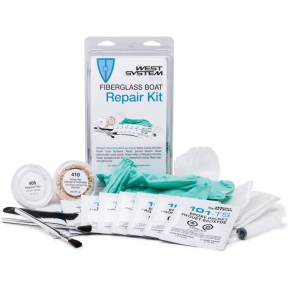
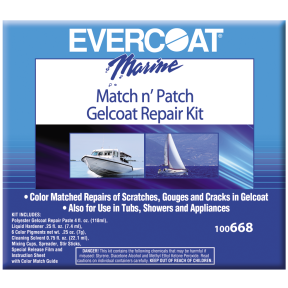
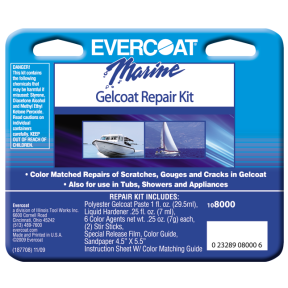
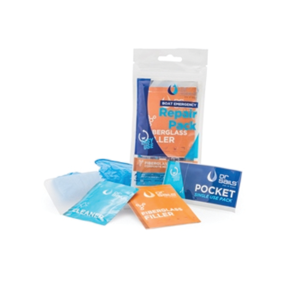
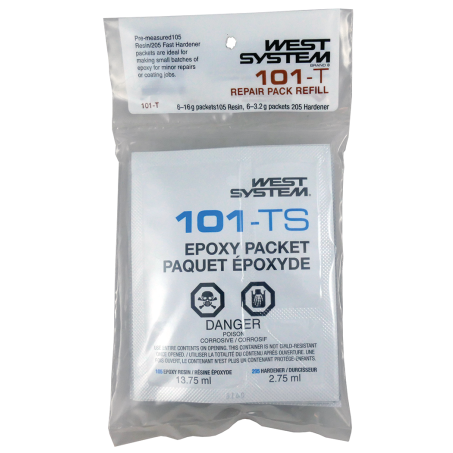
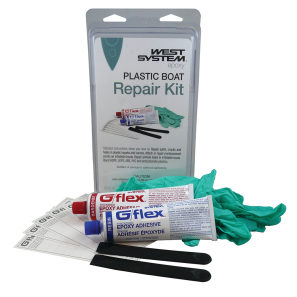
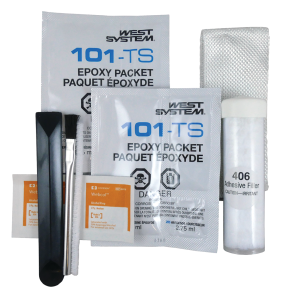
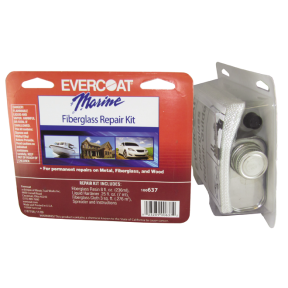
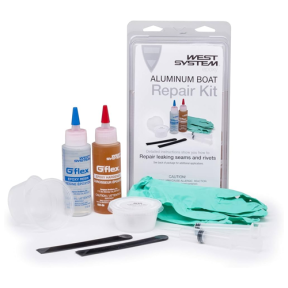
These specialized kits typically include:
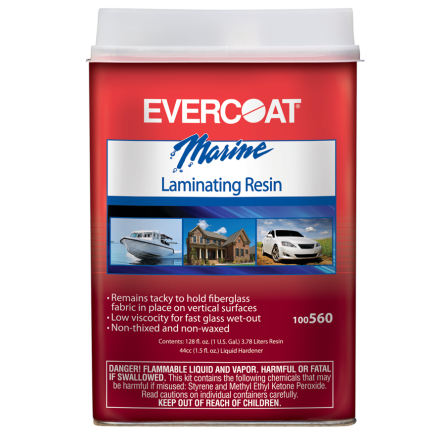
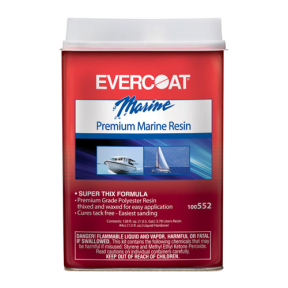
- Marine polyester resin.
- Fiberglass cloth or fiberglass mat.
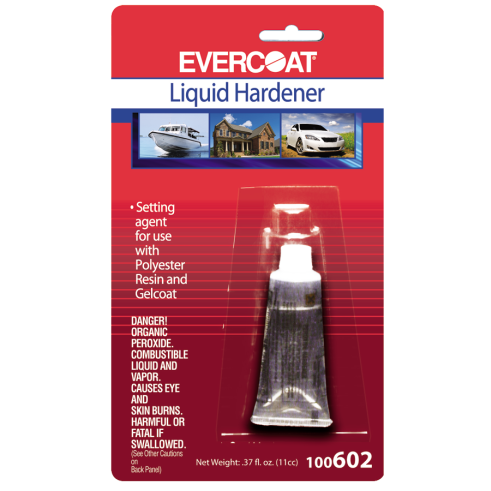
- Hardener.
- Mixing sticks and application tools.
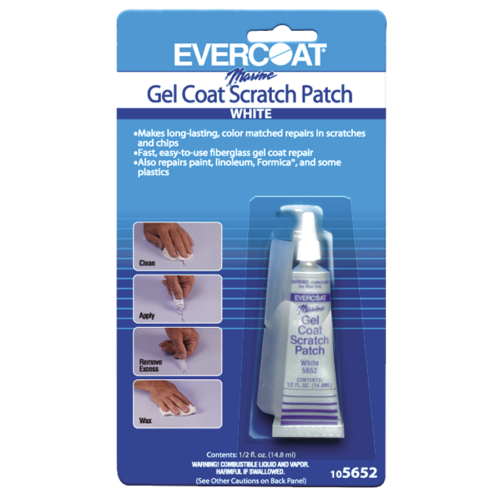
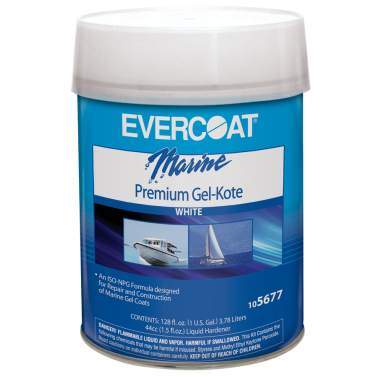
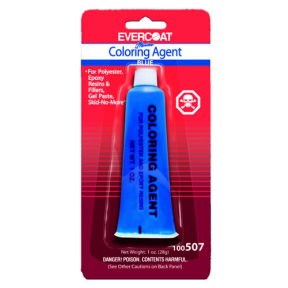
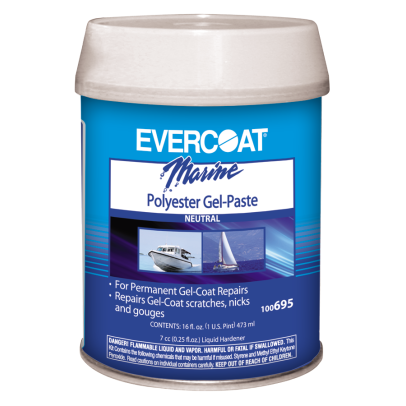
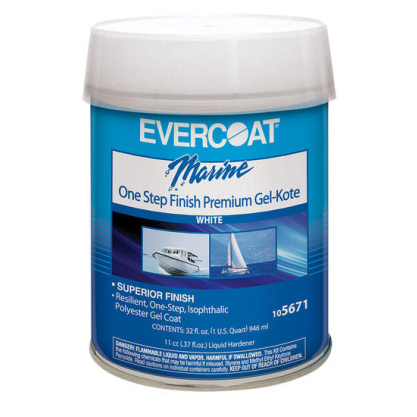
- Gel Coat and coloring pigments.
The Advantages of Polyester Resin in Boat Repairs
- Exceptional durability.
- User-friendly application.
- Strong bonding properties with fiberglass.
- Versatility for various repair needs.
- Less expensive than vinylester or epoxy.
Choosing the Right Fiberglass Repair Kit for Your Boat
Before you tackle any repair, consider the following:
- Types of Repairs: Hull damage, cracks, and gelcoat repairs.
- Materials: Resin, cloth, mat, and fairing compounds.
- Methods: Hand lay-up, spray-up, or vacuum infusion.
- Safety: Proper ventilation and Personal Protective Equipment.
Frequently Asked Questions
How does polyester resin compare to vinylester or epoxy?
Polyester resins are generally less expensive and offer flexibility and durability. Epoxy resins are typically stronger for bonding and water resistance. Polyester resins also have a stronger odor than epoxy, which can be a disadvantage when working in confined areas.
How do you remove resin from skin?
Resin is not water soluble. You should use a waterless skin cleanser or white vinegar. Acetone also works well as a resin cleaner but may cause issues for sensitive skin.
Are there inhalation risks with epoxies?
Epoxies typically have low emissions, but risks increase with inadequate ventilation, prolonged exposure, or when products are heated, as mixed resin and hardener can generate toxic vapors. Always use a quality respirator.