














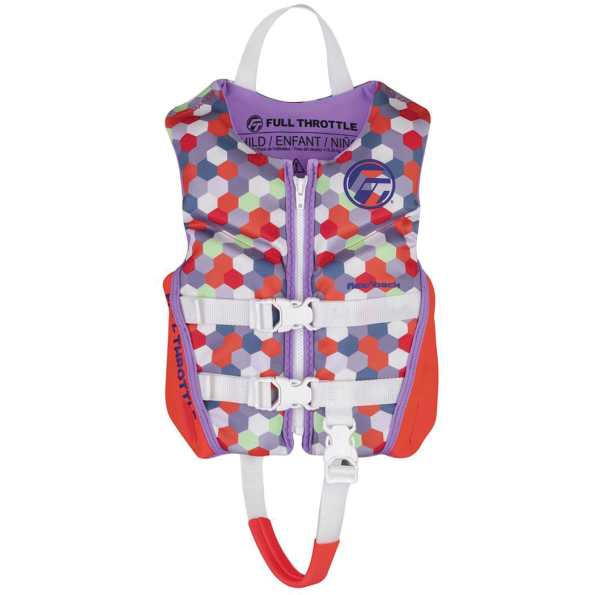
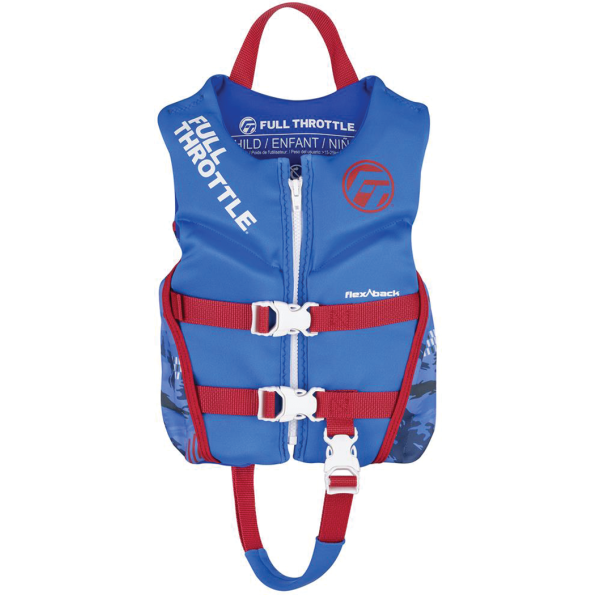


Marine Life Jackets (PFDs) & Life Vests
Life jackets and personal flotation devices (PFDs) are used for recreational boating and commercial fishing. Choose a type suited to the water and activity, then check buoyancy, visibility, and fit.
Key Selection Factors
- Match the PFD type to the water conditions and activity.
- Compare buoyancy ratings, which range from 50 to 275 newtons in the supplied content.
- For adults, use chest measurement to choose a snug fit.
- Consider visibility, pockets, attachment tabs, and harness integration.
Safety and Selection Overview
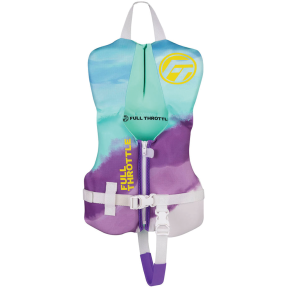
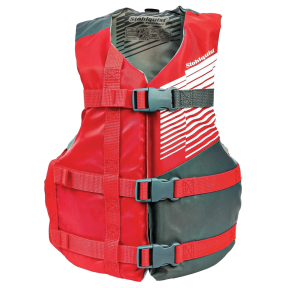
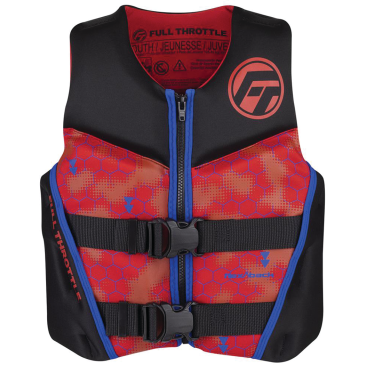
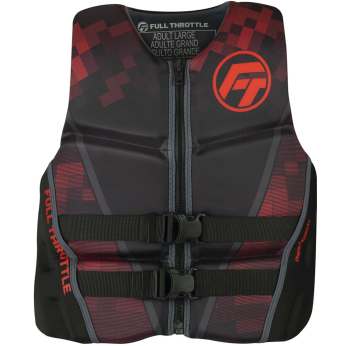
Recreational and commercial applications have different needs. The supplied content states that in the United States, people younger than 13 must wear an appropriate life jacket on a moving recreational boat, including whenriding or being towed by a personal watercraft. Commercial life jackets are designed for rugged use, with a focus on durability, buoyancy, and high visibility.
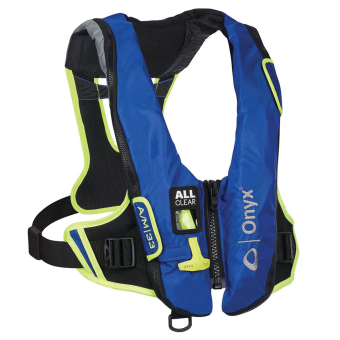
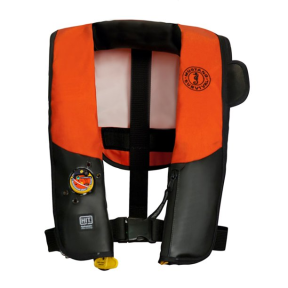
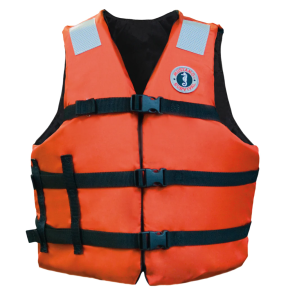
Examples in the supplied content include Mustang Survival inflatable life jackets, which are stored uninflated and compact for comfort, and the Spinlock Deckvest, which combines a harness, tether, and flotation. Traditional foam vests are also described as buoyancy aids for coastal boating and commercial use.
Inflatable Life Jackets
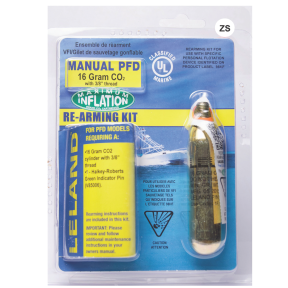
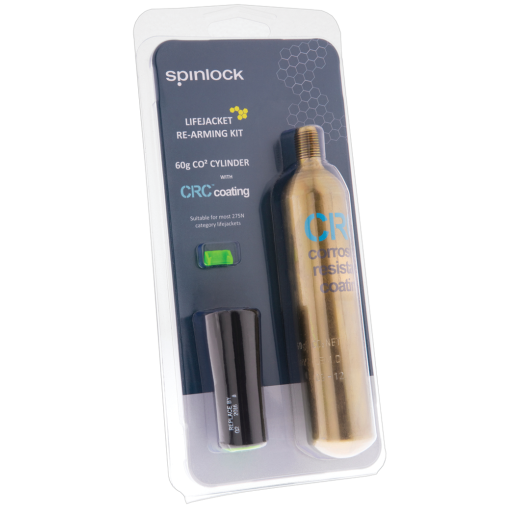
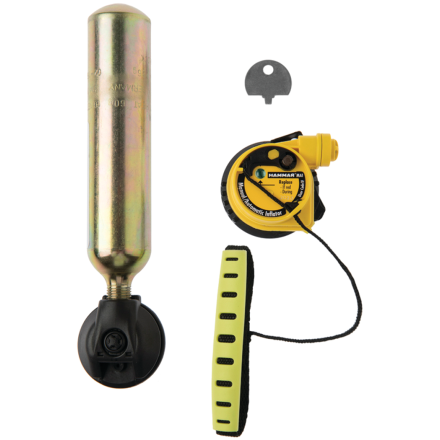
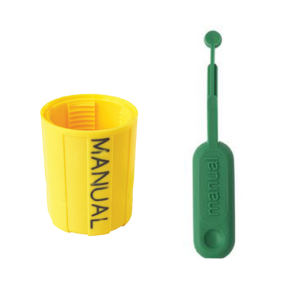
Inflatable PFDs use a CO2 cylinder to inflate. Manual models deploy when the wearer pulls a "jerk tab" automatic models use a water-soluble bobbin or hydrostatic pressure valve that releases a spring-loaded pin to puncture the CO2 cylinder upon immersion. Browse inflatable life jackets.
Understanding PFD Classifications
The supplied content describes the United States Coast Guard (USCG) classifications below. Match the intended use and water conditions to the device, and follow the label on Type V gear.
Note: While the traditional Type I–V system is widely recognized, the U.S. Coast Guard has adopted harmonized numerical performance levels (Level 70, 100, 150, 275) featuring intuitive graphic icons.
| PFD type | Intended use | Stated characteristics |
|---|---|---|
| Type I (Offshore) | Open, rough waters | Maximum buoyancy; designed to turn unconscious wearers face-up. |
| Type II (Near-Shore) | Calm, inland waters | Less bulky than Type I; may turn some unconscious wearers face-up. |
| Type III (Flotation Aid) | Recreational use in calm waters | Comfortable; does not guarantee face-up turning. |
| Type IV (Throwable) | Thrown to a person in the water | Examples include ring buoys and cushions; not wearable. |
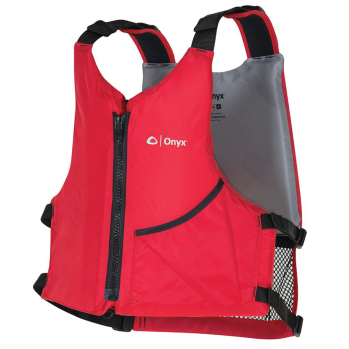
| Type V (Special-Use) | Activity-specific use, such as kayaking | Must be used as labeled to remain approved. |
Choosing the Right Equipment
Start with the activity, such as waterskiing, wakeboarding, offshore cruising, or commercial fishing, and the conditions where the PFD will be used. Then compare buoyancy, fit, visibility, and features.
- Buoyancy: Ratings in the supplied content range from 50 to 275 newtons; choose based on water conditions.
- Fit: Adults should size by chest measurement. The vest should fit snugly without excess room at the neck or arms; crotch straps can help secure it.
- Visibility: Bright colors can make a wearer easier to see during a rescue.
- Features: Consider whether pockets, attachment tabs, or an integrated harness suit the activity.
The supplied content notes that many offshore sailboat races require crew members to wear specific offshore life jackets, such as CO2 life jackets.