


Sailboat Rigging Hardware Solutions
Fisheries Supply carries a comprehensive selection of rigging components and professional services for both standing rigging and running rigging—from wire rope and terminals to halyards, sheaves, and swaging/splicing.
Key Takeaways
- Corrosion-resistant materials (notably Type 316 stainless steel) extend service life in saltwater.
- Correct sizing/specification of wire, terminals, and turnbuckles preserves mast stability and safety.
- Annual inspections plus replacement at age/risk thresholds help prevent failures underway.
- Expert services—splicing & swaging—make sure reliable terminations and time-saving upgrades.
What You’ll Find
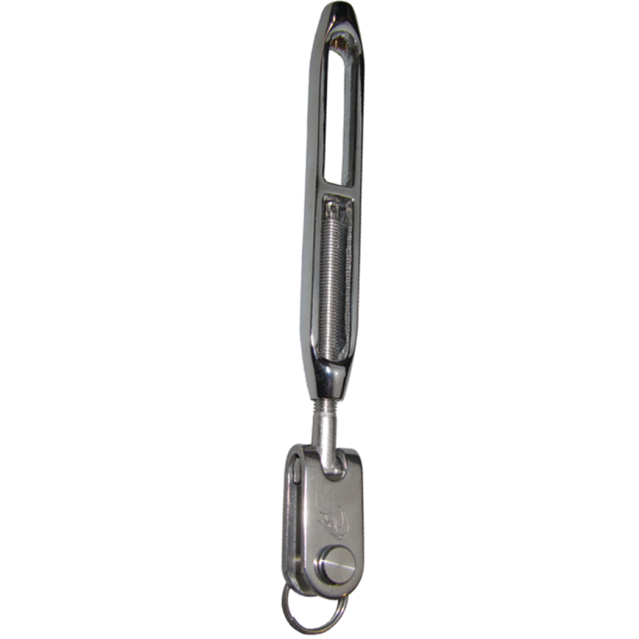
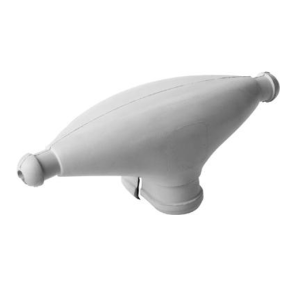
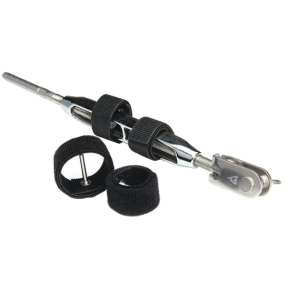
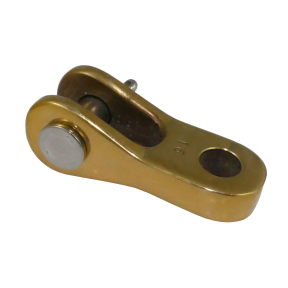
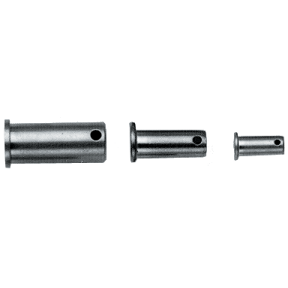
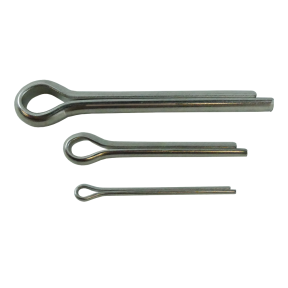
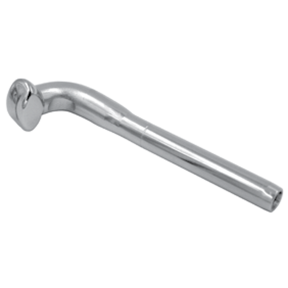
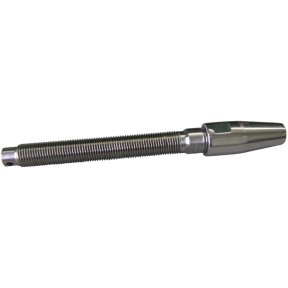
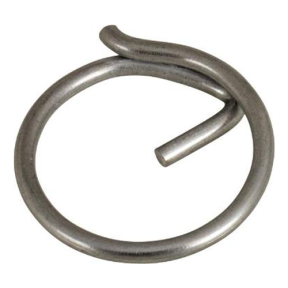
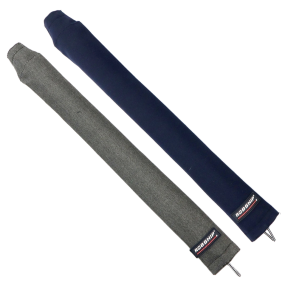
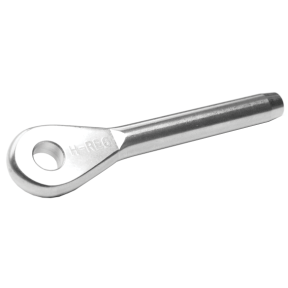
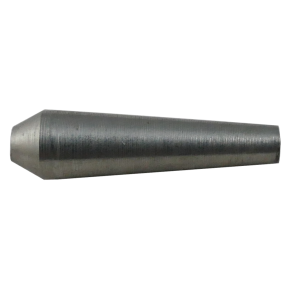
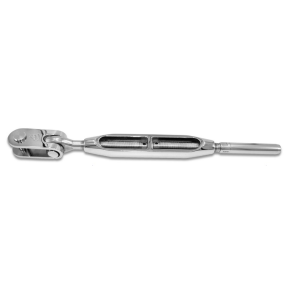
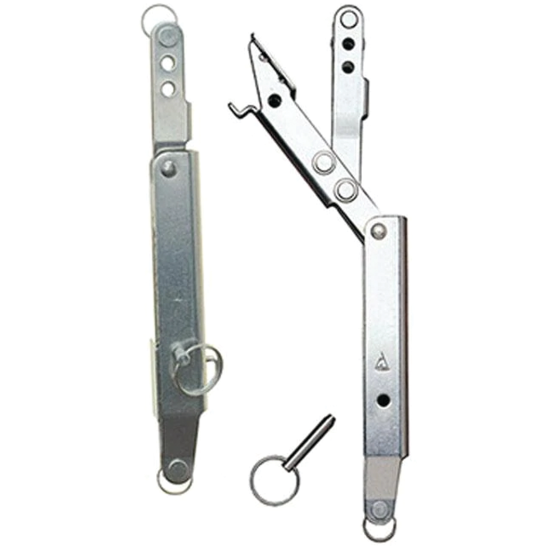
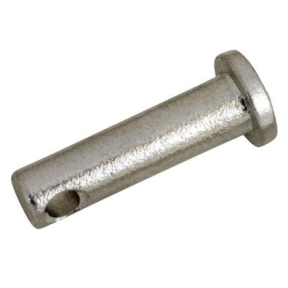
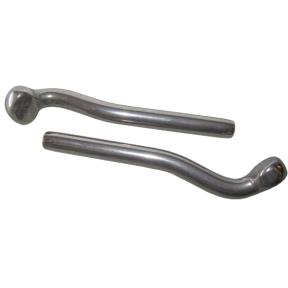
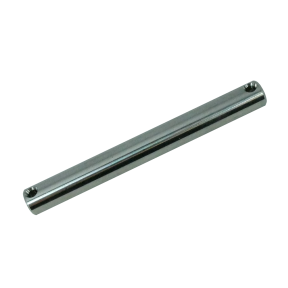
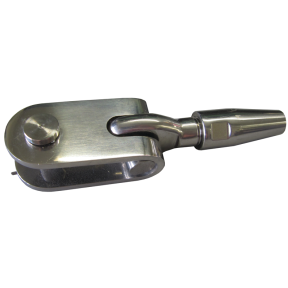
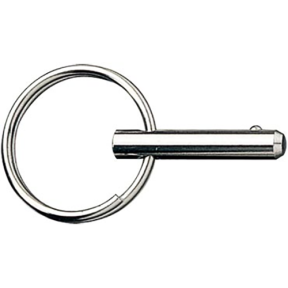
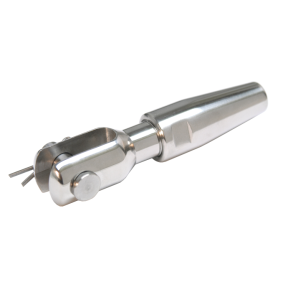
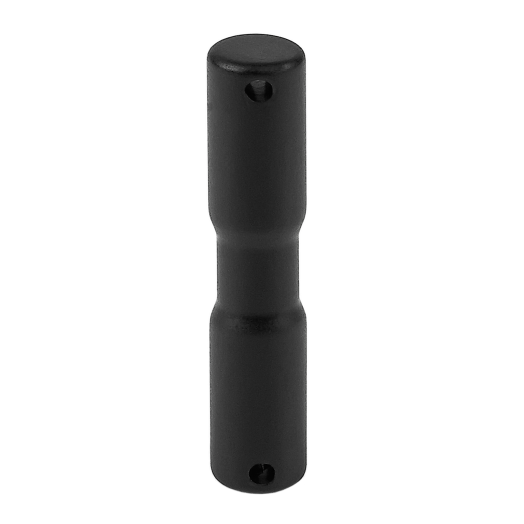
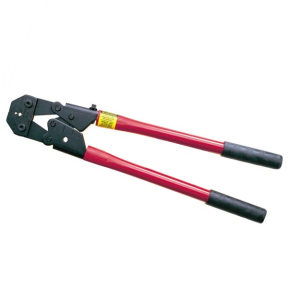
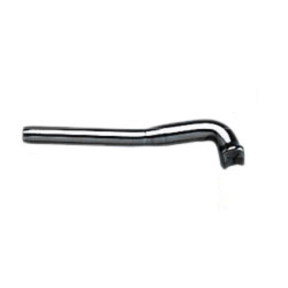
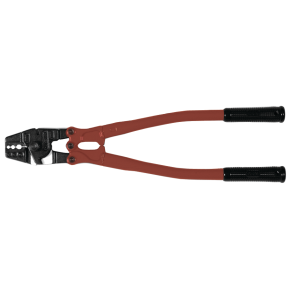
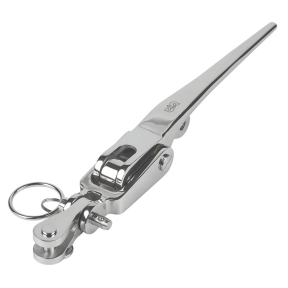
Browse a range of sailboat rigging hardware, including specialty wire rope, mechanical and swaged terminals, turnbuckles, toggles, pins, sheaves, spreader boots, halyards, sheets, control lines, and maintenance tools such as swagers and crimpers.
Rigging System Basics
- Standing rigging: Components that support the mast and keep it in column—typically wire or rod—such as shrouds, stays, terminals, turnbuckles, and toggles.
- Running rigging: Control lines that trim and hoist sails, including halyards, sheets, reefing and control lines, typically led through blocks and sheaves.
Materials & Corrosion Resistance
For demanding marine environments, stainless steel selection matters. Type 304 stainless steel (often “18-8,” ~18% chromium) is widely used for general applications. For saltwater exposure, Type 316 stainless steel (with added molybdenum) typically offers superior pitting and crevice corrosion resistance. Choosing higher-alloy hardware for lifelines, chainplates, and terminals can materially increase service life in seawater.
Specs, Sizing & Compatibility
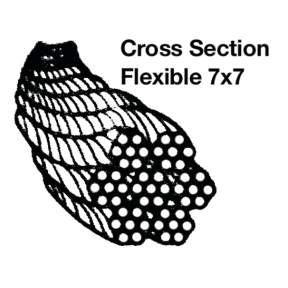
Selecting the correct wire diameter, construction (e.g., 1×19 for standing, 7×19 for flexible uses), terminal type (swaged vs. mechanical), and compatible turnbuckle thread prevents misfits and stress risers. Maintain manufacturer-specified working loads and make sure pin/eye sizes match chainplates, tangs, and mast fittings.
- Match wire construction and diameter to design loads and class guidelines.
- Use like-for-like alloys and finishes to reduce galvanic mismatch.
- Verify pin diameters and clevis fits before assembly.
Inspection & Maintenance
Inspect all rigging at least annually, and more often for offshore or high-usage sailing. Look for broken wire strands, cracked swages, bent toggles, frozen turnbuckles, corrosion tea-staining, and sheave groove wear. Many insurers and rigging professionals recommend proactively replacing aging standing rigging roughly every 10–12 years depending on use, environment, and inspection results.
Professional Services
If you rrefer expert assembly for your shroud terminals or time-saving upgrades, our Rigging splicing & swaging services can handle all your rigging projects.
Rigging Hardware Categories
- Standing rigging: wire rope, terminals (swaged/mechanical), turnbuckles, toggles, chainplates.
- Running rigging: halyards, sheets, control lines, rope clutches, sheaves, chafe gear.
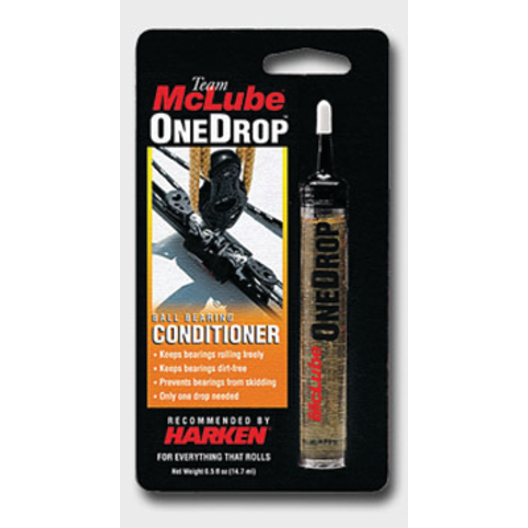
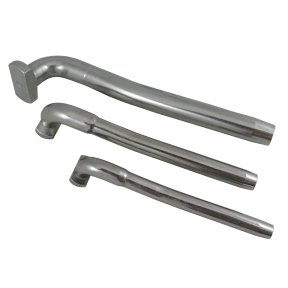
- Tools & accessories: swaging tools, crimpers, spreader boots, lubricants, tape.
Frequently Asked Questions
How often should I inspect my rigging hardware?
Perform a thorough inspection at least annually; inspect more frequently for offshore racing/cruising or heavy seasonal use. Replace any component showing broken wires, cracks, deformation, deep corrosion, or seized threads.
Can I replace rigging hardware myself?
Many owners handle running-rigging and straightforward hardware swaps with the right tools. For wire terminations (swaging or mechanical), standing-rigging re-measures, or mast-end work aloft, consider a professional rigger.
What’s the difference between standing and running rigging?
Standing rigging supports the mast (wires/rods, terminals, turnbuckles, toggles). Running rigging controls sails (halyards, sheets, control lines) routed via blocks and sheaves.
304 vs. 316 stainless—when should I choose each?
Use 316 for salt-spray or immersion-prone hardware because its molybdenum content improves resistance to pitting/crevice corrosion. 304 is common for general, non-immersed hardware topsides.
When should standing rigging be replaced?
Many pros and insurers suggest a replacement interval of roughly 10–12 years depending on usage, climate, and inspection findings. Heavily raced or offshore boats may require shorter intervals.