Your Guide to the Best Sustainable Foul Weather Gear
Key Highlights
- Discover how choosing sustainable foul weather gear contributes to healthier oceans and eco-friendly sailing.
- Learn about top brands like Gill Marine and Helly Hansen that use recycled and eco-friendly materials in their sailing clothing.
- Understand the key differences between traditional and sustainable waterproof jackets, from materials to performance.
- Find out which certifications to look for to ensure your gear meets high environmental standards.
- Explore how innovative designs offer excellent freedom of movement without compromising on waterproof protection.
Introduction
Let me start with a moment all sailors know too well: that first squall of the season when the sky goes from postcard-blue to “why-is-the-ocean-sideways?” in about six minutes. On one of those days, a crewmate shrugged into an old PVC jacket that smelled like a tire shop, while I pulled on a modern shell made from recycled fibers. We both stayed dry—but at the dock, mine didn’t feel like I’d wrapped myself in a shower curtain, and I didn’t feel guilty about what would happen to it at the end of life. The world of sailing clothing is undergoing a green revolution, making it easier than ever to embrace eco-friendly sailing. This guide will help you navigate the options for sustainable gear that offers incredible performance without costing the earth.
Why Sustainability Matters in Sailing Gear
Your choice in foul weather gear has a bigger impact than you might think. Every piece of sailing clothing, from your jacket to your bibs, leaves a footprint, from its creation in a factory to its eventual disposal. As someone who spends countless hours on the water, you have a front-row seat to the effects of pollution.
By opting for eco-friendly gear, you're not just buying a product; you're supporting a movement toward cleaner manufacturing, reduced waste, and healthier oceans for generations of sailors to come. Let's explore the environmental impact of conventional gear and how your choices can make a difference.
The Growing Environmental Impact of Conventional Sailing Clothing
Traditional sailing clothing often relies on petroleum-based synthetic fibers like new polyester and nylon. The production of these materials is energy-intensive and contributes to greenhouse gas emissions. When you wear and wash these garments, they shed tiny synthetic fibers known as microplastics. These particles flow through wastewater systems and end up in our rivers and oceans, where they are ingested by marine life, working their way up the food chain.
Furthermore, many conventional waterproof treatments use per- and poly-fluorinated chemicals (PFCs). These "forever chemicals" are incredibly persistent in the environment and have been linked to health concerns. As your gear ages and is exposed to the elements, these chemicals can create a harmful chemical runoff that pollutes the very waters you sail on.
The entire lifecycle, from manufacturing to disposal, creates a significant environmental burden. Old, discarded oilskins often end up in landfills, where they take hundreds of years to decompose, leaching chemicals and plastics into the soil and groundwater. It's a cycle that urgently needs a more sustainable solution.
Personal Stories from Sailors Making the Switch
I was chatting with a fellow sailor, Sarah, at the marina last month. She’s been sailing the Pacific Northwest for over 20 years and always swore by her traditional, heavy-duty gear. However, she recently invested in a new set of sustainable gear - a waterproof jacket and bib made from recycled materials. She was skeptical at first, wondering if "eco-friendly" could really stand up to the notoriously wet and windy conditions she faces.
To her surprise, the performance was outstanding. She said the new gear was lighter, offered better freedom of movement, and kept her just as dry as her old set. What really sold her, though, was the story behind it. "Knowing my jacket is made from recycled plastic just feels right," she told me. "It feels like I'm part of the solution, not the problem."
Defining Sustainable Foul Weather Gear
So, what exactly makes a piece of foul weather gear "sustainable"? It’s more than just a marketing buzzword. It refers to clothing designed, manufactured, and distributed in a way that minimizes its environmental impact throughout its entire lifecycle, from the raw materials to its end-of-life.
This holistic approach considers everything: the source of the fabrics, the chemicals used for waterproofing, the durability of the product, and even the packaging it arrives in. For sailing gear to be considered sustainable, it typically needs to meet several key criteria. The first and most obvious is the use of eco-friendly materials. This often means fabrics made from recycled content, such as polyester from plastic bottles or nylon from discarded fishing nets. Some brands are even exploring bio-based materials derived from plants.
Another crucial factor is the absence of harmful chemicals. Many brands are moving away from traditional durable water repellent (DWR) coatings in favor of plant-based or silicone-based alternatives that are less harmful to the environment.
Finally, longevity is a cornerstone of sustainability. A truly sustainable product is one that lasts. High-quality construction, durable materials, and repairable designs mean you won't have to replace your gear as often, reducing overall consumption and waste. Reputable certifications help verify these claims, giving you peace of mind.
Here are the main key differences between traditional and eco-friendly options:
- Material Source: Traditional gear uses virgin, petroleum-based fibers. Eco-friendly gear uses recycled or bio-based materials.
- End-of-Life: Sustainable brands are more likely to offer repair programs or use materials that can be recycled again.
- Brand Ethos: Eco-conscious brands often have transparent supply chains and fair labor practices.
Certifications to Look For When Shopping
Navigating the world of "green" claims can be tricky. How do you know if a brand's sustainability promises are legitimate? This is where third-party certifications come in. These labels act as a trusted stamp of approval, verifying that a product meets specific environmental and social standards.
When shopping for sustainable sailing clothing, keep an eye out for logos from reputable organizations. These certifications provide assurance that the materials are sourced responsibly, the manufacturing processes are cleaner, and the final product is safer for you and the environment. Don't be afraid to check a brand's website for details on their certifications.
Some of the key certifications to look for include:
- bluesign®: This standard guarantees that the entire manufacturing process, from raw materials to finished product, is safe for the environment, workers, and consumers.
- Global Recycled Standard (GRS): This certifies that the product contains recycled material and that the social, environmental, and chemical practices in its production meet strict requirements.
- Fair Trade Certified™: This label ensures that the workers who made your gear were paid fair wages and work in safe conditions.
Top Eco-Friendly Sailing Gear Brands
Ready to invest in gear that aligns with your values? Several leading brands in the marine industry are making significant strides in sustainability, proving that you don't have to compromise on performance. Brands like Gill Marine, Mustang Survival, and Helly Hansen are pioneering the use of recycled materials and eco-friendly technologies.
These companies are redesigning their foul weather gear from the ground up to be more environmentally responsible. Whether you're looking for offshore waterproof jackets or comfortable inshore layers, there are great sustainable options available. Let's take a closer look at what some of these top brands are doing.
Gill Marine: Eco Commitment and Innovation
Gill Marine has made a serious commitment to sustainability across its product line. A key tenet of their philosophy is product longevity—designing high-quality, durable foul weather gear that is built to last. This approach reduces landfill waste and saves you money in the long run.
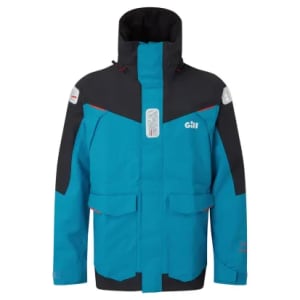
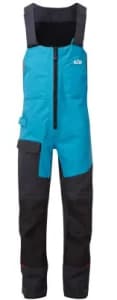
Their popular OS2 Offshore range is a fantastic example of this in action. The latest generation of the OS2 system is made from 98% recycled materials, primarily from plastic bottles. This commitment extends to their technologies, too. XPEL® fabric finish is a plant-based water repellent that also resists stains and odors, prolonging the life of the garment.
Furthermore, Gill has re-evaluated its entire supply chain, from sourcing materials to packaging. They've switched to fully recyclable polybags and eliminated plastic hangers to minimize single-use plastics. By choosing Gill, you're supporting a brand that is actively working to reduce its environmental footprint at every step.
Mustang Survival’s Approach to Sustainable Design
Mustang Survival is a brand synonymous with safety and performance, and they are increasingly integrating sustainability into their design process. Their focus is on creating gear that not only protects you from the elements but also minimizes harm to the environment you explore. This approach is evident in their selection of materials and manufacturing standards.
A core part of their strategy involves adhering to the bluesign® system. This stringent standard ensures that their products are made with the most environmentally friendly chemicals and materials available. By using bluesign®-approved fabrics, Mustang Survival reduces water and energy consumption during manufacturing and eliminates hazardous chemicals from its supply chain.
Helly Hansen Offshore Options
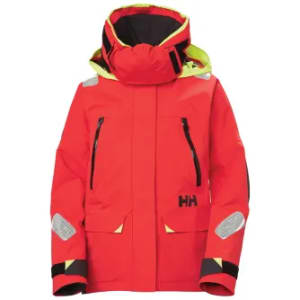
Helly Hansen has a long and storied history of creating gear for the world's harshest environments, and they are now channeling that expertise into sustainable innovation. For their offshore foul weather gear, they have embraced the use of recycled materials, particularly those reclaimed from the ocean.
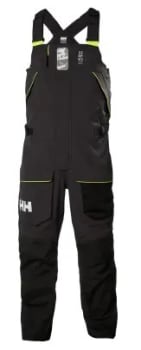
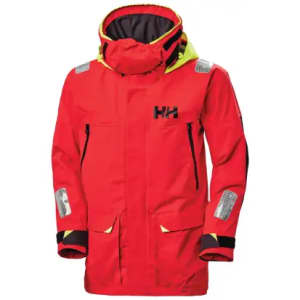
Their Skagen Offshore collection is a prime example. These waterproof jackets and trousers are constructed with over 50% recycled "Ocean Bound" material. This initiative transforms discarded fishing gear and other marine plastic waste into high-performance fabrics, directly helping to clean up our seas. The gear is designed for serious sailing, featuring high collars, double cuffs, and Solas-certified reflectors for safety.
Helly Hansen also utilizes earth-friendly water-repellent finishes, ensuring that their products don't contribute to harmful chemical runoff. By combining their legendary performance with a commitment to recycled materials, Helly Hansen offers offshore sailors a powerful and sustainable choice for their next adventure.
Spotlight on Patagonia’s Upcycled Materials
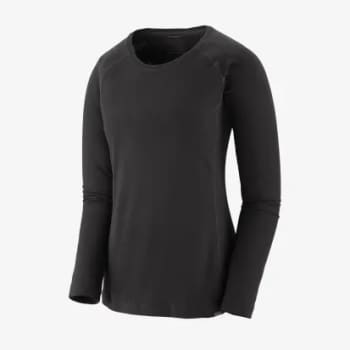
Patagonia has long been a trailblazer in the outdoor apparel industry, and their entry into foul weather sailing gear brings their legendary commitment to sustainability to the forefront. The brand is renowned for its innovative use of upcycled and recycled materials, a practice that is central to its sailing collection.
A standout feature is their use of fabric made from 100% recycled nylon fiber, which is sourced from old, discarded fishing nets. This program, known as NetPlus®, intercepts harmful plastic waste that would otherwise pollute the oceans and threaten marine life. By turning this waste into durable, high-performance textiles, Patagonia creates a truly circular system.
Their Big Water Foul Weather Jacket and Bibs showcase this material, offering robust protection with a high collar, adjustable hood, and reinforced sections. On top of this, Patagonia is a Fair Trade Certified™ company, ensuring their products are made in factories that provide safe working conditions and fair wages. This holistic approach makes their gear a top choice for the ethically-minded sailor.
PFAS-Free Treatments: What They Are and Why They Matter
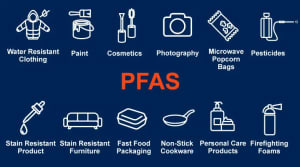
You may have seen the term "PFAS-free" on the tags of waterproof jackets. But what does it actually mean, and why is it so important for eco-friendly sailing? PFAS (per- and polyfluoroalkyl substances) are a class of man-made chemicals that have been used for decades to make products water- and stain-resistant.
The problem is that these chemicals are incredibly persistent. They don't break down in the environment, earning them the nickname "forever chemicals." They accumulate in water, soil, and living organisms (including humans) and have been linked to various health issues. When your gear sheds these chemicals, they enter the marine ecosystem directly.
PFAS-free treatments are the sustainable solution. They use alternative chemistries, often based on silicone or plant-based compounds, to achieve water repellency. Here’s why they matter:
- They are non-persistent: Unlike PFAS, these treatments break down more easily in the environment.
- They are healthier: They eliminate your exposure to potentially harmful chemicals.
- They protect marine life: They prevent toxic chemical runoff into the oceans you love to sail.
Selecting Sustainable Bibs and Salopettes for Men and Women
A good jacket is only half the battle against the elements. A quality pair of bibs or salopettes is essential for full-body protection. The great news is that the same sustainable principles being applied to jackets are also available for your lower half. Yes, eco-friendly sailing bibs and salopettes are readily available for both men and women.
These garments often feature recycled fabrics and durable construction. When selecting the right pair, consider the brand, specific design features, and overall comfort and fit.
Let's look at some popular options and what to look for.
Popular Products and Brands Found on Fisheries Supply
For serious sailors, brands like Gill Marine and Helly Hansen are go-to choices, and you can find their sustainable options at retailers like Fisheries Supply. These brands offer high-performance bibs and salopettes that incorporate eco-friendly materials without skimping on the features you need for offshore and coastal sailing.
Gill's OS2 Offshore Trousers, for example, are made with 98% recycled fabric and feature their plant-based XPEL water-repellent finish. Helly Hansen's Skagen Offshore Bibs utilize their Ocean Bound recycled materials, directly contributing to cleaner seas. These products, including Henri Lloyd's offerings, are designed for serious use, with features like reinforced knees and seats, adjustable straps, and deep cargo pockets.
Here is a quick comparison of popular sustainable bibs you might find:
| Feature | Gill OS25T Offshore Trousers | Helly Hansen Skagen Offshore Bib |
|---|---|---|
| Primary Material | 98% Recycled Fabrics (XPLORE+®) | 50%+ Ocean Bound Recycled Materials (HELLY TECH® Performance) |
| Sustainability | Plant-based XPEL® finish, recycled content | PFC-free DWR, Ocean Bound materials |
| Key Features | Hand warmer pockets, adjustable straps, reinforced seat/knees | High-cut back, quick-dry lining, Cordura reinforcements |
Comfort, Fit, and Versatility Considerations
Comfort is paramount when you're spending hours or even days in your foul-weather gear. Look for articulated knees and a generous cut through the body, which allow you to bend, crouch, and move without restriction.
Many sailors prefer a high cut design that extends up the chest and back. This high cut design provides extra protection from wind and spray and ensures there's no gap between your jacket and trousers when you're leaning or bending over. Adjustable shoulder straps and waist tabs are essential for dialing in a secure yet comfortable fit.
Real Life Example
Here's a suggested list of sustainable gear for an offshore passage
- Helly Hansen Skagen Offshore Jacket: Built for ugly nights. HELLY TECH® weatherproofing, tall collar, face shield, and SOLAS reflectives—plus an outer made with ocean-bound recycled content and a 100% recycled lining. If you want a single shell for deliveries and distance racing, this is a bullseye.
- Gill OS2 Offshore Jacket: “Recycling reimagined” is the pitch—and it’s real: the OS2 lists ~98% recycled content without compromising breathability or storm-worthiness.
- Helly Hansen Skagen Offshore Bibs: High back, adjustable suspenders, and Cordura® reinforcement in the seat/knees for seasons of abuse. Built on the same proven platform as the jacket.
Insulation & Base Layers: breathe first, then warm
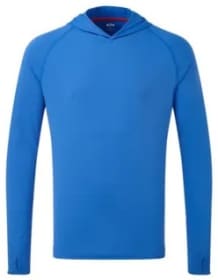
Start with moisture-moving synthetics (many now use recycled yarns), then add light insulation you can vent. Browse Gill’s range of base and mid layers:
Deck Footwear: longevity is sustainability
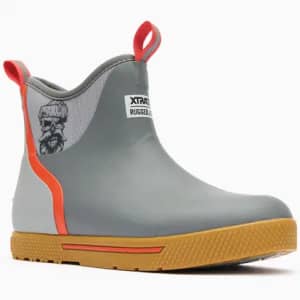
- Xtratuf Ankle Deck Boots: Commercial-grade traction and comfort. The sustainability win is simple: these go multiple seasons before you think about replacements.
- All Xtratuf Options (incl. Elite Legacy boots): The Xtratuf boots include eco-friendly and sustainable options under their ECO Collection.
Survival Layer (Cold Passages)
- Mustang Survival Hudson Dry Suit (MSD200): For cold oceans and shoulder seasons. Rugged fabric, replaceable seals, smart pocketing, and thoughtful ergonomics keep you dry without the “scuba suit shuffle.” A long service life is the greenest feature.
PFD & Harness
- Spinlock Deckvest 6D: Proven offshore inflatable with integrated harness and easy servicing—keep it in rotation for years.
- More Spinlock Options: Browse sizes and spares for your crew here.