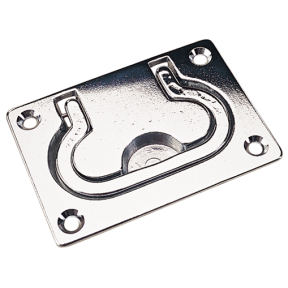
Boat Hatch Latches & Hardware
Fisheries Supply provides a large selection of marine latches, hatch hardware, and accessories for recreational and commercial boats.
Key Takeaways
- Match latch type to use case (e.g., compression for watertight seals; slam for quick access).
- Material matters:316 stainless steel for corrosion resistance.
- Maintenance—clean, lubricate moving parts, inspect seals/gaskets, and check fasteners to prevent leaks and failures.
- Fit—size to lid/door weight, hinge geometry, and existing cutouts.
- Trusted source:Fisheries Supply stocks replacement latches, gas springs, and lock sets; nationwide/worldwide shipping available.
What Hatch Latches Do
Boat hatch latches, handles, gas springs, and locks secure compartments, prevent accidental openings in rough conditions, and help maintain watertight integrity. Properly specified compression and locking mechanisms reduce rattling, protect contents, and enhance safety across deck hatches, livewells, coolers, and engine room access.
Types of Boat Latches & Hatch Hardware
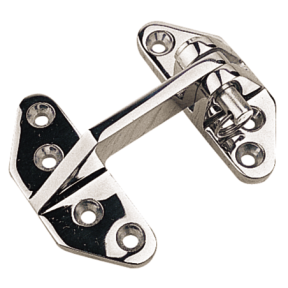
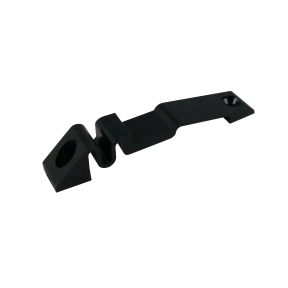
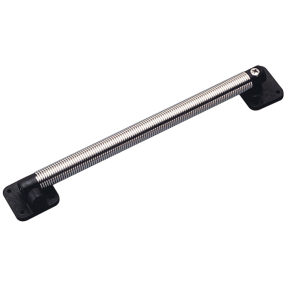
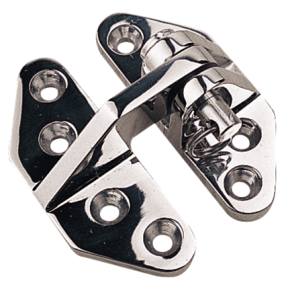
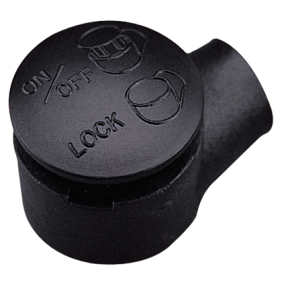
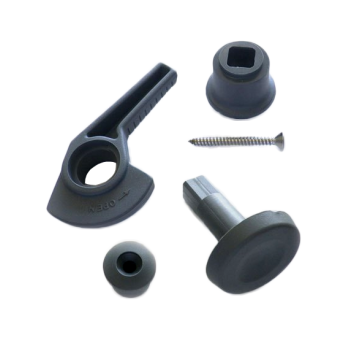
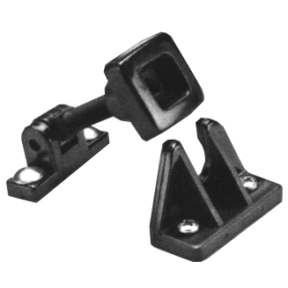
- Boat hatch latches — General-purpose fasteners that secure hatches and prevent accidental openings.
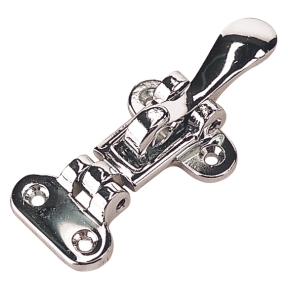
- Surface-mount latches — External, easy-retrofit options for hatches, doors, and compartments.
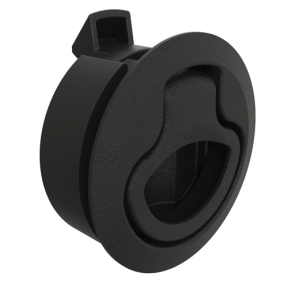
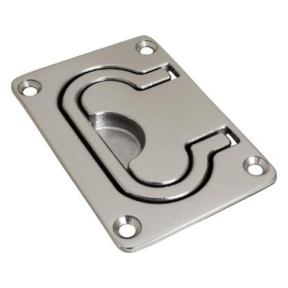
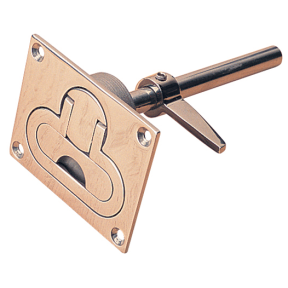
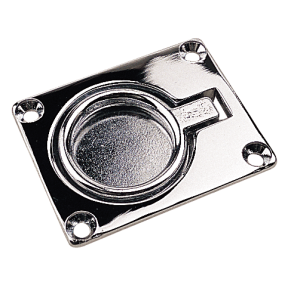
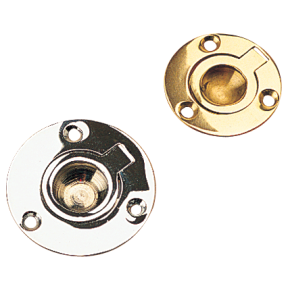
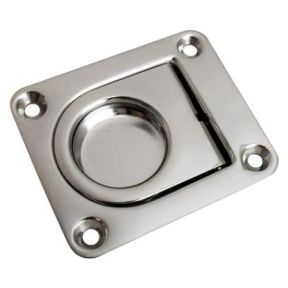
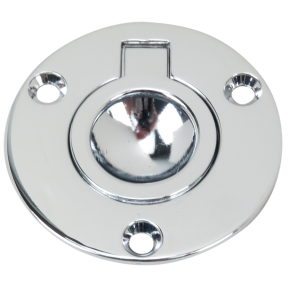
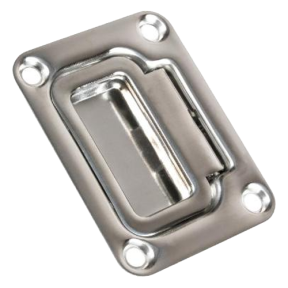
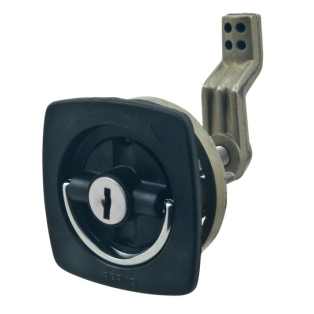
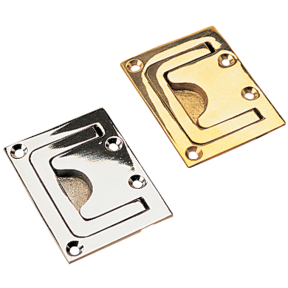
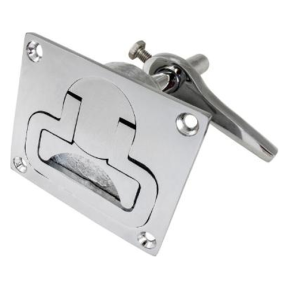
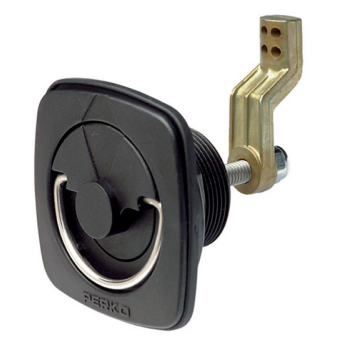
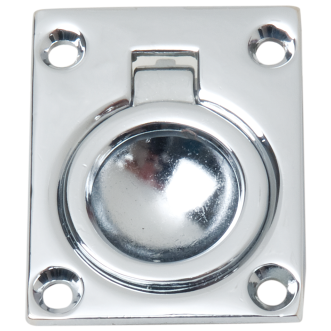
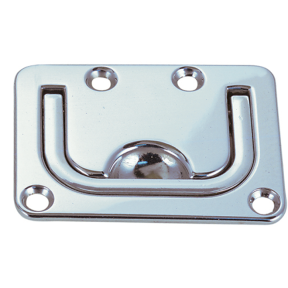
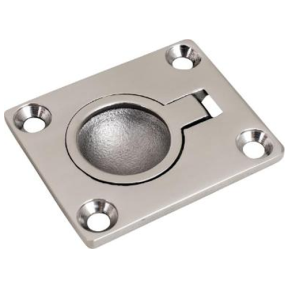
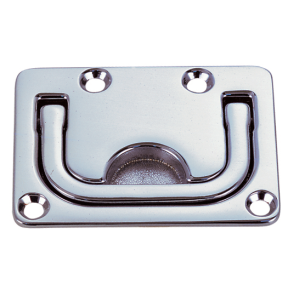
- Flush-mount latches — Recessed, low-profile designs popular on center consoles and cockpit lids.
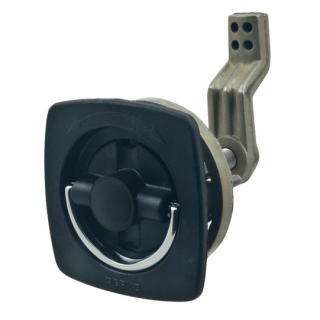
- Slam latches — “Push-to-close” mechanisms for quick, one-handed operation.
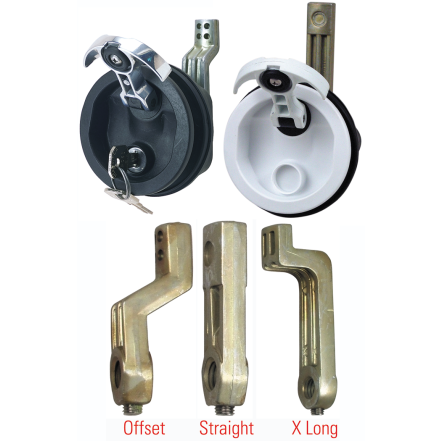
- T-handle latches — These manual fasteners have a T-shaped handle that makes it easy to open and close hatches, doors, and compartments.
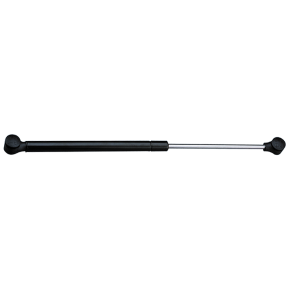
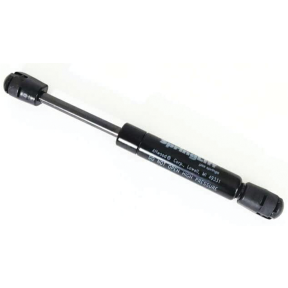
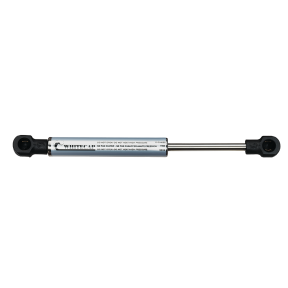
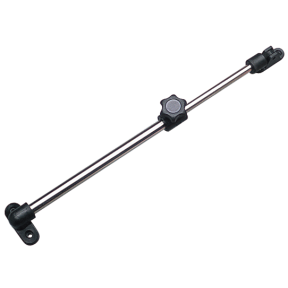
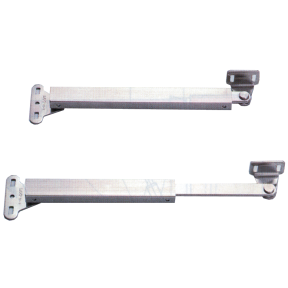
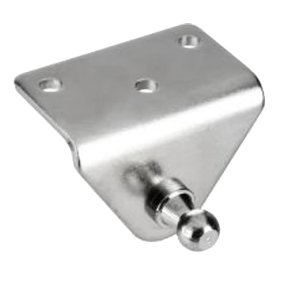
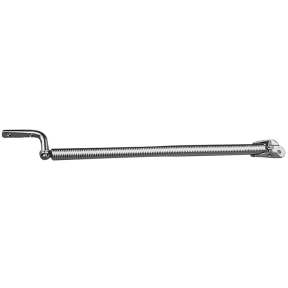
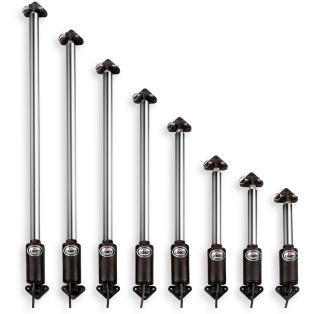
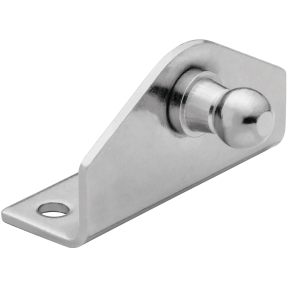
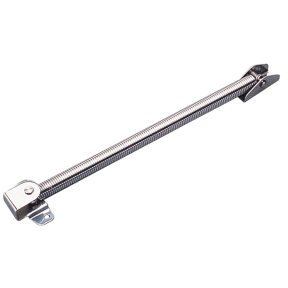
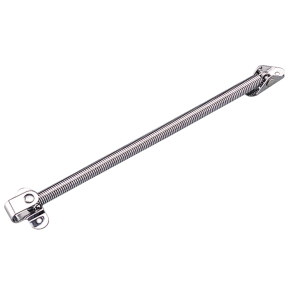
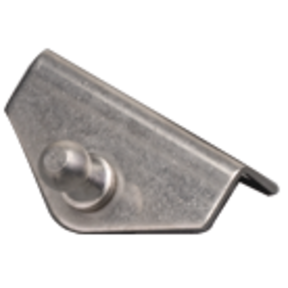
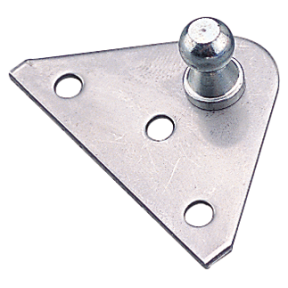
- Gas springs — Also called gas struts/shocks; provide controlled lift, hold-open support, and soft closing.
How to Choose the Right Marine Latch
Match to Location & Loads
- Intended use — cockpit, cabin, flybridge, engine room, livewell, or cooler.
- Lid/door weight & size — consider hinge placement and gas-spring assistance.
- Existing cutout & hardware — retrofit vs. new installation.
- Environment — offshore spray/salt vs. inshore use; UV exposure; temperature swing.
Material & Finish
For demanding, salt-rich environments, select 316 stainless steel or marine-grade polymers. On performance center consoles or sailboats where snag-free decks matter, choose flush-mounted push-button styles.
Seal Integrity
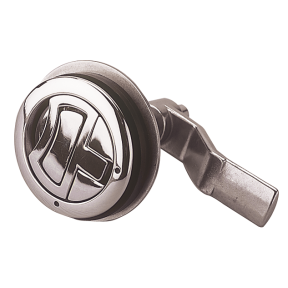
When a watertight seal is required, opt for compression latches paired with appropriate gaskets and hatch dogs. Verify that latch throw and cam geometry apply sufficient compression without over-stressing the substrate.
Maintenance & Replacement
Regular care extends service life and prevents leaks and rattles:
- Rinse and clean with mild soap and fresh water; avoid demanding abrasives.
- Lubricate moving parts periodically with marine-safe lubricants to prevent corrosion and sticking.
- Inspect seals and gaskets; replace if cracked, flattened, or leaking.
- Check fasteners and backing plates; tighten or replace if loose or corroded.
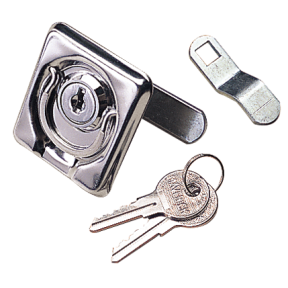
Fisheries Supply stocks latch strikes, gas springs, and stainless replacement hatch lock sets for straightforward upgrades and repairs, including boat compartment latches for secure gear storage.
Shop Hatch Hardware
Whether you need individual boat hatch latches, complete hatch hardware kits, or a reliable boat hatch handle, our team can help you select the ideal fit. Explore our full assortment of boat hatches and compatible hardware.
Additional Hatch Hardware Questions
Can hatch latches be used on livewell or cooler lids?
Yes. Slam and compression latches are often used where fast access or a tighter seal is needed. Choose non-corrosive hardware compatible with the lid substrate.
When should I replace a latch instead of repairing it?
Replace the latch if the mechanism binds or corrodes, if looseness causes leaks or rattles, or if the cam no longer creates proper compression. Also inspect nearby seals and backing structures before reuse.
Do I need gas springs with my hatch latch?
Gas springs are not required for every hatch, but they improve safety and ergonomics on heavier lids. Choose force rating and stroke length based on hatch weight, hinge offset, and desired open angle.