Marine Battery Chargers & Inverters at Fisheries Supply
Marine battery chargers and inverters manage onboard battery charging and AC power for recreational and cruising boats. Boaters can compare battery chargers, DC-to-AC inverters, and inverter/chargers according to battery-bank count, charging capacity, shore-power access, and onboard electrical loads.
Marine Battery Chargers, Inverters, and Inverter/Chargers
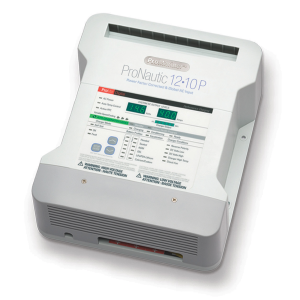
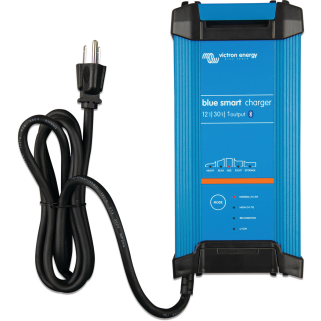
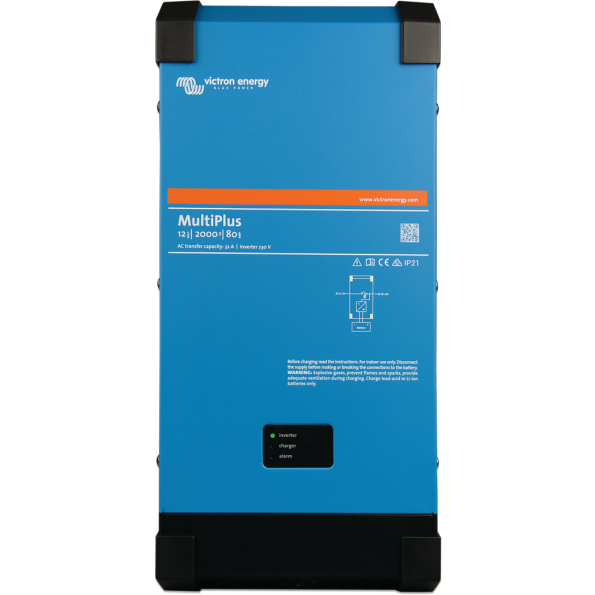
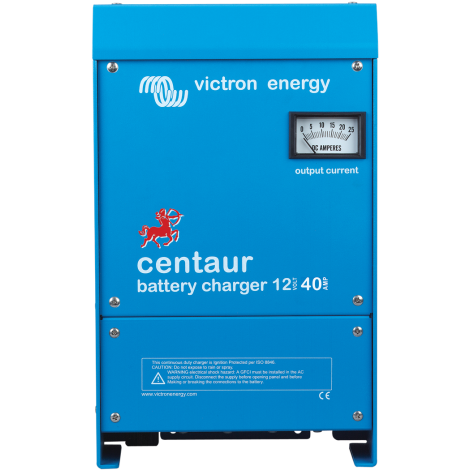
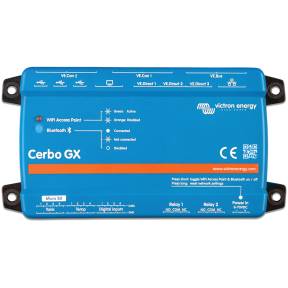
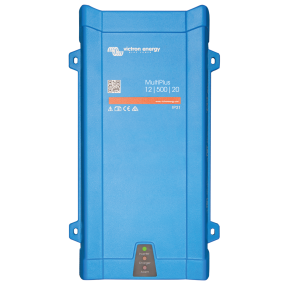
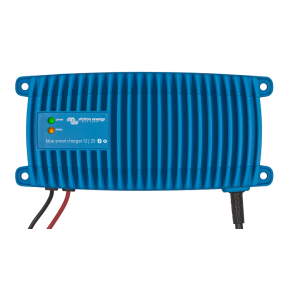
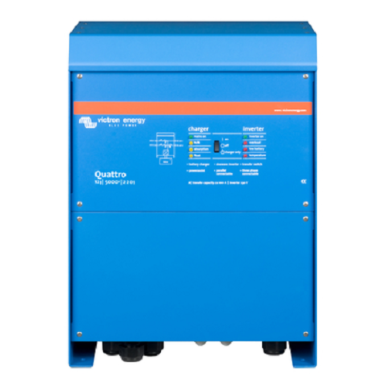
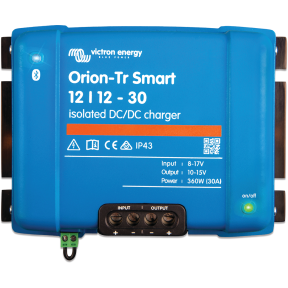
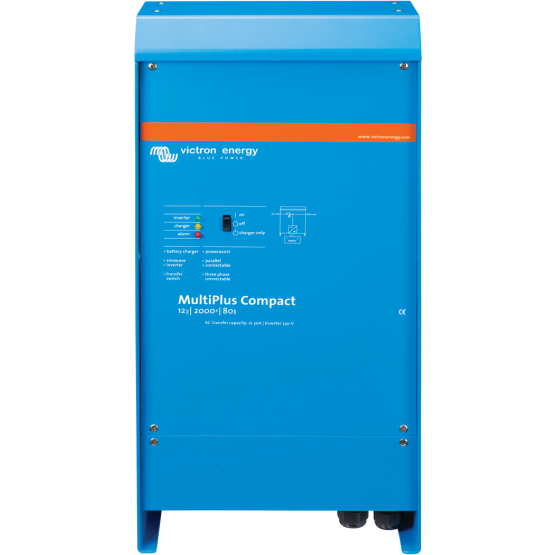
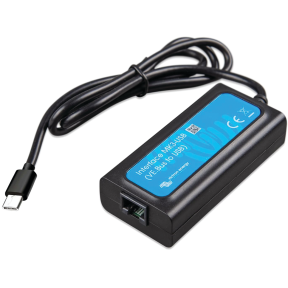
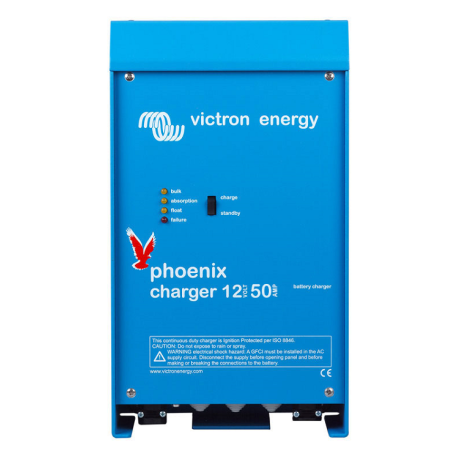
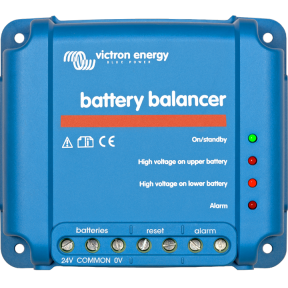
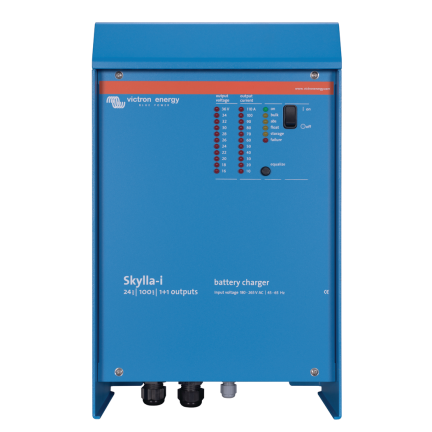
Shop marine battery chargers, marine inverter/chargers, and marine inverters from Mastervolt, ProMariner, and Victron.
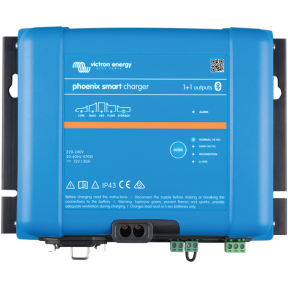
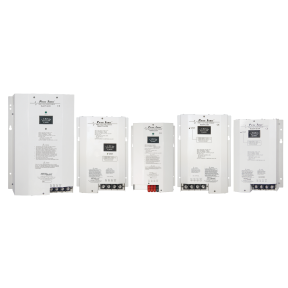
Marine Battery Chargers
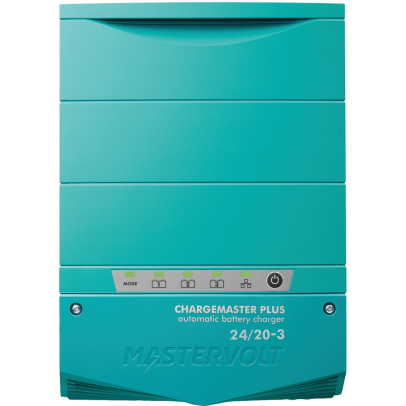
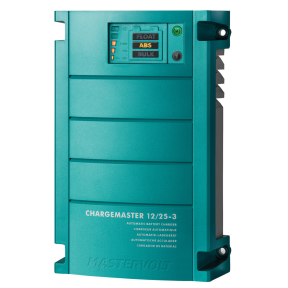
A marine battery charger replenishes and maintains onboard batteries from an AC power source. Compare the following factors before selecting a charger:
| Selection Factor | Guidance |
|---|---|
| Battery-bank compatibility | Match single-bank, double-bank, triple-bank, or chargers supporting as many as six banks to the number of battery banks aboard. |
| Charging method | Intelligent multi-stage charging adjusts the charging process to support battery health and lifespan. |
| Amp capacity | Select charging output according to battery-bank capacity and the boat’s electrical system. |
| Power source | Choose an AC charger for shore power or an inverter/charger for combined battery charging and AC power. |
Marine Inverters
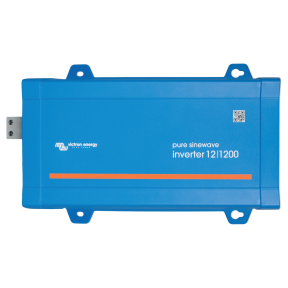
A marine inverter converts battery-supplied DC electricity into AC electricity for compatible household-style appliances and electronics aboard a boat.
| Inverter Type | Function and Use |
|---|---|
| Pure sine wave inverter | Produces clean, stable AC output suited to sensitive electronics. |
| Modified sine wave inverter | Supports many compatible general-purpose loads but may not suit sensitive equipment. |
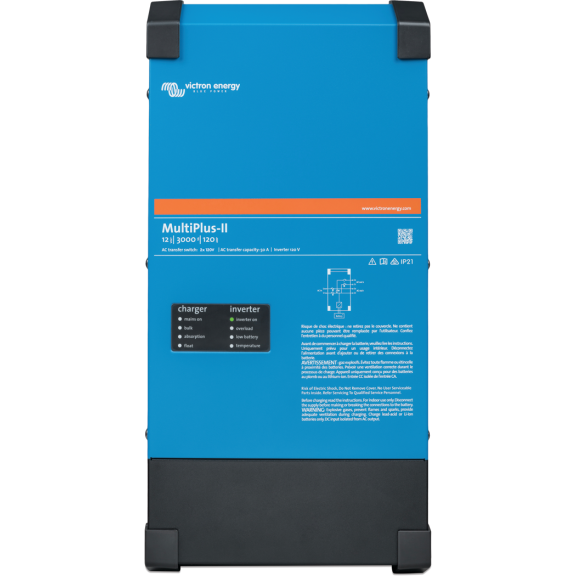
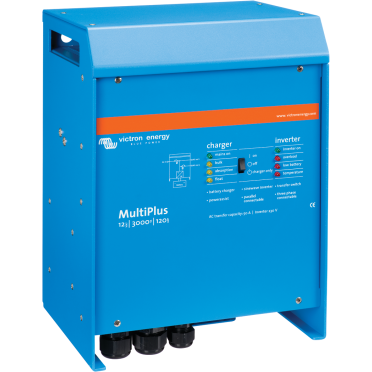
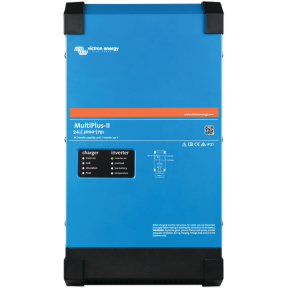
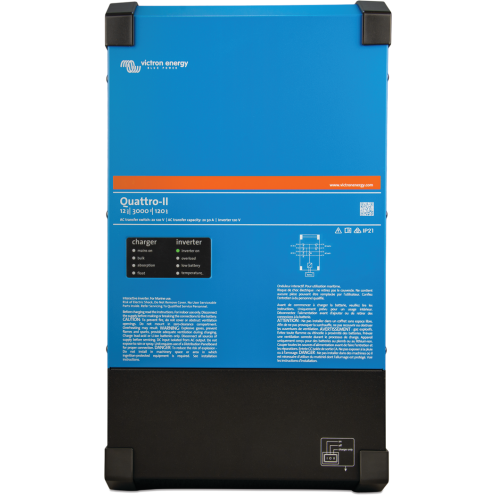
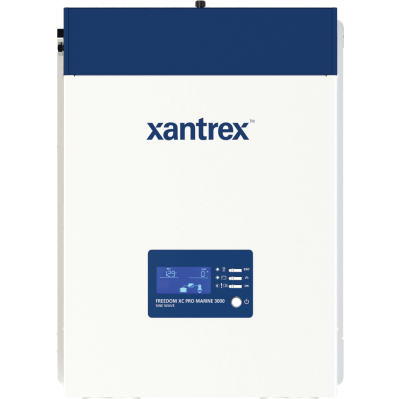
| Inverter/charger | Combines DC-to-AC inversion and battery charging in one power-management unit. |
Additional Marine Power Equipment
- Transfer switches: Change the AC supply between shore power and an inverter source.
- Portable inverters: Provide temporary AC power for compatible equipment where a fixed installation is unnecessary.
- Battery isolators: Separate battery circuits to reduce unintended discharge between connected battery banks.
How to Select a Marine Charger or Inverter
Start by identifying battery type, battery-bank count, required charger output, available shore power, inverter wattage needs, and equipment sensitivity. Fisheries Supply representatives can help match a marine battery charger, inverter, or inverter/charger to the boat’s electrical system. Read our marine inverter basics article for additional technical guidance.
Frequently Asked Questions
How do I choose the right marine battery charger?
Choose a marine battery charger by matching its battery compatibility, bank count, amp capacity, and AC input to the boat’s electrical system. A single-bank or multibank charger must support every connected battery bank. Intelligent multi-stage charging can help maintain battery performance and service life.
What is the difference between an inverter and an inverter/charger?
A marine inverter converts battery DC power into AC power for compatible onboard equipment. An inverter/charger performs that function and also charges the battery bank when AC shore power is available. The combined unit can reduce the number of separate power-management components installed aboard the boat.
Should I choose a pure sine wave or modified sine wave inverter?
Choose a pure sine wave inverter for sensitive electronics that require clean, stable AC power. A modified sine wave inverter may operate many compatible general-purpose loads, but some electronics, motors, and control systems may perform poorly. Check each device manufacturer’s power requirements before selecting the inverter type.
How many battery-charger banks does my boat need?
The marine charger should provide a compatible charging output for each battery bank that requires independent charging. Boats may use separate starting, house, or auxiliary banks. Count the battery banks rather than individual batteries, then verify that the charger supports the battery chemistry and required charging capacity.
What does a transfer switch do on a boat?
A marine transfer switch changes the AC supply between shore power and an inverter or another supported source. The switch allows connected circuits to receive power from the selected source without manually moving cables. Select equipment compatible with the boat’s AC voltage, current rating, and electrical design.
Can Fisheries Supply help select a charger or inverter?
Yes. Fisheries Supply representatives can help compare marine battery chargers, inverters, and inverter/chargers using the boat’s battery-bank configuration, charging source, and onboard AC power requirements. Providing battery type, bank capacity, system voltage, and intended appliance loads gives the representative useful information for product selection.