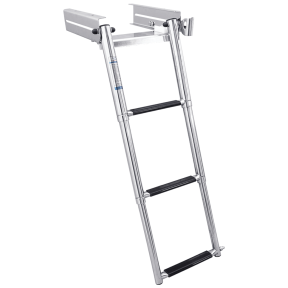
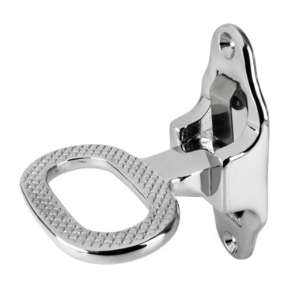
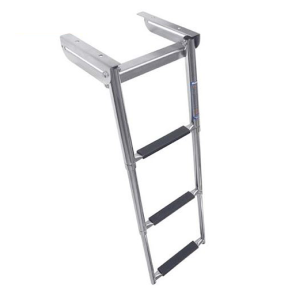
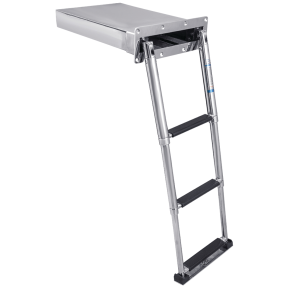
Boat Swim Platforms, Boarding Ladders & Steps from Fisheries Supply
This is an article to help you choose safe, durable, and easy-to-install boat swim platforms, boarding ladders, and boarding steps—including materials, fitment, and trusted brands for saltwater and freshwater use.
At a Glance
- Safety & access: Choose a boarding solution that supports your hull type, freeboard, and typical passenger load.
- Materials matter: Stainless steel and fiberglass excel in saltwater; teak and aluminum offer distinct aesthetics and upkeep profiles.
- Fit first: Verify transom clearance, engine/drive interference (outboard, inboard, or I/O), and ladder drop length for confident reboarding.
- Brands you know: Shop proven manufacturers like Garelick and Windline for durable, field-tested hardware.
Overview: Boarding and Water Access
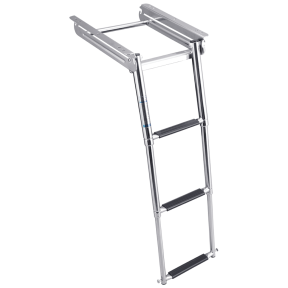
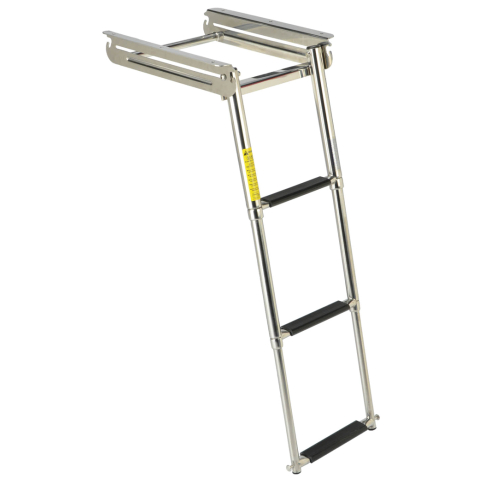
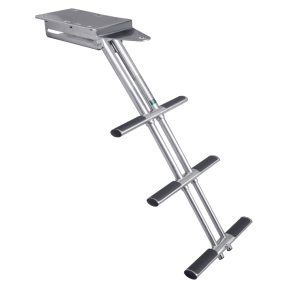
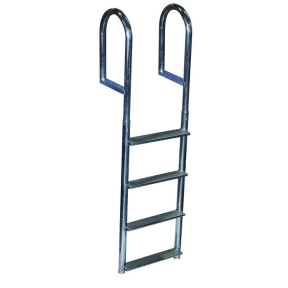
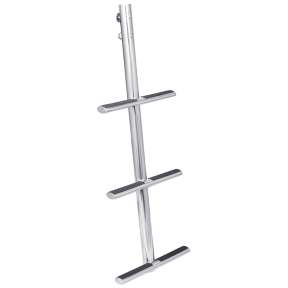
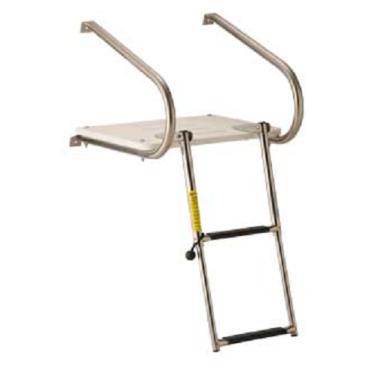
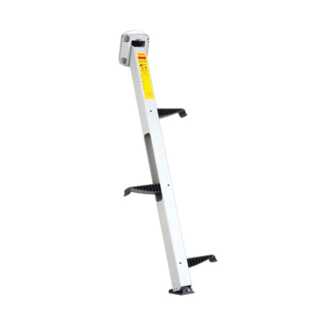
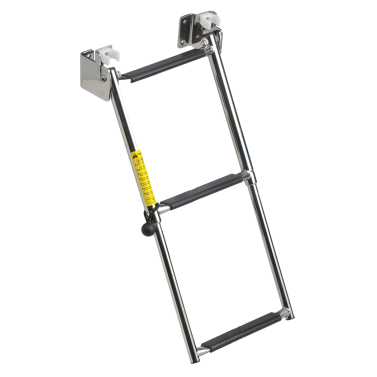
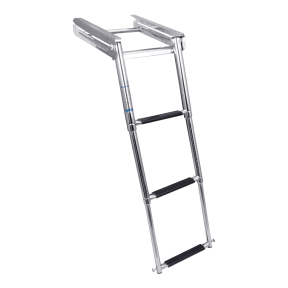
At Fisheries Supply, we carry swim platforms, ladders, and steps engineered for stability, grip, and corrosion resistance. Whether you’re installing a folding transom ladder for compact storage or a full-width swim platform to extend deck space, our assortment supports boats from trailerable runabouts to larger cruising boats.
Trusted Brands & Platform Types
Garelick and Windline offer swim ladders, transom platforms, and boarding steps designed for rough-water reliability and repeat use. Choose from:
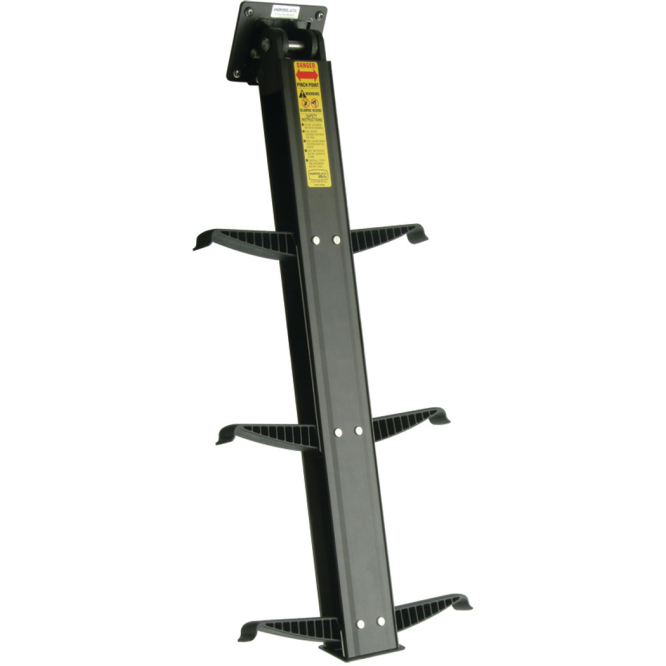
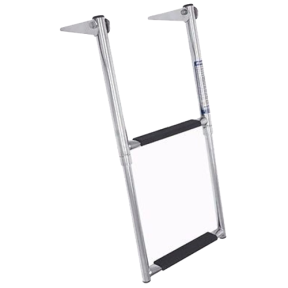
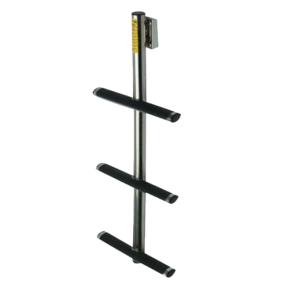
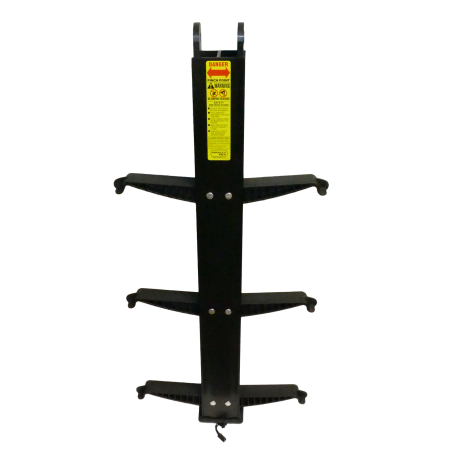
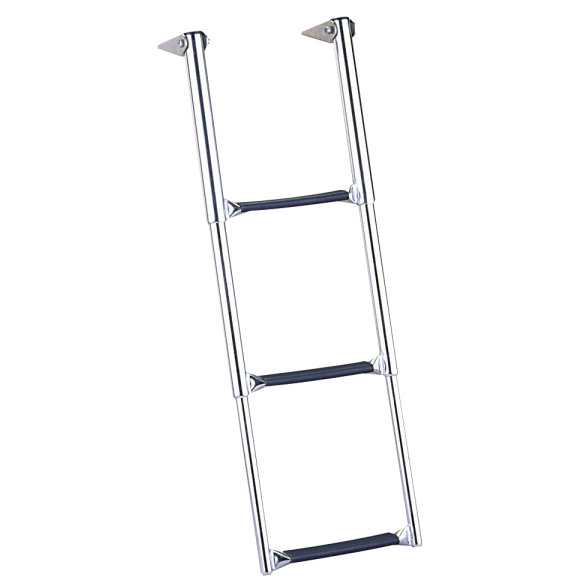
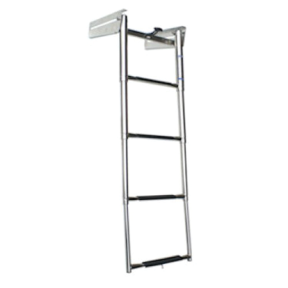
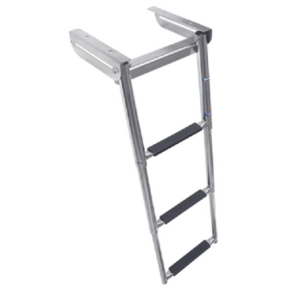
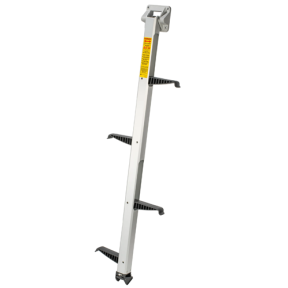
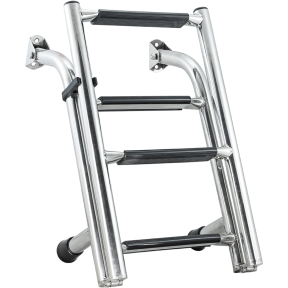
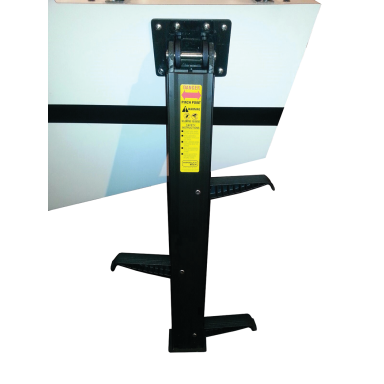
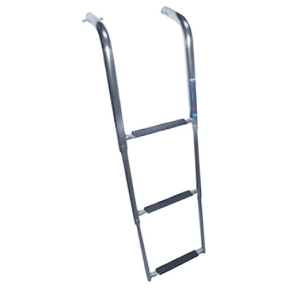
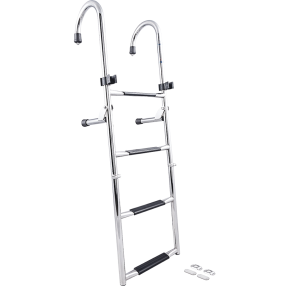
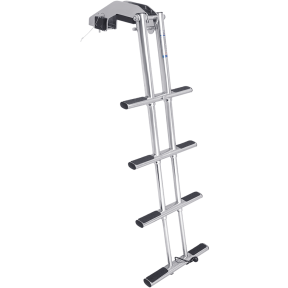
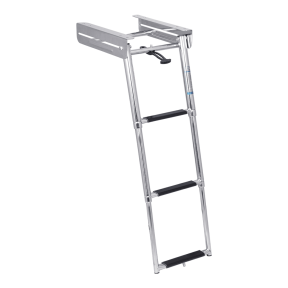
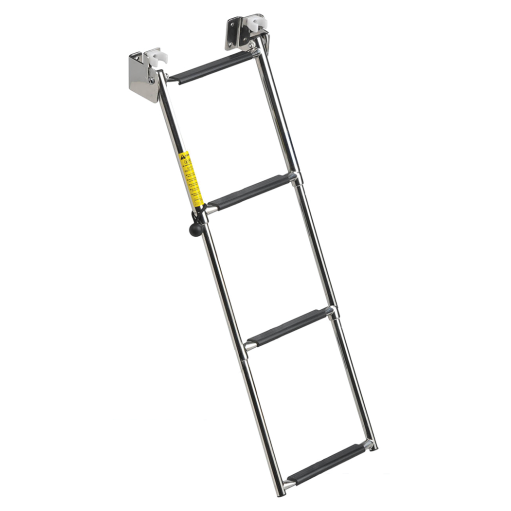
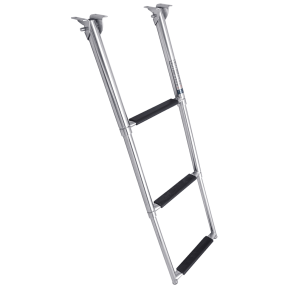
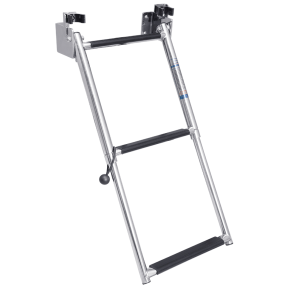
- Folding & telescoping ladders for compact stowage and deep re-entry reach.
- Extended transom platforms for easier waterline access and extra lounging space.
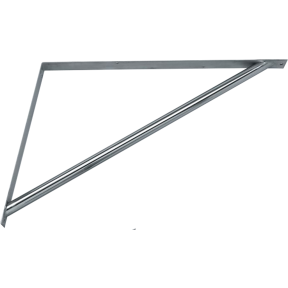
- Side-mount or bracketed solutions to avoid engine or trim-tab interference.
Materials: Performance, Care, and Aesthetics
Match material to environment and maintenance expectations:
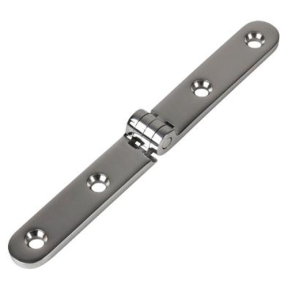
- Stainless steel (316): High corrosion resistance; ideal for saltwater use and heavy-duty duty cycles.
- Fiberglass: Rigid, paint/gelcoat-friendly platforms with non-skid options.
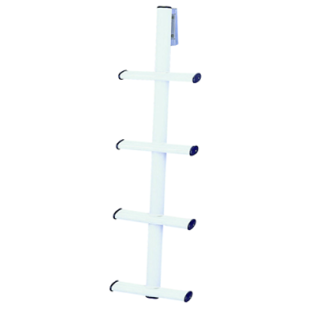
- Aluminum: Lightweight, strong, and easy to maintain; good for trailer boats.
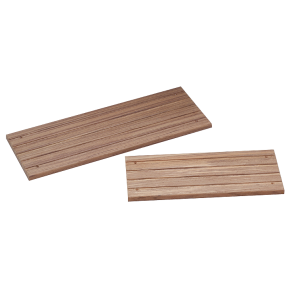
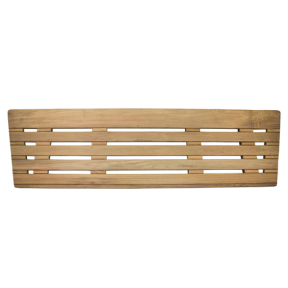
- Teak: Classic look and grip when wet; requires periodic oiling or sealing.
Fitment & Installation
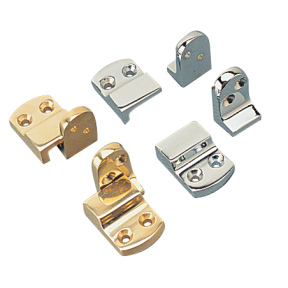
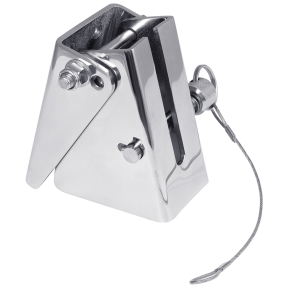
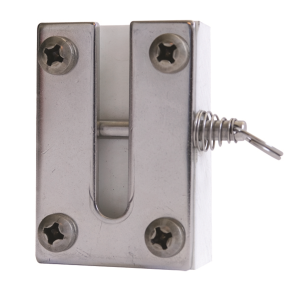
Plan around prop/drive clearance, trim tabs, and swim ladder drop length (number of rungs below the waterline) for confident reboarding. Select hardware kits with reinforced mounting brackets and backing plates to distribute loads and reduce gelcoat stress.
- Outboard: Allow for tilt range and steering sweep; consider side-offset ladders/platforms.
- Inboard/I-O: Verify ladder path avoids prop arc; check platform height vs. waterline.
- Railing & handholds: Add grab rails near the ladder top to aid upper-body leverage.
Selection Guide
- Use case: Diving, fishing, watersports, or casual swimming dictate platform size and ladder drop.
- Passenger profile: Choose higher weight capacities (e.g., 300–400+ lbs) for frequent adult use and gear loads.
- Storage & transport: Telescoping/hinged designs save space on trailerable boats.
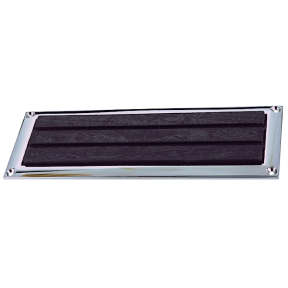
- Surface & traction: Non-skid pads and wider treads improve barefoot comfort and grip.
Safety & Good Practices
Marine safety guidance commonly emphasizes having a reliable means of reboarding suitable to your boat’s freeboard and typical conditions. Prioritize secure mounts, anti-slip treads, and sufficient ladder depth (at least two rungs below the waterline) to make re-entry manageable for tired swimmers.
Inventory, Commercial Accounts & Shipping
Fisheries Supply maintains a deep selection across sizes, materials, and mounting styles—with commercial accounts available, and nationwide / worldwide shipping options to keep projects on schedule.
Frequently Asked Questions
How do I pick the right ladder for my boat?
Match the ladder style to your transom and drive. Confirm drop length (rungs below waterline), weight rating, and whether a folding or telescoping design fits your storage plan. If you have an outboard, ensure full tilt/steering clearance.
What ladder weight capacity should I look for?
For most adults, look for ladders rated around 250–400 lbs, scaling up for frequent use, dive gear, or larger crews. Heavy-duty models provide additional safety margin.
Which materials work best in saltwater?
316 stainless steel and fiberglass typically offer superior corrosion resistance in saltwater, while aluminum and teak can be excellent with appropriate care and maintenance.
Do I need a full swim platform or just a ladder?
Choose a full platform if you want extra staging space for snorkeling, fishing, or lounging. A ladder-only solution is compact and cost-effective when space or weight are constraints.
Any installation tips for first-timers?
Dry-fit first; mark hole locations carefully; use marine-grade sealant; add backing plates where possible; and re-check clearance with engines trimmed up and down before drilling.