Boat Fairing Compounds and Marine Sealants
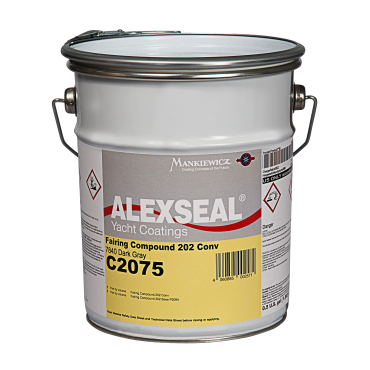
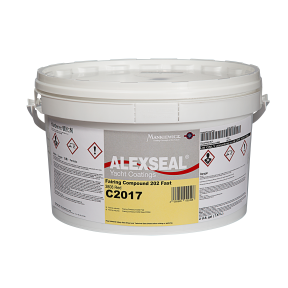
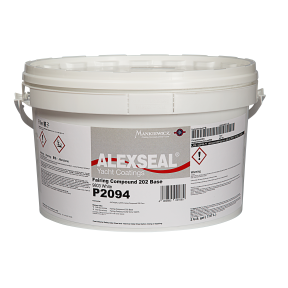
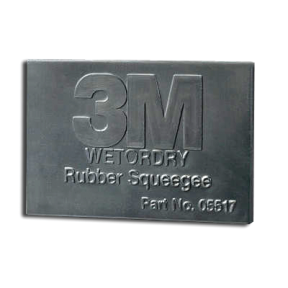
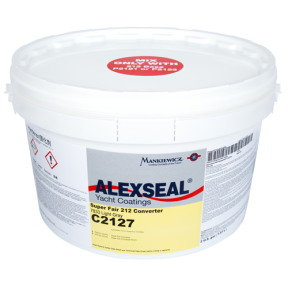
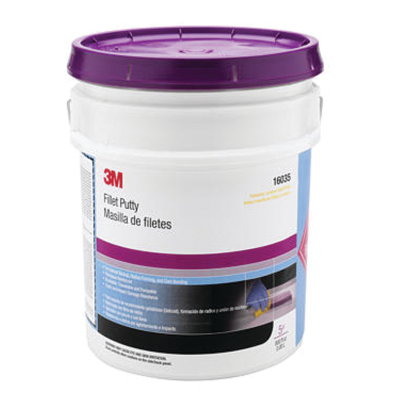
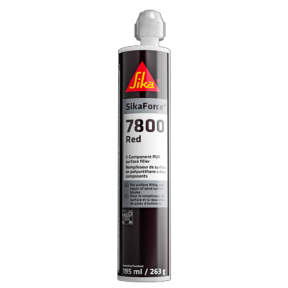
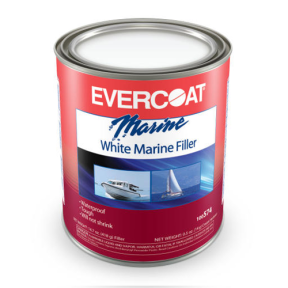
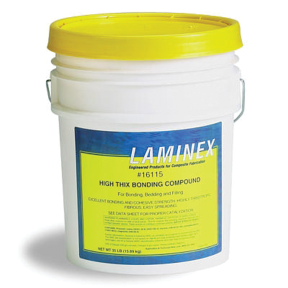
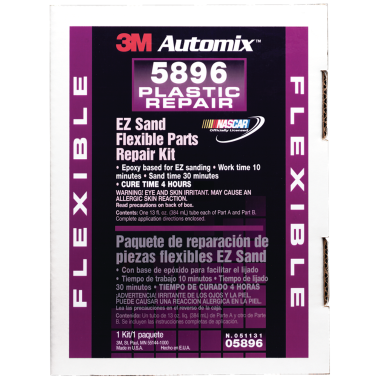
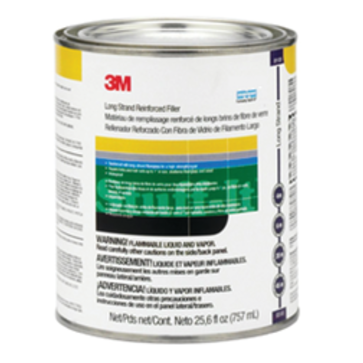
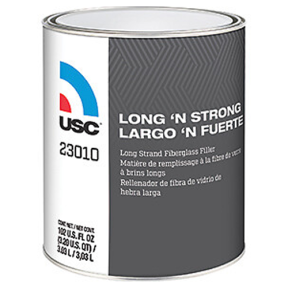
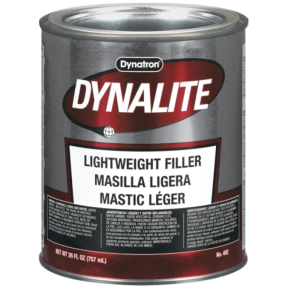
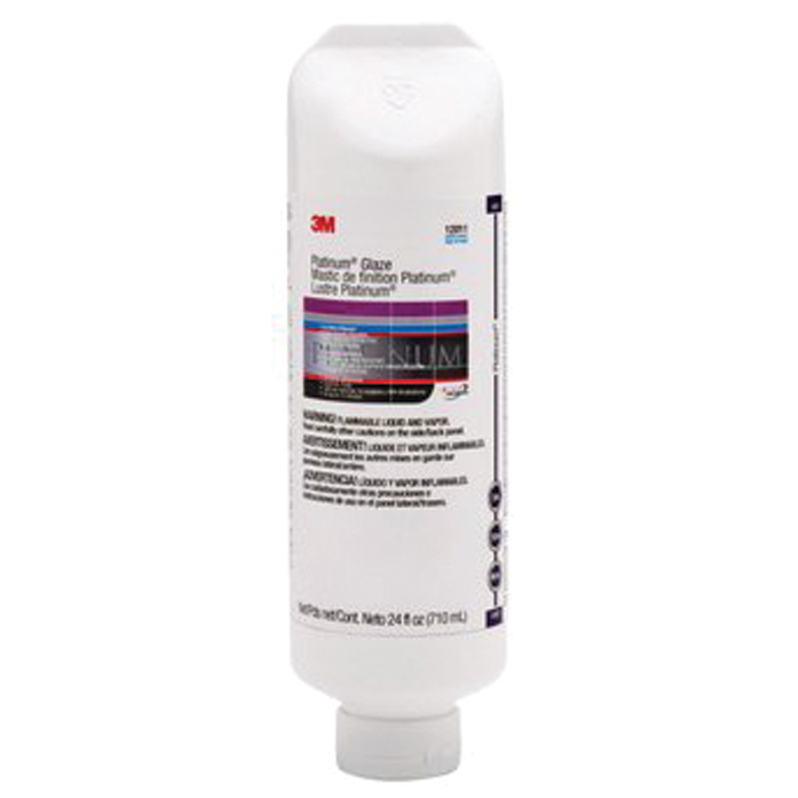
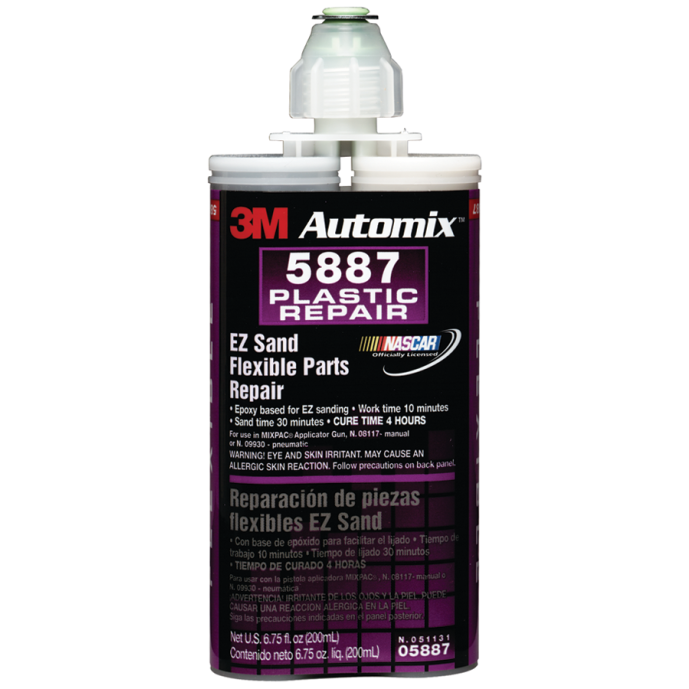
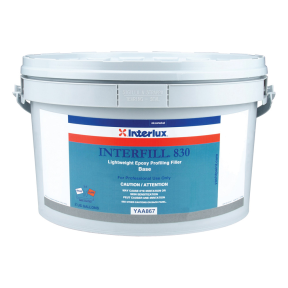
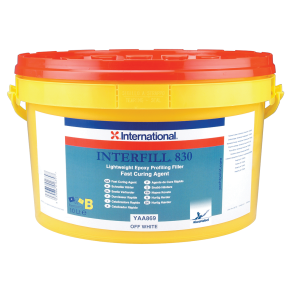
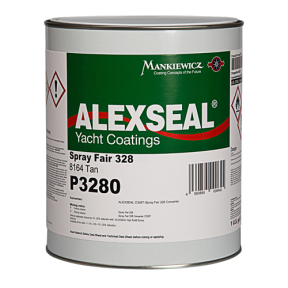
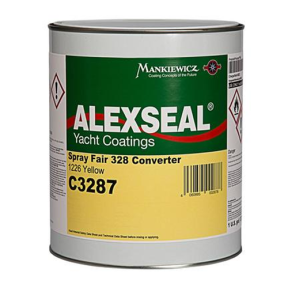
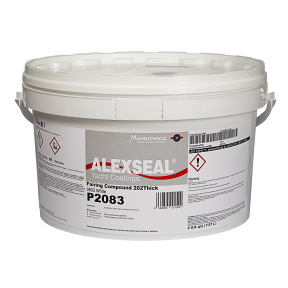
Boat fairing compounds level hull and deck imperfections before primer, paint, or gelcoat finishing. Polyester and epoxy fairing compounds serve boat owners, repair technicians, and yacht refit professionals completing cosmetic or extensive marine surface repairs.
What Is Boat Fairing?
Boat fairing is the process of correcting low spots, seams, gouges, and surface irregularities to create an even hull or deck profile. A properly faired surface supports paint adhesion, cleaner finish lines, and efficient hydrodynamics.
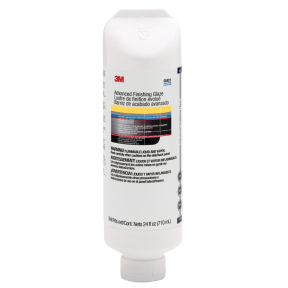
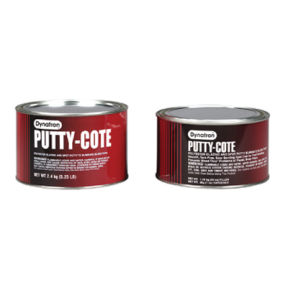
Marine fairing compound fills minor imperfections before primers and topcoats are applied. Gelcoat repair projects on polyester hulls require a compatible fairing compound for gelcoat or polyester-based filler putty before applying final gelcoat topcoats.
Types of Marine Fairing Compounds
Polyester and epoxy fairing compounds have different curing, sanding, adhesion, and waterline characteristics. The repair location and coating system should determine the material choice.
| Fairing compound type | Common applications | Characteristics |
|---|---|---|
| Polyester fairing compound | Above-the-waterline cosmetic work, spot repairs, and light-duty surface leveling | Fast curing, easy sanding, and cost-effective application |
| Epoxy fairing compound | Above- or below-waterline work, structural preparation, and extensive hull or deck repairs | High adhesion, long-term durability, and compatibility with epoxy primers and coatings |
Yacht and Large-Surface Fairing
Yacht fairing requires controlled application and consistent sanding across broad surfaces. Professional-grade marine fairing compounds support uniform profiles on racing yachts, cruisers, large boats, and superyacht repair projects.
Marine Seam Sealants
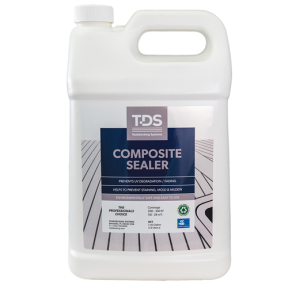
Fairing compound corrects surface shape, while marine sealant blocks water intrusion at joints and seams. The two products perform different functions and should not be treated as interchangeable repair materials.
| Application | Function |
|---|---|
| Seams and joints | Flexible sealant accommodates movement between connected surfaces. |
| Deck fittings | Marine sealant helps form a watertight barrier around mounted hardware. |
| Hull penetrations | Compatible sealant limits moisture entry around properly installed fittings. |
| Moisture protection | Sealed joints reduce the risk of water-related rot and corrosion. |
How to Choose a Fairing Compound for a Boat
| Step | Selection factor | What to evaluate |
|---|---|---|
| 1 | Identify the repair location | Confirm whether the damaged area is above or below the waterline. |
| 2 | Inspect the substrate | Match the compound to the hull or deck material and existing coating system. |
| 3 | Measure the repair | Consider the area, depth, and whether structural reinforcement is required first. |
| 4 | Review working time | Compare mixing, application, curing, and sanding requirements. |
| 5 | Check coating compatibility | Select primers, barrier coats, gelcoat products, and topcoats approved for the cured compound. |
After fairing and sanding, compatible boat primers and undercoaters prepare the repaired surface for its final coating. Fisheries Supply product specialists can help shoppers compare marine fairing materials for specific repair conditions.
Frequently Asked Questions
What is the difference between polyester and epoxy fairing compounds?
Polyester fairing compound is commonly used for fast-curing cosmetic repairs above the waterline. Epoxy fairing compound offers higher adhesion and durability for extensive repairs above or below the waterline. The correct choice also depends on the boat substrate, repair depth, primer, and final coating system.
Can gelcoat be applied directly over cured fairing compound?
Gelcoat compatibility depends on the fairing compound chemistry and specified coating system. Gelcoat bonds directly to compatible polyester fillers, but polyester gelcoat should not be applied directly over cured epoxy fairing compound without a tie-coat primer or thorough removal of amine blush, as surface amines can inhibit the styrene cure. Review product instructions before application because preparation and recoat requirements vary.
How do you apply marine fairing compound to a boat?
Marine fairing compound is applied to a clean, prepared surface with a suitable spreader. Mix each component at the manufacturer’s stated ratio, apply within the working time, and allow the material to cure. Sand the repaired area to an even profile before applying a compatible primer or finish.
Can fairing compound repair structural hull damage?
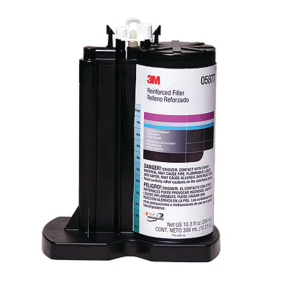
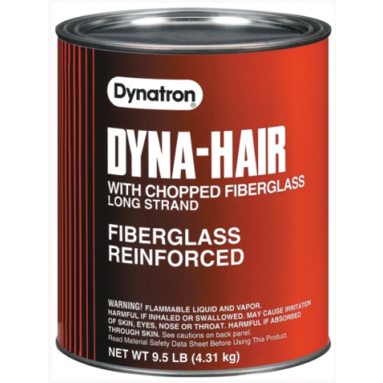
Standard fairing compound should not replace a structural repair material. Holes, deep voids, damaged laminate, and load-bearing defects may require reinforced filler or a fiber-reinforced plastic repair first. Fairing compound can then level minor surface irregularities over the completed structural repair before priming and finishing.
How can I tell when two-part fairing compound is fully mixed?
A two-part fairing compound is fully mixed when its color and texture are uniform, with no visible streaks from either component. Color-coded resin and hardener can make incomplete mixing easier to spot. Follow the stated ratio and mixing method because incorrect proportions may affect curing and performance.
What is marine seam compound used for?
Marine seam compound fills joints that may expand, contract, or move as a boat operates. Unlike rigid, sandable fairing compound, a compatible seam sealant remains flexible and helps resist water intrusion. Common applications include plank seams, keel joints, deck fittings, and properly prepared hull penetrations.