

Marine Paint Application Tools
Marine coatings perform best when applied with tools suited to the paint type, surface, and finish requirement. Purpose-built boat painting tools support accurate mixing, controlled application, and consistent coverage without dissolving under aggressive marine solvents.
Brushes, Rollers, Buckets, and Trays
| Marine Painting Tool | Primary Application |
|---|---|
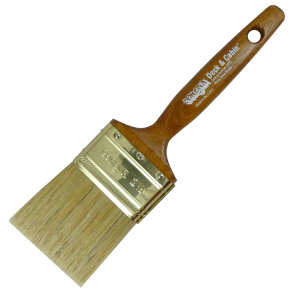
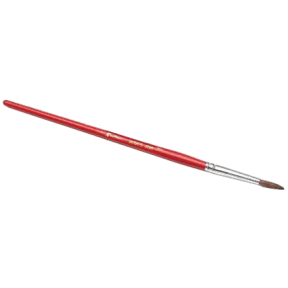
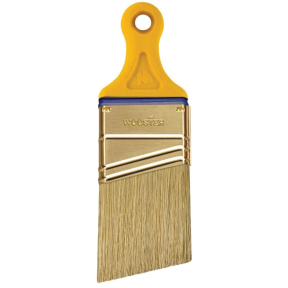
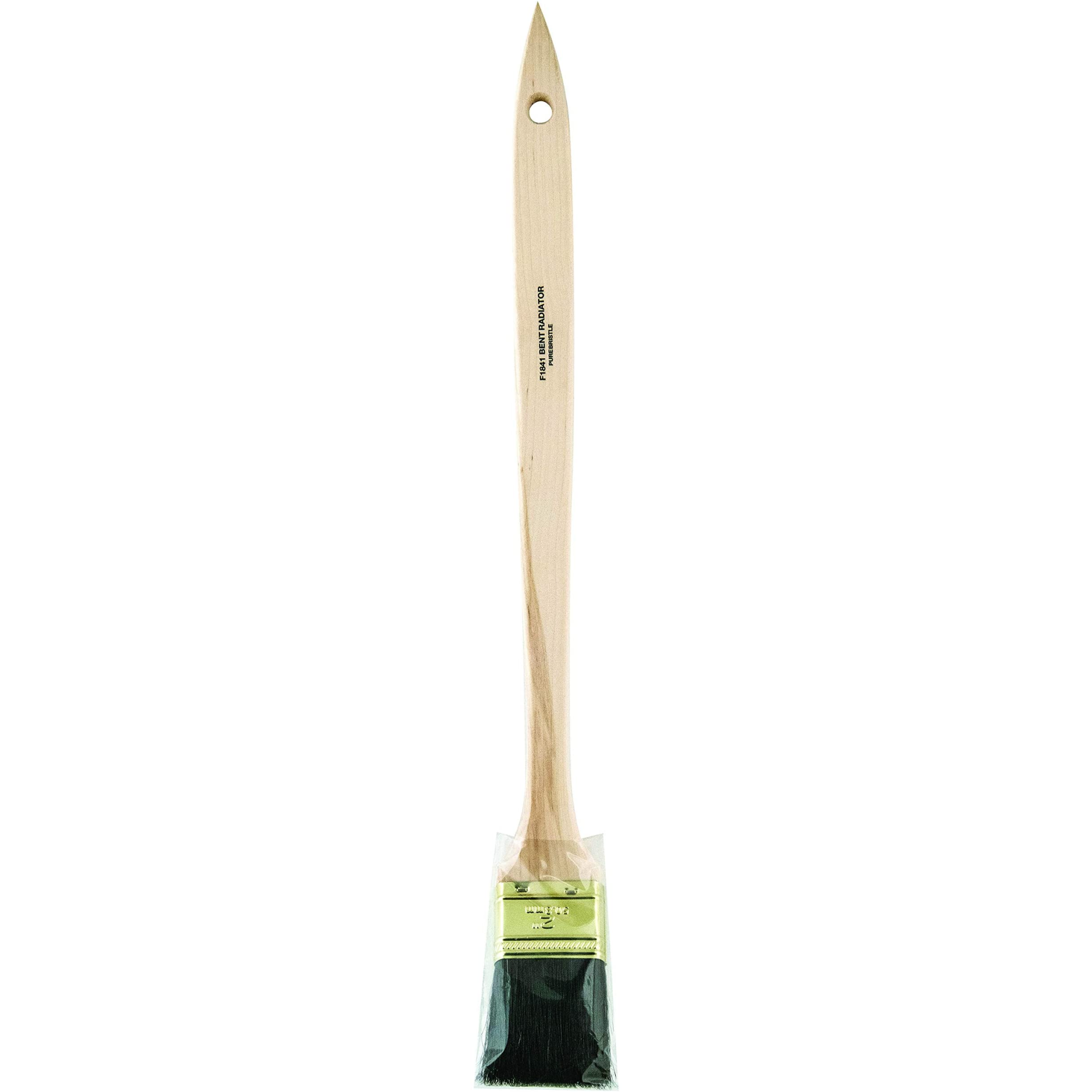
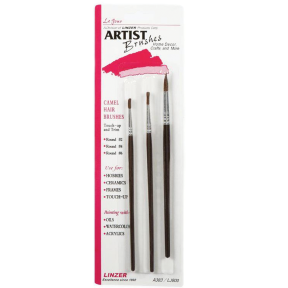
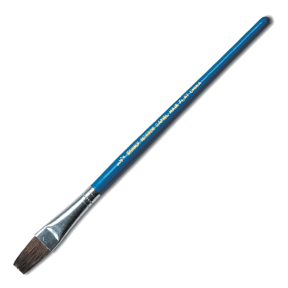
| Topside paint brushes | Provide controlled application around trim, fittings, corners, and detailed surfaces using badger hair, natural bristle, or solvent-rated synthetic filaments. |
| Wooster brushes and rollers | Support smooth marine coating application across broad and detailed areas, including tipping rolled topcoats to remove bubbles. |
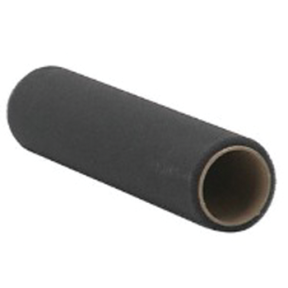
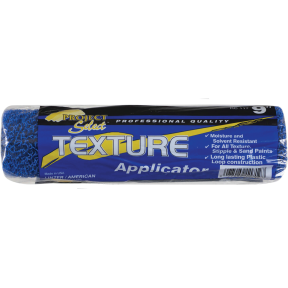
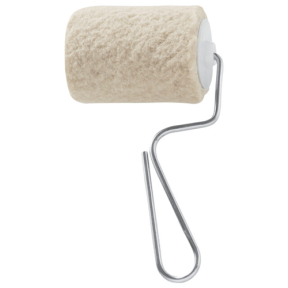
| Paint rollers | Cover larger hull, deck, and topside sections. Requires solvent-resistant phenolic cores or high-density foam when applying 2-part polyurethane and epoxy coatings. |
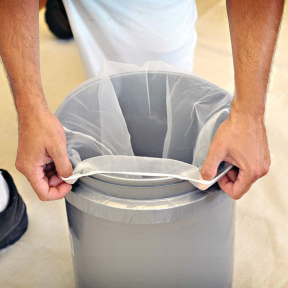
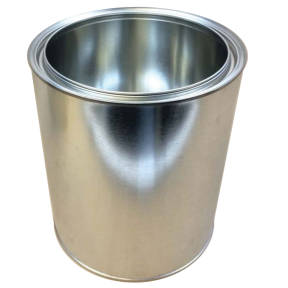
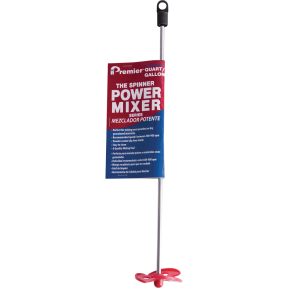
| Plastic paint buckets and mixers | Combine marine coatings, measure multi-part resins, and maintain a practical working supply during application. |
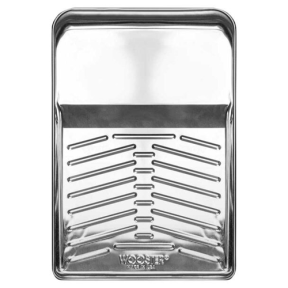
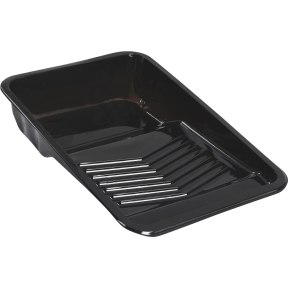
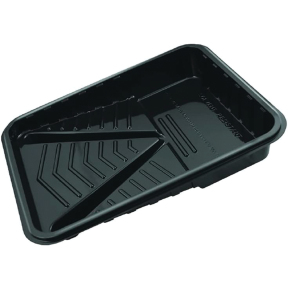
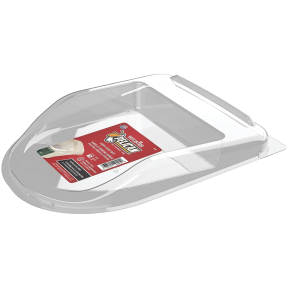
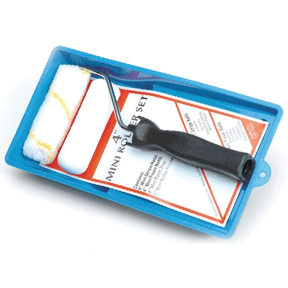
| Paint trays | Distribute marine paint across roller covers and reduce excess material during application. |
Boat Surface Preparation Supplies
Surface preparation affects adhesion, appearance, and coating life. Follow the marine paint manufacturer’s instructions for cleaning, dewaxing, sanding, priming, recoating, and cure times.
- Decontaminate and dewax bare fiberglass or gelcoat with solvent wash before sanding to prevent embedding contaminants into the surface.
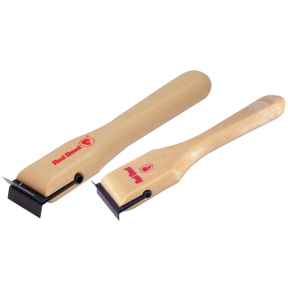
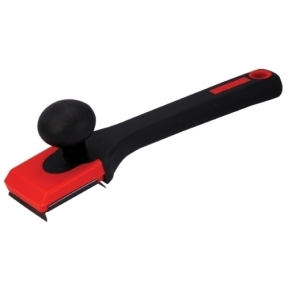
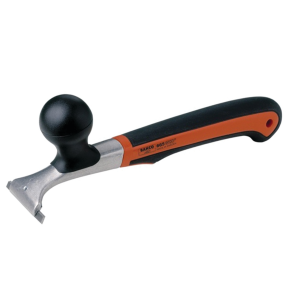
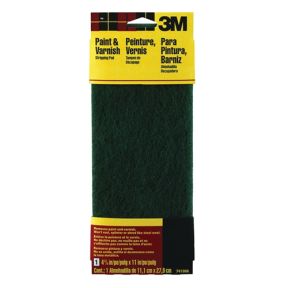
- Use scrapers and compatible paint removers to remove failed or unwanted coatings.
- Sand the surface with the specified abrasive type and grit sequence, working progressively from coarse prep to fine finishing grits.
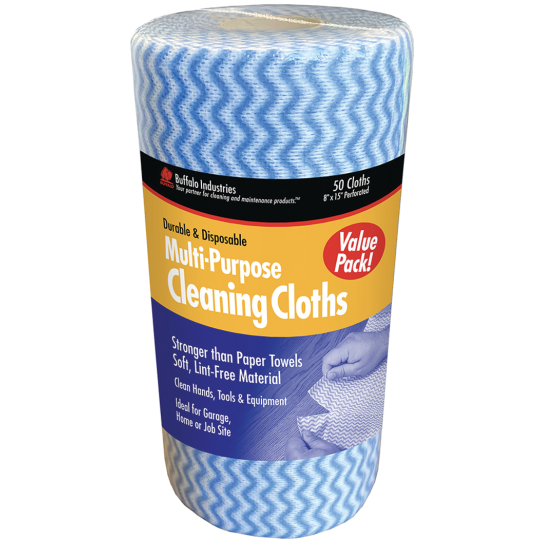
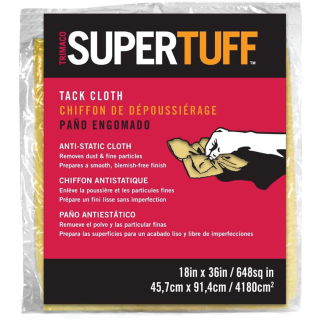
- Remove sanding residue with solvent wipes, solvent-free tack cloths, or the cleaning method listed by the coating manufacturer.
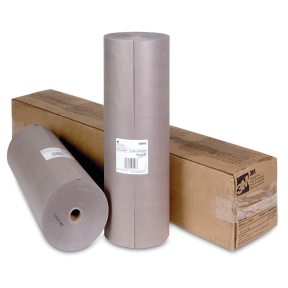
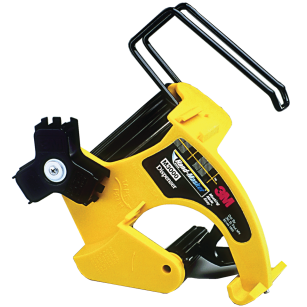
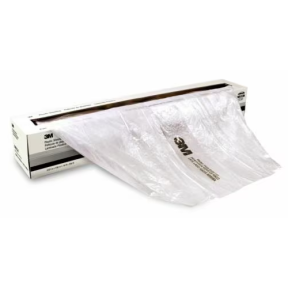
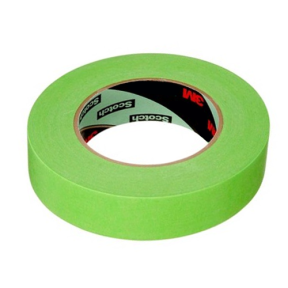
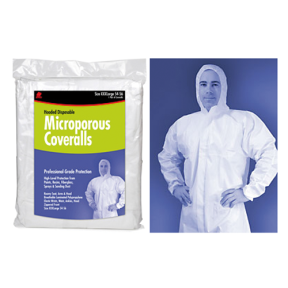
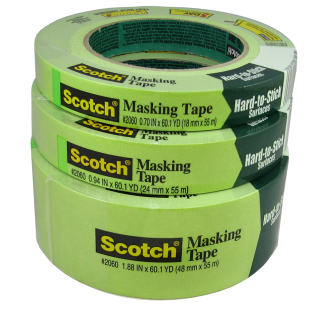
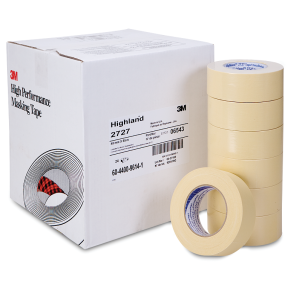
- Protect nearby hardware and work areas with solvent-resistant masking products, tarps, and heavy-duty drop cloths.
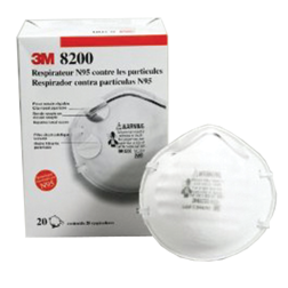
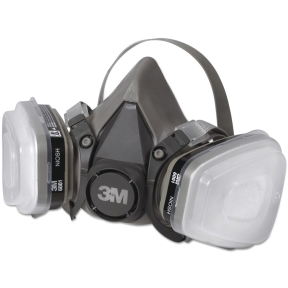
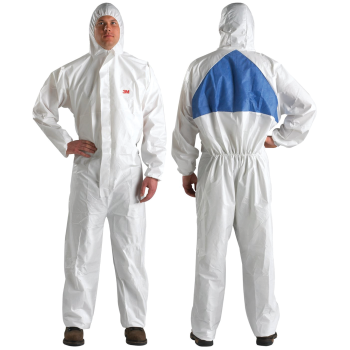
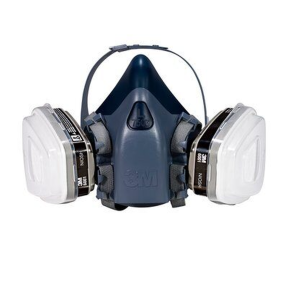
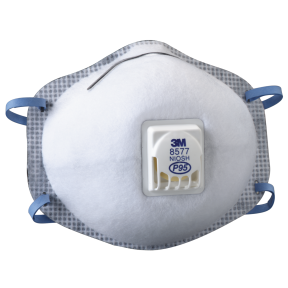
- Wear NIOSH-approved organic vapor respirators, dust masks, safety glasses, or supplied-air equipment specified on product labels and safety data sheets.
Paint Supplies for Fiberglass and Specialty Surfaces
Fiberglass, gelcoat, plastic, wood, aluminum, and steel require specific wax-removers, primers, paint removers, and marine coatings. Verify substrate compatibility before use, especially when working with plastic components, existing coatings, or chemically sensitive gelcoat.
Choosing Compatible Products
- Identify the substrate and the condition of the existing finish.
- Confirm whether the old coating must be chemically cleaned, sanded, stripped, or sealed with an barrier coat or primer.
- Check compatibility among the cleaner, solvent wash, primer, marine paint, reducer/thinner, and application tool.
- Test uncertain products on a small, inconspicuous area before treating the full surface.
How to Select Boat Painting Supplies
Build the supply list around the coating system rather than purchasing tools separately. The boat material, coating chemistry, application method, environmental conditions, and desired finish determine which boat painting accessories are appropriate.
| Project Task | Recommended Boat Painting Supplies |
|---|---|
| Detailed topside work | Marine paint brushes, fine-line masking materials, and foam tipping brushes |
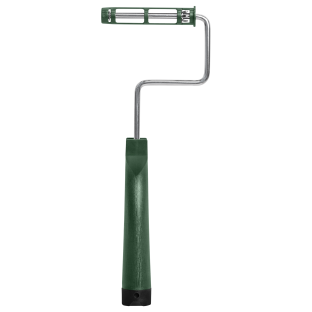
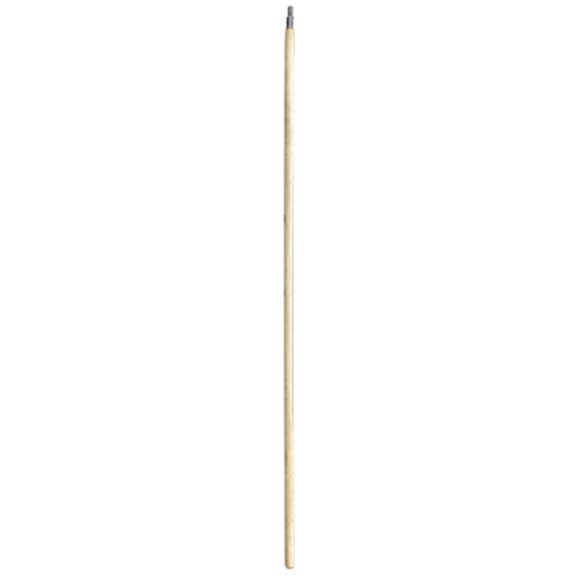
| Broad surfaces | Solvent-resistant phenolic roller covers, frames, paint trays, and extension handles |
| Coating preparation | Clean mixing buckets, calibrated mixing cups, paint strainers, and mechanical mixers |
| Spray application | Coating-compatible spray paint equipment, fluid tips, and explosion-proof ventilation equipment |
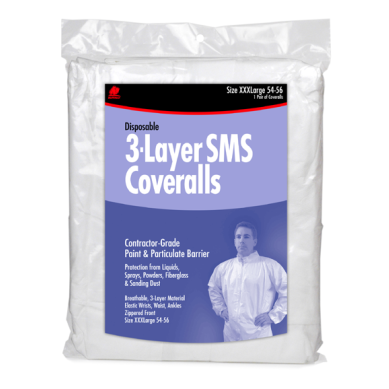
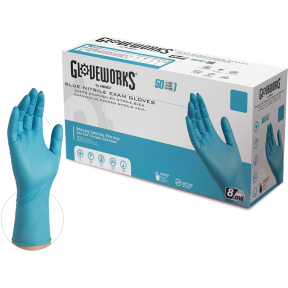
| Project protection | Drop cloths, tarps, and label-specified protective gear (organic vapor or supplied-air respirators and chemical gloves) |
Help from Experienced Boaters
Fisheries Supply staff can help shoppers compare marine painting supplies based on boat material, current coating condition, application method, and project scope. Product labels, technical data sheets (TDS), and coating manufacturer instructions remain the primary references for preparation, application, compatibility, and curing requirements.
Frequently Asked Questions
What boat painting supplies do I need for a DIY project?
Most DIY boat painting projects require dewaxing solvent, abrasives, scrapers, tack cloths, solvent-resistant masking tape, mixing buckets, strainers, trays, natural bristle brushes, phenolic-core rollers, drop cloths, and label-specified PPE (respirators and gloves). The exact list depends on the substrate, existing finish, marine coating system, and application method selected for the job.
Do I need primer before applying marine paint to a boat?
Primer is required when the coating manufacturer specifies it for adhesion, corrosion protection, surface sealing, tie-coating over unknown paints, or color uniformity. Requirements vary among fiberglass, gelcoat, wood, aluminum, steel, and previously painted surfaces. Check the marine paint technical data sheet before selecting and applying a compatible primer.
Should I sand fiberglass or gelcoat before painting?
Fiberglass or gelcoat must be thoroughly cleaned and dewaxed with a solvent wash *before* sanding to prevent grinding mold release wax into the substrate profile. Once clean, controlled sanding creates the mechanical bond required by the primer or topcoat. Follow the manufacturer's specified grit sequence to avoid gouging gelcoat.
Which brushes and rollers work with marine paint?
Use solvent-resistant brushes (such as badger hair, natural bristle, or rated synthetics) and phenolic-core or high-density foam rollers rated for marine solvents. Standard carpet or cardboard-core rollers will dissolve when exposed to 2-part polyurethane or epoxy thinners. Wooster brushes and rollers include options specifically designed for marine roll-and-tip application.
What paint stripper can I use on fiberglass or gelcoat?
Use only a marine paint stripper explicitly labeled as fiberglass-safe. Harsh chemical strippers containing methylene chloride can soften polyester resins, damage the gelcoat matrix, or cause severe blistering. Review the product label, follow its dwell-time limits, test a small area, and remove residue using the stated solvent cleanup method.
How do I choose between brushing, rolling, and spraying boat paint?
Choose the application method listed on the coating's technical data sheet. Brushing provides control on detailed areas, rolling (often combined with tipping) covers broad surfaces smoothly, and spraying produces a professional finish. When spraying 2-part polyurethanes containing toxic isocyanates, a NIOSH-approved supplied-air respirator system and proper spray booth or containment environment are required.