Boat Trailer Brakes: Selection, Parts and Maintenance Guide
Boat trailer brakes help control stopping distance and trailer stability on highways, grades and wet launch ramps. This guide is for boat owners comparing marine trailer brake kits, disc brakes, drum brakes, surge systems and electric braking components.
Why Boat Trailer Brakes Matter
Correctly sized and maintained brakes reduce stress on the tow vehicle and improve control during routine stops and emergency braking. Brake requirements vary by trailer weight and jurisdiction, so owners should confirm current state or provincial rules for Gross Trailer Weight thresholds and required braked axles.
Types of Boat Trailer Brakes
| Brake Type | How It Works | Benefits | Selection Factors |
|---|---|---|---|
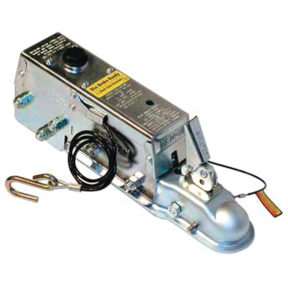
| Surge Hydraulic Brakes | A surge actuator responds to the trailer’s forward momentum and pressurizes brake fluid for the calipers or wheel cylinders. | Self-contained operation, no in-cab controller and established marine applications. | Hydraulic fluid condition, line integrity and a free-backing design or reverse lockout. |
| Electric Trailer Brakes | A tow-vehicle brake controller sends modulated voltage to electromagnets at the wheels. | Adjustable driver control, proportional braking and compatibility with many factory tow packages. | Immersion approval, protected wiring, sealed connectors and controller compatibility. |
Disc Brakes Compared with Drum Brakes
| Brake Type | Primary Benefits | What to Consider |
|---|---|---|
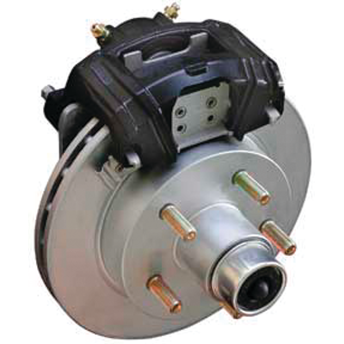
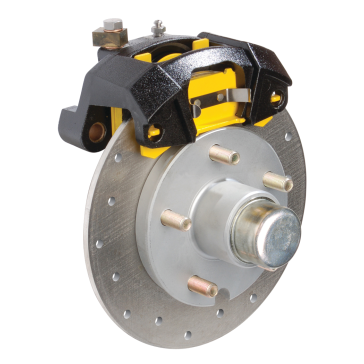
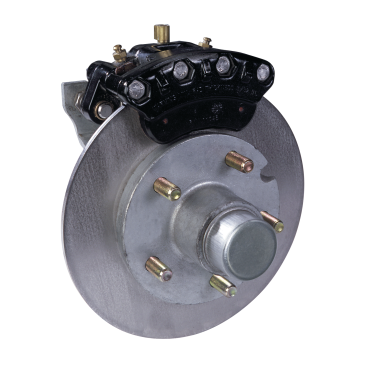
| Disc brakes | Consistent wet stopping, effective heat dissipation and accessible inspection | Marine-grade materials and correct rotor, caliper and hub compatibility |
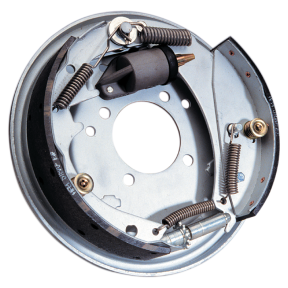
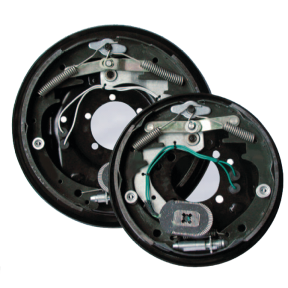
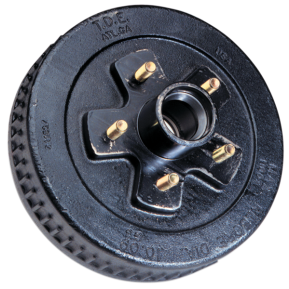
| Drum brakes | Cost-conscious option for some light-duty trailer applications | More enclosed components and additional attention after water exposure |
Boat Trailer Brake Kits and Replacement Parts
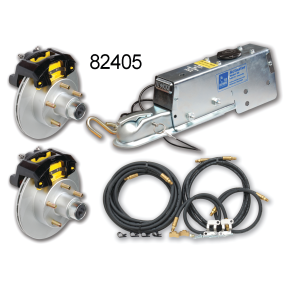
Marine trailer brake systems use matched control, friction and wheel-end components. Confirm axle capacity and manufacturer fitment information before purchasing replacement parts.
| Kit or Component | Function and Features |
|---|---|
| Complete Trailer Brake Kits | Group compatible disc or drum brake components for a new installation, system upgrade or full brake replacement. |
| Disc Brake Hubs and Rotors | Provide braking surfaces designed for brake-pad contact and heat dissipation. |
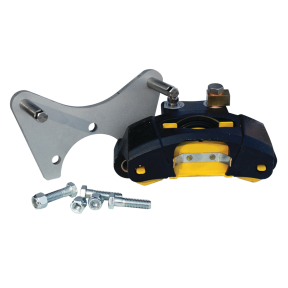
| Brake Calipers | May use aluminum bodies, stainless-steel pistons and oil-impregnated bronze bushings for corrosion resistance. |
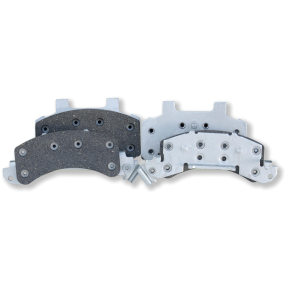
| Brake Pads | Use friction material and may include GalvX-coated backing plates for rust protection. |
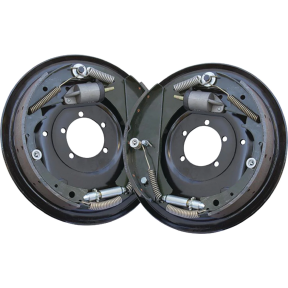
| Brake Drum Hubs | Combine the drum braking surface and wheel hub for compatible drum brake systems. |
| Brake Rotors | Use machined faces to support brake-pad contact and manage braking heat. |
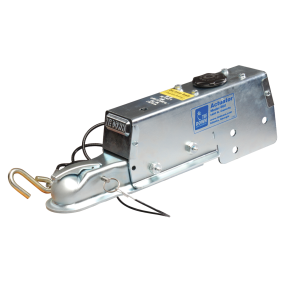
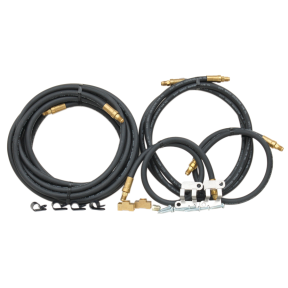
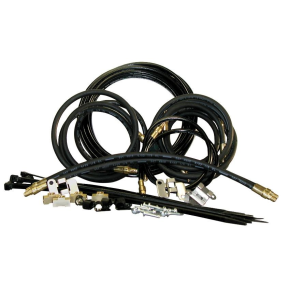
| Brake Actuators and Lines | Control hydraulic or electric-over-hydraulic brake application. |
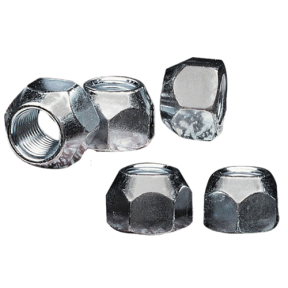
| Lug Nuts and Mounting Hardware | Secure wheels and brake assemblies in marine environments. |
How to Choose Boat Trailer Brakes
- Calculate loaded trailer weight: Match the braking system to Gross Trailer Weight and axle capacity.
- Confirm axle coverage: Check how many axles require brakes under local regulations and the trailer manufacturer’s guidance.
- Choose disc or drum brakes: Compare water exposure, service access, braking consistency and purchase cost.
- Select a control system: Match surge, electric or electric-over-hydraulic operation to the tow vehicle and trailer.
- Verify wheel-end fit: Check bolt pattern, hub bore, rotor diameter, spindle compatibility and mounting flange.
- Plan for water exposure: Prioritize stainless-steel fasteners, coated components, sealed bearings and rinse ports for saltwater use.
Boat Trailer Brake Maintenance Checklist
- Inspect brake pads, shoes, rotors and drums for wear, glazing, scoring and corrosion.
- Check hydraulic fluid, brake lines, hoses and fittings for contamination, damage or leaks.
- Test smooth brake application and complete release before towing.
- Rinse exposed brake components with fresh water after saltwater immersion.
- Inspect electrical wiring, grounds and connectors on electric or electric-over-hydraulic systems.
- Follow the brake, actuator and trailer manufacturers’ service intervals and torque specifications.
- Recheck lug-nut torque after wheel removal or brake service according to the wheel manufacturer’s instructions.
Practical tip: Carry trailer-compatible brake fluid, spare fuses, basic hand tools and a calibrated torque wrench when towing.
Frequently Asked Questions
Do I need brakes on both axles of a tandem boat trailer?
Brakes may be required on both axles depending on loaded trailer weight and local law. Braking both axles can improve control, distribute braking heat and reduce the workload on each brake assembly. Confirm Gross Trailer Weight, axle ratings, trailer manufacturer guidance and current state or provincial requirements.
Are disc brakes better than drum brakes for a saltwater boat trailer?
Disc brakes are often preferred for saltwater boat trailers because their open design supports drainage, rinsing and visual inspection. Corrosion resistance still depends on component materials. Look for aluminum calipers, stainless-steel pistons, coated rotors and protected hardware, then rinse the brake assemblies with fresh water after immersion.
Can electric trailer brakes be used on a boat trailer?
Electric brakes can be used when the brake assemblies, wiring and connectors are approved for the intended marine exposure. The tow vehicle also needs a compatible brake controller. Review the brake manufacturer’s immersion instructions, protect electrical connections and inspect wiring after launch-ramp use or signs of corrosion.
How do I choose the correct boat trailer brake kit?
Choose a boat trailer brake kit by matching loaded Gross Trailer Weight, axle capacity, number of braked axles and wheel-end dimensions. Verify the mounting flange, bolt pattern, hub bore, spindle, rotor or drum size, actuator type and tow-vehicle controls against the trailer and component manufacturers’ specifications.
How often should boat trailer brakes be inspected?
Boat trailer brakes should receive a functional check before each towing trip and a detailed inspection at the manufacturer’s stated interval. Inspect them sooner after saltwater immersion, extended storage, a hard stop or symptoms such as pulling, noise, fluid loss, overheating, delayed application or incomplete brake release.
What brake fluid should I use in a surge brake actuator?
Use only the brake fluid grade specified by the surge actuator and brake component manufacturer. DOT 3 or DOT 4 fluid is common, but the correct grade depends on the installed system. Do not mix incompatible fluids; inspect for contamination and follow the manufacturer’s bleeding and replacement procedure.