Key Takeaways
- Find vetted boat trailer parts from leading brands, backed by expert support.
- Use correct component specs (capacity, material, dimensions) to protect your boat and tow vehicle.
- Follow trusted maintenance practices for tires, bearings, brakes, lights, and corrosion prevention.
Why Buy Trailer Parts from Fisheries Supply
We stock a broad selection of trailer components engineered for saltwater and freshwater use. Our specialists help you match capacity, fitment, and materials to your rig—reducing launch headaches and roadside surprises.
Essential Boat Trailer Components
A properly functioning boat trailer depends on several systems working together. Our inventory includes high-quality replacements and upgrades:
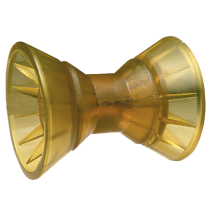
- Boat trailer rollers & bow rollers
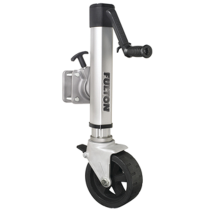
- Boat trailer jacks & roller shafts
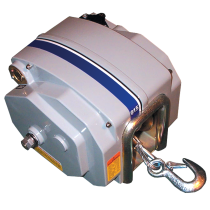
- Trailer winches (electric & manual) / boat winches
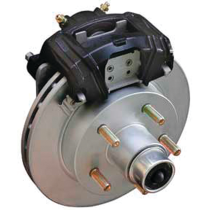
- Boat trailer brakes (electric, hydraulic, or E/H actuators)
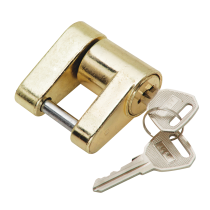
- Trailer hitch locks
These parts are key to smooth loading, secure transport, and confident launching.
Trusted Brands for Reliable Performance
We partner with manufacturers known for durability and support:
Expert Guidance for the Right Fit
Tell us your boat weight, hull type, and trailer configuration. Our representatives can help you choose the correct rollers, winches, jacks, brakes, and hardware for your setup—balancing performance with budget.
Comprehensive Maintenance—Safety First
Routine maintenance extends trailer life and reduces downtime. The following guidance aligns with industry best practices and manufacturer literature.
Frame & Structure- Frame: Inspect for cracks, rust, or deformation. Verify bunk/roller alignment supports the hull evenly.
- Axles & Hubs: Service per Dexter manuals (bearings, seals, brake adjustment). Replace worn components promptly.
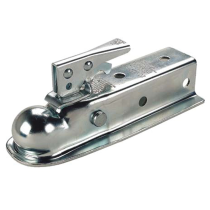
- Coupler & Safety Chains: Confirm latch operation and correct chain length/crossing under the tongue.
- Wheels & Tires: Check cold inflation against the placard and inspect for wear or dry rot. Replace aged or damaged tires.
- Brakes: Adjust/test electric or hydraulic systems; flush hydraulic lines if contaminated. Verify controller settings.
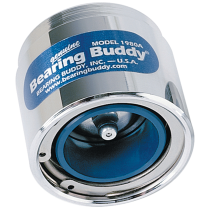
- Bearings: Clean, inspect, and repack on a schedule appropriate to usage and immersion.
- Connectors & Grounds: Clean corrosion, ensure watertight splices, and verify all lights function (running, turn, brake).
- Breakaway System: Test battery and switch operation on braked trailers.
- Rinse after Immersion: Especially in saltwater environments.
- Anodes/Zincs: Maintain appropriate anodes on immersed metal and consider galvanic protection strategies for shore-powered boats.
Frequently Asked Questions
What are the essential parts to maintain on a boat trailer?
Focus on rollers/bunks, jacks, winches/straps, brakes/actuators, wheels/tires, bearings/seals, lights/wiring, and coupler/safety chains. Frequent inspection prevents most roadside issues.
How do I choose the right trailer winch?
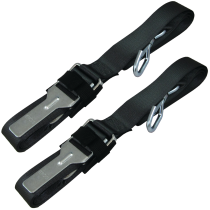
Match rated capacity to boat weight (plus friction and ramp angle). Electric winches offer convenience; manual winches are budget-friendly. Verify strap condition and bow eye alignment.
How often should I replace rollers?
Inspect during each launch/retrieval. Replace if you see cracking, flattening, or seized shafts. Smooth, correctly sized rollers protect gelcoat and speed retrieval.
What tire practices improve safety?
Inflate to the placard specification when cold, confirm load rating, inspect for irregular wear, and replace aged tires. Re-torque lugs after wheel service.
How do I limit corrosion on a saltwater trailer?
Rinse thoroughly after saltwater immersion, use marine-grade fasteners, maintain anodes on immersed metals, and monitor for galvanic activity if the boat is shore-powered.