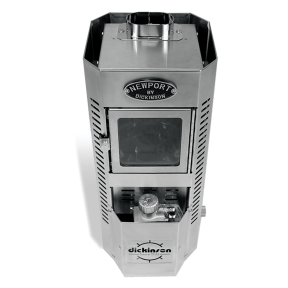
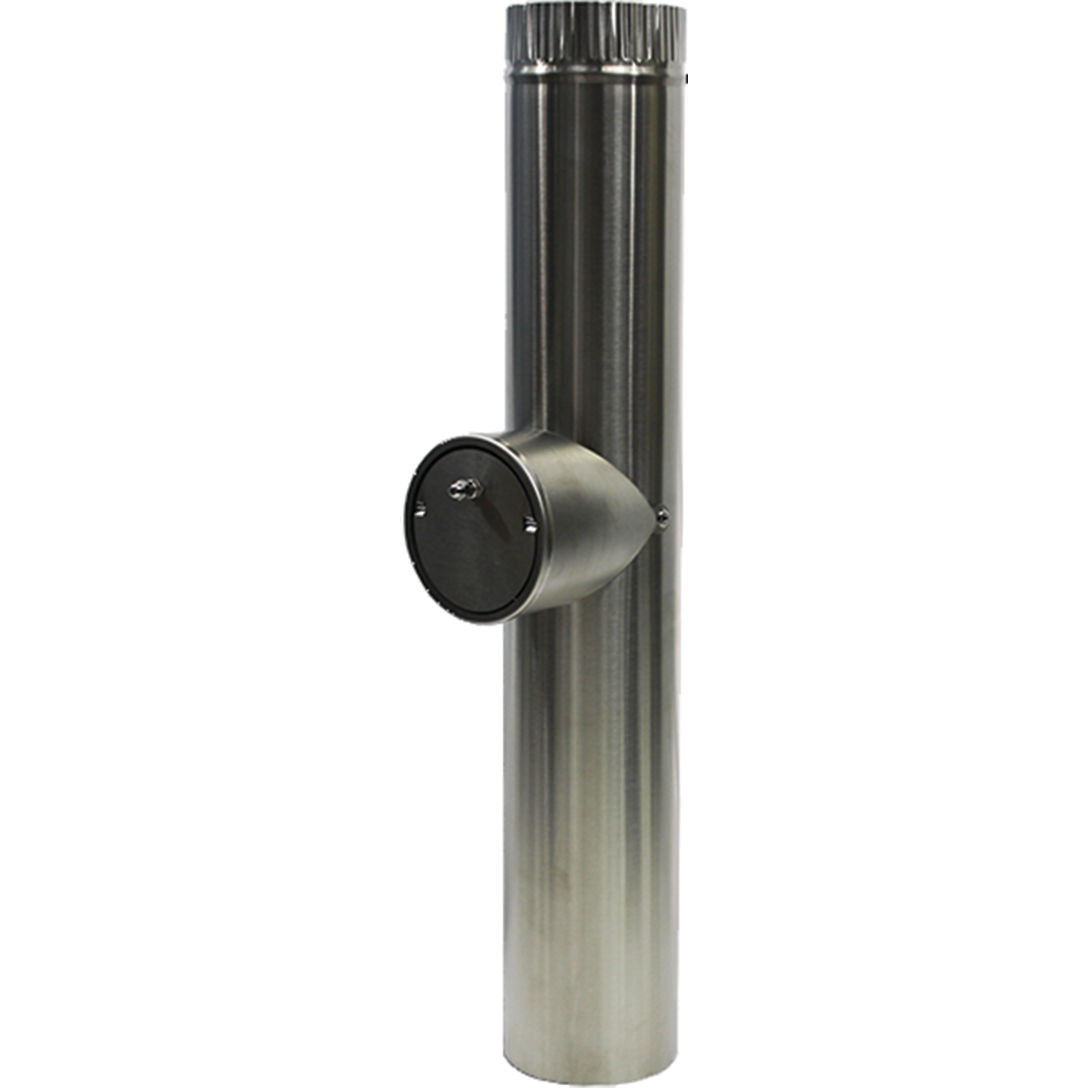
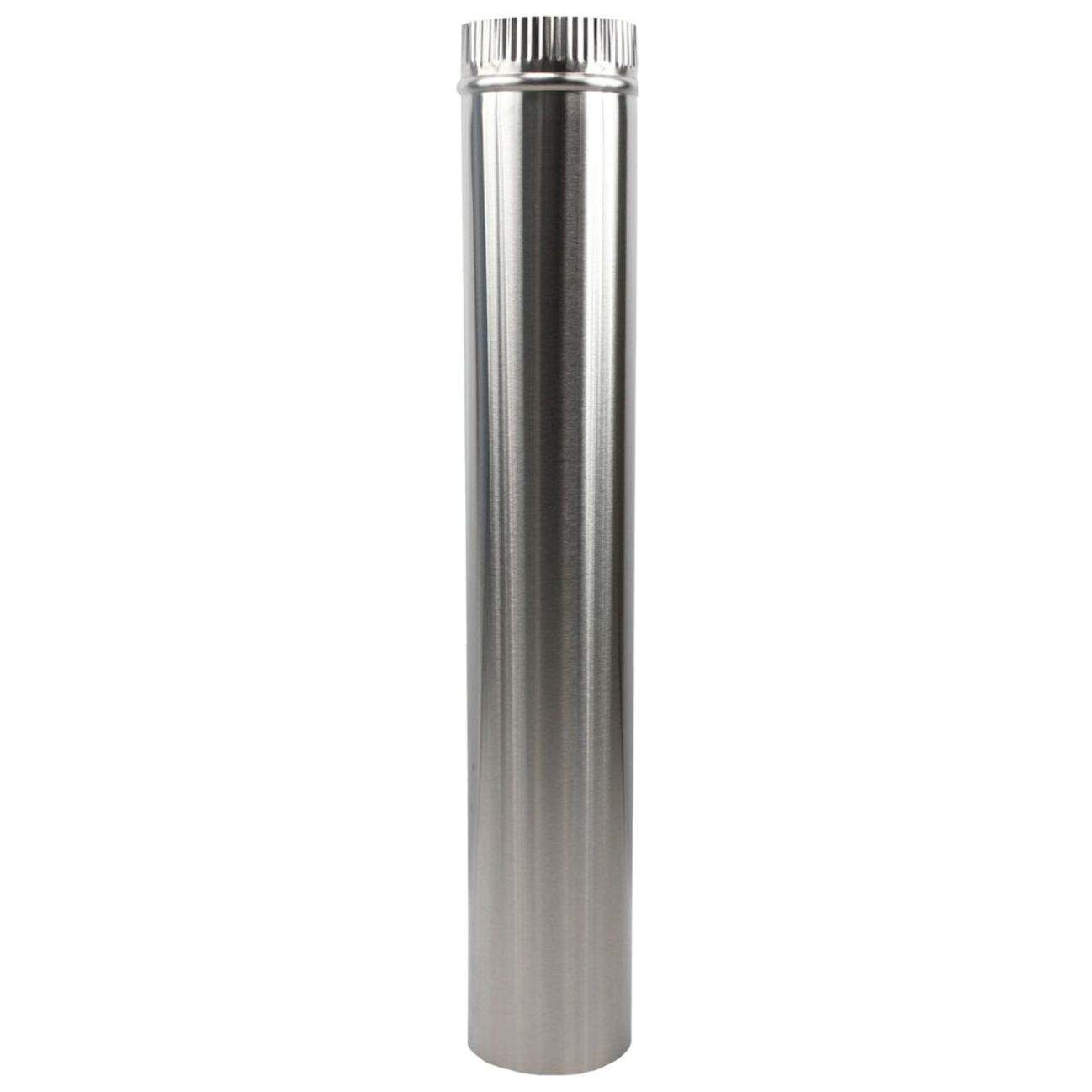
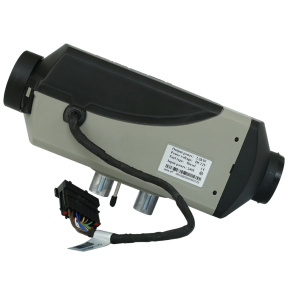
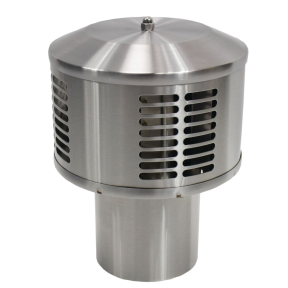
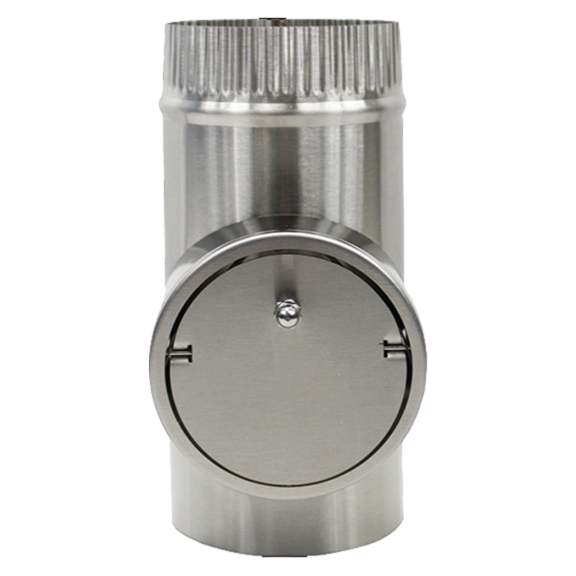
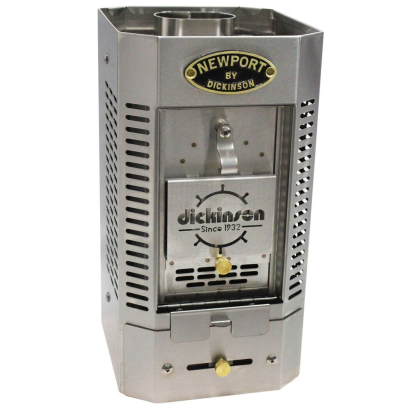
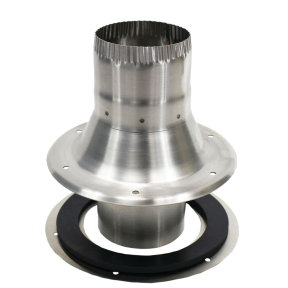
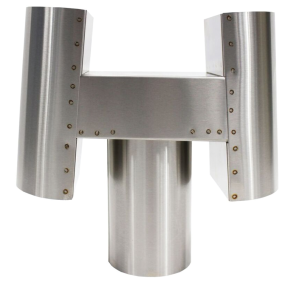
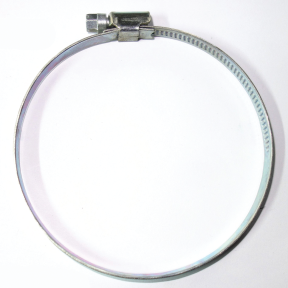
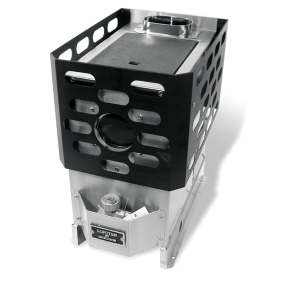
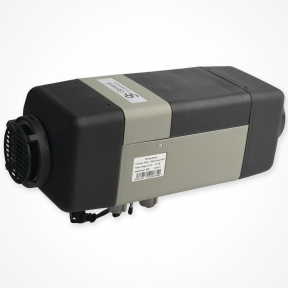
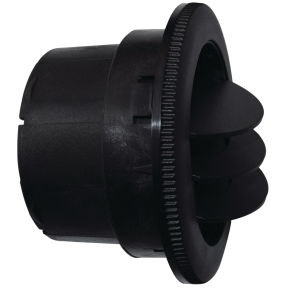
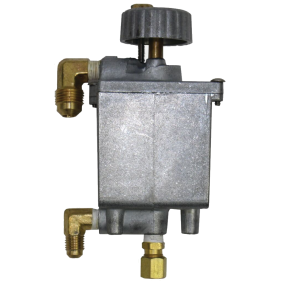
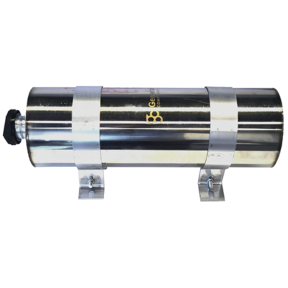
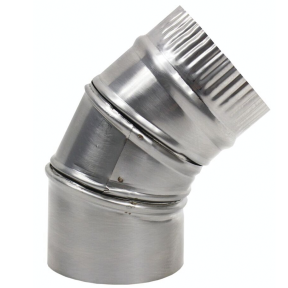
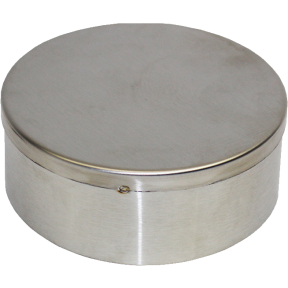
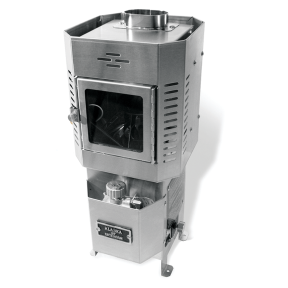
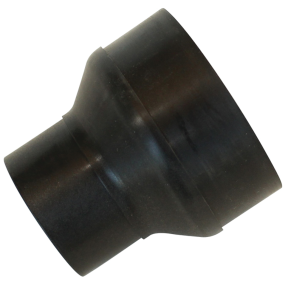
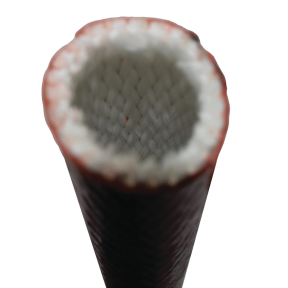
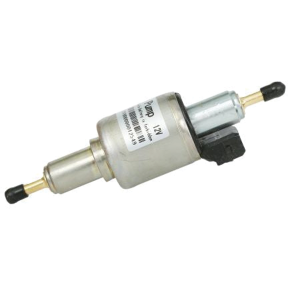
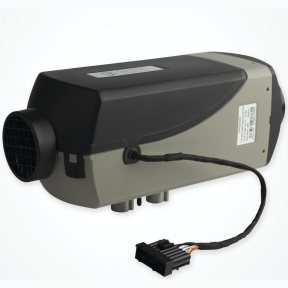
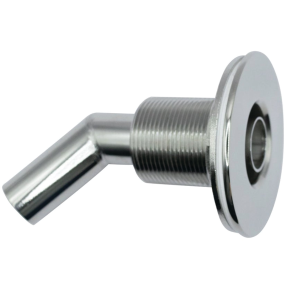
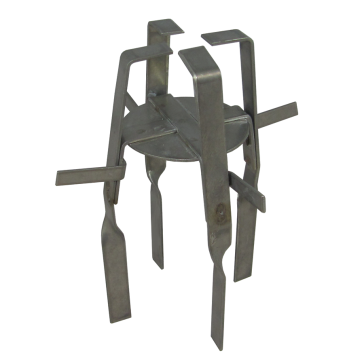
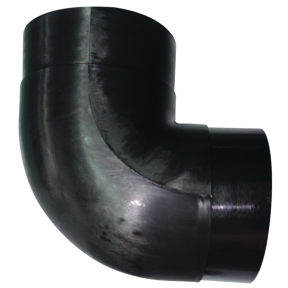
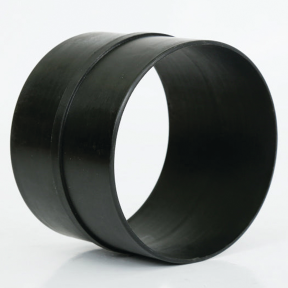
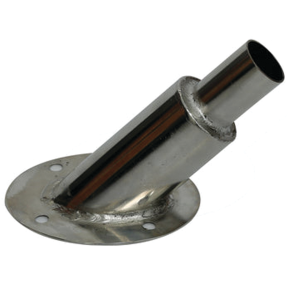
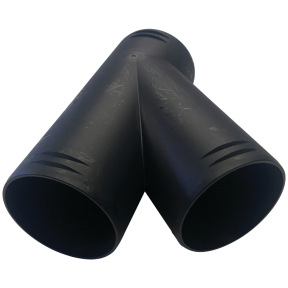
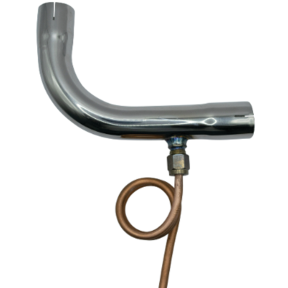
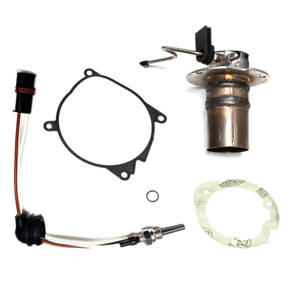
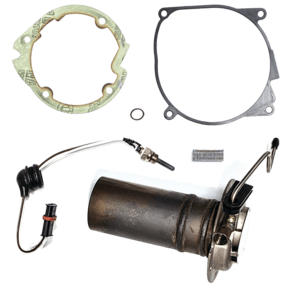
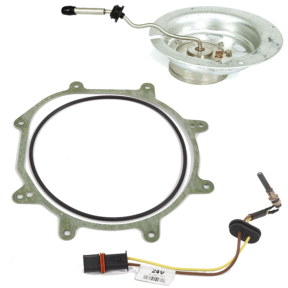
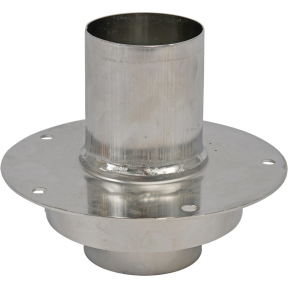
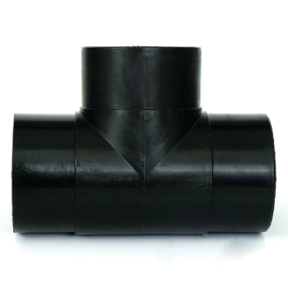
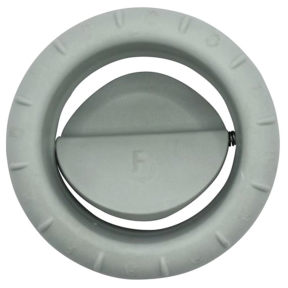
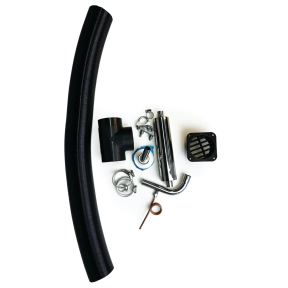
- Stainless flue kits: Route combustion exhaust according to the heater manufacturer's installation instructions.
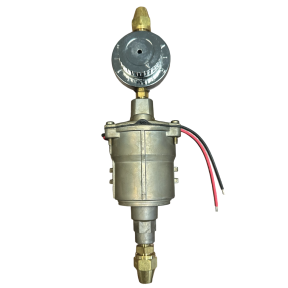
- Control panels: Manage heater operation and compatible system functions.
- Blowers and fans: Circulate heated air through cabins or across hydronic fan coils.
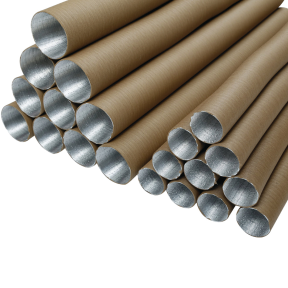
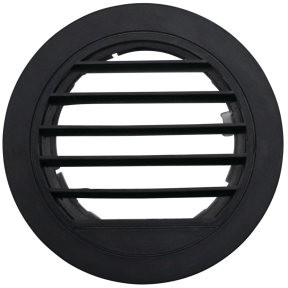
- Ducting and outlets: Distribute warm air to selected accommodation spaces.
- Hydronic components: Connect compatible piping, pumps, expansion tanks, radiators, and heat exchangers.
Marine Diesel Heaters for Boats and Cold-Weather Cruising
Marine diesel heaters provide dry, dependable cabin heat for sailboats, powerboats, liveaboards, and cold-weather cruising vessels. Compare direct-air and hydronic boat heating systems, then select compatible flue kits, blowers, control panels, and installation components for the vessel layout.
Steady cabin heat also helps control condensation, mold, and mildew during cool or humid conditions. Heater selection depends on cabin volume, insulation, cruising climate, fuel consumption, available installation space, exhaust routing, and required heating zones.
Direct-Air vs. Hydronic Marine Diesel Heaters
| Selection Factor | Direct-Air Diesel Heater | Hydronic Diesel Heater |
|---|---|---|
| Heat distribution | A fan moves warm air through cabin ducting. | A water-and-glycol loop feeds fan coils or radiators. |
| Installation | Uses air ducts with minimal plumbing. | Requires piping, circulation pumps, an expansion tank, and heat emitters. |
| Primary benefit | Fast, efficient space heating with a comparatively simple installation. | Flexible zoning for several cabins or vessel areas. |
| Additional capability | Direct cabin heating through one or more warm-air outlets. | May support domestic hot water through a compatible heat exchanger. |
| Common selection priority | Compact installation, quick warm-up, and straightforward controls. | Multiple heating zones and integration with a liquid heating circuit. |
Marine Diesel Heater Brands and Accessories
Fisheries Supply carries compact diesel boat heaters, higher-capacity cabin heating units, and system components for new installations and heater upgrades. Available brand categories include Dickinson Marine, Sig Marine, Davey & Co., and Camco.
How to Choose a Diesel Heater for a Boat
| Selection Factor | What to Evaluate |
|---|---|
| Heating needs | Calculate heating needs from cabin volume rather than vessel length alone. |
| Heat loss | Account for insulation quality, window area, ventilation, and heat loss. |
| Cruising conditions | Consider expected cruising temperatures, humidity, and seasonal use. |
| Manufacturer guidance | Review the manufacturer's current sizing and installation guidance before purchase. |
| Installation Factor | What to Confirm |
|---|---|
| Component locations | Identify suitable heater, fuel-line, intake, and exhaust locations. |
| Distribution routes | Check duct routes or hydronic pipe routes before selecting the system. |
| Access and electrical compatibility | Confirm clearance, service access, electrical requirements, and control-panel compatibility. |
| Flue and accessories | Match flue parts and installation accessories to the selected heater model. |
Marine Diesel Heater Installation and Safety
Use a sealed-combustion appliance and follow the current manufacturer instructions for fuel connections, combustion-air intake, exhaust routing, electrical wiring, clearances, and ventilation. Exhaust placement and regular system maintenance reduce the risk of combustion gases entering enclosed accommodation spaces.
- Keep combustion-air openings and exhaust outlets unobstructed.
- Inspect fuel lines, exhaust components, clamps, ducts, and electrical connections regularly.
- Install and routinely test carbon monoxide detectors in accommodation spaces.
- Reference applicable marine-industry guidance during heater design and installation.
- Consult a qualified marine technician when the fuel, exhaust, electrical, or ventilation layout is unfamiliar.
Diesel Boat Heater Selection Support
When shopping for a marine diesel heater, compare system type, heat output, fuel use, zoning needs, installation space, and accessory compatibility. Fisheries Supply can help boat owners evaluate heater layouts, venting paths, flue components, controls, and blowers for replacement projects, vessel refits, and new installations.
Frequently Asked Questions
How does a marine diesel heater warm a boat cabin?
A marine diesel heater burns diesel fuel inside a sealed combustion chamber and transfers the generated heat through a heat exchanger. A fan then moves warmed air into the cabin, while the combustion exhaust travels through a dedicated flue and exits outside the vessel.
What is the difference between direct-air and hydronic diesel boat heaters?
A direct-air diesel heater distributes warm air through ducts, while a hydronic heater circulates heated water and glycol to fan coils or radiators. Direct-air systems generally use less plumbing; hydronic systems support flexible zoning and may connect to a compatible domestic hot-water heat exchanger.
How do I choose the correct diesel heater size for my boat?
Choose diesel heater output according to cabin volume, insulation quality, window area, ventilation, cruising climate, and expected exterior temperatures. Vessel length alone does not define heating demand. Review the heater manufacturer's sizing guidance and account for heat loss before selecting a model.
What components are needed to install a marine diesel heater?
A marine diesel heater installation may require a fuel connection, combustion-air intake, exhaust flue, electrical supply, control panel, blower, ducting, and cabin outlets. Hydronic systems also use piping, pumps, an expansion tank, and fan coils or radiators. Required parts vary by heater model and vessel layout.
Are marine diesel heaters safe inside an enclosed boat?
Marine diesel heaters are designed for enclosed vessels when correctly installed, vented, inspected, and maintained. Sealed combustion separates exhaust gases from cabin air, but safe operation still depends on approved exhaust routing, unobstructed ventilation, sound fuel connections, routine maintenance, and working carbon monoxide detectors.
Can a diesel boat heater help reduce condensation and mold?
Yes, steady dry heat can reduce cabin condensation by warming interior air and surfaces during cool or humid conditions. Lower moisture accumulation can limit conditions that support mold and mildew. Ventilation remains important because heating alone does not remove every onboard source of moisture.