


Marine Alternators, Voltage Regulators, and Ignition Systems
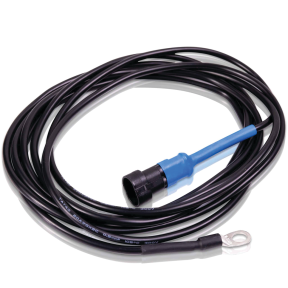
Reliable electrical power is essential for safe and dependable boating. Fisheries Supply carries a broad selection of marine alternators, voltage regulators, and ignition system components designed to support consistent charging, healthy batteries, and dependable engine starting.
At a Glance
- Marine alternators and regulators support battery health and onboard power.
- Ignition components are critical for reliable engine starting.
- Marine-rated parts are built for corrosion and vibration resistance.
- Proper sizing and fit reduce charging and installation issues.
Core Electrical and Ignition Components
Marine charging and ignition systems work together to generate power, regulate voltage, and start the engine. Each component plays a specific role in maintaining system reliability.
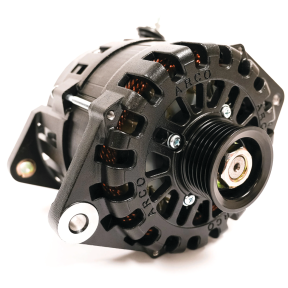
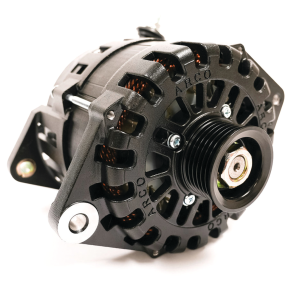
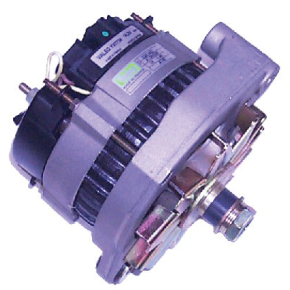
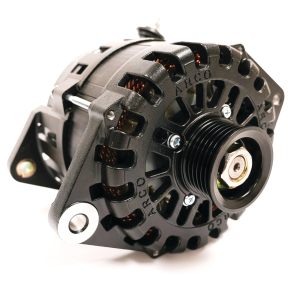
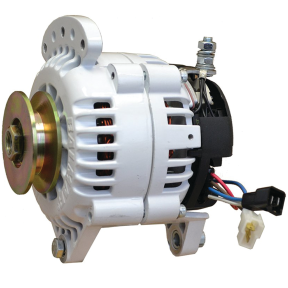
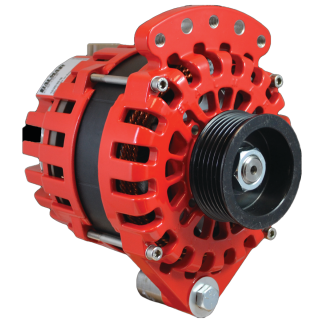
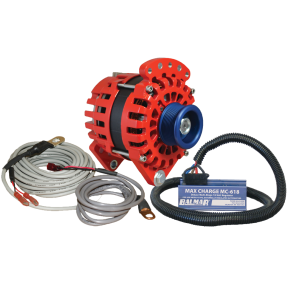
- Marine Alternators: Convert mechanical engine power into electrical energy to keep batteries charged during operation.
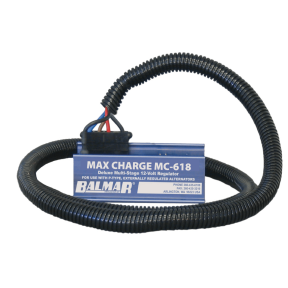
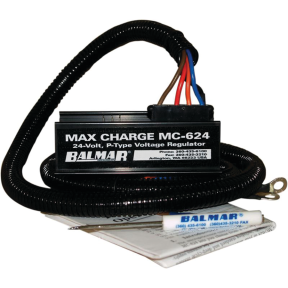
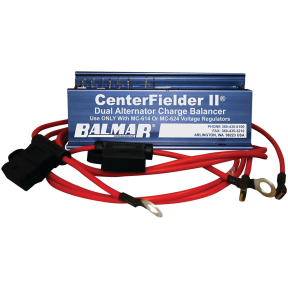
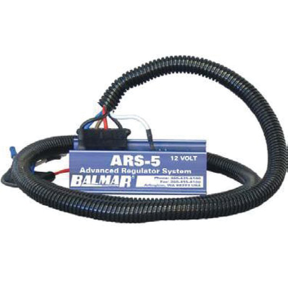
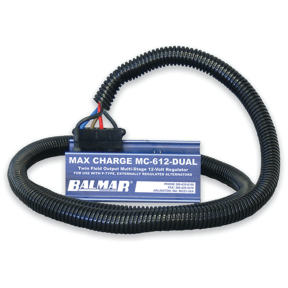
- Marine Voltage Regulators: Control alternator output using multi-stage charging to improve efficiency and reduce the risk of battery damage.
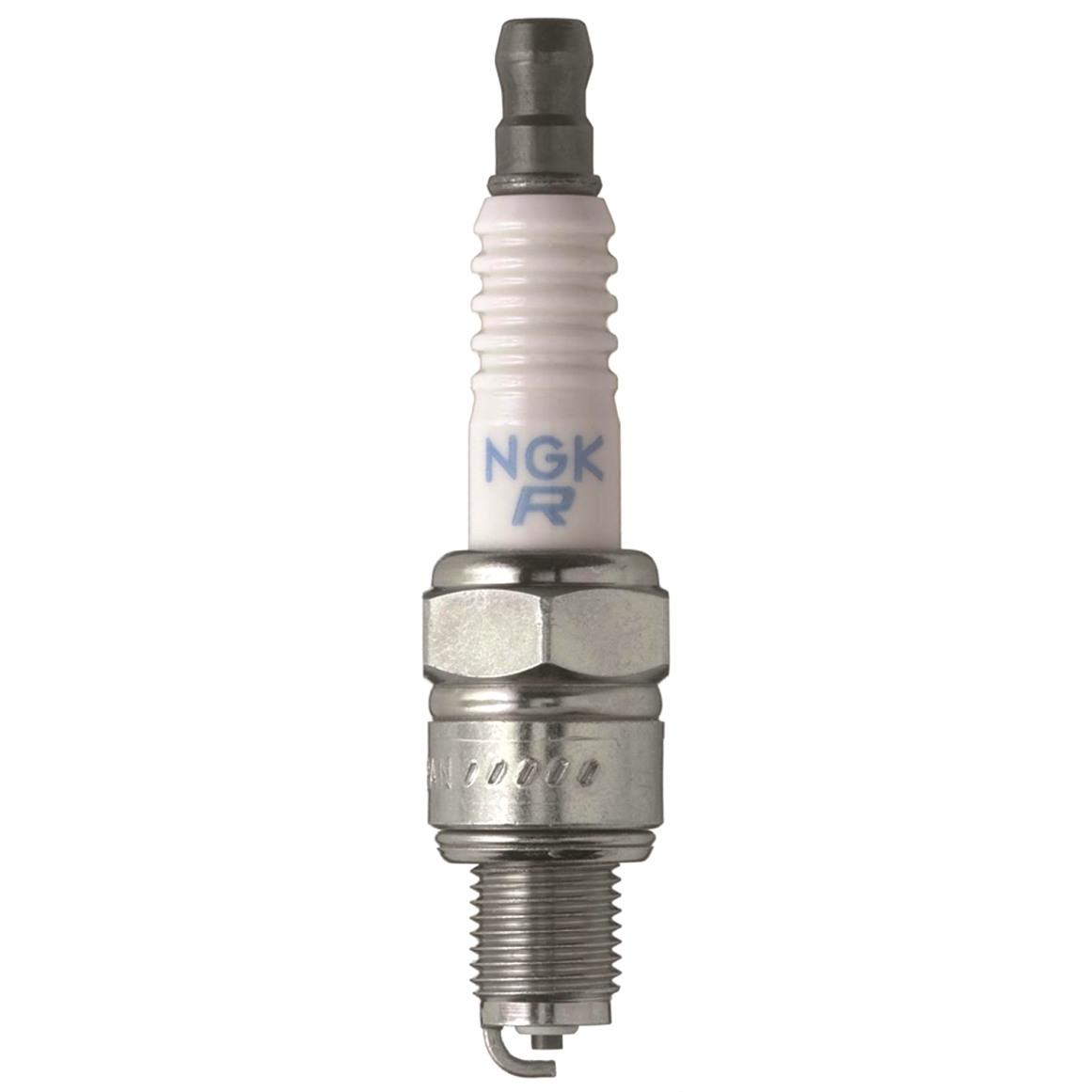
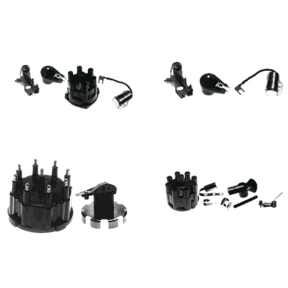
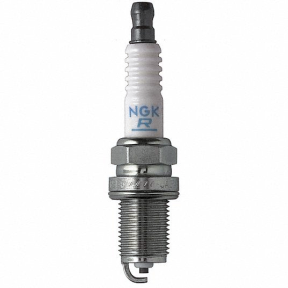
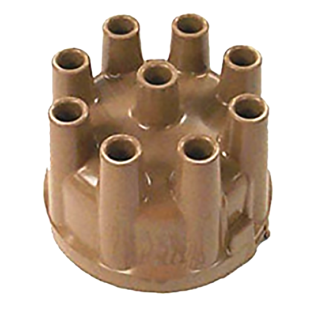
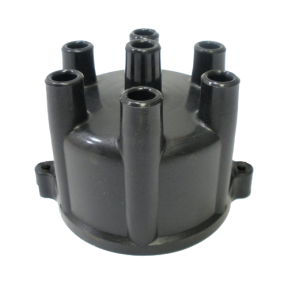
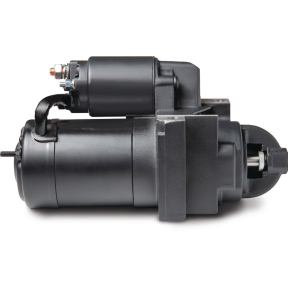
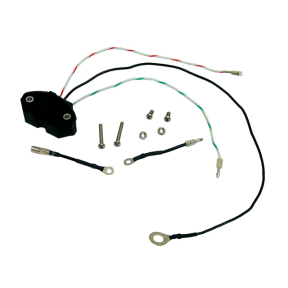
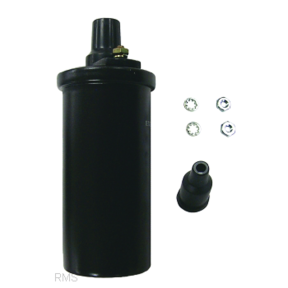
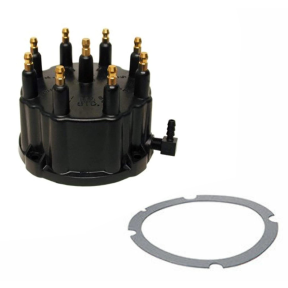
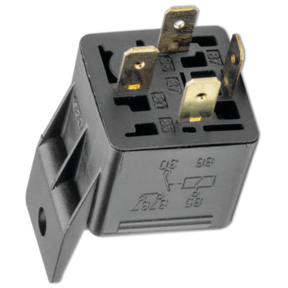
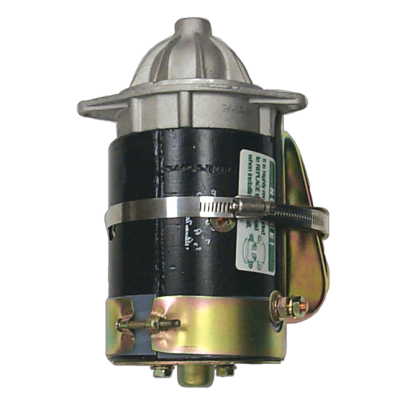
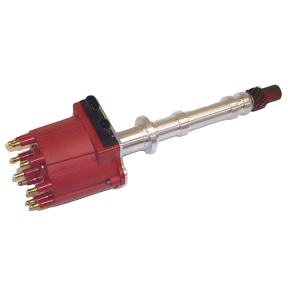
- Ignition System Components: Spark plugs, distributors, starters, and solenoids that support consistent engine start-up and smooth operation.
- Alternator Repair Kits: Service kits with bearings, diodes, brushes, and instructions to restore alternator performance.
Why Quality Marine Electrical Parts Matter
Marine-rated electrical components are designed for the demands of onboard use, including vibration, moisture, and continuous load. Using the correct parts helps prevent premature failures and electrical issues underway.
- Extended Battery Life: Proper charging profiles reduce sulfation and overcharging.
- Dependable Engine Starting: Well-matched ignition components improve cold and hot start reliability.
- Marine Durability: Materials and construction suited for demanding marine environments.
What to Consider When Choosing Marine Alternators and Regulators
Selecting the right alternator and regulator combination requires matching the system to your engine, batteries, and onboard electrical demands. Paying attention to fit and performance characteristics helps avoid installation issues and charging problems.
- Output: Look for strong low-RPM output to match typical marine diesel operating ranges.
- Regulation: Battery-sensing regulators improve charging efficiency and can help identify battery faults.
- Mounting Foot Type: Alternators are available in single- and dual-foot configurations with varying spacing.
Our inventory includes equipment from established marine brands such as Balmar and Sierra, along with the supporting parts needed to service and maintain your boat’s electrical and ignition systems.
Frequently Asked Questions
How is a marine alternator different from an automotive alternator?
Marine alternators are designed for corrosive environments and include features that reduce spark risk near fuel vapors. Automotive alternators are not intended for marine use and can create safety and reliability concerns.
Why is a voltage regulator important in a marine charging system?
A voltage regulator manages alternator output to prevent undercharging or overcharging batteries, both of which can shorten battery life and affect system performance.
What symptoms can indicate a failing marine alternator?
Common signs include batteries that do not stay charged, dimming lights under load, difficulty starting the engine, unusual noises, or electrical odors.
Can a boat be upgraded to a high-output alternator?
High-output alternators are often used to support larger battery banks or increased electrical loads, provided wiring and voltage regulation are compatible.
What core components are included in a marine engine's electrical system?
The marine engine electrical system includes vital components such as alternators and regulators for battery charging, ignitions and spark plugs for combustion, and starters to initiate the engine cycle. It also encompasses monitoring devices like tachometers, gauges, and high-water bilge alarms to ensure the engine operates within safe parameters.
How do I prevent corrosion on electrical connections in a marine environment?
To combat the demanding saltwater environment, you should regularly inspect terminals and wire connections for discoloration or white powder. Cleaning connections with a mixture of baking soda and water or a specialized electrical contact cleaner, followed by an application of dielectric grease, creates a protective moisture barrier that prevents oxidation and voltage drops.
How can I troubleshoot power delivery issues to my engine or electronics?
Begin by checking the basics: ensure the battery is fully charged (load test if necessary) and verify that all connections are tight and free of corrosion. Use a multimeter to check for voltage continuity and inspect your circuit breaker panel or fuse blocks for any tripped breakers or blown fuses that may be interrupting the flow of electricity.