Environmentally Friendly Bottom Paint: A Boater's Guide
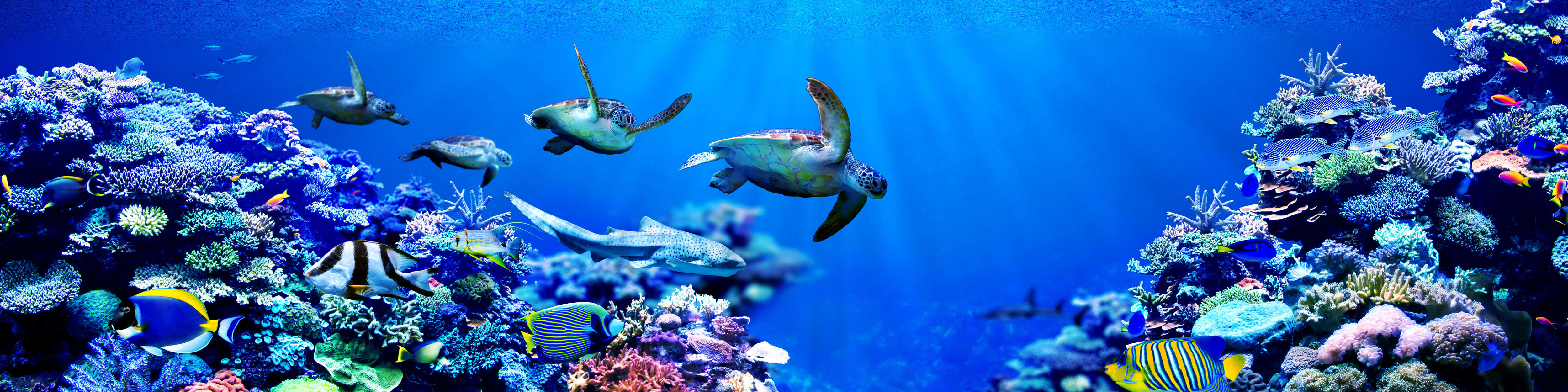
As a boater, you have a deep appreciation for the open water. The sea connects us all, offering recreation, beauty, and a sense of freedom. However, a standard part of boat maintenance – applying antifouling paint – can unintentionally harm the very marine environment we love. While most bottom paints help to keep your hull clean and free of growth, they also release toxic substances which can hurt marine life. This guide will help you explore your options towards using a more environmentally friendly bottom paint to protect both your vessel and the precious marine organisms below.
Here's a quick look at what we'll cover in this guide to eco-friendly boating:
- Effects from traditional antifouling paint on the marine environment.
- Eco-friendly antifouling options.
- Innovative new solutions.
- Help in choosing a sustainable option for your boat.
- Answers to frequently asked questions about environmentally friendly antifoulants.
Understanding Environmentally Friendly Antifouling Paint
So, what exactly is eco friendly bottom paint? It’s a type of hull coating designed to prevent marine growth without relying on the toxic substances found in traditional paints. The primary goal is to reduce the negative environmental impact associated with conventional options like metal based paints. For boat owners, it means trying to find a happy medium between protecting your vessel from barnacles and algae while also protecting the waterways.
Comparing Traditional vs Eco-Friendly Antifouling Options
The key difference in eco-friendly bottom paint lies in what it leaves out. Traditional paints are effective because they constantly leach toxic substances, like copper, into the water. A sustainable alternative tries to reduce or completely avoid harmful chemicals. With some options, instead of killing organisms these paints create a surface that’s difficult for them to attach to. This approach can protect your hull while reducing the amount of toxins entering into the ecosystem.
Eco-friendly paints are a more sustainable option because they:
- Contain fewer (or no) metal biocides.
- Reduce or eliminate the release of heavy metals like copper.
- Are often low in Volatile Organic Compounds (VOCs), making them safer for human health and air quality during application.
What's Wrong With My Old Antifouling Paint?
For decades, copper paint has been the go-to solution for antifouling. However, we now know that high concentrations of copper are toxic to the marine environment. It accumulates in sediment and harms a wide range of aquatic life, from tiny invertebrates to larger fish. This has led to increasing regulations and even bans on copper-based paints in some areas. In addition, traditional solvent-based paints release high levels of Volatile Organic Compounds (VOCs) into the atmosphere during application. These compounds contribute to air pollution and can be harmful to human health. By changing to a more environmentally friendly bottom paint you not only potentially save marine life, you can also potentially reduce harmful exposure to the person applying the paint.
Main Ingredients in Eco Friendly Antifouling Paint
For boat owners searching for more eco-friendly options, the market now offers a variety of technologies - from copper-free formulas to innovative physical barriers. Advances in marine science have led to the development of components designed to have a minimal environmental impact by using clever chemistry and concepts borrowed from nature to keep hulls clean. From natural additives to advanced polymers, the ingredients are chosen for their ability to deter marine life without causing widespread harm. Let's look at what's inside some of these these smarter, safer options.
Common Additives That Prevent Fouling
Zinc Pyrithione Biocide
A very common alternative used by most of the larger bottom paint providers is called Zinc Pyrithione Biocide - also known as Zinc Omadine. Zinc pyrithione is a broad-spectrum biocide that inhibits the growth of micro-organisms through preventing colonization. It's effective against a wide variety of bacteria, algae and slime – stopping them before they can attach to your hull.
Since it has minimal effect on hard-shell growth such as barnacles and muscles, ZP is often used in conjunction with other biocides or combined with copper (in lower amounts) for full protection. Once a revelation and highly valued for reducing the copper load in modern paints, it’s now unfortunately under increasing regulatory review for it’s own aquatic toxicity. That said, in low amounts it remains effective and relatively short-lived, so should be considered a “transitional” eco-friendly option rather than a truly benign one.
Econea®
A completely metal-free biocide, Econea is also used by many of the large bottom paint providers. Econea works by stopping the energy production process in algae and small marine organisms, preventing them from attaching and growing on the hull. It’s highly effective against hard-shelled organisms like barnacles and tubeworms, as well as some soft fouling species like algae and slime - making it great for a variety of cruising waters.
Its quick breakdown in seawater makes it less persistent and more environmentally acceptable, though it remains toxic while active and is relatively costly. Most experts consider it a “next-generation, low-impact biocide” — not fully green, but a major step forward from heavy metals.
Water-Based and Low VOC Formulas
Water-based formulas significantly reduce VOC emissions, making them a healthier choice for you and the environment. They also make the cleaning of the hull and application tools much simpler, as you can just use soap and water instead of harsh chemical solvents. This minimizes the risk of spilling hazardous materials.
Silicone-Based and Hydrogel Technologies
Silicone-based and hydrogel technologies represent a major leap forward in foul release coating systems. Instead of using toxins, these products create an ultra-smooth, slippery surface that marine growth simply can't hold onto. Think of it like trying to stand on a sheet of ice—it’s nearly impossible to get a grip.
Silicone polymers, such as polydimethylsiloxane (PDMS), provide a low-energy surface that minimizes adhesion. Hydrogel coatings take this a step further by absorbing a layer of water, creating a slick, hydrated barrier that mimics the mucus on a fish's skin. Any organisms that do manage to settle are easily washed away by water flow as the boat moves - which means this type of solution works best for boats that get used regularly.
Unfortunately this option is still in the arena of "emerging technology" and has not yet been adopted by any of the larger bottom paint providers. The trick is creating one that does not release micro-plastics into the environment, so definitely research the Silicone/Hydrogel paints offered in this regard.
Performance of Copper-Based vs Copper Free Bottom Paint
When considering a switch to eco-friendly options, a common question is whether copper-free paints perform as well as traditional copper hull paints. For many years, copper was seen as the only reliable way to fight biofouling. However, modern copper-free paints offer comparable, and sometimes superior, protective qualities.
Protective Qualities and Longevity
The longevity of bottom paint is a major factor for any boat owner. Traditional copper paints typically need to be reapplied every one to two years, which means regular haul-outs and maintenance costs. The effectiveness of this type of paint also diminishes as the biocides leach out.
Many modern eco-friendly options often offer a longer service life. For example, hard-wearing silicone foul-release coatings can last for five years or more. Innovative physical wraps like Finsulate can provide guaranteed protection for eight years or longer. This extended longevity means less time and money spent on maintenance for your marine vessels.
Recommended Environmentally Friendly Antifouling Coatings

With growing awareness of the need to protect the marine environment, many brands now offer products focused on sustainable antifouling solutions. Choosing the right brand can feel overwhelming, but focusing on the technology behind the product can help simplify your decision. Below, we'll highlight some of the leading types of products available and spotlight a particularly innovative solution that is changing the game.
Leading U.S. Brands for Sustainable Boating
In the U.S. market, boaters now have access to a range of more eco-friendly antifouling products. When shopping for your boat, look for products that clearly state they are low-VOC or copper-free. Here are some of the top options for the brands we carry at Fisheries Supply, all of which are copper-free:
| Brand | How it Works | Key Factors |
|---|---|---|
| Interlux Micron CF | A copper-free, multi-season antifouling with Biolux® zinc pyrithione and Econea® | Works best on boats that move, aluminum-safe, VOC compliant, 2-3 coats recommended |
| Interlux VC Performance | A two-part, low friction PTFE-bearing epoxy that provides a slippery, hard finish ideal for wet sanding and polishing. No antifouling or foul release properties. | Ideal for trailered or rack-stored boats, not appropriate for boats stored in the water. 3-4 coats recommended. |
| Pettit Hydrocoat ECO | Water-based, copper-free, ablative antifouling paint with a high level of metal-free Econea combined with Zinc Omadine. Also includes low-friction PTFE for reduced drag. | Excellent protection in all waters, aluminum-safe, 3+ seasons effectiveness, low VOC, good user satisfaction, 2-3 thin coats needed. |
| Pettit ECO HRT | Copper-free with Econea and zinc omandine, dual biocide hybrid ablative bottom paint. | Durable, low drag, environmentally safe, low buildup with repeated applications, low maintenance, 2 coats recommended. |
| Sea Hawk Smart Solution | Copper-free, metal-free Econea biocide formula with slick film to prevent fouling - ablative bottom paint. | No bioaccumulation, aluminum safe, highly eco-friendly, compatible over existing antifoulants, multi-season, 3 coats recommended. |
| Sea Hawk Mission Bay CSF | Copper-free, water based, hard ablative copolymer resin base with a controlled release, next-generation zinc pyrithione biocide that is activated by UV light along with zinc oxide. | Multi-season in the right conditions, low VOC, tin-free, sustainable antifouling, good on all boat types, 3 coats recommended. |
Spotlight on Finsulate: How It Works
One of the most revolutionary products on the market is Finsulate antifouling. Developed by a Dutch inventor Rik Breur, this innovative solution was inspired by pure nature – specifically, the prickly surface of a sea urchin. Instead of paint, Finsulate is a self-adhesive wrap that is applied directly to your boat's hull.
The surface of the wrap is covered in millions of tiny, velvet-like spikes. These fibers make it impossible for barnacles, algae, and other marine growth to get a firm grip. This is a purely physical deterrent, meaning no chemicals, toxins, or microplastics are ever released into the water.
What's more, Finsulate is incredibly long-lasting, with a guarantee of eight years and some test boats still protected after ten. If any light slime does build up, it can be easily wiped off, dramatically simplifying hull cleaning. It’s a true game-changer for sustainable boating.
But as with all things, there are a couple of downsides: high application cost, the need to remove all prior paint from the hull surface before it can be applied, and that it can only be applied by specifically trained technicians. That said, the payoff of not having to haul out again for 8 or more years may offset those expenses, so it's definitely worth considering.
Cost Considerations for Copper Free Antifouling Paint
A common concern when switching to new technology is cost. It's true that the initial price for some eco-friendly bottom paints can be higher than traditional options. However, a simple price comparison doesn't tell the whole story. A thorough value analysis often reveals significant long-term saving, so let's break down the price differences and explore where the real savings are found.
Price Differences and Value Analysis
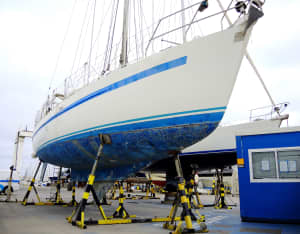
When conducting a value analysis, boat owners should look beyond the initial cost per gallon. High-performance eco-friendly coatings, while more expensive upfront, often last much longer. This means fewer haul-outs, less frequent reapplication labor, and lower maintenance costs over the lifetime of the product.
For example, a traditional paint might last two years, while a silicone coating could last five, and a physical wrap could last eight or more. When you factor in the cost of hauling out your boat and paying for labor every other year, the more durable option may quickly become the more economical one.
| Cost Factor | Traditional Copper Paint | Silicone Paints | Eco-Friendly Wrap (e.g., Finsulate) |
|---|---|---|---|
| Initial Application Cost | Moderate | Moderate | High |
| Reapplications (in 8 years) | 4-5 times | 2-3 times | 0 times |
| Associated Labor/Haul-Out Costs | High | Moderate | Minimal (one-time) |
| Total 8-Year Cost | High | Moderate | Low |
Long-Term Savings and Boat Maintenance Tips
The long-term savings from eco-friendly bottom paints extend beyond reapplication costs. Aside from the environmental benefits, foul-release coatings and wraps create an incredibly smooth surface that reduces drag in the water. Less drag means your engine doesn't have to work as hard, leading to lower fuel consumption - which not only saves you money every time you leave the dock but also reduces your boat's carbon footprint.
Choosing the Best Eco-Friendly Antifoulant
So now that you have all the information, how do you choose the right option for your boat? A lot depends on where you use your boat (warm or cold waters), how often you take the boat out, how much prep are you willing to do and how much you are willing to spend. Obviously, in a perfect world we would all go with the option that saves the most creatures while simultaneously keeping our boat's bottom clear of growth - but it's just not realistic for every boater. So our advice is to do what you can afford - both time and money-wise. Doing anything to move towards a more eco-friendly option is certainly better than doing nothing!
The following table shows 3 options that might help you figure out your own comfort level:
| Option | Biocide-free foul-release (Silicone/Hydrogel) e.g., Hempel Silic One | Copper-free, water-based ablative with Econea e.g., Pettit Hydrocoat ECO | Finsulate (biocide-free “fuzzy” wrap) |
|---|---|---|---|
| How it Works | Ultra-slick coating makes it hard for growth to stick; boat movement sheds slime/fouling. | Self-polishing paint releases controlled biocide (Econea + slime-agents); water-based carrier. | Adhesive micro-fiber film discourages settlement without leaching chemicals. |
| Pros | Lowest environmental impact (no copper/organic biocides). Can reduce drag and improve fuel economy. Multi-season potential when boat is used regularly. | Good all-around protection in most waters. Lower-VOC, easy DIY, soap-and-water cleanup. No copper, aluminum-safe, less metal loading in marinas. | Zero leach rate/metal loading in marinas. Guaranteed for 8 years (may last 10). Occasional cleaning if boat isn't moved often. No VOCs. |
| Cons | Higher upfront cost; meticulous first-time prep. Works best when the boat moves regularly. Periodic gentle wipe needed if boat is idle. | Still biocidal (aquatic toxicity ≠ zero). Ablative, so will slowly wear and need re-coating over time - usually every 2 years. | High upfront cost and very exacting surface prep (remove all prior bottom paint). Can only be applied by boatyard or company representative, so not DIY. |
| Best Fit | Boaters who sail weekly or more in season; who also want the greenest practical solution and are okay with regular in-water cleaning. | Boaters who want the best compromise of eco-profile, reliability, low cleaning responsibility and easy application. | Boaters who prioritize no biocides at all and want long intervals before re-application. Must be okay with a high initial cost to reap payoff of long-term gain. |
Frequently Asked Questions
Can eco-friendly antifouling paint be used in saltwater and freshwater?
Yes, most eco friendly antifouling paints are formulated for use in both saltwater and freshwater. However, the type of fouling can vary between different aquatic environments. Boat owners should always check the product specifications to ensure the type of paint is suitable for their specific marine environment and boating conditions.
How do I select the best eco-friendly bottom paint for my boat type?
To select the best type of paint, consider your type of boat, how often you use it, and your local marine environment. Review the product line of different brands, paying attention to longevity and recommended hull cleaning methods. High-use boats benefit greatly from foul-release coatings, while other options might be better for more stationary vessels.
Are non-toxic bottom paints as effective as standard antifouling paints?
Yes, modern non-toxic bottom paints can be just as effective, if not more so, than standard antifouling paint. The effectiveness of systems like a foul release coating depends on creating a surface that prevents marine organisms from attaching, which can offer longer-lasting protection without harming the ecosystem.
Can I paint new eco-friendly paint over existing old bottom paint without problems?
Generally, no. Applying a new eco friendly paint, especially a silicone-based one, over old paint is not recommended. For proper paint application and performance, usually the old paint must be completely removed. This ensures the new coating adheres correctly to the hull and functions as designed, without trapping old, toxic layers.
Is it possible to switch between hard and ablative eco-friendly bottom paints?
Yes, it is possible to switch, but it requires careful preparation. If you are applying a hard paint over an old ablative paint, the ablative layer must be completely removed to ensure the new coating can bond properly to the hull. Always consult the manufacturer's terms of use for the specific type of paint you are applying.
In summary, choosing environmentally friendly bottom paint is not just a trend but something that every boater should be considering. By selecting products that are copper-free and low in VOCs, you can significantly reduce the environmental impact of your boating activities. Understanding the differences between traditional and eco-friendly options empowers you to make informed choices that benefit both your boat’s performance and marine ecosystems.
We hope you've enjoyed this article about eco-friendly bottom paints - but if you have more questions, or need personalized recommendations, feel free to reach out to our customer service department at (800) 426-6930.