How to Activate and Use Handheld Flares: Complete Step-by-Step Guide
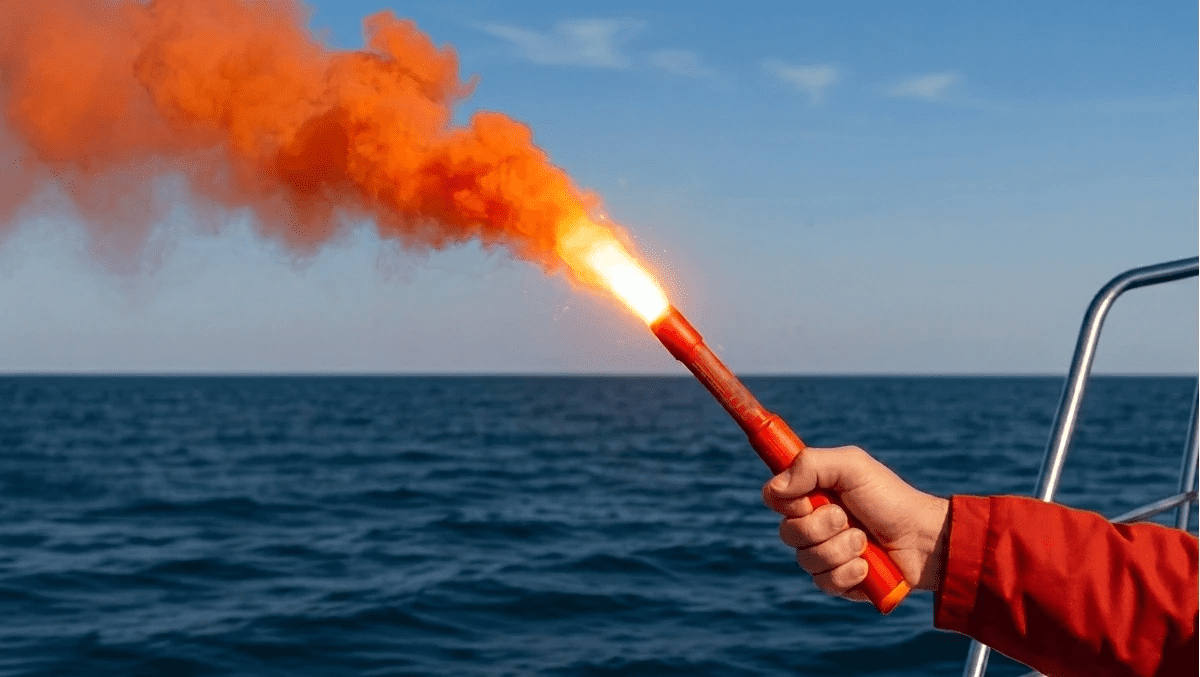
Key Takeaways for Activating and Using Handheld Marine Flares
- Know Your Equipment: Read manufacturer instructions and check expiration dates regularly, as expired or damaged flares may fail to ignite.
- Strategic Activation: Only ignite a flare when you have sighted a potential rescuer to conserve your supply.
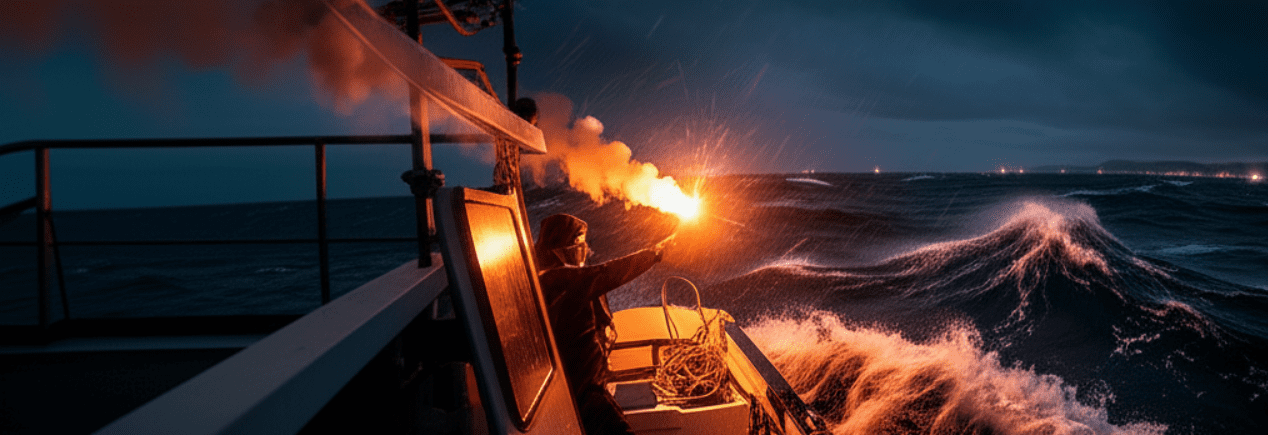
- Safe Positioning: Stand with your back to the wind and hold the flare at a 45-degree angle over the side of the boat to prevent molten residue from causing burns.
- Handling Malfunctions: If a flare fails to ignite, wait 30 seconds before retrying; if it still fails, move on to a different flare.
- Never Smother a Flare: Pyrotechnic flares contain chemicals that allow them to burn without outside air; always let them burn out completely rather than trying to extinguish them.
- Consider Electronic Alternatives: Modern LED distress signals offer reusable, foolproof operation with 360° visibility and no fire or smoke hazards.
- Proper Disposal: After the flare has cooled completely, treat it as hazardous waste and dispose of it at a marina, fire department, or designated collection center.
Understanding Your Handheld Flare Before Activation
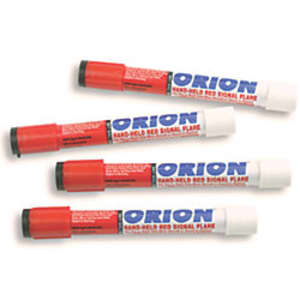
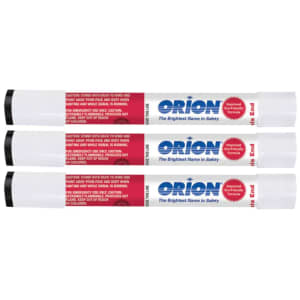
Handheld flares are pyrotechnic emergency signaling devices that produce a bright red light visible from miles away when properly activated. Before you need to use one in an emergency, it's crucial to understand exactly how your specific flare operates, as activation methods can vary between manufacturers and models.
Pre-Emergency Preparation Steps
Your ability to successfully activate a flare in an emergency depends on preparation done during calm conditions:
- Study Your Specific Flare Model: Read and understand the manufacturer's instructions printed on your flare. Keep a waterproof copy of these instructions with your safety equipment.
- Practice the Motion: Without removing safety caps or striking surfaces, practice the physical motion of holding and positioning your flare safely.
- Check Expiration Dates Regularly: Expired flares may fail to ignite or burn inconsistently when you need them most.
- Inspect for Damage: Look for cracks, corrosion, or moisture damage that could affect activation.
Step-by-Step Activation Process
Step 1: Prepare Yourself and Your Environment
- Position Yourself Safely: Stand with your back to the wind, away from fuel tanks, other people, and flammable materials.
- Clear Your Surroundings: Ensure no loose clothing, ropes, or equipment could catch fire from sparks.
- Hold Firmly: Grip the flare securely in your dominant hand, keeping your other hand free for balance.
Step 2: Remove Safety Components
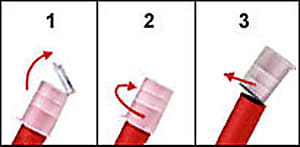
- Remove the Plastic Protective Cap: Twist and pull off the plastic cap to expose the ignition mechanism.
- Identify the Ignition Method: Most flares use either a scratch-surface cap or a pull-ring system.
- Position the Flare: Point the flare away from your face and body, angled at approximately 45 degrees.
Step 3: Ignite the Flare
For Scratch-Surface Activation (Most Common):
- Hold the flare body firmly in one hand.
- With the cap in your other hand, gently strike the scratch surface of cap against the black button of the flare (similar to striking a match), while pointing away from face and body.
- The flare should ignite immediately with a bright red flame.
For Pull-Ring Activation:
- Locate the pull-ring or chain attached to the ignition mechanism.
- While holding the flare body steady, pull the ring sharply and quickly.
- The flare will ignite upon successful activation of the internal striker mechanism.
Step 4: Proper Handling During Burn
- Maintain Safe Position: Keep the flare pointed away from yourself, others, and your vessel at all times.
- Hold at 45-Degree Angle: This prevents molten residue from dripping on your hand while maximizing visibility.
- Extend Over Water: Hold the burning flare over the side of your boat, not over the deck.
- Never Try to Extinguish: Let the flare burn completely (typically 1-3 minutes). Flares contain chemicals that keep the flare burning independent of outside air and attempting to smother them can cause severe burns.
- Don't Drop the Flare: Dropping may cause the burning portion to break off and extinguish prematurely.
Practical Use Scenarios and Timing
When to Activate Your Flare
- Sight Potential Rescuers: Only ignite when you can see or hear approaching vessels or aircraft.
- True Emergency Situations: Engine failure, taking on water, medical emergency, or being lost.
Strategic Use Guidelines
- Use One at a Time: Fire only one flare initially to conserve your supply.
- Follow-Up Strategy: Once you confirm a potential rescuer has seen you, use additional flares to maintain their attention.
- Timing for Aircraft: If you hear an aircraft, wait until it is close enough to see your signal before igniting.
- Multiple Flare Sequence: For extended rescue operations, space flare usage to maintain visibility throughout the rescue process.
Critical Safety Protocols During Use
- Protective Equipment: Wear gloves and eye protection when available to prevent burns and eye injury from sparks.
- Wind Awareness: Always account for wind direction to keep smoke and sparks away from you and your vessel.
- Fuel Safety: Never use flares near gasoline, propane, or other flammable materials.
- Breathing Protection: Avoid inhaling flare smoke, which contains toxic chemicals. Keep your face turned away.
- Hand Position: Never hold a flare with the burning end pointing upward where molten material could drip on you.
After Activation: Disposal and Follow-Up
Once your flare has burned completely:
- Allow Complete Cooling: Wait several minutes for the spent flare to cool completely before handling.
- Safe Storage: Store the used flare in a metal container until you can dispose of it properly.
- Hazardous Waste Disposal: Take used flares to marinas, fire departments, or hazardous waste collection centers.
- Replacement: Replace used flares immediately to maintain your required safety equipment complement.
Electronic Alternative: Modern LED Distress Signals
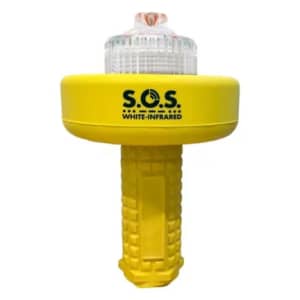
Electronic distress flares offer several practical advantages for activation and use:
Activation Benefits:
- Simple On/Off Operation: Most models activate with a single button press or switch flip.
- No Ignition Risk: Eliminates fire hazards during activation and use.
- Immediate Operation: Works instantly without waiting for ignition or warm-up time.
- Reusable: Can be turned on and off multiple times during an emergency.
- Extended Runtime: Unlike traditional flares that burn out in minutes, e-flares can operate for several hours or even days on replaceable or rechargeable batteries, ensuring prolonged visibility during emergencies.
Practical Use Advantages:
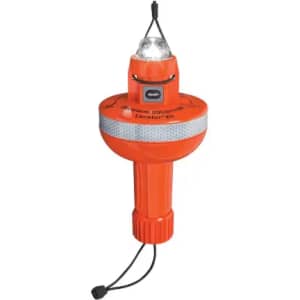
- 360° Visibility: Most e-flares are designed to emit bright light in all directions, making them easy to spot from a distance by rescuers on the water or in the air.
- Weather Resistant: Functions reliably in rain, snow, and extreme temperatures.
- Safe Handling: No hot surfaces, toxic smoke, or burn risks during operation.
- Battery Monitoring: Many models include low-battery indicators for reliable operation.
- Automatic SOS Pattern: Flashes the internationally recognized SOS distress signal automatically.
Pros and Cons of Traditional Pyrotechnic Flares vs. Electronic Handheld Flares
| Consideration | Traditional Pyrotechnic | Electronic LED Flares |
|---|---|---|
| Activation Complexity | Requires proper ignition technique | Simple button or switch operation |
| Emergency Stress Factor | May be difficult under stress | Foolproof activation method |
| Visibility Duration | 1-3 minutes per flare | Hours of continuous operation |
| Safety During Use | Fire, burn, and smoke hazards | No physical safety risks |
| Environmental Factors | Wind affects use and safety | Unaffected by weather conditions |
Practice and Training Recommendations
To ensure successful activation when needed:
- Hands-On Training: Take a boating safety course that includes hands-on flare training with expired units.
- Regular Reviews: Review activation procedures at the start of each boating season.
- Crew Training: Ensure all capable crew members know how to activate your specific flares.
Frequently Asked Questions About Activation and Use
What if my flare doesn't ignite on the first try?
Wait 30 seconds, then try striking again with more force. If it still fails, try a different flare - never continue striking a faulty pyrotechnic device repeatedly.
Can I practice activating a flare?
Never practice with live flares. Use only expired flares under proper supervision during authorized training sessions, or purchase practice/training flares specifically designed for instruction.
How do I know if my activation technique is correct?
The flare should ignite immediately with a bright, steady red flame. If you get only sparks or intermittent ignition, your technique may need adjustment.
What should I do if the flare breaks during activation?
If the burning portion breaks off, do not attempt to retrieve it. Focus on using another flare and keep the broken pieces away from flammable materials.
How many flares should I activate during an emergency?
Start with one flare when you spot potential rescuers. Use additional flares only to maintain their attention or signal your exact location during the rescue approach.
Fisheries Supply stocks a wide variety of flares and we are happy to answer any questions about proper activation and use - simply call our product experts at (800) 426-6930. Learn more about flare requirements, safety and disposal.