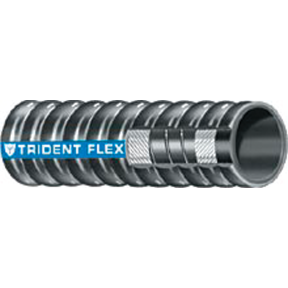
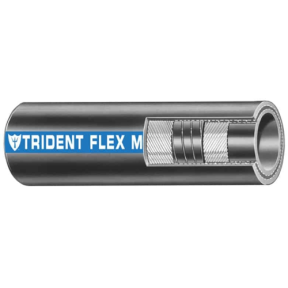
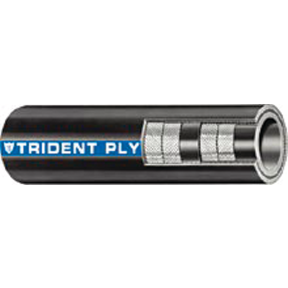
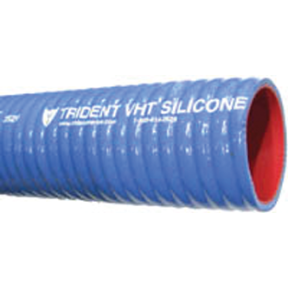
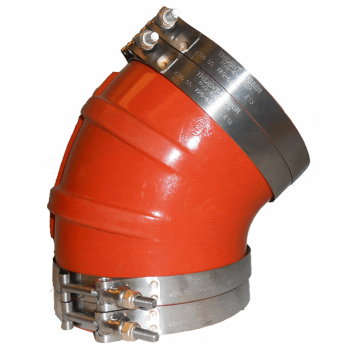
Marine Wet Exhaust Hoses and Cooling Water Hoses
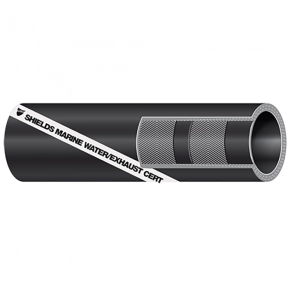
Marine wet exhaust hoses carry hot exhaust gas and injected cooling water from inboard and sterndrive engines to the muffler, waterlock, and transom outlet. This category is built for boat owners, marine technicians, and boatyards replacing exhaust hose, cooling water hose, elbows, bellows, and related fittings.
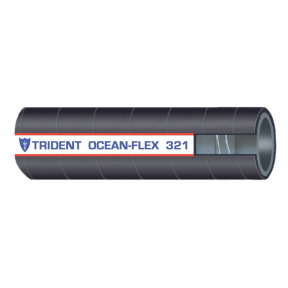
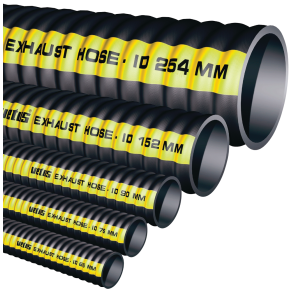
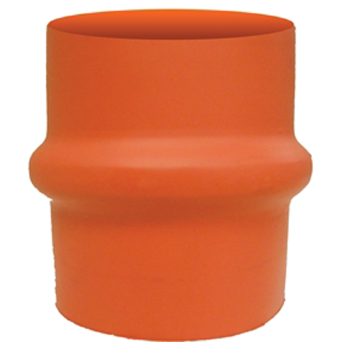
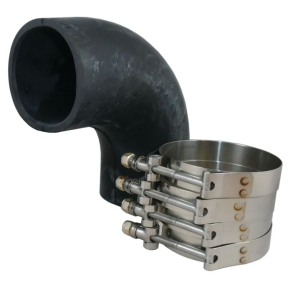
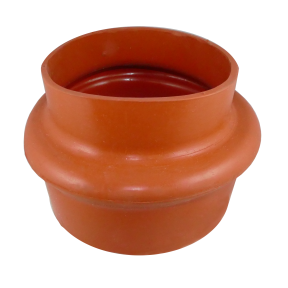
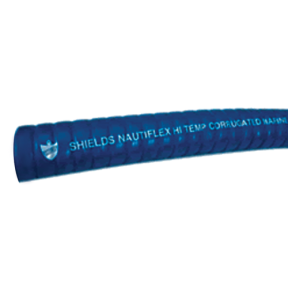
Fisheries Supply stocks marine wet exhaust hose from Trident Marine, Sierra, and Vetus, including high-temperature hose, reinforced hose, bellows, elbows, and inserts.
Why Marine Wet Exhaust Hoses Matter
A marine wet exhaust hose connects the engine mixing elbow to the waterlock, muffler, or exhaust outlet. Injected seawater lowers exhaust temperature before discharge, while the flexible hose absorbs engine vibration, reduces noise, and allows routing through compact engine compartments.
Marine Wet Exhaust Hose Specifications
| Selection Factor | What to Check | Why It Matters |
|---|---|---|
| Standards | SAE J2006 and ISO 13363 compatibility | Confirms marine wet exhaust hose suitability for engine exhaust and cooling water service. |
| Temperature rating | Approximately 200°F to 500°F+ depending on hose material | Prevents heat damage near risers, turbochargers, and mixing elbows. |
| Inside diameter | Match the OEM hose ID | Helps control exhaust backpressure and supports proper engine operation. |
| Reinforcement | Spiral wire or reinforced rubber construction | Improves crush resistance in tight or curved engine-room routing. |
How to Choose the Right Marine Exhaust Hose
- Confirm the hose standard, temperature rating, and wet exhaust application before installation.
- Match the existing hose inside diameter to avoid restricted flow or added exhaust backpressure.
- Choose EPDM rubber for general marine exhaust service and seawater resistance.
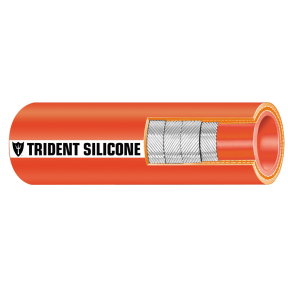
- Choose silicone high-temperature hose for hotter engine areas when the manufacturer approves the application.
- Use wire-reinforced hose where routing requires bend support or crush resistance.
- Install with marine-grade stainless clamps and correctly sized beaded or barbed fittings.
Product Types and Use Cases
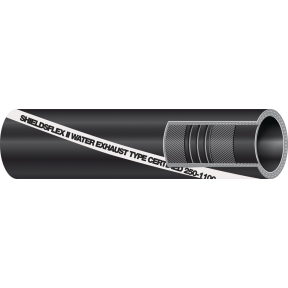
- Wet Exhaust Hose: Wet exhaust hose is used between the mixing elbow, muffler, waterlock, and exhaust outlet on marine engines with water-injected exhaust systems.
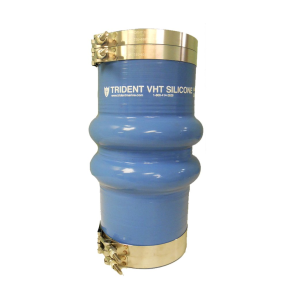
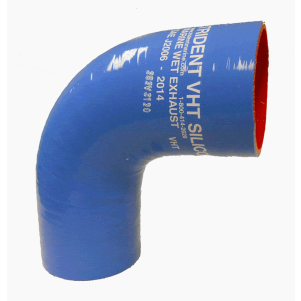
- High-Temperature Exhaust Hose: High-temperature marine exhaust hose supports hotter sections of the exhaust run where approved by the engine and hose manufacturer.
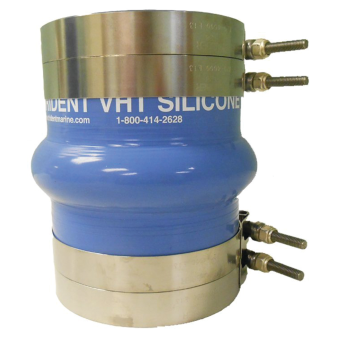
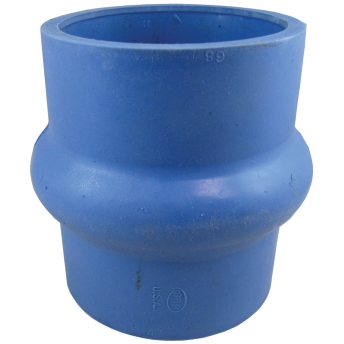
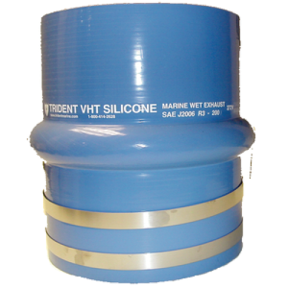
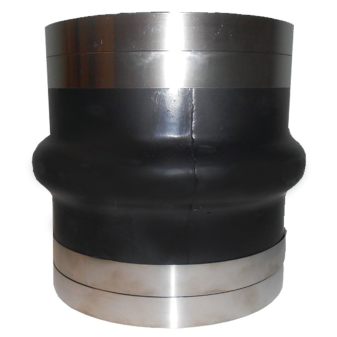
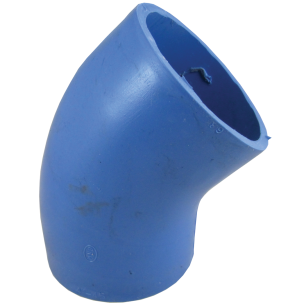
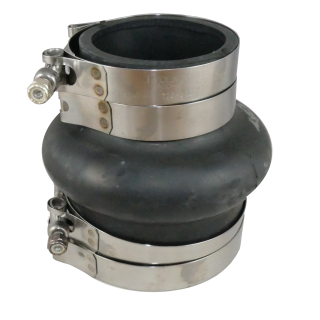
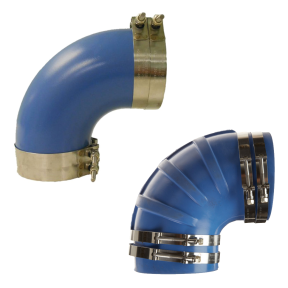
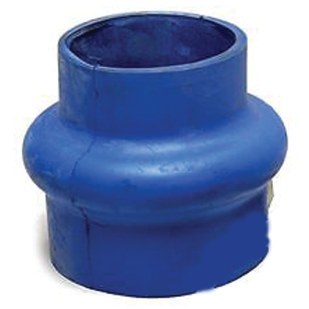
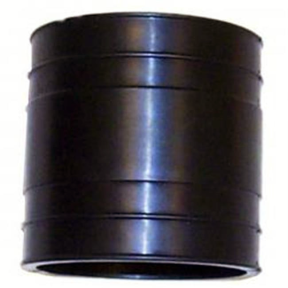
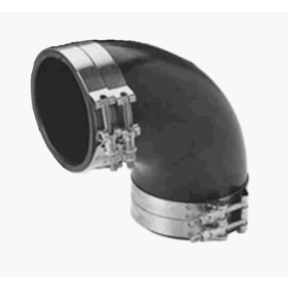
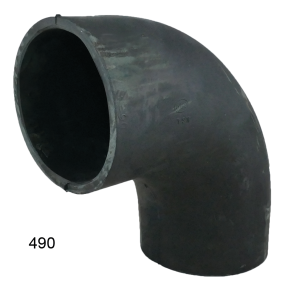
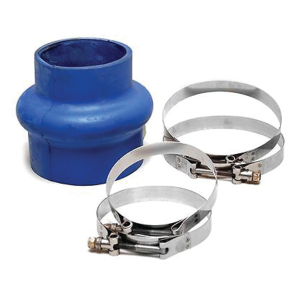
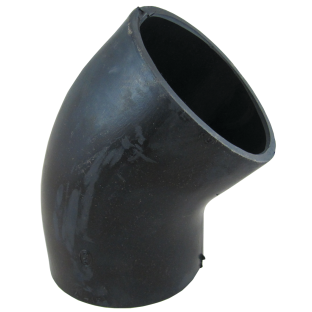
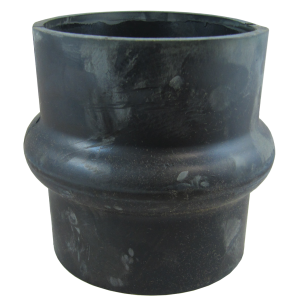
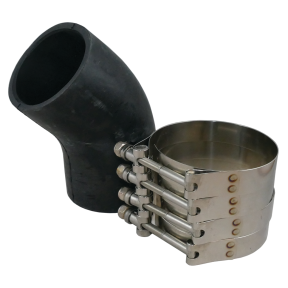
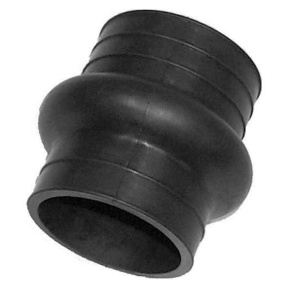
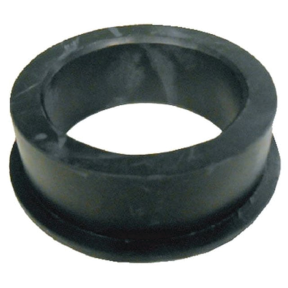
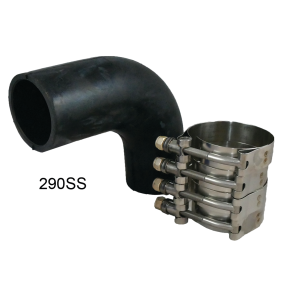
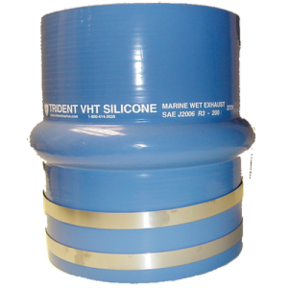
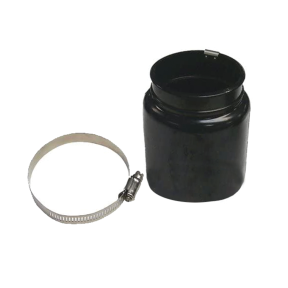
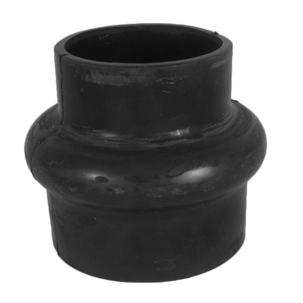
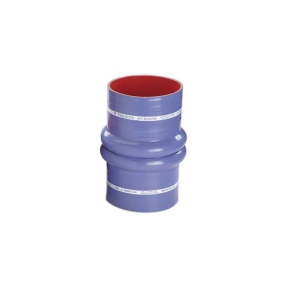
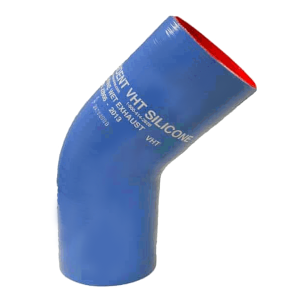
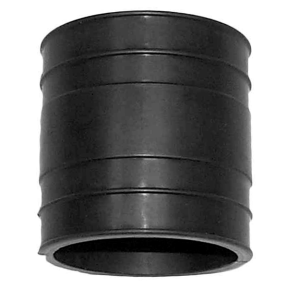
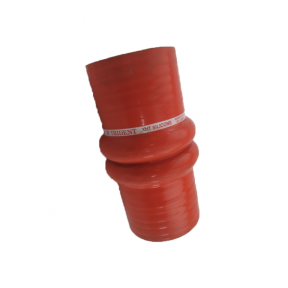
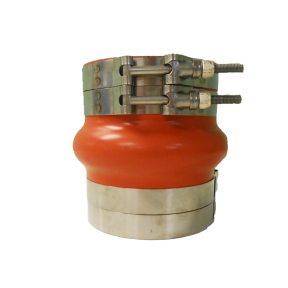
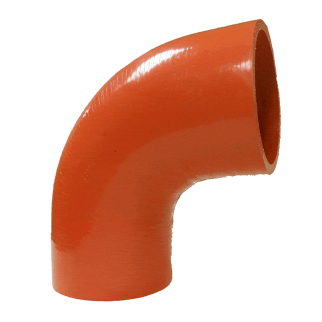
- Bellows, Elbows, and Inserts: Bellows, elbows, and inserts help connect exhaust components, manage movement, and route hose through limited engine-room space.
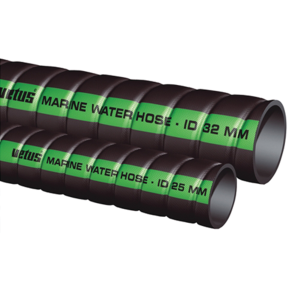
- Cooling Water Hose: Marine cooling water hose carries seawater or coolant through engine cooling systems and should be selected by diameter, temperature rating, and material compatibility.
When to Replace Marine Wet Exhaust Hose
- Cracks, splits, bulges, or soft spots appear on the hose wall.
- Leaks, exhaust odor, or soot appears in the bilge or engine compartment.
- Internal delamination is visible at hose ends or fittings.
- The engine has overheated, even when exterior hose damage is not obvious.
- The hose no longer holds its shape around bends or clamps.
Frequently Asked Questions
What is a marine wet exhaust hose used for?
A marine wet exhaust hose carries engine exhaust gas mixed with cooling water from the mixing elbow to the muffler, waterlock, or transom outlet. The hose reduces exhaust temperature, absorbs engine vibration, and supports flexible routing in inboard and sterndrive engine compartments.
How do I choose the right wet exhaust hose size?
Choose marine wet exhaust hose by matching the original hose inside diameter, engine manufacturer requirements, and exhaust system layout. Using the wrong ID can increase backpressure, restrict flow, or create fitment issues at elbows, mufflers, risers, and barbed fittings.
What materials are marine wet exhaust hoses made from?
Marine wet exhaust hoses are commonly made from EPDM rubber, nitrile blends, silicone, or wire-reinforced rubber. EPDM supports general wet exhaust service, silicone handles higher temperatures, and spiral wire reinforcement adds crush resistance for tight engine-room bends.
When should a boat exhaust hose be replaced?
A boat exhaust hose should be replaced when it shows cracks, soft spots, bulges, leaks, exhaust odor, or internal delamination. Replace the hose after any engine overheat event because heat damage can weaken the hose before exterior symptoms appear.
What standards apply to marine wet exhaust hose?
Marine wet exhaust hose is commonly evaluated against SAE J2006 and ISO 13363 standards. These standards relate to rubber and plastic hose used in marine-engine wet exhaust systems, helping buyers verify that the hose is suitable for exhaust gas and cooling water service.
Can I use regular rubber hose for a marine exhaust system?
Regular rubber hose should not be used for a marine wet exhaust system unless it is specifically rated for marine exhaust service. Wet exhaust hose must handle heat, seawater, vibration, exhaust gas, pressure changes, and the bend demands of boat engine compartments.